A New Era in Cosmetic Dentistry
Dental veneers have emerged as a premier solution for those seeking to refine their smile, with their popularity in the United States increasing by more than 250% in recent years, per CareCredit. These thin, custom-made shells of porcelain or composite resin bond directly to the front surface of teeth to camouflage imperfections such as chips, gaps, and stubborn discoloration.
At ashleyburnsdds.com, we view these restorations as more than just a cosmetic upgrade. Beyond achieving a flawless aesthetic, they provide functional benefits by protecting enamel and restoring bite alignment for patients with worn or misshapen teeth. While treatments like traditional teeth whitening offer temporary results, veneers serve as a durable, long-term investment in your oral profile.
In the following sections, we will explore the different material options, the steps involved in the placement procedure, and how you can ensure your results last for a decade or longer. Whether you are curious about the difference between porcelain and composite or how to care for your smile after placement, this guide provides the necessary clarity for your transformation.
What Are Dental Veneers?
 Dental veneers are custom-made, ultra-thin shells designed to cover the front surface of your natural teeth. By attaching these shells to your teeth, dentistry professionals can effectively camouflage bothersome cosmetic flaws, such as stubborn stains, chips, gaps, or minor misalignments. At ashleyburnsdds.com, we prioritize a conservative approach to aesthetic dentistry, ensuring that the placement of these thin layers preserves as much of your healthy tooth structure as possible.
What are the common advantages and considerations of dental veneers?
These restorations are typically crafted from high-quality porcelain or composite resin. Porcelain is often selected for its exceptional durability and its ability to mimic the light-reflecting properties of natural enamel, providing a realistic look that remains highly resistant to staining. While dental crowns are sometimes used to provide structural reinforcement for a damaged tooth, veneers serve a strictly cosmetic purpose. This makes them a more conservative treatment option than a full-coverage crown for patients looking specifically to enhance their smile's symmetry and brightness.
Before proceeding with any veneer treatment, it is vital to ensure that your underlying oral health is optimal. Patients must be free of significant gum disease or active tooth decay, as these issues must be treated first to ensure that your new smile has a healthy foundation. Because the preparation process involves removing a small portion of your natural enamel to ensure a seamless fit, the procedure is generally regarded as irreversible. Consistent oral hygiene, including twice-daily brushing and regular professional visits at ashleyburnsdds.com, is necessary to keep your restorative work and surrounding teeth in top condition for years to come.
Porcelain vs. Composite: Key Differences
 Selecting the right material for your smile enhancement involves weighing your aesthetic goals against practical considerations like longevity and budget. The two most common dental veneers options are porcelain and composite, each offering distinct advantages.
What is the difference between porcelain and composite veneers?
The primary difference between these two rests on material composition and the treatment process. Porcelain veneers are custom-crafted from high-quality ceramic in a dental lab, offering exceptional durability and a natural translucency that closely mimics real enamel. These provide high stain resistance and a typical lifespan of 10 to 15 years, though the process is permanent as it requires the preparation of the natural tooth enamel.
Composite veneers are made from a resin material that is typically applied and sculpted directly onto the tooth by your dentist. This in-office approach often allows for completion in a single visit, making it a more affordable and less invasive option. While convenient, composite resin is more prone to surface staining than ceramic and usually has a shorter lifespan of 4 to 8 years before repair or replacement is needed.
- Durability: Porcelain is highly resilient and resists wear, while composite is softer and may require earlier replacement.
- Aesthetic Depth: Ceramic mimics the light-reflecting properties of natural teeth better than resin.
- Invasiveness: Choosing composite often preserves more of your natural enamel compared to traditional porcelain procedures.
A Permanent Yet Replaceable Solution
Dental veneers are considered a permanent procedure because the application process typically requires the removal of a thin layer of natural enamel to ensure a proper fit, which is an irreversible change to your tooth structure as cited by the Cleveland Clinic. While the modification of your natural teeth is permanent, the veneers themselves are not lifetime restorations and will eventually require replacement due to normal wear.
Are dental veneers considered a permanent procedure?
Because your underlying teeth are permanently altered, they will always require some form of protective coverage if the original restoration is removed. The typical lifespan for high-quality porcelain veneers is between 10 to 15 years, while composite options usually last between 4 and 8 years depending on your oral hygiene habits. At ashleyburnsdds.com, we prioritize a conservative approach to enamel preparation to maintain as much of your natural tooth structure as possible. Excellent oral hygiene, including twice-daily brushing with non-abrasive fluoride toothpaste and regular professional cleanings, is the most effective way to extend the longevity of your smile enhancement.
Caring for the Teeth Under Your Veneers
What happens to the natural teeth underneath dental veneers?
Your natural teeth remain underneath your dental veneers, but they are not immune to oral health issues and require consistent, everyday attention. While these custom-made shells cover the front surface of the tooth, the remaining exposed areas remain susceptible to plaque, tartar buildup, and cavities. If diligent oral hygiene, such as daily brushing with non-abrasive fluoride toothpaste and consistent flossing, is neglected, bacteria can accumulate at the margin where the veneer meets the tooth.
This bacterial buildup can lead to decay or discoloration around the restoration. Over time, factors like natural wear, gum recession, or improper sealing can further compromise the health of the underlying tooth structure. At ashleyburnsdds.com, we emphasize that consistent professional dental exams are essential to monitor these margins. These regular check-ups allow our team to ensure that your natural teeth stay healthy and your smile remains vibrant for years to come.
Veneers vs. Crowns: Which Is Right for You?
Deciding between dental veneers and crowns requires evaluating the state of your underlying tooth. As noted by the Cleveland Clinic, dentistry offers these two distinct solutions to restore function and aesthetics, but they differ significantly in application and objective.
How do dental veneers compare to dental crowns?
Dental veneers are ultra-thin shells focused on cosmetic enhancement, requiring minimal enamel removal to cover only the front surface of a tooth. This makes them ideal for perfecting your smile, whereas a dental crown acts as a protective cap that restores the entire tooth structure. Crowns are necessary when a tooth has significant decay or fracture and requires added strength to remain viable. During an exam at ashleyburnsdds.com, we weigh your cosmetic aspirations against the structural integrity of your teeth to ensure you receive the most durable and natural-looking result.
| Feature | Dental Veneers | Dental Crowns |
|---|---|---|
| Coverage | Front surface only | Entire tooth |
| Primary Goal | Aesthetic focus | Structural repair |
| Tooth Reduction | Minimal | Substantial |
What Drives the Cost of Veneers?
The financial investment required for dental veneers typically ranges from $500 to $2,895 per tooth, with a national average landing around $1,765 as reported by CareCredit. Because these are considered elective cosmetic procedures, most dental insurance plans do not provide coverage, necessitating out-of-pocket planning.
What factors influence the cost of dental veneers?
Several variables dictate the final price of your treatment. Porcelain veneers generally represent a higher upfront cost than composite resin due to the laboratory-crafted durability and life-like translucency of the ceramic material. Beyond materials, the total volume of teeth being treated, the specific expertise of your dental professional, and the local geographic overhead all fluctuate the final quote. At ashleyburnsdds.com, we emphasize that while the initial price reflects a boutique, custom-tailored process, many patients find long-term value by potentially reducing the need for repeated, frequent teeth whitening sessions or other recurring restorative work.
Surprising Benefits Beyond Aesthetics
While dental veneers are primarily known for enhancing the visual appeal of your smile, they offer significant functional advantages that often go overlooked. At ashleyburnsdds.com, we prioritize comprehensive oral health, ensuring our patients receive treatments that improve both confidence and bite integrity.
- Faster gap closure compared to orthodontics: Veneers provide a rapid way to close small spaces between teeth, offering a quicker alternative to traditional braces or aligners.
- Protection for weakened or worn teeth: By covering the surface of teeth compromised by grinding or clenching, veneers act as a durable shield against further wear and sensitivity.
- Improved bite functionality: Beyond cosmetics, these restorations restore the natural structure of teeth worn down by bruxism, effectively reestablishing a balanced and comfortable bite.
- High stain resistance: Crafted from advanced, non-porous materials, veneers maintain their appearance over time, meaning you avoid the frequent touch-ups required by traditional whitening treatments.
- Significant boost in self-confidence: Improving your smile often leads to a measurable increase in your willingness to engage in social and professional settings without hesitation.
- Minimally invasive application: The procedure is conservative, requiring the removal of only a thin layer of natural enamel to achieve a permanent, natural-looking fit.
Choosing the right cosmetic path is about more than just surface-level changes. Our practice focuses on long-term stability and patient comfort. If you are curious about how these benefits apply to your unique dental profile, we invite you to discuss your goals with our team to determine if this approach aligns with your long-term oral health vision.
Maintaining Your Veneers for the Long Haul
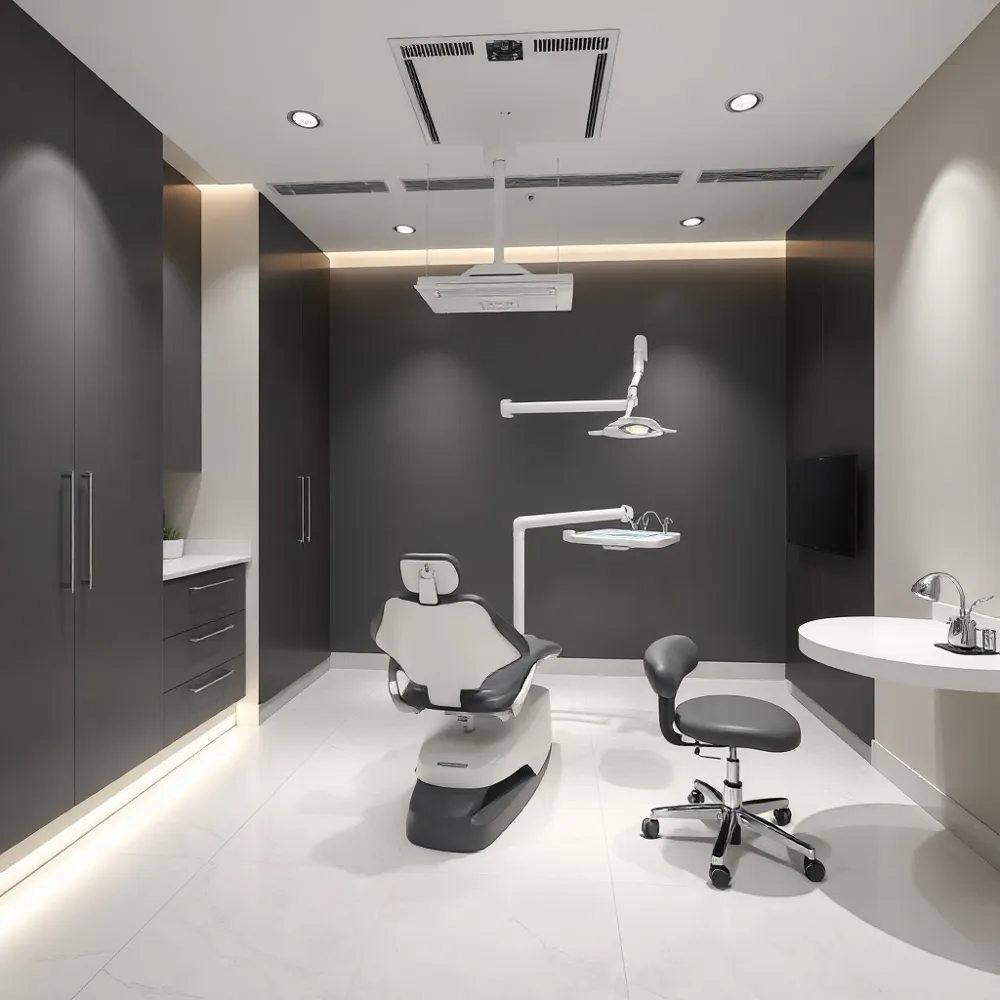 Achieving a radiant smile is only the first step, as the longevity of your dental veneers depends heavily on your daily habits. With proper care, these restorations typically remain durable and aesthetically pleasing for 10 to 15 years. Consistent oral hygiene remains your best defense; brush twice daily with non-abrasive, fluoride-containing toothpaste and commit to daily flossing to prevent decay in the natural tooth structure underneath.
Beyond standard hygiene, protecting your investment requires mindful mechanical care. Avoid using your teeth as tools for opening packages or tearing tags, and refrain from biting directly into hard or crunchy foods like carrots or raw apples. For patients who struggle with bruxism, or teeth grinding, we often recommend a custom night guard to shield the material from unnecessary stress and potential fracturing. At ashleyburnsdds.com, we emphasize these protective measures to ensure your smile remains intact.
While porcelain is naturally resistant to staining, it is not entirely impervious. To preserve that ideal shade, consider limiting your intake of highly pigmented beverages such as coffee, tea, and red wine. Scheduling regular professional dental check-ups every six months allows us to monitor the condition of your veneers and ensure your oral health remains stable. If you have concerns about your current routine, contact our team at ashleyburnsdds.com to discuss how to optimize your long-term results.
Your Smile Transformation Awaits
Selecting dental veneers represents a significant investment in both your aesthetic goals and long-term oral well-being. These custom shells provide a durable, stain-resistant, and natural-looking solution that corrects diverse imperfections through a conservative treatment process.
We invite you to reach out to our office to schedule a consultation with Dr. Ashley E. Burns to explore your personalized dental options in Midland. Taking this first step brings you closer to the radiant, confident smile you deserve.