Why Oral Health Matters at Every Stage of Life
The Importance of Oral Health for Overall Health
Maintaining good oral hygiene is essential not only for a bright smile but also for supporting overall health. Poor oral health is linked to systemic conditions such as heart disease, diabetes, respiratory infections, and pregnancy complications. Effective daily care—brushing twice with fluoride toothpaste and flossing—helps prevent infections and inflammation that could affect the entire body.
Common Oral Issues at Different Ages
Individuals may face unique oral challenges throughout life. Children require early dental care to prevent cavities and promote healthy development. Adults commonly encounter cavities, gum disease, and oral cancers, especially if risk factors like smoking or chronic diseases exist. Older adults often face problems like tooth loss, dry mouth due to medication, and difficulty maintaining hygiene because of physical limitations.
Lifelong Impact of Good Oral Hygiene
Consistent oral care from childhood through older age reduces the risk of dental diseases and associated systemic health problems. Regular dental visits, a balanced diet, and tailored oral care routines support long-term oral health and quality of life. These habits also lower healthcare costs by preventing extensive treatments.
This lifelong approach fosters not only healthy teeth and gums but also contributes positively to overall well-being at every stage of life.
Key Facts on Oral Health and Dental Care
- Starting oral care early with gentle gum cleaning and fluoride toothpaste builds a strong foundation for lifelong dental health.
- Consistent twice-daily brushing with fluoride toothpaste and daily flossing are crucial in preventing cavities and gum disease.
- A balanced diet low in sugary and acidic foods, rich in calcium and fluoride, supports strengthening teeth and gums.
- Regular dental checkups twice a year help prevent issues through professional cleaning and early detection.
- Use of fluoride and sealants reinforces enamel, reduces decay, and protects against cavities, especially in children.
- Avoiding tobacco and limiting alcohol significantly reduces risks of oral diseases and cancers.
- Managing chronic conditions like diabetes and heart disease in tandem with dental care improves overall oral health outcomes.
- Pregnant women should maintain excellent oral hygiene to prevent issues affecting both mother and baby.
- Older adults should address dry mouth and denture care with tailored routines to prevent age-related oral health decline.
- Wearing mouthguards and monitoring for signs of gum disease or oral cancer are key protective measures to preserve oral health.
1. Start Early: Establish Healthy Oral Habits in Infants and Toddlers

Cleaning Baby's Gums Before Teeth Emerge
Good oral health and overall health begins even before a child's first tooth appears. Parents are encouraged to clean their baby's gums gently with a soft, damp cloth after feedings. This practice helps remove bacteria and sugars that could otherwise contribute to early dental issues.
Transition to Soft-Bristled Toothbrush with Fluoride Toothpaste
As soon as the first tooth erupts, usually around six months, caregivers should introduce a small, soft-bristled toothbrush paired with a smear of Using fluoride toothpaste. Using fluoride toothpaste helps strengthen enamel and prevent tooth decay from an early age.
Importance of First Dental Visit by Age One
Scheduling a child’s first dental appointment by their first birthday is crucial. Early visits not only allow dentists to monitor the development of teeth but also help acclimate the child to dental care, making future visits more comfortable and effective. Learn more about First dental visit by first birthday.
Foundation for Lifelong Dental Hygiene Habits
Establishing a routine of Brushing teeth twice a day and beginning to introduce flossing once two teeth touch builds the foundation for healthy habits. Parents’ supervision and encouragement are vital until children can brush proficiently on their own, generally by age seven. Teaching proper techniques and limiting sugary snacks will further support long-term oral health.
2. Consistent Brushing and Flossing: The Cornerstones of Oral Hygiene
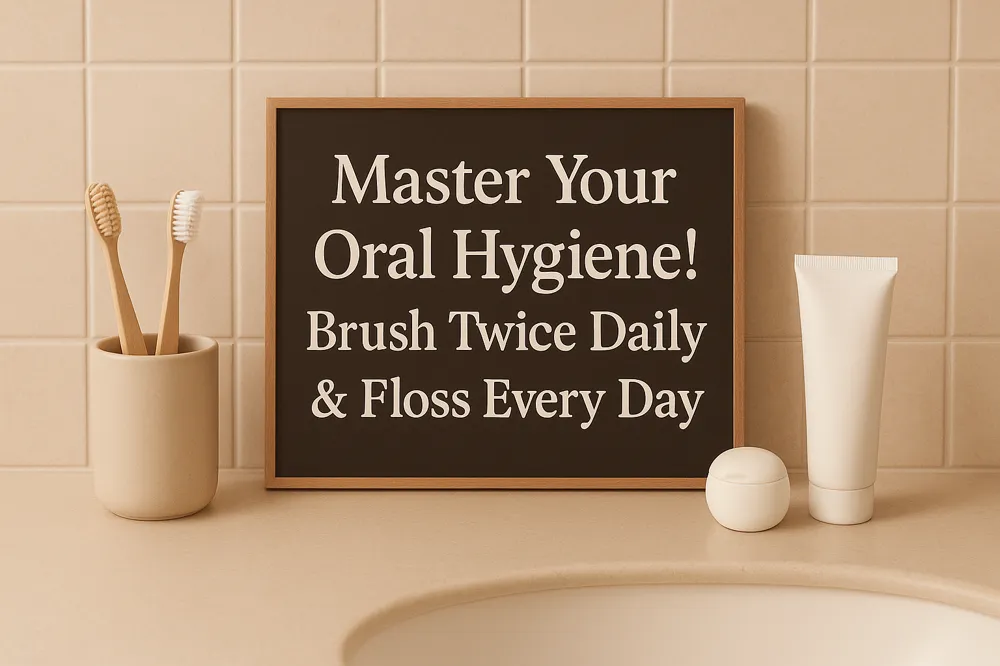
Why is brushing twice daily with fluoride toothpaste important?
Brushing teeth twice a day with fluoride toothpaste is essential for removing plaque and preventing cavities and gum disease. Using fluoride toothpaste helps strengthen tooth enamel, protecting against decay. Dental authorities recommend using a soft-bristled toothbrush for gentle yet effective cleaning.
How should brushing be performed for best results?
To clean your teeth properly, hold your toothbrush at a 45-degree angle to the gums. Use gentle circular or back-and-forth strokes to brush all surfaces of each tooth—outer, inner, and chewing surfaces—for about two minutes. This method helps remove plaque without damaging the gums or enamel.
Why is daily flossing necessary?
Flossing daily removes plaque and food debris from between teeth and along the gumline where a toothbrush cannot reach. Correct flossing involves using about 18 inches of floss, wrapping it around your middle fingers, and sliding it gently in a C-shape around each tooth with up-and-down motions. This prevents gum disease and reduces the risk of cavities.
What about cleaning the tongue?
Brushing your tongue tips with a toothbrush or a tongue scraper reduces bacteria that cause bad breath and contribute to plaque formation. Incorporating tongue cleaning into your routine supports fresher breath and overall oral health.
Maintaining these consistent habits forms the foundation of a healthy mouth and helps prevent dental problems before they develop.
3. Balanced Diet and Hydration: Nutritional Support for Strong Teeth and Gums

Why Limit Sugary and Acidic Foods?
Frequent consumption of sugary and acidic foods can erode tooth enamel and increase the risk of cavities. Sugar feeds harmful bacteria in the mouth, leading to acid production that damages teeth. Limiting intake of candies, sodas, and citrus juices helps protect enamel and maintain strong teeth. For more information, see Limiting sugary foods and drinks.
How Does Calcium Support Oral Health?
Calcium-rich foods such as milk, cheese, yogurt, and leafy greens provide essential minerals for strengthening tooth enamel and bones. Adequate calcium intake supports the structural integrity of teeth and gums, reducing the risk of decay and periodontal disease. Learn more about the Diet for strong teeth.
The Role of Fluoridated Water in Strengthening Teeth
Drinking fluoridated tap water offers continuous protection by enhancing tooth enamel resistance to acid attacks. Community water fluoridation is an effective public health measure to reduce tooth decay across populations. See details on Community water fluoridation benefits.
Why Is Hydration Important for Oral Health?
Hydration helps maintain saliva production, which naturally washes away food particles, neutralizes acids, and controls bacteria. Preventing dry mouth through adequate water intake supports overall oral health and reduces the risk of cavities and gum disease. Read more about Hydration and saliva production.
4. Regular Dental Visits: Prevention and Early Detection at Every Age

Why Are Biannual Dental Checkups Important?
Visiting your dentist twice a year is essential for maintaining optimal oral health guide. These routine appointments allow for professional evaluation and cleaning, helping to prevent the buildup of plaque and tartar that regular brushing and flossing may miss.
What Role Do Professional Cleanings Play?
Professional cleanings remove hardened tartar that cannot be eliminated with standard home care. This process reduces the risk of cavities and gum disease by eliminating bacteria-rich deposits from tooth surfaces and below the gumline, supporting preventing cavities and gum disease.
How Does Early Detection Impact Oral Health?
Regular dental visits enable early identification of issues such as cavities, gum disease, and even oral cancer. Early treatment is less invasive, more effective, and easier on the patient, preventing progression to more serious conditions, as part of Importance of regular dental visits.
Should Dental Visit Frequency Vary for Some Individuals?
While twice-yearly visits are standard, individuals at high risk—such as those with chronic diseases like diabetes, smokers, or pregnant women—may require more frequent checkups. Tailored care plans ensure closer monitoring and timely interventions to protect oral health and overall health.
5. Fluoride and Protective Treatments: Strengthening Teeth Against Decay
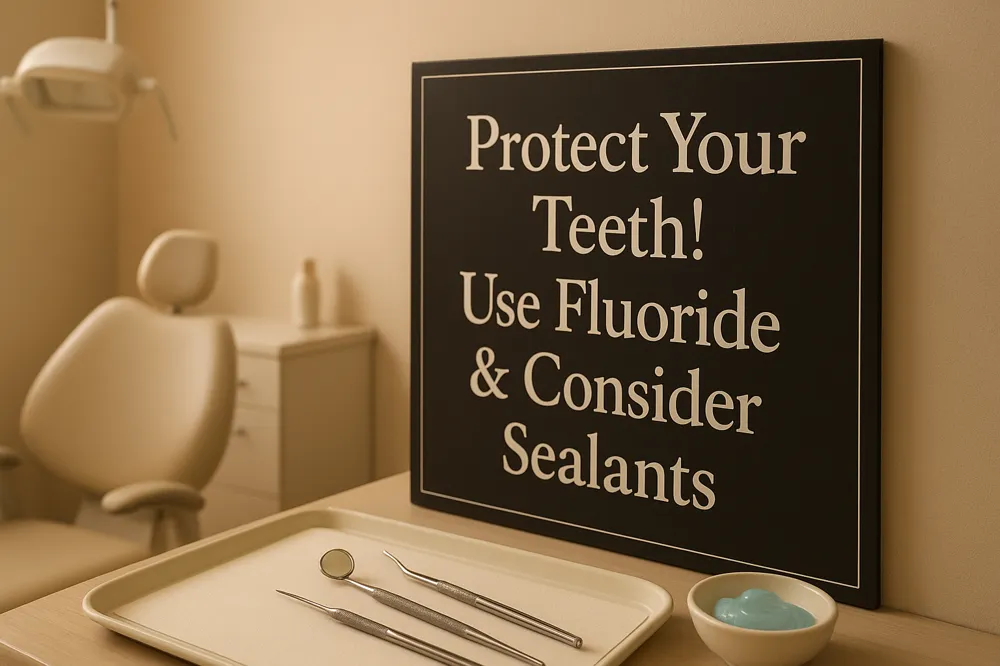
What is the role of fluoride toothpaste and mouthwash?
Daily use of fluoride toothpaste is essential to strengthen tooth enamel and protect against decay. Fluoride helps rebuild weakened enamel and makes teeth more resistant to acid attacks from plaque bacteria and sugars. Using fluoride mouthwash, preferably alcohol-free to avoid dry mouth, complements brushing by reaching areas that brushing might miss and reducing harmful bacteria.
Are professional fluoride treatments recommended for high-risk patients?
Dentists often recommend fluoride treatments for high-risk individuals for cavities, such as those with dry mouth due to medications or chronic conditions. These treatments provide a concentrated dose of fluoride that can reinforce enamel and help arrest early decay, offering additional protection beyond routine home care.
How are dental sealants used, especially in children?
Dental sealants are thin protective coatings applied to the chewing surfaces of back teeth to shield them from cavities. They are particularly effective in children and teenagers to prevent decay in deep pits and fissures where brushing may not fully reach. Sealants act as a physical barrier against plaque and food particles.
What is fluoride's role in remineralization?
Fluoride aids in the remineralization process by attracting minerals like calcium to damaged enamel, reversing early signs of tooth decay. This process helps restore enamel strength before cavities develop. Regular fluoride exposure through toothpaste, mouthwash, professional treatments, and community water fluoridation supports this natural defense mechanism.
Maintaining a consistent fluoride routine enhances oral health by fortifying teeth, preventing cavities, and reducing the need for extensive dental treatments.
6. Avoid Tobacco and Limit Alcohol: Reducing Risks of Oral Diseases and Cancer
How does tobacco affect oral health?
Tobacco use significantly increases the risk of gum disease and oral cancer. Smoking and chewing tobacco introduce harmful chemicals that damage gum tissues and promote cancerous changes in the mouth.
What role does alcohol play in oral health risks?
Alcohol consumption contributes to oral diseases by irritating oral tissues and increasing the risk of mouth cancers. Combined use of tobacco and alcohol effects on oral health further elevates these risks.
Why is HPV vaccination important?
Vaccination against human papillomavirus (HPV) can help prevent certain types of oral and throat cancers caused by this virus, reducing overall oral cancer risks.
What are tips to quit tobacco for better oral health?
- Seek support programs and counseling
- Use nicotine replacement therapies
- Maintain Proper oral hygiene tips to repair damage
- Avoid triggers that encourage tobacco use
- Regular dental visits every six months for early detection and guidance
Avoiding tobacco for oral health and limiting alcohol are essential strategies to protect oral health and reduce the likelihood of serious diseases.
7. Manage Chronic Conditions for Better Oral Outcomes
How do chronic diseases like diabetes, arthritis, and heart disease affect oral health?
Chronic conditions such as diabetes and oral health risks, arthritis, and heart disease increase the risk of oral health problems, including gum disease, tooth loss, and infections. For instance, diabetes can impair the body's ability to fight infections, making gums more susceptible to inflammation and periodontal disease.
How does blood sugar control influence gum disease?
Effective management of blood sugar levels is crucial for controlling gum disease in diabetic patients. Poor blood sugar control can worsen gum inflammation and delay healing, while good control reduces these risks and supports overall oral health.
Why is communicating health conditions to your dentist important?
Informing your dental care provider about any chronic health issues ensures personalized treatment plans that consider your overall health. This communication helps dentists identify potential complications and provide appropriate preventive strategies.
What special dental care considerations exist for immunocompromised patients?
Patients with weakened immune systems need tailored dental care to prevent infections. This includes more frequent dental visits, rigorous oral hygiene, and possibly specialized treatments to manage increased oral health risks.
Maintaining open communication with your dental provider and managing chronic health conditions holistically enhances your oral health outcomes and overall well-being.
8. Special Care for Pregnant Women: Protect Oral Health for Two
Why is there an increased risk of cavities and gum disease during pregnancy?
Pregnancy causes hormonal changes that make gums more susceptible to inflammation, increasing the risk of cavities and gum disease. These oral health challenges in aging arise because heightened hormone levels can alter the body’s response to dental plaque.
How does maternal oral health affect the baby’s health?
Maternal gum disease may have adverse impacts on the baby, including risks such as low birth weight and premature birth. Ensuring good oral health during pregnancy supports both mother and child’s well-being.
Why is maintaining daily oral hygiene and dental visits necessary?
Daily brushing twice a day with fluoride toothpaste and flossing are crucial to prevent plaque buildup and gum inflammation. Regular dental checkups allow safe management of oral health issues and early detection of problems during pregnancy.
What are safe dental practices during pregnancy?
Routine dental care, including cleanings and necessary treatments, is safe during pregnancy, especially in the second trimester. Pregnant women should inform dentists about their pregnancy status so that appropriate care can be provided without risk.
Maintaining vigilant daily oral hygiene practices and professional dental care during pregnancy is vital to protect the health of both mother and baby.
9. Oral Care for Older Adults: Overcoming Age-related Challenges
How does decreased saliva affect oral health and how can dry mouth be managed?
As people age, saliva production often decreases, leading to managing dry mouth. This condition elevates the risk of cavities and gum disease because saliva helps neutralize acids and wash away food particles. Managing dry mouth involves staying well-hydrated by drinking plenty of water, avoiding irritants such as avoiding tobacco for oral health, alcohol, and caffeine, and chewing sugar-free gum to stimulate saliva flow. In some cases, dentists may recommend artificial saliva products.
What are best practices for denture hygiene and maintenance?
Older adults using dentures need to clean them daily using soft brushes and soaking solutions to remove plaque and prevent infections. Dentures should fit properly to avoid sores or irritation, so regular dental checkups for adjustments are important. When not in use, dentures should be kept moist to maintain their shape. For more information, see denture maintenance tips.
How can oral care be adapted for seniors with reduced manual dexterity?
Physical limitations can make brushing and flossing difficult. Adaptations include using electric toothbrushes with timers and floss holders or water flossers that simplify cleaning between teeth. Caregivers can assist with oral hygiene if needed. Learn more about oral care for older adults.
Why are regular dental checkups vital for preventing tooth loss in older adults?
Routine dental visits at least once a year support early detection and treatment of gum disease, cavities, and other oral health problems prevalent in seniors. Professional care helps maintain natural teeth longer and enhances quality of life by preventing tooth loss and related complications. See recommendations on yearly dental visits importance.
Maintaining oral health in older adults requires tailored strategies to address age-related oral health factors, emphasizing hydration, proper denture care, adaptive tools, and regular dental visits for lasting oral wellness.
10. Use Protective Devices and Monitor Oral Health Signs
Why Wear Mouthguards During Sports or Night Grinding?
Wearing a mouthguard is crucial for protecting your teeth during contact sports or if you grind your teeth at night. Mouthguards help prevent injuries like chipped or broken teeth and reduce jaw damage. Custom-fitted guards by dentists offer the best protection and comfort.
How Can You Recognize Signs of Gum Disease and Oral Cancer?
Early signs of gum disease include red, swollen, or bleeding gums, and persistent bad breath. Oral cancer may present as sores, lumps, or unusual patches in the mouth that don't heal. Regular self-checks and dental visits help detect these conditions early.
When Should You Seek Dental Care for Pain, Sensitivity, or Bleeding?
Persistent mouth pain, tooth sensitivity, or bleeding gums should never be ignored. Prompt dental evaluation ensures that underlying problems are identified and treated early, preventing progression and more invasive procedures.
Why Is Early Intervention Important for Oral Health?
Early detection and treatment of oral issues improve outcomes and reduce treatment complexity and costs. Timely care helps preserve natural teeth and maintains overall health, as oral diseases can impact systemic wellbeing.
Maintaining vigilance over oral health signs and using protective devices are essential steps to safeguard your smile and overall health.
Understanding Comprehensive Dental Services in Patient-Centered Care
What comprehensive dental services does a professional dental practice offer to ensure patient-centered care?
A professional dental practice provides a broad spectrum of dental services tailored to the unique needs of each patient. These include:
- Preventive care: Routine exams, cleanings, fluoride treatments, and sealants to prevent tooth decay and gum disease.
- Restorative treatments: Fillings, crowns, bridges, and dental implants to repair or replace damaged or missing teeth.
- Cosmetic procedures: Teeth whitening, veneers, and reshaping to enhance smile aesthetics.
- Orthodontics: Braces and aligners for proper tooth alignment and bite correction.
- Periodontal therapy: Treatment for gum disease such as scaling and root planing.
Central to delivering these services is the principle of patient-centered care. This approach focuses on treating patients with respect, compassion, and effective communication. It involves actively engaging patients in their treatment choices by providing clear, personalized information and honoring their preferences and values.
Dentists and their teams foster an environment of trust by listening attentively and addressing concerns with honesty and dignity. They also commit to ongoing training in communication skills and evidence-based methods to ensure care remains empathetic, individualized, and responsive.
By embracing PCC, dental practices enhance patient satisfaction, promote better adherence to treatment plans, and achieve improved oral and overall health outcomes.
Enhancing Dental Treatment Experience through Patient-Centered Care
How does patient-centered care enhance the dental treatment experience?
patient-centered care (PCC) transforms the dental treatment experience by focusing on the unique preferences, needs, and values of each patient. This personalized approach fosters trust and strong communication between patients and their dental providers. When patients feel heard and respected, they are more likely to engage openly and confidently in discussions about their treatment plans.
Shared decision-making is a central element of PCC, where dental professionals and patients collaborate to choose treatments that align with individual goals and lifestyles. This collaborative process not only improves patient satisfaction but also strengthens adherence to recommended care, enhancing overall oral health benefits.
By tailoring treatments to the patient's medical history, cultural background, and personal circumstances, dentists can deliver care that is both effective and comfortable. This customization helps in reducing dental anxiety, a common barrier to care, by creating a supportive and reassuring environment.
Overall, patient-centered care promotes a positive dental visit experience and builds long-term trust, encouraging patients to maintain good oral hygiene and attend regular checkups, which are vital for preventing cavities and gum disease and ensuring sustained oral health.
Common Dental Procedures for Maintaining Oral Health and Hygiene
What dental procedures are commonly used to maintain oral health and hygiene?
Proper oral health maintenance involves a combination of professional dental care and consistent daily home care.
Routine cleanings are essential preventative procedures where dental hygienists remove plaque and tartar from the teeth to prevent cavities and gum disease. These cleanings typically occur every six months.
Fluoride treatments help strengthen tooth enamel, making teeth more resistant to decay. These treatments can be especially beneficial for children or adults at higher risk of cavities.
Dental sealants act as protective coatings applied to the chewing surfaces of molars. Sealants prevent bacteria from settling in grooves and fissures, reducing the risk of cavities.
When decay or damage occurs, restorative treatments are necessary. Fillings repair cavities by removing decay and filling the space. Crowns restore severely damaged or weakened teeth by covering them entirely, while root canal therapy treats infection inside the tooth’s pulp, preserving the natural tooth.
Orthodontic corrections, such as braces or clear aligners, help adjust misaligned teeth and improve bite function, contributing to better oral hygiene and overall oral health.
Combining these professional procedures with daily oral hygiene routines—brushing twice daily with fluoride toothpaste, flossing once daily, and using mouthwash—ensures effective plaque control and long-term dental health.
Regular dental visits for exams and cleanings are vital for early detection and treatment of oral health problems, maintaining a healthy smile throughout life.
Commit to Lifelong Oral Health with These Essential Tips
Consistent Care at Every Age
Maintaining good oral health is vital throughout life. Starting with gentle cleaning in infancy, progressing to twice-daily brushing and daily flossing in childhood, and continuing with regular dental visits as adults and seniors ensures strong teeth and gums.
Benefits of Prevention and Early Treatment
Preventive practices like fluoride use, balanced nutrition, and professional cleanings reduce risks of cavities, gum disease, and oral cancer. Early diagnosis through routine exams allows timely treatment, avoiding complex procedures and promoting overall health.
Partnering with Dental Professionals
Collaborate with your dentist to develop personalized oral care plans tailored to your health status and life stage. Regular check-ups provide guidance on techniques and treatments, helping you maintain a healthy smile and prevent complications related to chronic conditions or aging.