Why Implant‑Supported Dentures Matter for Your Smile
Implant‑supported dentures are a hybrid solution that combines the stability of dental implants with the convenience of a full‑arch prosthesis. Small titanium posts are surgically placed into the jawbone, where they fuse through osseointegration and act as artificial tooth roots. A custom‑fabricated denture then snaps onto these posts, eliminating the slipping and sore spots common with traditional, gum‑resting dentures. Because the implants stimulate bone, they prevent the resorption that leads to facial sagging and loss of bite force. Over time, this preservation of bone and the durable, adhesive‑free fit improve chewing efficiency, speech clarity, and overall oral health, offering a lasting, confidence‑boosting restoration.
Key Advantages and Considerations of Implant‑Supported Dentures
- Implant‑supported dentures are anchored to titanium posts that fuse with the jawbone, eliminating slipping and wobbling common with conventional removable dentures.
- They can restore up to 90 % of natural bite force, far higher than the 20‑30 % typically achieved with regular dentures, allowing patients to eat tougher foods comfortably.
- The direct anchorage provides mechanical stimulation to the jawbone, preventing bone resorption and helping maintain facial contours and a youthful appearance.
- Custom‑fabricated implant dentures match natural tooth shape, size, and shade, offering a lifelike smile that improves speech clarity and self‑esteem.
- Implant foundations can last a lifetime, while the denture portion usually needs replacement only every 15‑20 years, making them more cost‑effective over the long term.
- Secure fit eliminates the need for denture adhesives, reducing gum irritation and the risk of denture‑related stomatitis.
- Many implant‑supported denture systems are removable for nighttime cleaning, allowing simple oral hygiene that keeps plaque and debris away from the prosthesis.
- Typical upfront costs range from $8,000–$16,000 for snap‑in overdentures to $20,000–$40,000 for fixed implant dentures per arch, but long‑term maintenance expenses are lower than those of traditional dentures.
- The newest denture technology is 3D‑printed dentures, which use CAD/CAM workflows for a precise, same‑day fit and reduced material waste.
- Patient experiences often highlight rapid adaptation to stability, improved nutrition, and enhanced quality of life, though they must consider surgical healing time and possible bone grafting.
1️⃣ Superior Stability and Comfort
 Implant‑supported dentures are anchored to titanium posts that are surgically placed into the jawbone, creating a secure foundation that mimics natural tooth roots. This direct attachment eliminates the common slipping and wobbling seen with conventional removable dentures, so patients no longer experience sore spots or the need for denture adhesives. Because the prosthesis stays firmly in place, users enjoy uninterrupted confidence while eating, speaking, and laughing—there’s no fear of the denture shifting or falling out during everyday activities. The stable fit also distributes biting forces evenly, reducing gum irritation and providing a comfortable, natural‑feeling experience that closely resembles having real teeth.
2️⃣ Enhanced Chewing Efficiency
 Implant‑supported dentures are anchored to titanium posts that fuse with the jawbone, allowing the prosthesis to restore up to 90 % of natural bite force—far higher than the 20‑30 % typically achieved with conventional dentures. This stability lets patients bite into tougher foods such as raw vegetables, steak, or crunchy fruits without the fear of slipping or sore spots. By expanding the range of foods that can be comfortably eaten, implant‑supported dentures promote a more varied, nutrient‑dense diet, supporting better overall health and reducing the risk of nutritional deficiencies that often accompany traditional denture use.
3️⃣ Jawbone Preservation and Facial Structure
 Implant‑supported dentures are secured to titanium posts that fuse with the jawbone through osseointegration. This direct anchorage mimics natural tooth roots, sending regular mechanical stimulation to the surrounding bone. That stimulation prevents the bone resorption that typically follows tooth loss, helping to maintain the volume and density of the jaw. By preserving bone height, the denture also supports the overlying soft tissues, keeping facial contours youthful and preventing the sunken‑chin appearance that often accompanies conventional dentures. In short, the implants protect both the skeletal foundation and the outward look of the face, delivering long‑term functional and aesthetic benefits.
4️⃣ Natural Appearance and Improved Speech
 Implant‑supported dentures are custom‑fabricated to match the patient’s natural tooth shape, size, and shade, creating a seamless, lifelike smile. Because the denture is securely anchored to titanium implants that fuse with the jawbone, it remains stable during everyday activities, eliminating the clicking, slipping, or mumbling that often accompany conventional removable dentures. This secure, natural‑looking restoration not only improves speech clarity but also boosts self‑esteem, allowing patients to speak, laugh, and socialize with confidence knowing their smile looks and feels authentic.
5️⃣ Long‑Term Durability and Cost‑Effectiveness
 Implant‑supported dentures are anchored to titanium posts that fuse with the jawbone, giving the implants a life‑span that can last a lifetime when proper oral hygiene and regular check‑ups are maintained. The denture portion, however, typically needs replacement only every 15‑20 years, far longer than the 5‑10‑year turnover of conventional dentures. Because the prosthesis is fixed to stable implants, patients experience far fewer relines, adjustments, or adhesive‑related repairs, which translates into lower cumulative costs over decades. This combination of a permanent implant foundation and a durable denture base makes implant‑supported dentures a cost‑effective, long‑term solution for restoring function and confidence.
6️⃣ Increased Confidence and Quality of Life
 Implant‑supported dentures give patients peace of mind while eating, laughing, and speaking because the prosthesis is securely anchored to titanium implants and does not slip or shift. This stability eliminates the need for adhesives and removes the fear of a denture moving mid‑conversation or during a bite, allowing natural, confident speech and unrestricted enjoyment of favorite foods. As a result, social interactions become more relaxed—patients can engage in meals, gatherings, and public speaking without self‑consciousness. The cumulative effect is a noticeable boost in daily happiness and self‑esteem, as the secure, natural‑looking smile supports a more active, socially‑rich lifestyle.
7️⃣ Simple Maintenance and Oral Hygiene
 Many systems are designed to be removable for nighttime cleaning. After dinner, the denture can be unsnapped and taken out, allowing you to brush the acrylic base, the metal framework, and the implant abutments separately before storing the prosthesis in a water‑based cleaner or a simple water rinse overnight. This removable feature makes oral hygiene straightforward and helps keep plaque and food debris from accumulating under the prosthesis.
The secure, bone‑supported fit also reduces the pressure points that cause sore spots with conventional dentures. By eliminating the constant movement and friction against the soft tissues, implant‑supported dentures lower the risk of gum irritation, inflammation, and denture‑related stomatitis. Regular professional cleanings every six months, combined with diligent daily brushing and flossing, keep the implants healthy and the surrounding oral tissues free of infection, ensuring long‑term comfort and function.
Cost Considerations for Dentures and Implants
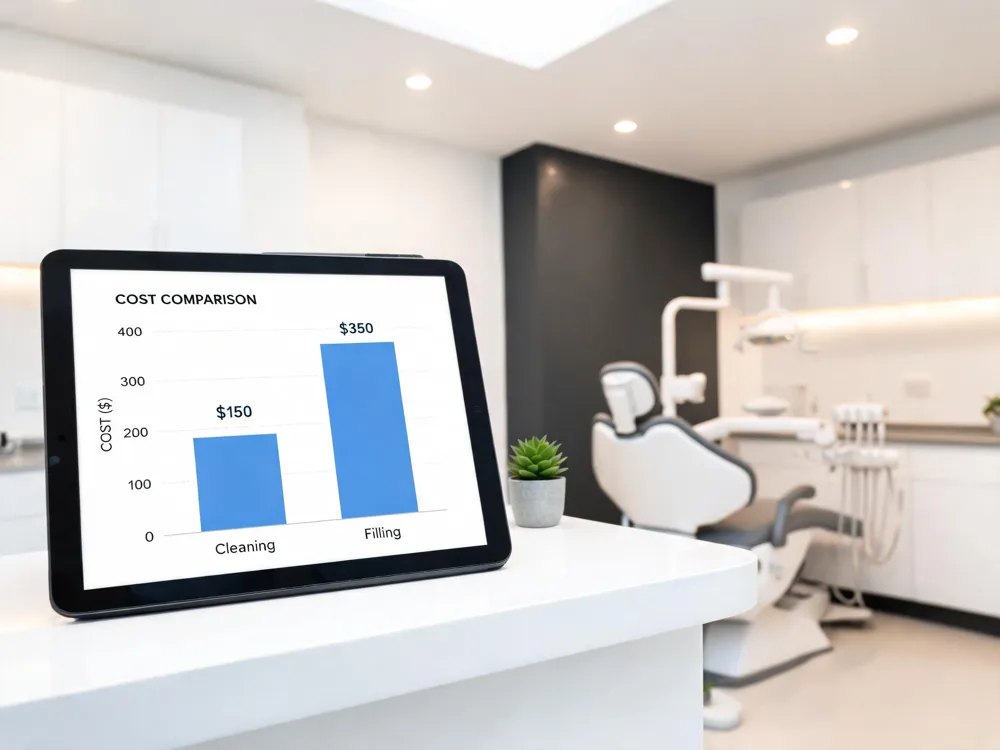
Dentures vs implants cost: What's the real difference in overall investment?
Traditional dentures cost less upfront—between $1,000 and $5,000. A single implant ranges from $3,000 to $5,000, and a full‑arch implant solution runs $20,000 to $50,000. However, dentures require relining every two years and replacement every 5–7 years, adding thousands in recurring expenses. Over ten years, denture maintenance can total $6,000–$17,500, whereas implant aftercare costs only $1,000–$2,000. Implants also prevent bone loss and often last a lifetime with proper care.
Fixed implant dentures cost: What can you expect for a permanent full‑arch restoration?
Fixed implant dentures typically cost $20,000 to $40,000 per arch, depending on the number of implants and materials. Some providers offer lower‑cost solutions starting around $12,995 per arch. Factors like the type of implant system, the need for bone grafting, and customization of the prosthetic all influence the final price. A precise estimate from your local dentist is essential.
How much does a full set of implant‑supported dentures cost?
The cost for a full set of implant‑supported dentures typically ranges from $15,000 to $30,000 per arch, with both arches potentially exceeding $50,000. National averages vary by state; for example, Texas averages around $12,465 per arch. Additional procedures like tooth extractions, bone grafts, or sinus lifts often raise the total cost. Insurance rarely covers the full expense, but financing options such as CareCredit or in‑house payment plans can make treatment more manageable.
How much do snap‑in denture implants cost?
Snap‑in denture implants (overdentures) typically cost $2,000–$4,000 per implant. A full arch supported by two to four implants ranges from $8,000–$16,000 nationally—often not including the denture itself. Some providers offer all‑inclusive packages, such as $8,999 per arch for four implants, a custom denture, abutments, sedation, and follow‑up care. Lower quotes may only cover two implants or exclude essential components, so be sure to ask what is included. Overall, the investment is higher than traditional dentures but provides greater stability, comfort, and chewing ability.
Cost comparison: Traditional dentures vs. implant options
The table below summarizes typical upfront costs and long‑term expenses for each tooth‑replacement option.
| Option | Upfront Cost (per arch) | Long‑Term Maintenance | Lifespan | Additional Considerations |
|---|---|---|---|---|
| Traditional dentures | $1,000–$5,000 | Relining every 2 years, replacement every 5–7 years; total $6,000–$17,500 over 10 years | 5–7 years | May require adhesives; can cause bone loss and gum irritation |
| Single implant | $3,000–$5,000 | Routine check‑ups and cleaning; minimal maintenance | Implants last a lifetime | Replaces a single missing tooth |
| Full‑arch implant dentures (snap‑in) | $8,000–$16,000+ | Replace denture portion every 10–20 years; locator replacements | Implants last a lifetime | Provides snap‑on stability; removable for cleaning |
| Fixed implant dentures | $20,000–$40,000 | Professional cleaning; rare adjustments | Implants last a lifetime | Cemented or screw‑retained; feels like natural teeth |
Choosing between dentures and implants depends on your budget, long‑term oral health goals, and personal preferences. While implants have a higher upfront cost, they often prove more economical over time due to fewer replacements and better preservation of jawbone integrity.
Types, Features, and Practical Guidance
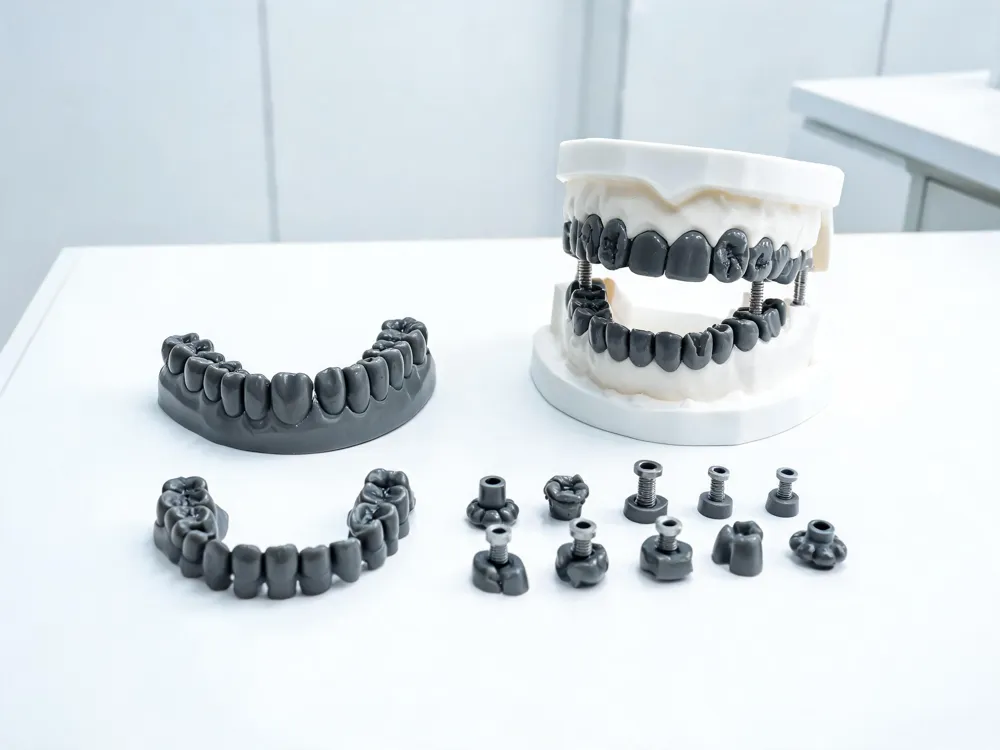 Newest denture technology – The cutting‑edge innovation is 3D‑printed dentures. Using CAD/CAM workflows, each denture is designed from a digital scan and printed layer‑by‑layer, delivering a precise fit in a single day and minimizing material waste. While 3D printing is still emerging, it sits alongside other advances such as flexible, minimally invasive, and implant‑anchored overdentures.
Removable vs. permanent options – Traditional full or partial dentures are always removable; they must be taken out for nightly cleaning. In contrast, implant‑supported dentures can be either removable (bar‑ or ball‑retained overdentures that snap onto 2‑4 titanium implants) or permanently fixed (screw‑retained or bonded prostheses). Fixed designs offer a “never‑out‑of‑place” feel but require a dentist for removal, whereas removable overdentures give patients the hygiene convenience of taking the prosthesis out each day.
Patient experiences and practical tips – Most patients report that the biggest surprise is how quickly they adapt to the new stability; speech and chewing improve within a few weeks. Key tips include:
- Follow the surgeon’s healing timeline (typically 3–6 months for osseointegration).
- Maintain daily brushing and flossing around the implants, treating them like natural teeth.
- Schedule bi‑annual check‑ups to monitor bone health and attachment wear.
- Choose a reputable provider who can explain the full treatment plan—many wish they had known the multi‑step timeline and long‑term value of implants upfront.
Quick Q&A
- What is the newest type of dentures? 3D‑printed dentures, offering digital precision and same‑day delivery.
- Permanent dentures without implants? None exist; all non‑implant dentures are removable.
- Are implant‑supported dentures removable? Yes—overdentures snap onto implants, while fixed options are permanent.
- What I wish I knew before dental implants? The multi‑month healing period, manageable discomfort, simple daily care, and the importance of an experienced clinician are essential expectations.
Nutrition, Lifestyle, and Pros & Cons
 Overall, the pros of implant‑supported dentures include superior stability, enhanced speech clarity, preservation of facial structure, and long‑term durability. The cons involve a higher initial expense, a surgical procedure with possible bone grafting, and a longer treatment timeline. Potential risks such as infection, implant failure, or nerve irritation exist but are rare when performed by experienced clinicians. Patients should weigh these factors alongside personal preferences and health considerations when deciding on the best restorative solution.
Your Path to a Healthier, More Confident Smile
Implant‑supported dentures give lasting stability, preserve jawbone density, and restore natural chewing and speech—benefits that can last a lifetime with proper care. Their custom‑fabricated appearance boosts confidence while daily brushing and regular check‑ups keep oral health optimal. Ready to experience these long‑term advantages? Schedule a personalized consultation to evaluate your candidacy and discuss a treatment plan tailored to your goals. Dr. Ashley Burns, DDS provides expert implant‑supported denture care in Midland, TX, combining advanced technology with compassionate, patient‑focused service.