Introduction to Teeth Whitening
Understanding Teeth Whitening
Teeth whitening is a cosmetic dental procedure designed to lighten the natural color of teeth and remove stains and discoloration. Its primary purpose is to enhance the appearance of a smile, boosting confidence and promoting a youthful, vibrant look.
Common Causes of Tooth Discoloration
Tooth discoloration results from various factors. Extrinsic stains are caused by lifestyle habits such as consuming dark-colored beverages like coffee, tea, red wine, smoking, and poor oral hygiene. Intrinsic stains originate within the tooth due to aging, exposure to medications (e.g., antibiotics), excessive fluoride intake, trauma, or medical treatments like chemotherapy.
Whitening Agents and Safety Overview
The main active ingredients in teeth whitening are hydrogen peroxide and carbamide peroxide. These agents work by penetrating the tooth enamel and oxidizing stain-causing compounds, effectively breaking them down for a brighter smile. Professional treatments utilize higher concentrations under dental supervision, making them both more effective and safer than over-the-counter options. Common side effects such as temporary tooth sensitivity and gum irritation are usually mild and manageable, especially when applications follow recommended guidelines and professional advice.
Benefits of Teeth Whitening for Your Smile and Confidence

What are the benefits of teeth whitening?
Teeth whitening offers significant aesthetic improvements, brightening your smile and enhancing your overall appearance. This boost in smile brightness often leads to increased self-esteem and confidence, helping individuals feel more comfortable in social and professional settings. A whiter smile can also make you appear more youthful and vibrant (Benefits of Teeth Whitening).
The procedure effectively removes stains caused by common lifestyle factors including coffee, tea, wine, smoking, and certain medications, as well as natural aging that thins enamel to reveal yellower dentin underneath. By targeting these extrinsic and some intrinsic stains, teeth whitening restores a healthier, cleaner look to your teeth (Complete Guide to Teeth Whitening).
Beyond cosmetic benefits, professional whitening treatments can contribute to oral health by reducing bacteria responsible for gum disease and tooth decay. This adds an extra layer of cleanliness and freshness to your mouth (Benefits of Teeth Whitening.
Professional treatments, such as in-office whitening or dentist-supervised take-home kits, provide customized care tailored to individual needs. These methods tend to deliver faster, longer-lasting, and safer results compared to over-the-counter products (Professional teeth whitening benefits). Although temporary sensitivity or mild gum irritation may occur, these side effects usually resolve quickly and can be minimized with proper use and desensitizing products (Side Effects of Teeth Whitening).
Overall, teeth whitening not only improves dental aesthetics but also positively influences confidence and social interactions, making it a popular and valuable cosmetic dental procedure (Benefits of Teeth Whitening).
Professional Teeth Whitening: Methods, Materials, and Safety
What do professionals use to whiten teeth?
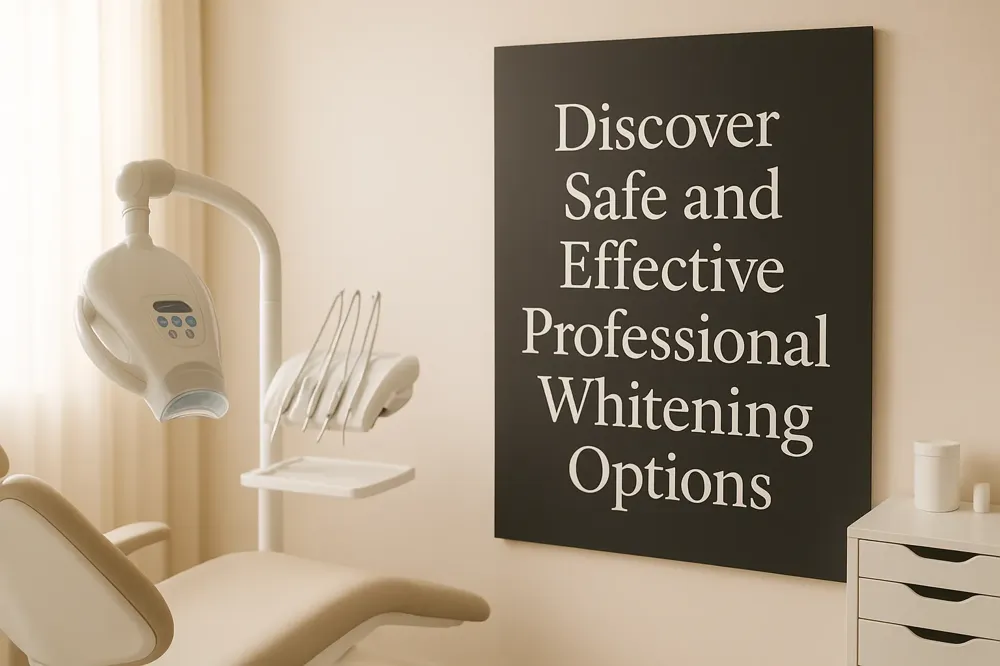
Professional teeth whitening primarily involves the use of high-concentration agents such as hydrogen peroxide and carbamide peroxide. These bleaching agents chemically break down stain molecules embedded in the enamel, resulting in a visibly lighter and brighter smile. Dentists prefer these products because they penetrate deeper than typical over-the-counter options, providing faster and more significant whitening effects (Complete Guide to Teeth Whitening.
In-office treatments: Laser and LED whitening
In-office whitening procedures offer rapid results often within 30 to 60 minutes during a single visit. Treatments like laser whitening combine the application of bleaching gel with laser light activation to accelerate stain breakdown. Similarly, LED whitening uses a blue light to enhance the action of the peroxide gel. These advanced technologies not only speed up the whitening process but also promote more uniform shade improvement across all teeth (Professional teeth whitening benefits.
Customized take-home kits and their advantages
Dentists also provide custom-tailored take-home whitening kits. These kits include professionally made trays fitted precisely to an individual's dental shape and professional-grade bleaching gels with a controlled concentration of peroxide. The customization ensures an even distribution of gel, maximizing comfort and whitening efficiency. This approach offers patients convenient and gradual whitening at home, supplemented by professional guidance to monitor progress (At-Home Whitening Kits, Custom trays by a dentist).
Safety protocols and side effect management
Professional whitening procedures are conducted under strict supervision to minimize adverse effects. Before treatment, dentists assess oral health to ensure suitability, professionally clean the teeth, and apply protective barriers to the gums to prevent irritation. Temporary tooth sensitivity and minor gum irritation are common but typically resolve soon after treatment. Dentists may also recommend desensitizing toothpaste and provide post-whitening care instructions to maintain results safely (Safety and side effects of teeth whitening, Tooth sensitivity and gum irritation, Side Effects of Teeth Whitening.
| Aspect | Description | Benefit |
|---|---|---|
| Whitening Agents | Hydrogen peroxide, Carbamide peroxide | Deep stain removal and faster results |
| In-office Technologies | Laser, LED light activation | Accelerated, uniform whitening |
| Take-home Kits | Custom-fitted trays, professional gels | Convenience, personalized and effective use |
| Safety Measures | Oral health evaluation, gum protection, post-care advice | Minimizes sensitivity and irritation |
Exploring Different Professional Whitening Techniques
What are the different professional teeth whitening methods?
Professional teeth whitening options encompass a range of effective treatments tailored to individual needs. In-office whitening treatments, such as laser whitening with carbamide peroxide (for example, Philips Zoom! laser whitening), utilize high-concentration peroxide gels activated by laser or LED light. These treatments typically take about 30 to 60 minutes and can lighten teeth by up to eight shades, producing rapid and dramatic results for surface and some intrinsic stains. Such sessions are overseen by dental professionals to maximize safety and efficacy.
Customized take-home whitening kits are another preferred option, providing patients with custom-fitted trays and professional-strength peroxide gels. These are worn for a few hours daily or overnight over several weeks, resulting in gradual but significant whitening. These kits offer the flexibility of home use with results often surpassing those of over-the-counter whitening products.
For cases where staining is resistant or teeth are severely discolored, permanent restorative options like porcelain veneers vs crowns may be recommended. These solutions can last 15 years or more and provide an aesthetically consistent, bright smile by covering the natural teeth.
Is laser or gel whitening better?
Laser whitening and gel whitening each have unique advantages. Laser whitening provides faster results, often completing treatment in a single session of one to two hours, making it ideal for those seeking immediate smile enhancement. This method uses a powerful bleaching agent combined with light activation to accelerate stain breakdown.
Conversely, gel whitening, delivered via custom trays for at-home use, is a slower but effective process. It requires consistent application over weeks, allowing gradual lightening with less risk of sensitivity spikes. This approach suits patients preferring a more flexible schedule or who want to maintain whitening long-term with touch-ups.
Ultimately, both methods are safe and effective under professional supervision. The choice depends on personal preferences, time availability, budget, and the current condition of the teeth. Consultation with a dental professional ensures a treatment plan is customized for optimal results.
At-Home Teeth Whitening Options: What’s Available and Safe?
What types of teeth whitening methods are available for at-home use?
At-home teeth whitening offers several convenient options, ranging from over-the-counter whitening products to dentist-prescribed kits. The most common over-the-counter (OTC) items include whitening strips, gels applied with trays, and whitening toothpastes. These products usually contain hydrogen peroxide or carbamide peroxide, which work by breaking down stains on the teeth, albeit with lower concentrations than professional treatments.
Whitening strips are flexible plastic strips coated with peroxide gel that users apply directly to their teeth for about 30 minutes to an hour daily, typically for two weeks. Though effective for surface stains, they can cause gum irritation if misused.
Whitening toothpaste incorporates mild abrasives and low-level peroxide to polish teeth and reduce surface stains but generally requires consistent use over a longer time to notice results.
Dentist-prescribed custom whitening trays provide a tailored fit and use professional-grade peroxide gels with controlled concentrations, allowing for safer and usually more effective whitening over days or weeks compared to OTC products.
Natural remedies like oil pulling, activated charcoal, and certain acidic fruits are popular but lack strong scientific support. Moreover, some natural methods may abrade enamel or increase sensitivity, so they should be used cautiously (Ultimate Guide to Teeth Whitening).
Are teeth whitening strips safe, especially for children?
Whitening strips are generally designed for adults and are not recommended for children under 15 due to insufficient research on their safety and efficacy in younger populations. While fluoride treatments are safe for children to help strengthen enamel and prevent decay, these do not replace whitening agents found in strips.
Parents should consult a dentist before allowing children to use any whitening products to ensure their safety, given the potential risks of gum irritation and enamel damage if products are misapplied (Teeth Whitening at Johns Hopkins Medicine.
Why is dentist consultation important before starting at-home whitening?
Consulting a dental professional is crucial before beginning any at-home whitening treatment. Dentists can assess oral health status to rule out conditions like cavities, gum disease, or enamel wear that could worsen with whitening (Professional teeth whitening benefits).
They can also recommend the most suitable whitening method, considering the type of stains and the patient's sensitivity levels. This guidance reduces risks such as gum irritation and tooth sensitivity, and ensures optimal, safe results (Safest ways to whiten your teeth.
Dentist supervision provides peace of mind and support, particularly if you use custom whitening trays or stronger bleaching agents at home.
| Whitening Method | Description | Safety and Effectiveness |
|---|---|---|
| Whitening Strips | Plastic strips with peroxide gel | Effective for surface stains; may irritate gums if overused; not for children under 15 (Safe teeth whitening methods |
| Whitening Gels with Trays | Peroxide gel applied with trays | Dentist-prescribed trays offer safer, custom fit; effective and controlled whitening (Professional teeth whitening treatments) |
| Whitening Toothpastes | Mild abrasives with low-level peroxide | Gradual stain removal; minimal risk; requires consistency (Whitening toothpaste and mouthwash |
| Natural Remedies | Oil pulling, charcoal, acidic fruits | Limited evidence; risk of enamel damage or sensitivity if improperly used (Teeth whitening myths |
Choosing the right at-home teeth whitening method involves balancing effectiveness, safety, and personal dental conditions—all best navigated with professional dental advice (Complete Guide to Teeth Whitening.
Advantages and Disadvantages of Teeth Whitening Treatments
What are the advantages and disadvantages of teeth whitening?
Teeth whitening significantly enhances the appearance of your smile, providing a boost to self-confidence and positively affecting social and professional interactions. A whiter, brighter smile can help individuals feel more comfortable and attractive, which many find beneficial for overall well-being. Teeth whitening treatments can be done professionally in a dental office using high-concentration bleaching agents or at home with various products such as gels, strips, and rinses. Professional teeth whitening treatments ensure treatments are tailored for maximum safety and effectiveness.
However, teeth whitening does have some disadvantages to consider. Temporary side effects are common and primarily include tooth sensitivity and gum irritation. These symptoms usually fade within a few days after treatment, especially if the whitening trays are properly fitted and the products are used as directed. Improper use or excessive whitening may harm enamel integrity, leading to increased sensitivity and potential roughening of tooth surfaces. Additionally, aggressive bleaching can cause undesirable color changes or damage to existing dental restorations like crowns, veneers, or fillings. Risks of tooth whitening underscore the importance of dental supervision.
The risks associated with whitening underscore the importance of dental supervision. Dentists can evaluate oral health before treatment to identify any contraindications, customize the whitening process, and minimize potential adverse effects. They also provide protective measures during in-office treatments and recommend safe product use for at-home care. Dental evaluations and customized treatment plans improve safety and outcomes.
In summary, teeth whitening is a widely sought and effective cosmetic procedure that, when guided by dental professionals, offers substantial aesthetic and psychological benefits with manageable risks. Learn more about the benefits and expectations of teeth whitening.
Understanding the Costs and Longevity of Whitening Treatments

What is the typical cost of professional teeth whitening?
Professional teeth whitening costs in the United States generally range from $300 to $1,500 per session. In-office treatments, including popular methods like Zoom WhiteSpeed in-office whitening and Laser whitening with carbamide peroxide, cost between $500 and $1,000. These procedures deliver rapid and significant whitening—often several shades lighter in 60 to 90 minutes—and results typically last from six months up to two years (Teeth Whitening Overview).
Dentist-prescribed at-home whitening kits usually cost between $100 and $600. These kits involve custom-made trays and professional-strength gels. The results are less immediate but can last around 4 to 6 months with proper use (Professional teeth whitening treatments.
Over-the-counter whitening products are the most economical option, priced roughly from $1 to $55. These include whitening toothpastes, strips, and gels. While more affordable and convenient, they mainly remove surface stains and their effects are more temporary compared to professional treatments (Teeth Whitening Overview).
What factors influence the duration of whitening effects?
Several variables impact how long whitening results last:
- Initial stain type and severity: Extrinsic stains from coffee, tea, or smoking tend to respond well, while intrinsic stains from aging or medications require more intensive treatments (Teeth Whitening Overview).
- Oral hygiene habits: Regular brushing, flossing, and professional cleanings help maintain whiteness (Oral Hygiene and Whitening.
- Lifestyle choices: Avoiding staining foods and drinks, tobacco use, and employing preventive practices like using a straw can extend results (Ultimate Guide to Teeth Whitening.
- Maintenance strategies: Scheduled touch-ups with at-home kits or professional treatments can preserve whiteness longer (Teeth Whitening Results Duration.
What maintenance and touch-up strategies are recommended?
Post-whitening care is crucial for lasting effects. Dentists often recommend:
- Using whitening toothpaste or mouthwash to prevent stain buildup (Whitening toothpaste and mouthwash.
- Avoiding or limiting consumption of stain-causing items like coffee, red wine, and tobacco (Causes of tooth discoloration.
- Scheduling periodic touch-ups, which might include custom tray treatments or professional refresh sessions every 6 to 12 months (Maintaining Whitening Results.
- Maintaining good oral hygiene and regular dental visits (Oral hygiene and whitening.
By investing in professional whitening and following these maintenance practices, patients can enjoy brighter, longer-lasting smiles with minimized side effects (Side Effects of Teeth Whitening).
Maintaining Your Whitened Smile: Tips for Long-Lasting Results
Why Is Oral Hygiene Important After Whitening?
Maintaining good oral hygiene and whitening is essential to prolong the effects of teeth whitening. Regular brushing and flossing help remove plaque and surface stains, preventing discoloration caused by bacteria buildup. Avoiding tobacco and staining foods such as coffee, tea, red wine, and soda also supports a brighter smile.
How Can Whitening Toothpaste and Dental Visits Help?
Using whitening toothpaste and mouthwash formulated with mild abrasives and low-level bleaching agents can help maintain whitening results by gently polishing teeth and reducing new stains. Routine dental check-ups and professional cleanings also remove tartar and freshen your smile, protecting against staining and dental issues.
How Do Lifestyle Factors Affect Whitening Results?
Lifestyle choices like smoking and diet have a significant impact on how long whitened teeth stay bright. Tobacco use and frequent consumption of dark-colored beverages contribute to quicker re-staining and discoloration. Moderation and mindful habits are important to keep teeth looking their best, as explained in the Causes of teeth discoloration section.
What Is the Role of Periodic Touch-Ups?
Professional whitening effects are not permanent and typically last several months to over a year. Periodic touch-up treatments, either with dentist-provided at-home kits or occasional in-office sessions, help sustain brightness. Scheduled maintenance combined with proper care maximizes the longevity of your whitened smile, following guidance on Maintaining Whitening Results.
Summing Up the Path to a Brighter Smile
Understanding Safe and Effective Teeth Whitening Practices
Teeth whitening, while widely popular, requires careful attention to safety and effectiveness. Using bleaching agents such as hydrogen peroxide or carbamide peroxide under professional guidance ensures optimal results with minimal risks like sensitivity or gum irritation.
The Role of Professional Care
Professional whitening treatments—whether in-office or dentist-supervised at-home kits—offer higher concentrations of whitening agents safely applied, delivering faster and longer-lasting effects than over-the-counter products. Dentists assess individual oral health before treatment, tailoring whitening plans to each patient and monitoring the process to avoid complications.
Why Consultation Matters
Consulting with a dental professional is essential before starting any whitening regimen. Personalized evaluations and custom treatment plans ensure safety, maximize effectiveness, and provide support for maintaining results.
Choosing professional guidance invites a confident, brighter smile achieved through trusted care and proven treatments.