Introduction to Implant-Supported Dentures
What Are Implant-Supported Dentures?
Implant-supported dentures are a type of dental prosthesis designed to replace missing teeth by anchoring to titanium implants surgically embedded in the jawbone. These dental implants act like natural tooth roots, providing a stable and secure foundation for the dentures. Unlike traditional dentures, which rest on the gums and rely on adhesives or suction, implant-supported dentures are firmly attached, greatly enhancing their stability.
How Do They Differ from Traditional Dentures?
Traditional dentures are removable appliances made from acrylic with artificial teeth that sit directly on the gums. Although they restore the appearance and some function, they often slip or shift during eating and speaking, which can cause discomfort and reduced confidence.
In contrast, implant-supported dentures fuse with the jawbone through a process called osseointegration. This secure attachment prevents the dentures from moving, eliminates the need for messy adhesives, and supports normal chewing forces. Additionally, implant-supported dentures help maintain jawbone density by stimulating the bone during chewing, reducing bone loss and preserving facial structure. This ensures a more natural look and feel, improved chewing ability, and enhanced speech clarity compared to traditional dentures.
What Are Implant-Supported Dentures and Their Types?
What Are Implant-Supported Dentures?
Implant-supported dentures are a modern dental solution that involves anchoring dentures directly to titanium dental implants surgically placed into the jawbone. These implants act like natural tooth roots, providing a stable denture foundation unlike traditional dentures that rest on the gums. This anchorage prevents slipping or shifting during eating and speaking, greatly enhancing comfort of implant supported dentures.
Implant-supported dentures also stimulate the jawbone, promoting bone growth and helping preventing bone loss with implant supported dentures that often occurs with traditional dentures. This Jawbone preservation with implants supports facial structure and contributes to better overall oral health.
Differences Between Removable and Fixed Implant-Supported Dentures
Implant-supported dentures come in two main types: removable and fixed.
-
Removable implant-supported dentures: Often called Snap-in Dentures, these attach securely to implants via special connectors but can be taken out by the patient for cleaning and maintenance. They offer greater convenience without sacrificing stability.
-
Fixed implant-supported dentures: These are permanently attached to the implants and are not designed to be removed by the patient. Fixed dentures provide a natural feel and function closely resembling natural teeth, delivering excellent Stability of implant supported dentures and bite force.
Both types eliminate the need for adhesives and reduce gum irritation often caused by Traditional dentures.
How Implant-Supported Dentures Attach to the Jawbone
The core of implant-supported dentures’ stability lies in the dental implants — small titanium posts surgically embedded into the jawbone. Through a process called osseointegration process in dental implants, the titanium fuses with the bone, creating a firm anchor similar to natural tooth roots. Depending on the case, 2 to 6 implants may be used per arch to provide support.
Once healed and integrated, the implants act as secure fixtures to which the denture base can be snapped on (removable) or permanently fixed. This Stable Fit with Implant-Supported Dentures distributes chewing forces evenly, enhancing function and comfort while preserving bone density.
Proper dental care and regular checkups ensure the implants and dentures remain healthy and functional over many years, making Durability of Implant Supported Dentures a durable long-term solution.
Superior Stability, Comfort, and Functionality Compared to Traditional Dentures
How implant-supported dentures provide superior fit and comfort
implant-supported dentures are anchored directly to dental implants embedded in the jawbone, ensuring a secure and stable fit. Unlike traditional dentures that rest on the gums, implant dentures eliminate the movement and instability often experienced with conventional options. This secure anchorage significantly reduces sore spots and gum irritation, resulting in enhanced comfort for the wearer. Their custom fit allows them to feel and function similar to natural teeth, creating a more natural and pleasant experience.
Methods by which implant dentures prevent slipping and gum irritation
Traditional dentures rely on suction, adhesives, or clasps and frequently slip or shift during eating or speaking, causing discomfort and embarrassment. implant-supported dentures , however, are fixed firmly in place by titanium implants that fuse with the jawbone, a process called osseointegration process in dental implants. This prevents any unwanted movement, thereby reducing friction against gums and minimizing sore spots. The elimination of adhesives also makes cleaning easier and less cumbersome.
Enhancements in chewing ability and speech
Because implant-supported dentures are securely anchored, they restore near-Natural biting force with implant dentures, enabling patients to enjoy a wider variety of foods, including tougher, crunchy items like apples and nuts. This not only improves nutritional intake but also promotes better digestion. Stability during speech is another important benefit; implant dentures prevent the clicking and slipping noises commonly associated with traditional dentures, allowing for clearer, more confident communication.
Quality of life improvements such as confidence and social interaction
Patients with implant-supported dentures often report significant boosts in self-confidence, as these dentures feel and look more like natural teeth. The secure fit removes anxiety about dentures shifting in social settings, enhancing comfort during eating, speaking, and laughing. Additionally, maintaining oral health becomes easier, and the prevention of bone loss helps preserve facial structure, contributing to a younger, healthier appearance. These improvements positively affect social interactions and overall psychological well-being.
What is the most comfortable type of denture to wear?
The most comfortable denture type varies by individual, but comfort of implant supported dentures generally offer the highest comfort due to their stability and natural feel. They reduce movement and irritation common with traditional dentures, with snap-in options providing further convenience. Proper fit and regular adjustments enhance comfort, but factors such as oral health, lifestyle, and budget influence the best choice for each patient.
Preservation of Jawbone Health and Facial Structure
How do implant-supported dentures help prevent bone loss?
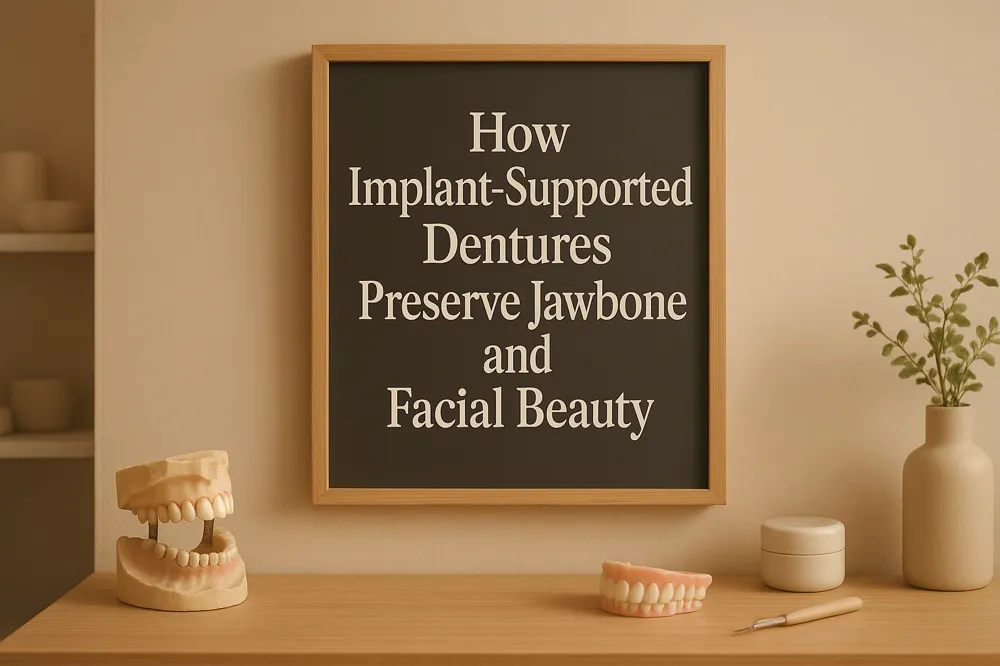
Implant-supported dentures play a crucial role in preventing bone loss with implant supported dentures by using titanium implants that act like natural tooth roots. These implants are securely anchored into the jawbone and stimulate the bone during regular chewing and biting. This stimulation encourages the growth and maintenance of bone tissue, which is vital for jaw strength and density.
In contrast, traditional dentures rest on the gums and do not provide the necessary stimulation to the jawbone. Without this stimulation, the bone begins to resorb or shrink over time, leading to significant bone loss. This shrinking bone can cause the face to appear sunken or sagged, altering the facial profile and causing discomfort with denture fit.
By preserving jawbone density preservation, implant-supported dentures benefits help maintain the jaw's natural shape and support overall facial structure. This prevents the sunken facial appearance often seen with long-term conventional denture wearers, contributing both to improved oral health and enhanced aesthetics.
Patients with implant-supported dentures benefit from a more secure fit that allows them to chew a wider variety of foods comfortably. This functional advantage further supports healthy jawbone maintenance by distributing normal biting forces across the bone.
Overall, the combination of titanium implant stimulation and restored chewing function make benefits of implant supported dentures an effective solution for preserving jawbone health and maintaining a youthful, natural facial appearance.
Cost, Longevity, and Maintenance Comparison
How does the cost of implant-supported dentures compare to traditional dentures?
Implant-supported dentures usually have a higher initial cost compared to traditional dentures. This is primarily due to the surgical procedure involved in placing the titanium implants into the jawbone. Traditional dentures are more affordable upfront and do not require any surgery, making them an accessible option for many patients.
However, implant-supported dentures offer superior stability and function, and they help preserve jawbone health, which can reduce the long-term expenses related to denture adjustments or replacements. While the upfront investment is higher, the durability and reduced need for frequent maintenance make implant-supported dentures more cost-effectiveness of implant supported dentures over time. Consulting with a dental professional can help determine which option best fits the patient’s budget and oral health condition.
How do you clean implant-supported dentures?
Cleaning implant-supported dentures requires a thorough and regular oral hygiene routine similar to natural teeth care. For removable implant-supported dentures, patients should take the dentures out daily to brush them with a soft-bristled toothbrush and a non-abrasive denture cleanser or fluoride toothpaste. It's critical to clean around the dental implants inside the mouth as well, using soft brushes, floss, or a water flosser to remove plaque and prevent infections.
The dentures should be soaked overnight in water or a cleaning solution, avoiding hot water to prevent damage. Additionally, patients should maintain cleanliness of their gums, tongue, and palate with daily brushing. Regular dental checkups are essential to monitor the condition of both the dentures and implants.
What is the expected lifespan of implants and implant-supported dentures?
Dental implants, made from biocompatible titanium, can last a lifetime with proper care. The implant-supported dentures themselves typically have a lifespan of 10 to 20 years or more, depending on the materials used and how well they are maintained.
In contrast, traditional dentures generally last between five to ten years before needing replacement, due to factors like wear and changes in jaw shape. The long-lasting nature of implants and their dentures reduces the need for frequent replacements, contributing to their overall cost-effectiveness of implant supported dentures and convenience.
| Aspect | Implant-Supported Dentures | Traditional Dentures | Notes |
|---|---|---|---|
| Initial Cost | Higher due to surgery and implants (Dental implant installation process) | Lower, no surgical procedure needed | Implants require oral surgery |
| Long-Term Cost | More cost-effective over time (Cost-Effectiveness of Implant Supported Dentures) | Often require periodic replacements | Implants preserve bone and reduce maintenance |
| Durability/Lifespan | Implants lifetime; dentures 10-20 years (Durability of Implant Supported Dentures) | 5-10 years lifespan | Depends on care and materials |
| Cleaning | Brushing, soaking, cleaning implants itself (cleaning implant supported dentures) | Cleaning dentures nightly | Implants require additional oral hygiene |
Steps and Success Rates in Receiving Implant-Supported Dentures
What are the steps involved in getting implant-supported or snap-in dentures?
The process of receiving implant-supported dentures involves several important stages. It begins with a comprehensive consultation, including diagnostic imaging such as X-rays or 3D scans. This step helps assess the jawbone density and ensures proper planning for implant placement.
Next comes the surgical placement of titanium dental implants into the jawbone. This procedure is typically done under local anesthesia for dental implants and may require tooth extractions or bone grafting if the jawbone lacks sufficient density. After surgery, a healing period of three to six months is needed for the osseointegration process in dental implants, where the implants fuse securely with the bone.
Once the implants have fully integrated, impressions of the mouth are taken to create custom dentures specifically designed for a comfortable and precise fit. The dentures are then attached to the implants using snap-in mechanisms or permanent hardware.
Proper oral care and regular dental checkups are crucial after placement to maintain the durability and function of the implant-supported dentures.
What is the success rate of implant-supported dentures?
Implant-supported dentures boast a high success rate, generally between 95% and 98%, making them one of the most reliable options for tooth replacement. Titanium implants are known for their strength and biological compatibility, which contributes to their longevity.
Studies show that approximately 95% of implants remain functional after 10 years with appropriate maintenance. The denture component, while not permanent, typically lasts 10 to 15 years depending on materials and oral hygiene.
Factors such as good oral hygiene, avoidance of smoking, and regular dental visits significantly influence the lifespan of implant-supported dentures.
Patient candidacy, bone grafting, and recovery considerations
Patients suitable for implant-supported dentures generally need adequate jawbone density and good overall oral health. When bone loss has occurred, bone grafting is a common preparatory step to rebuild the jawbone and ensure implant stability.
The recovery from implant surgery is usually manageable with local anesthesia for dental implants, and most patients return to normal activities within days, though the full healing and integration process takes several months.
Choosing implant-supported dentures combines rigorous planning, careful execution, and maintenance to provide patients with a long-lasting, comfortable, and natural-feeling tooth replacement option.
Summary and Patient Considerations
Recap of Advantages Implant-Supported Dentures Offer
Implant-supported dentures provide superior stability by anchoring directly to the jawbone, eliminating slipping and discomfort common with traditional dentures. They help preserve jawbone density by stimulating bone tissue during chewing, preventing bone loss and facial changes. Patients enjoy improved chewing ability, speech, and overall comfort, along with a natural look and feel.
Importance of Professional Consultation
Professional dental consultation is essential to assess individual factors such as jawbone health, oral hygiene, and lifestyle. This evaluation ensures candidacy for implant-supported dentures or alternative solutions, including bone grafting if necessary.
Final Thoughts on Comfort, Function, and Oral Health
Implant-supported dentures combine comfort and function with long-term oral health benefits. Though they involve a higher initial investment and surgery, their durability and ability to maintain facial structure make them a valuable solution for many patients seeking lasting dental restoration.