Introduction to 3D Printing in Modern Dentistry
Overview of 3D Printing Technology in Dentistry
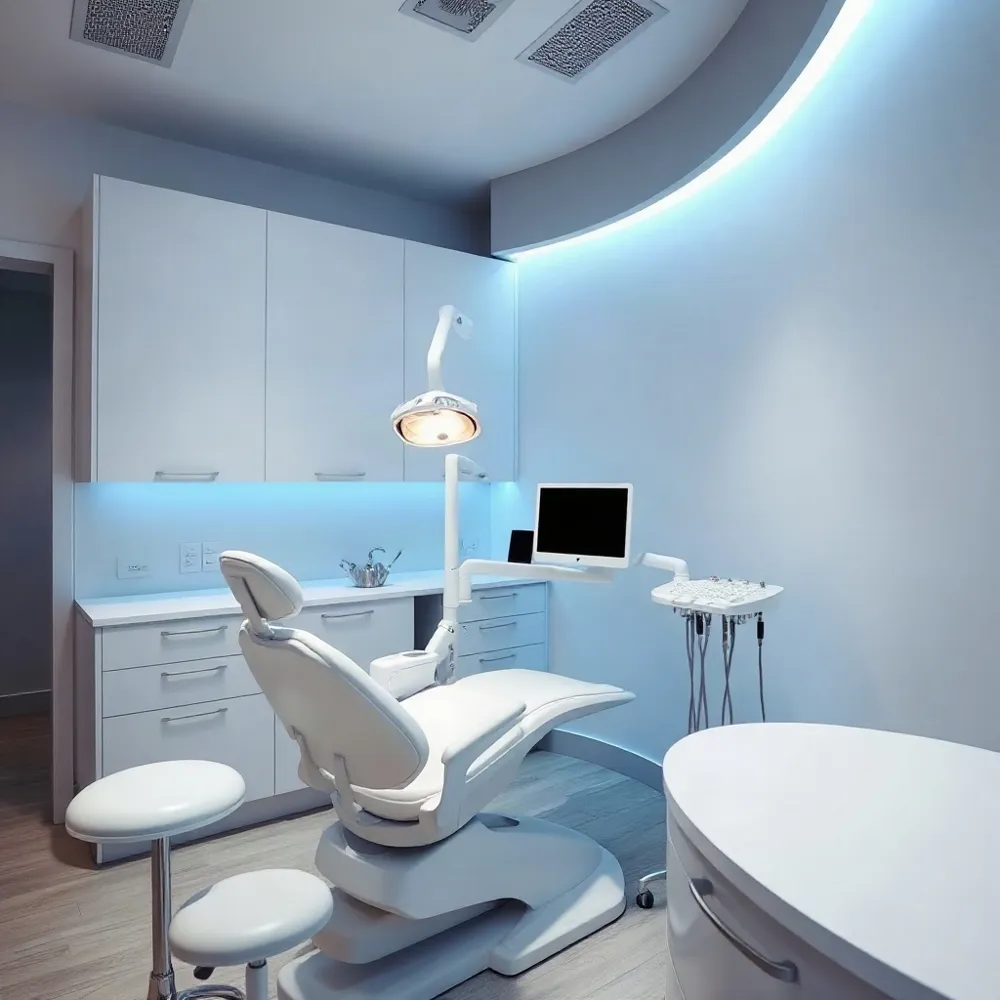
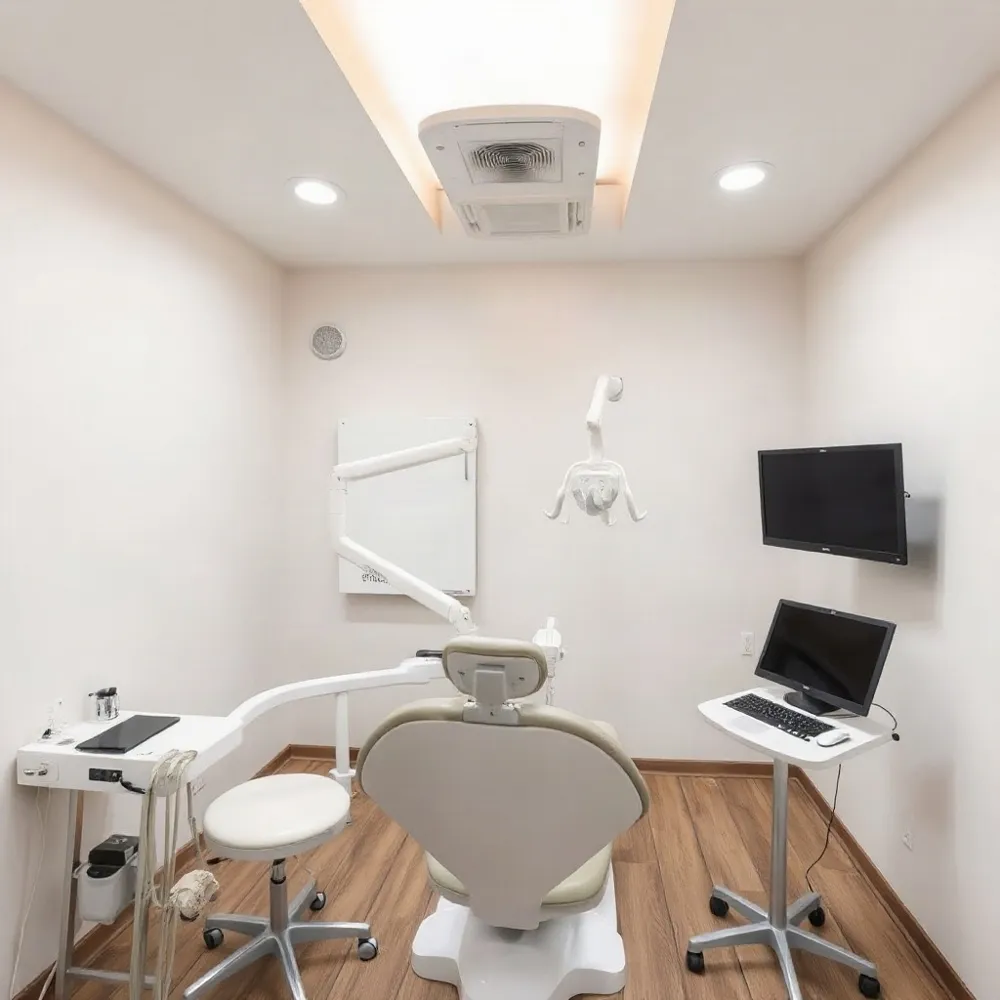
3D printing, also known as additive manufacturing, builds dental appliances layer by layer directly from precise digital models. This technology transforms digital impressions captured from intraoral scanners or 3D imaging into custom-fit restorations and devices. Widely used processes include stereolithography (SLA) and digital light processing (DLP), which provide high precision and accuracy for various dental applications.
Integration into Digital Dental Workflows
In modern dental practices, 3D printing integrates seamlessly into comprehensive digital workflows. Beginning with intraoral scanning, digital designs are created and processed using CAD/CAM software before being produced by 3D printers. This streamlined process reduces manual labor, improves collaboration among dental professionals, and shortens turnaround times. Cloud services further facilitate data management and communication between clinics and dental laboratories.
General Benefits: Precision, Speed, and Customization
3D printing enhances precision in dental restorations, minimizing errors common in manual methods and improving the fit and function of crowns, bridges, implants, and orthodontic appliances. Treatments are accelerated with faster production times, often enabling same-day restorations that improve patient convenience. Moreover, the technology supports highly personalized care, creating custom devices tailored accurately to individual anatomy, which enhances comfort and treatment outcomes.
Enhancing Precision and Customization with 3D Printing
How Does 3D Printing Deliver Highly Accurate and Customized Dental Restorations?
3D printing in dentistry builds dental restorations layer by layer from digital impressions captured by intraoral scanners. This additive manufacturing technologies ensures each appliance matches a patient’s unique oral anatomy, providing exceptional precision.
The technology minimizes manual interventions, significantly reducing human errors common in traditional fabrication. Automated workflows enhance consistency and reproducibility, leading to reliable, meticulously fitted crowns, bridges, dentures, implants, and surgical guides.
What Types of Dental Appliances Are Produced Using 3D Printing?
- Crowns and Bridges: Durable, aesthetically pleasing restorations often produced same-day, improving treatment timelines.
- Dentures: Customized for superior fit and comfort with fewer adjustments.
- Implants and Surgical Guides: Precisely designed to enhance implant placement accuracy, reducing surgical risks.
- Orthodontic Appliances: Customized clear aligners and retainers that optimize comfort and treatment effectiveness.
These applications highlight the 3D printing for customized dental appliances and the accuracy and consistency in dental devices.
How Do Biocompatible Materials Improve Safety and Functionality?
Advancements in printing materials include biocompatible materials in dentistry, such as biocompatible resins, ceramics like zirconia, and titanium alloys. These materials meet strict medical standards to ensure restorations are safe for the oral environment, durable, and functional over time.
How Does 3D Printing Reduce Human Error and Improve Patient Outcomes?
By integrating digital workflows in dental practices along with CAD/CAM design and intraoral scanners and 3D printers, dental professionals can produce restorations with unmatched accuracy. This precision reduces chair time, lowers the need for adjustments, and results in more predictable and comfortable improved patient outcomes with 3D printing.
What Advanced Dental Technologies Are Used at Ashley E. Burns, DDS?
Ashley E. Burns, DDS employs digital impression technology using the iTERO intraoral scanner alongside the E4D Dentist™ system for same-day dental restorations. This integration reflects the cutting-edge application of 3D printing in dental restorations technology to deliver highly accurate and customized dental care, enhancing both efficiency of 3D printers in dental practice and patient satisfaction.
Accelerating Treatment Times and Improving Patient Experience

How does 3D printing speed up dental restorations and appliance production?
3D printing technology in dentistry enables dental practices to produce highly accurate restorations such as crowns, bridges, dentures, and orthodontic appliances quickly — often within a single day. This same-day dental restorations capability significantly shortens treatment timelines compared to traditional fabrication methods that can take days or weeks.
How do intraoral scanners and digital workflows streamline the treatment process?
Intraoral scanners for 3D imaging capture detailed 3D images of patients' teeth and oral structures without the discomfort of traditional impressions. These digital scans are swiftly converted into precise CAD models used for designing custom restorations. When combined with 3D printing, this creates a seamless, efficient digital workflows in dental practices that reduces manual labor and accelerates appliance production.
In what ways does 3D printing reduce patient visits and chair time?
By enabling rapid fabrication of dental devices in-office or nearby labs, 3D printing in dentistry cuts down the number of appointments patients need. Restorations can often be completed in one visit, resulting in less time spent in the dental chair and fewer scheduling complexities. This efficient approach also benefits dental staff by streamlining patient management.
How does eliminating traditional impressions enhance patient comfort?
Traditional dental impressions can be uncomfortable and provoke gag reflexes in many patients. The use of digital intraoral scanners eliminates this step, making the scanning process quick, painless, and more tolerable. This improvement in comfort contributes positively to the overall patient experience.
What impact do these technologies have on patient satisfaction and treatment predictability?
The precise fit of 3D printing in dental restorations reduces the need for adjustments and remakes, ensuring predictable treatment outcomes. Faster treatment times combined with improved comfort and fewer visits increase patient satisfaction. Enhanced pre-treatment visualization and planning foster patient confidence and informed decision-making.
What should new patients expect during their first visit to Ashley E. Burns, DDS?
New patients can anticipate a thorough yet comfortable examination enhanced by digital X-rays and intraoral scanner technology. This facilitates a personalized treatment plan that often includes speedy restorations made possible by 3D printing in dentistry, minimizing discomfort and visit length while maximizing care quality.
Cost-Effectiveness and Operational Efficiency in Dental Practices

How 3D printing reduces labor, material costs, and waste in dental procedures
3D printing in dentistry significantly cuts down manual labor by automating the fabrication of dental appliances such as crowns, surgical guides, and splints. This automation minimizes human error and streamlines production steps, reducing the need for labor-intensive processes. Additionally, additive manufacturing optimizes material use by building dental devices layer-by-layer, which reduces waste compared to traditional subtractive methods.
In-office 3D printing capabilities that shorten turnaround times and increase accessibility
Many dental practices now incorporate in-office 3D printing for dental labs, allowing the on-demand creation of custom appliances. This technology enables same-day dental restorations, drastically reducing patient wait times. Compact and affordable 3D printers make advanced digital workflows in dental 3D printing, which improve efficient dental care technology accessible to smaller clinics, which historically relied on external labs, improving patient experience through faster service.
Automation and user-friendly 3D printing systems like Dentsply Sirona’s Primeprint
Innovations such as Dentsply Sirona Primeprint system offer automated, simple-to-use 3D printing solutions. These systems require minimal operator input, reducing handling time and facilitating delegation. This ease of use allows dental teams to integrate 3D printing smoothly into their Digital workflows in dental practices while maintaining Accuracy and consistency in dental devices.
Impact on dental practice efficiency and patient throughput
Integrating 3D printing improves operational efficiency by shortening turnaround times and enabling simultaneous production of multiple dental devices. Enhanced speed and accuracy lead to increased patient throughput and scheduling flexibility. Consequently, practices achieve Cost savings using 3D printing in dentistry, higher productivity, and better patient satisfaction through personalized dental care.
Expanding Applications Across Dental Specialties
What are the wide-ranging uses of 3D printing technology in dentistry?
3D printing technology in dentistry has been widely adopted across various dental specialties, enhancing treatment precision and customization. In prosthodontics, it is used to fabricate crowns, bridges, fixed partial dentures, and dentures with improved fit and durability. Orthodontics benefits significantly from 3D printing through the production of custom clear aligners and retainers that offer greater comfort and effectiveness. Implantology employs 3D printed surgical guides that ensure accurate implant placement, reducing surgical risks and improving patient outcomes. Periodontics uses 3D printing for the creation of tissue scaffolds for gum and bone regeneration as well as guides for soft tissue procedures. Additionally, maxillofacial prosthetics relies on the technology for producing custom facial prostheses that restore both function and aesthetics.
Which dental appliances and devices are commonly produced using 3D printing?
Dental practices utilize 3D printing to manufacture a variety of appliances including surgical guides, night guards, and orthodontic devices like custom clear aligners. Surgical guides generated from 3D imaging data enable precise and minimally invasive implant surgeries. Custom night guards and retainers are tailored to the patient’s anatomy, enhancing comfort and compliance. Periodontal treatment devices such as bone and tissue scaffolds can be printed directly in the clinic, enabling faster, more cost-effective regenerative treatments.
What innovative materials are used in 3D printing for dental applications?
Modern advancements have introduced multi-material and high-strength biocompatible resins, ceramics, and metal alloys like titanium and cobalt-chromium for diverse dental uses. These materials provide durability, aesthetic appeal, and are safe for intraoral use. The ability to print multiple materials simultaneously allows for complex, layered structures that mimic natural teeth and tissues more closely.
What future trends are shaping 3D printing in dentistry?
Emerging technologies such as bioprinting and 4D printing are on the horizon, promising to revolutionize dental care. Bioprinting aims to fabricate living tissues and even whole teeth using stem cells, potentially eliminating the need for artificial implants. 4D printing involves creating adaptive dental devices that change shape or properties in response to stimuli, offering dynamic solutions for evolving treatment needs. Together, these advancements anticipate a future of personalized, regenerative, and adaptive dental treatments.
| Application Area | Typical Products | Benefits |
|---|---|---|
| Prosthodontics | Crowns, bridges, dentures | Improved fit, durability, aesthetic restoration |
| Orthodontics | Clear aligners, retainers | Custom fit, enhanced comfort, faster production |
| Implantology | Surgical guides, custom implants | Increased surgical precision, reduced errors |
| Periodontics | Tissue scaffolds, gingival guides | Enhanced regeneration, faster treatments |
| Maxillofacial Prosthetics | Facial prostheses | Personalized, functional, and aesthetic restoration |
3D Printing’s Role in Patient-Centered Dental Care
How does Ashley E. Burns, DDS ensure patient-centered care?
Ashley E. Burns, DDS focuses on patient-centered care by implementing personalized treatment plans that leverage advanced technologies, including 3D printing in dentistry. This approach enhances treatment accuracy and patient comfort while supporting clear communication, ensuring patients feel informed and involved throughout their dental care journey.
How does 3D printing align with patient expectations for personalized, efficient, and comfortable care?
3D printing meets growing patient demands for customized, efficient treatments by enabling rapid production of dental appliances tailored to individual anatomy. This results in faster treatment times, fewer appointments, and restorations that fit precisely, improving overall comfort and experience.
How does 3D printing enhance communication through detailed visualizations and treatment planning?
The technology creates highly accurate digital models and surgical guides from intraoral scanners and 3D printers, enabling dentists to visualize and plan treatments with precision. This facilitates better patient education, allowing individuals to understand procedures and outcomes clearly, fostering trust and engagement.
What are the benefits of customized appliances on comfort and compliance?
Customized 3D-printed devices such as crowns, aligners, dentures, and night guards offer superior fit and comfort compared to traditional counterparts. This personalized fit reduces irritation and improves functionality, encouraging patients to comply with treatment recommendations for optimal results. These advantages highlight the importance of customized dental appliances and improved patient outcomes with 3D printing.
How does integration with other digital dental technologies improve the overall patient experience?
By combining 3D printing with intraoral scanners, CAD/CAM design software, and cloud services for dental collaboration, dental practices streamline workflows, reduce errors, and accelerate delivery of treatments. These digital integrations reduce discomfort from traditional impressions, shorten appointment times, and offer consistent, predictable outcomes, enhancing patient satisfaction through digital workflows in dental practices.
3D Printing in Periodontal Treatment and Regenerative Dentistry

What are the applications of 3D printing in periodontal therapy, including gum and bone regeneration?
3D printing in periodontal therapy plays a transformative role in periodontal treatment by enabling the fabrication of detailed and patient-specific devices for gum and bone regeneration. Dental professionals use this technology to produce customized tissue scaffolds and bone replacement parts that support precise repair and regeneration of damaged periodontal structures. This approach enhances treatment effectiveness and outcomes by catering to the unique anatomical features of each patient.
How do detailed digital models assist in precise periodontal treatment planning?
The integration of intraoral scanners and cone beam computed tomography (CBCT) allows clinicians to capture highly detailed digital models of a patient’s mouth, including teeth, jawbone, and gum tissues. These models facilitate precise visualization and accurate planning of periodontal procedures. With 3D printed replicas, dentists and periodontists can better anticipate challenges and tailor therapies, leading to improved patient safety and treatment success.
What is the ability of 3D printing to produce tissue and bone replacement parts directly in-clinic?
3D printing technology in dentistry enables in-house manufacturing of tissue and bone replacement components, which was traditionally performed by external laboratories. Clinics equipped with advanced 3D printers can produce these parts rapidly on-site, allowing for same-day or accelerated procedures. This capability means patients receive necessary regenerative treatments more quickly, reducing delays that can result from outsourcing and shipping.
What cost and time savings does 3D printing provide compared to traditional periodontal methods?
By eliminating the need for external fabrication and enabling direct production in-clinic, 3D printing in dentistry significantly reduces both cost and treatment time. The process shortens device production from weeks or days to just hours, streamlining workflows and decreasing labor expenses. Additionally, the high consistency and precision reduce the need for adjustments or remakes, further saving resources and enhancing care efficiency.
Overall, 3D printing in periodontal therapy advances periodontal treatment by delivering customized regenerative solutions with improved speed, accuracy, and cost-effectiveness, benefiting both practitioners and patients alike.
Future Directions: Innovations and Integration in Digital Dentistry
Emerging Technologies Enhancing Dental Care
The future of digital dentistry is brightened by cutting-edge technologies such as bioprinting, artificial intelligence (AI), augmented reality (AR), and nanotechnology. Bioprinting aims to create living tissues and potentially entire natural teeth using stem cells, offering revolutionary possibilities beyond traditional implants. AI is advancing diagnostics, treatment planning, and robotic-assisted surgeries, increasing precision and personalization. AR enhances treatment visualization and patient communication, while nanotechnology promises improved dental materials with superior strength and biocompatibility.
Advances in Printing Techniques
3D printing technologies continue to evolve with innovations like multi-material printing and higher resolution capabilities. These enhance the complexity, aesthetics, and functionality of dental restorations and appliances by allowing simultaneous printing of different materials tailored to specific patient needs. High-resolution printers produce intricate details critical for surgical guides and prostheses with excellent fit and durability.
Potential for Fully Automated Dental Manufacturing
Automation in 3D printing is progressing toward fully automated dental manufacturing processes. Integrated systems capable of operating with minimal human intervention streamline production, improve consistency, and reduce turnaround times. This transformation allows dental practices to deliver faster, more reliable, and cost-effective care.
Democratizing High-Quality Dental Care Through Digital Workflows
Incorporating 3D printing within comprehensive digital workflows — including intraoral scanning, CAD/CAM design, and cloud-based collaboration platforms — democratizes access to advanced dental care. It reduces reliance on traditional laboratories and physical storage, enabling smaller practices to offer personalized, accurate, and efficient treatments. This digital transformation expands high-standard dental services to broader populations, improving patient outcomes across diverse communities in the United States.
Conclusion: Embracing the Future of Dentistry with 3D Printing
Transforming Dental Care with 3D Printing
3D printing technology has revolutionized dental practice by enabling highly personalized, accurate, and efficient treatments. It supports the creation of custom dental appliances—such as crowns, bridges, implants, and clear aligners—often with same-day production, reducing patient wait times and enhancing overall care quality.
Personalized and Cost-Effective Treatments
Digital workflows incorporating 3D printing streamline processes from intraoral scanning to appliance fabrication. This reduces manual labor, lowers costs, and minimizes the need for multiple appointments. Patients benefit from improved comfort, faster procedures, and durable restorations tailored precisely to their needs.
Commitment to Advanced Technology at Ashley E. Burns, DDS
Dental practices like Ashley E. Burns, DDS are embracing these technological advancements to provide superior patient outcomes. By integrating cutting-edge 3D printing systems, these practices demonstrate a dedication to delivering innovative, accessible, and high-quality oral healthcare—helping patients achieve healthier, more confident smiles with the latest dental innovations.