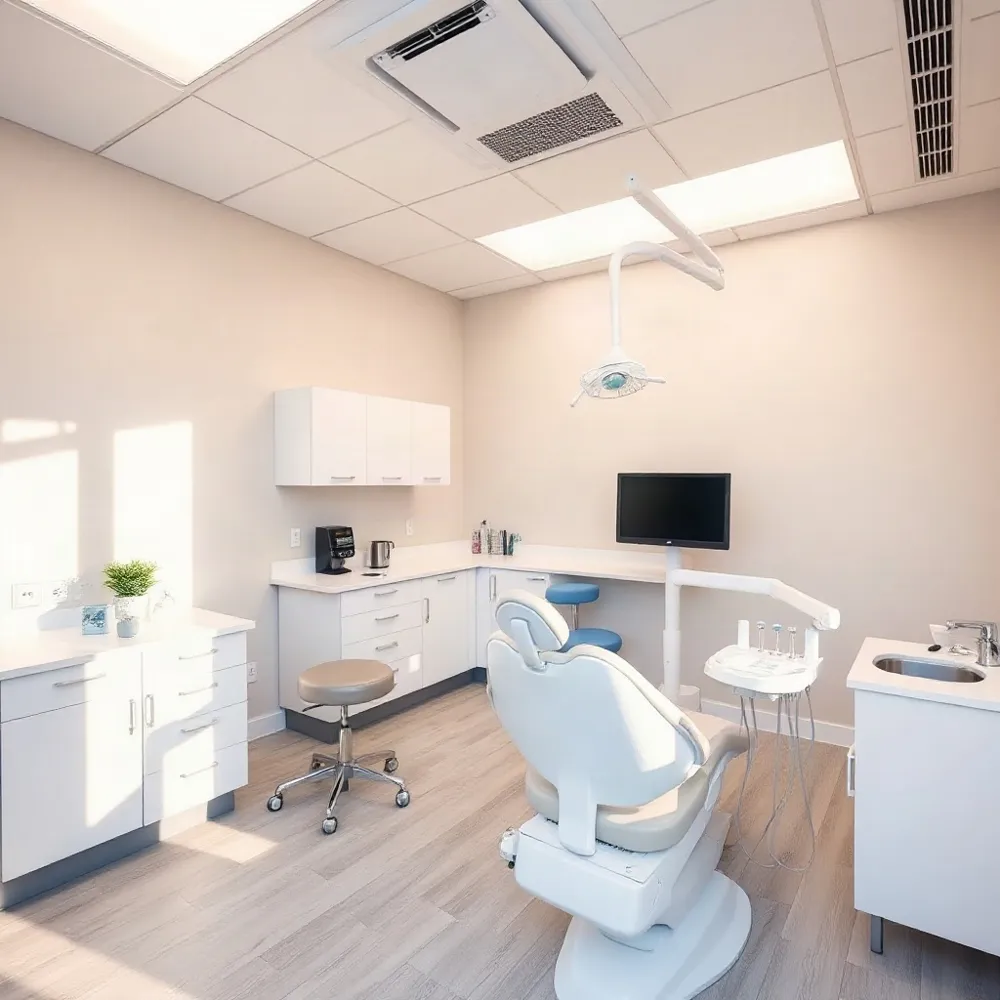
Understanding Dental Implant Restoration: A Modern Solution for Tooth Loss
The Basic Concept of Dental Implant Restoration
Dental implant restoration is a contemporary approach to replacing missing teeth. This process involves surgically placing a titanium or ceramic post into the jawbone, which acts as an artificial tooth root. Over a period of three to nine months, the implant fuses with the bone through a process called osseointegration, creating a stable foundation for artificial teeth such as crowns, bridges, or dentures. This method restores not only the appearance of natural teeth but also improves chewing ability, speech, and overall oral function.
Popularity and Acceptance in the United States
Dental implants have become increasingly popular and are widely accepted as a standard tooth replacement treatment in the U.S. Each year, over three million implants are placed nationwide. Their long-term success, with a 90 to 95 percent success rate over ten years, makes them a reliable and durable option. Advances in dental technology and techniques have improved the safety and effectiveness of implant placement, making this treatment accessible for many patients.
Components of a Dental Implant
A typical dental implant restoration consists of three essential parts:
- Implant: The titanium or ceramic post inserted into the jawbone, serving as an artificial root.
- Abutment: A connector attached to the implant post that supports the restoration.
- Restorative Crown/Bridge/Denture: The visible part that looks and functions like a natural tooth or set of teeth.
Together, these components work to restore dental function, preserve jawbone health, and maintain the natural look of the smile.
The Process and Planning Behind Dental Implant Restoration
What do I need to know before getting dental implants?
Before undergoing dental implant surgery, an important first step is an evaluation of your oral health. This includes confirming healthy gums and sufficient jawbone density, often assessed using imaging techniques such as 3D scans. These assessments help determine whether additional procedures, like bone grafting, may be necessary to ensure strong support for the implant.
The implant restoration involves a multi-stage process. It begins with surgically placing the implant, typically a titanium dental implant or ceramic dental implant post, into the jawbone. Following placement, there is a healing period called the osseointegration healing period, during which the bone grows around and fuses with the implant, providing stability. This process usually takes between three to nine months.
After successful osseointegration, an abutment is attached to the implant to serve as a connector between the implant and the crown. Finally, a customized dental crown that matches your natural teeth is placed on top, restoring both function and aesthetics.
Long-term success relies on diligent oral hygiene and routine dental visits. With proper care, implants can provide a durable, natural-looking solution that restores chewing, preserves facial structure, and boosts confidence. For more information on maintaining dental implant health, see related guidance.
What is the 3/2 rule for dental implants?
In implant planning, the 3/2 rule for dental implants guides proper spacing and bone support to promote implant success and healthy tissue maintenance. It recommends maintaining about 3 millimeters of space between the platforms of neighboring implants. This spacing helps preserve the bone and soft tissues around each implant.
Additionally, the rule advises ensuring at least 2 millimeters of bone thickness on the facial (front) side of each implant. Sufficient bone volume in this area is crucial to support the implant and maintain the natural contour of the gums and facial appearance.
Additional considerations in surgical planning
Bone grafting is sometimes necessary when jawbone volume is insufficient. Procedures such as socket grafts or ridge expansions build up the bone to create a stable foundation for implant placement.
Advanced imaging technologies play a pivotal role in modern implant planning. Three-dimensional scans combined with computer-assisted virtual planning allow precise mapping of the jaw anatomy. This enables customized surgical guides and minimally invasive techniques that enhance safety and predictability.
By adhering to these planning principles and surgical protocols, dental professionals can achieve optimal implant outcomes, ensuring long-lasting function and a natural appearance. For more on dental implant components and procedures, see related resources.
Advantages of Dental Implants Over Traditional Tooth Replacement Options
What is the best tooth replacement option?
Dental implants overview are widely regarded as the best tooth replacement option due to their durability and natural appearance. They are surgically placed titanium posts that fuse with the jawbone, acting as artificial tooth roots. This foundation supports crowns, bridges, or dentures securely.
Comparison with bridges and dentures
Unlike traditional Dental bridges, Dental implants do not require the removal of enamel from adjacent healthy teeth. Bridges often involve altering neighboring teeth to anchor the prosthetic. Dentures, meanwhile, are removable and can slip or click, affecting comfort and speech. Implants provide a stable, fixed solution that eliminates these inconveniences.
Preservation of adjacent teeth
Dental implants help preserve adjacent natural teeth. Because they function independently, implants prevent the shifting or damage to surrounding teeth that can happen with dentures or bridges. This contributes to maintaining overall oral health.
Jawbone preservation and facial structure support
One major advantage of implants is their ability to stimulate the jawbone through osseointegration healing period. This natural fusion prevents bone loss that commonly occurs after tooth loss, preserving facial structure and preventing premature aging. Bridges and dentures do not offer this benefit, often leading to bone shrinkage over time.
Durability and longevity of implants versus alternatives
Dental implants are highly durable, often lasting a lifetime with proper care, including good oral hygiene and regular dental visits. Bridges typically last around 15 years, and dentures around 7 years before needing replacement. This longevity makes implants a cost-effective long-term investment in oral health.
Improved chewing, speech, and appearance
Implants provide full Chewing power of dental implants, allowing patients to enjoy a variety of foods without discomfort. They improve speech by eliminating slipping and clicking associated with dentures. Furthermore, implants are customized to blend seamlessly with natural teeth, enhancing Benefits of dental implants and boosting self-confidence.
Restoring Dental Implants: What It Means and Why It Matters
What does it mean to restore a dental implant?
Restoring a dental implant means attaching a custom-made replacement tooth or teeth to the surgically placed titanium implant in the jawbone. This process involves securing a restoration such as a crown, bridge, or denture once the implant has fused firmly with the bone through osseointegration healing period, typically over 3 to 9 months.
Custom crowns, bridges, and dentures attached to implants
Dental Implant Restoration Options come in various forms. Single crowns replace individual teeth, implant-supported bridges fill gaps when multiple teeth are missing, and implant dentures can restore a whole arch with support from several implants. These restorations are crafted to match surrounding natural teeth, providing a seamless, natural look.
Restoring function and aesthetics
Benefits of dental implants restore the ability to chew with full power, improve speech clarity, and enhance smile aesthetics. Unlike dentures, implants do not slip or require adhesives, offering better comfort and stability. They also help maintain facial structure by preventing jawbone loss.
Importance of regular maintenance and prompt restoration of issues
Proper care, including brushing, flossing, and regular dental visits, helps keep implants healthy. Early detection and treatment of problems like Peri-implantitis and treatment or mechanical issues—such as loose abutments or fractured crowns—are essential. Timely restoration prevents further damage and Extending dental implant longevity.
Preventing implant failure and related complications
Ignoring symptoms like bleeding, swelling, or implant looseness can lead to implant failure, bone loss, and infections spreading to adjacent teeth. Restoration treatments may involve cleaning, antibiotics, or replacing damaged components to protect oral health.
With consistent maintenance and prompt attention to concerns, Restoring a dental implant provides a durable, natural-feeling, and functional solution for missing teeth that can last a lifetime.
Common Challenges and Care Tips for Long-term Implant Success
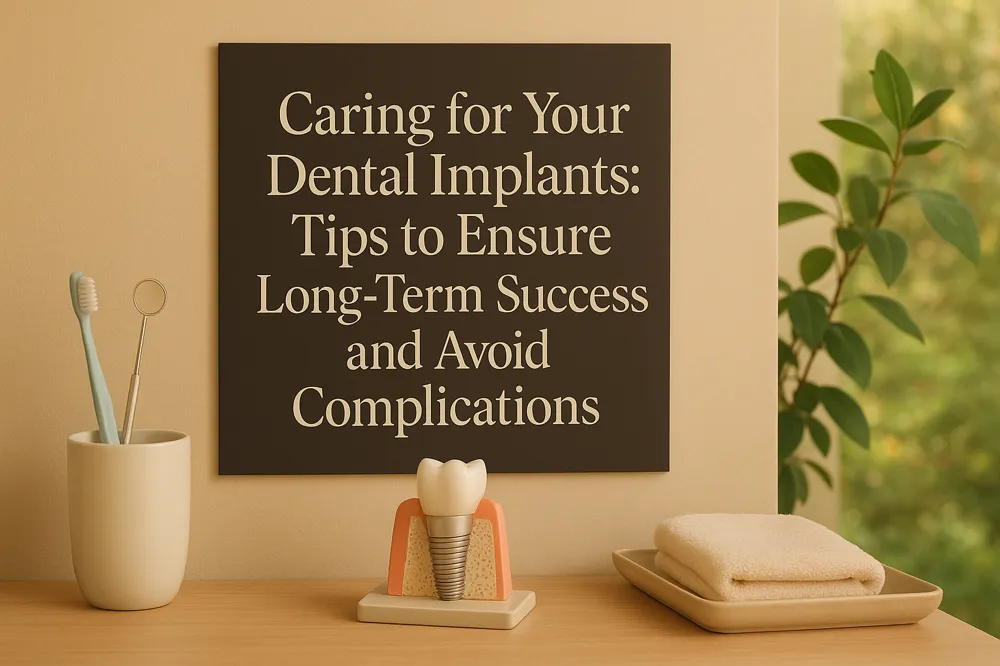
What are potential complications with dental implants?
Dental implants, while typically safe and effective, can face complications such as infection and peri-implantitis and treatment — an inflammation caused by bacterial buildup around the implant. This condition can lead to gum bleeding, discomfort, and even implant failure if untreated. Other issues include injury to surrounding teeth or nerves during surgery.
What mechanical problems might arise?
Mechanical difficulties like loose abutments or fractured crowns are possible. These dental implant components can wear down or become dislodged over time, necessitating professional assessment and timely repairs to maintain function and comfort.
Why is oral hygiene and professional cleaning essential?
Maintaining strong oral hygiene is crucial. Daily brushing with a soft-bristled brush, flossing with specialized floss, and regular dental cleanings help prevent bacterial buildup that causes infections or peri-implantitis and treatment. This upkeep supports dental implant longevity and overall oral health.
How do lifestyle factors affect implant success?
Lifestyle choices such as smoking or having certain health conditions like diabetes can impact healing and long-term success. Smoking reduces blood flow and impairs healing, increasing infection risks. Managing systemic health and avoiding harmful habits improve implant outcomes.
What signs indicate the need for dental consultation?
If patients notice symptoms like swelling, persistent pain, bleeding, pus discharge, or a loose implant, they should promptly seek dental advice. Early diagnosis and treatment can prevent serious dental implant complications.
What does no one tell you about dental implants?
Gum disease linked with implants can also relate to broader health issues including heart disease or stroke. Good oral care protects not just your implants but your overall health. Implants often feel natural and can last a lifetime, but neglecting hygiene endangers their success.
What are the disadvantages of dental implants?
Though durable, implants carry risks such as infection, nerve damage, and may require surgery that involves bone grafting if needed. They are more costly than alternatives and take longer to complete. Health conditions, poor oral care, and damaging habits can reduce their lifespan if not managed carefully.
Alternatives to Implant Restoration for Single Tooth Replacement
Overview of Dental Bridges and Removable Partial Dentures
If you're looking to replace a single missing tooth but prefer not to undergo dental implant surgery, dental bridges and removable partial dentures are common alternatives.
Dental bridges consist of an artificial tooth, known as a pontic, anchored to adjacent natural teeth or dental crowns. This option is fixed and non-removable, often restoring a natural appearance and chewing function effectively. Bridges generally require two office visits and can last over ten years with good oral care.
Removable partial dentures involve prosthetic teeth attached to a gum-colored resin base that clips onto neighboring teeth. This option is less invasive and more affordable, making it ideal for patients unable or unwilling to have surgery.
Comparisons in Appearance, Function, and Longevity
In appearance, dental bridges provide a natural look closely matching the surrounding teeth, while well-made removable partial dentures also achieve acceptable aesthetics but may be less seamless.
Functionally, bridges are stable, allowing efficient chewing without movement, whereas partial dentures may shift slightly during use. Bridges help maintain bite alignment by securing adjacent teeth, but removable partial dentures can be taken out for cleaning, which some patients find convenient.
Regarding longevity, dental bridges can last around 10 to 15 years, depending on care and oral conditions. Removable partial dentures usually require replacement or adjustment every 5 to 7 years.
Cost and Procedural Differences
Dental bridges involve preparing adjacent teeth for crowns, which is a more invasive process and may cost between approximately $2,000 and $5,000 depending on materials and complexity.
Removable partial dentures typically cost less, averaging around $1,500 to $2,000, with minimal preparation and no surgery involved.
Suitability Based on Patient Health and Preference
Bridges require healthy neighboring teeth to support the prosthetic, so they may not be recommended if adjacent teeth have large restorations or decay. Conversely, removable partial dentures do not impact neighboring teeth's integrity.
Patient preferences also vary—some prefer fixed solutions like dental bridges for convenience and natural feel, while others opt for removable dentures for ease of cleaning or financial considerations.
Consulting with a dental professional is important to assess your oral health, lifestyle, and budget to select the best single tooth replacement alternative for you.
Economic Considerations and Innovations in Dental Implant Treatment
What is the average cost of dental implants and alternatives?
Dental implants in the United States typically cost around $2,695 per implant, though prices can range between $3,000 and $4,500 depending on location and case complexity. Alternatives include:
- Dentures: Average about $1,968; removable and replace full upper, lower, or both sets of teeth.
- Partial Dentures: Around $1,738, can be more expensive with metal parts.
- Dental Bridges: Traditional bridges average $5,197 and may require altering adjacent teeth.
- All-on-4 dental implants: A full arch supported by just four implants cost about $15,176 with shorter recovery time.
- Mini dental implants: Less invasive and cheaper, averaging $860; suitable for single teeth or denture anchorage.
What are the insurance and Medicare coverage limitations?
Medicare typically does not cover routine dental work, including implants. However, some Medicare Advantage plans may offer partial coverage. Many patients seek alternatives like dental schools or federally funded health centers to reduce costs. Understanding insurance details and exploring community resources can be crucial for managing expenses. For more on Costs of Tooth Replacement and Affordable Tooth Replacement Options, visit the linked resources.
What recent advances have improved dental implant treatment?
Recent innovations include:
- Mini dental implants: Smaller size allows less invasive surgery with faster healing.
- All-on-4® technique: Uses four implants to support full dentures efficiently, reducing need for bone grafts.
- Smart implants: Experimental implants with sensors to monitor integration and health.
These advances improve patient outcomes, reduce recovery times, and enhance comfort.
How has advanced imaging and surgical technology impacted implant procedures?
Modern techniques, such as 3D imaging and computer-assisted virtual planning, allow for precise evaluation of jawbone density and ideal implant placement. This enhances surgical accuracy, safety, and personalized treatment planning, especially benefiting patients with limited bone or complicated anatomy. See more on Dental Implants Overview and Technologies.
Is same-day implant placement possible?
For selected patients with suitable jawbone health for implants and implant sites, same-day or immediate loading of implants is now achievable. This option reduces the overall treatment duration, enabling quicker restoration of function and aesthetics. However, proper case evaluation by experienced professionals is essential to ensure stability and success.
| Aspect | Details | Benefit |
|---|---|---|
| Average implant cost | $2,695, variable by region and complexity | Provides a durable, long-term solution |
| Insurance coverage | Medicare limited, some plans offer partial | Financial planning essential |
| Innovations | Mini implants, All-on-4®, smart tech | Less invasive, faster recovery |
| Imaging & surgical tools | 3D imaging, virtual planning | Increased precision and safety |
| Same-day placement | Selected candidates possible | Faster restoration |
The new way to replace teeth centers on dental implants offering natural aesthetics, preservation of adjacent teeth and bone , and a lifetime of reliable function when combined with advanced technology and personalized care.
Is Dental Implant Restoration Right for You?
Understanding the Benefits and Considerations
Dental implant restoration offers a reliable, long-lasting solution for replacing missing teeth. These restorations mimic natural teeth by using a titanium or ceramic post embedded in the jawbone, topped with an abutment and a customized crown. Benefits include improved chewing ability, enhanced smile aesthetics, preservation of bone and adjacent teeth, speech improvement, and boosted self-confidence.
However, candidacy depends on several factors, including sufficient jawbone density, good overall health, and commitment to oral hygiene. The surgical process and healing period require patience and regular dental follow-ups. While risks are minimal when performed by experienced professionals, complications like infection or implant loosening may occur and must be promptly addressed.
Importance of Professional Consultation
A comprehensive consultation with a qualified dentist or specialist is essential. They assess jawbone condition, overall oral health, and personal medical history to determine suitability. Advanced imaging and careful planning ensure accuracy and enhance safety. Personalized treatment plans allow patients to understand the procedure, recovery timeline, and costs, supporting informed decisions.
Emphasis on Personalized Care and Maintenance
Long-term success depends on diligent home care and professional cleanings. Regular brushing, flossing with implant-specific materials, and avoidance of harmful habits such as smoking contribute to implant longevity. Routine dental visits help monitor the implant’s health, preventing issues like peri-implantitis or mechanical failures. Customized maintenance fosters lasting oral health, giving patients a natural, comfortable smile for years to come.