The Cornerstone of Trust in Modern Dentistry
Trust: A Vital Foundation in Dentistry
Trust is fundamental in the dental field, shaping patient experiences and treatment success. Historically, dentistry was associated with fear and anxiety, but today, building trust is central to shifting that perception. Patients who trust their dentists are more comfortable, adhere better to treatment plans, and seek regular care, which promotes improved oral health.
The Role of Effective Communication
Clear and compassionate communication is essential to establish trust. Dentists who listen actively, explain treatments simply, and show empathy help reduce patient anxiety. Visual aids such as diagrams and digital images enhance understanding, while encouraging questions fosters collaboration. Consistent, team-wide communication ensures a welcoming environment that supports patient comfort and engagement.
Embracing Patient-Centered Care
Patient-centered care places the individual’s needs, preferences, and values at the forefront of treatment decisions. This personalized approach benefits patients by tailoring care to their unique health history and lifestyle. It empowers patients through shared decision-making, education, and respect for their autonomy, ultimately leading to better health outcomes and a more satisfying dental experience.
Comprehensive and Personalized Dental Services at Ashley E. Burns, DDS
What comprehensive dental services does Ashley E. Burns, DDS offer?
Ashley E. Burns, DDS provides a full spectrum of dental services designed to maintain and enhance your oral health through personalized dental treatments. The practice offers preventive treatments such as regular checkups, cleanings, and early screenings to detect potential issues like tooth decay or gum disease. For patients requiring restorative care, services include fillings, crowns, root canals, and dental implants, all aimed at restoring function and comfort.
Cosmetic options like teeth whitening are available to improve smile aesthetics, supporting patients’ confidence and satisfaction. Emergency dental care is also offered to promptly address urgent dental problems, ensuring immediate relief and attention when unexpected issues arise.
Advanced technology is integrated into diagnostics and treatment planning, enhancing accuracy and patient comfort. Treatment plans are customized to each patient’s unique needs, medical history, and preferences, fostering a collaborative environment where patient autonomy is respected. This comprehensive approach helps build trust through talk and encourages adherence to treatment, resulting in improved oral health outcomes and patient satisfaction.
Ensuring True Patient-Centered Care through Compassion and Collaboration

What is patient-centered care and its core principles?
Patient-centered care in dentistry focuses on respecting and responding to each patient's unique preferences, needs, and values. This approach emphasizes creating treatment plans tailored to the individual’s medical history, lifestyle, and personal goals. It fosters collaboration between patient and provider, ensuring shared decision-making that empowers patients to take an active role in their oral health.
How can dentists communicate effectively to build trust?
Effective communication in dentistry is foundational in dental care. Dentists use plain language to explain diagnoses and procedures clearly, avoiding technical jargon. Active listening and empathy are key, allowing patients to voice concerns and feel understood. Visual aids such as diagrams, X-rays, and models help patients grasp treatment options better. Staff-wide coordination ensures consistent messaging, enhancing patient comfort and trust throughout every interaction.
How is personalized treatment planning implemented?
Dentists develop treatment plans that consider the whole person, not just oral symptoms. This involves reviewing dental and medical histories, lifestyle factors, and patient preferences. Shared decision-making invites patients to understand their options fully and participate in selecting treatments, promoting better adherence and satisfaction.
What patient comfort measures support anxiety and pain management?
Patient-centered care prioritizes comfort through comprehensive pain management strategies, including local anesthesia and sedation dentistry when needed. Sensory accommodations support patients with anxiety or sensory sensitivities. Friendly staff, a caring atmosphere, and clear explanations help reduce fear and enhance the overall experience.
Why are empathy and respect critical in building trust?
Empathy and respect create a safe, welcoming environment where patients feel valued and heard. Nonverbal cues like eye contact and smiling reinforce trust. Honest communication about treatment risks and benefits, as well as respect for patient autonomy, strengthen long-term relationships and encourage lifelong dental care engagement.
How does Ashley E. Burns, DDS ensure patient-centered care?
Ashley E. Burns, DDS fosters patient-centered care by combining compassionate, respectful interactions with personalized, transparent treatment planning. The practice prioritizes clear communication, shared decision-making, and attentive listening to patient concerns. Comfort measures such as pain control and sensory-sensitive approaches are standard. This holistic, collaborative approach creates a trusting environment where patients feel supported and confident in their dental care.
Communication: The Bridge to Enhanced Trust and Reduced Anxiety

Why is clear, compassionate, and consistent communication important in dentistry?
Effective communication in dentistry forms the foundation of trust between dentists and patients. Clear and compassionate dialogue not only reduces patient anxiety but also fosters a collaborative environment where patients feel empowered to participate actively in their treatment decisions. When patients perceive that their dentist listens and understands their concerns, they are more likely to adhere to treatment plans and maintain regular dental visits.
How do plain language and visual aids improve patient understanding?
Using using plain language in dentistry helps demystify dental procedures and diagnoses for patients. Complementing explanations with dental communication dos and don'ts, including using visual aids such as diagrams, X-rays, or digital models enhances understanding by making complex dental information more accessible. These tools enable patients to see and comprehend their oral health status and treatment options, boosting confidence and compliance.
What is the role of active listening and empathy in patient interactions?
Active listening techniques involve fully focusing on the patient’s words without interruption and reflecting back their concerns. This approach validates patients’ feelings and shows respect, building a trusting relationship. Demonstrating showing empathy to patients — acknowledging feelings such as dental anxiety or discomfort — helps patients feel safe and supported throughout their dental care journey.
How does nonverbal communication contribute to building patient trust?
Nonverbal cues such as eye contact, smiling, a calm demeanor, and open body language significantly influence a patient’s sense of trust. These subtle gestures communicate attentiveness and compassion beyond words, reassuring anxious patients and enhancing overall satisfaction, as described in mindful body language in patient communication.
Why are teamwide communication efforts important?
Communication is not limited to the dentist alone; the role of front desk staff in patient experience and dental team communication also shape the patient experience. A teamwide communication in dental care with coordinated messaging, regular training, and mutual respect among staff members ensures consistency and quality in patient interactions. This unified effort creates a welcoming environment that fosters loyalty and encourages patients to return for follow-up care.
Long-Term Benefits of Trust-Based Dental Relationships
How Does Trust Impact Treatment Adherence and Follow-Up Care?
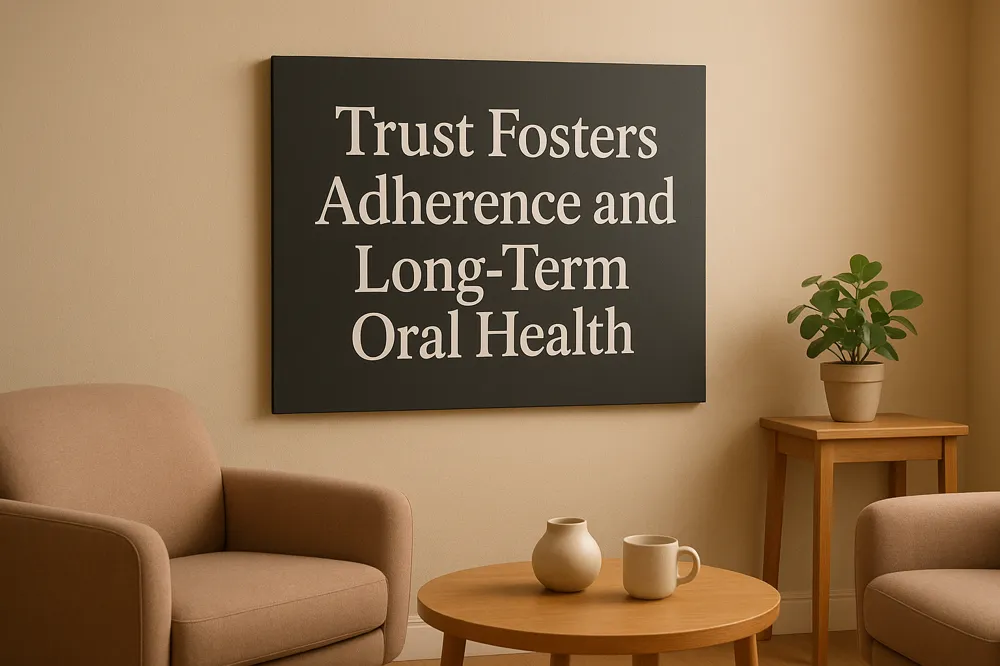
Trust between a patient and dentist is foundational for consistent treatment adherence (Improving patient satisfaction in dental care). Patients who trust their provider feel more comfortable discussing concerns and are more likely to follow prescribed care plans and attend scheduled follow-ups. Improved communication (Effective communication in dentistry ensures they understand treatment goals, leading to better oral health outcomes.
How Does Patient Empowerment and Transparency Reduce Dental Anxiety?
Transparency in explaining procedures and outcomes empowers patients, alleviating fears associated with dental visits. Shared decision-making and respectful communication give patients control, which notably reduces anxiety (Reducing dental anxiety and pain). Techniques like clear visual aids (Visual engagement with diagrams and models and honest dialogue foster a collaborative atmosphere where patients feel safe and valued.
In What Ways Does a Comfortable, Respectful Atmosphere Build Loyal Patient Relationships?
A welcoming dental environment that prioritizes empathy and respect (Building Patient Trust) nurtures trust and patient comfort. Courteous staff, consistent positive interactions, and accommodations for individual preferences contribute to long-term loyalty. Continuous engagement encourages patients to return regularly and recommend the practice to others.
Why Is Ongoing Patient Engagement and Education Important?
Educating patients about oral health, preventive measures, and personalized care supports active involvement (patient-centered care) in maintaining their dental health. Ongoing communication through reminders, follow-ups, and accessible information enhances patient satisfaction and compliance, reinforcing the partnership between patient and provider.
How Does Trust Promote Preventive Care and Healthier Outcomes?
Trust motivates patients to prioritize preventive care, addressing issues before they escalate. A patient-centered approach that respects individual needs results in tailored treatments, promoting overall health. Trust-based relationships are especially important for managing complex medical conditions alongside oral health.
What Are the Benefits of Choosing Ashley E. Burns, DDS for Dental Care in Midland, Texas?
Choosing Ashley E. Burns, DDS offers patients access to experienced professionals utilizing advanced technology and comprehensive care tailored to individual needs. Emphasis on preserving natural teeth and addressing medically significant oral health challenges ensures optimal treatment outcomes. The practice’s dedication to patient comfort and trust fosters long-term oral health and quality of life improvements, making it an excellent choice in Midland.
Overcoming Barriers to Care: Building Trust with Diverse Patient Needs

How Does Addressing Dental Anxiety and Pain Perceptions Build Trust?
Dental anxiety and pain are common barriers that prevent many patients from seeking necessary care. Effective communication in dentistry, empathy, and the use of modern pain control techniques, such as sedation dentistry and local anesthesia, can significantly reduce patient fears. Practicing active listening in dental practice and providing patients with control over their procedures foster a sense of patient empowerment in dental care, which strengthens trust and encourages timely dental visits.
Why Is Cultural Awareness Important in Dental Care?
Cultural competence enables dental professionals to respect and respond effectively to diverse patient backgrounds, beliefs, and preferences. Training staff in cultural awareness helps bridge communication gaps, reduces misunderstandings, and supports health equity. This approach increases patient engagement, improves satisfaction, and ensures that care is tailored to individual cultural contexts.
How Does Financial Transparency Help Patients?
Clear and upfront communication about treatment costs, payment options, and financing plans such as CareCredit reduces patient hesitation. Transparency in pricing fosters trust, making patients more likely to accept necessary treatments. Flexible financial arrangements address economic barriers that may otherwise prevent access to care. Discussing transparent cost discussions and offering dental financing options encourage patient confidence.
What Role Does Staff Training Play in Enhancing Communication?
Continuous professional development focusing on communication and cultural competence equips dental teams to interact respectfully and effectively with all patients. It promotes consistent messaging and understanding, from front desk staff to providers, creating a welcoming environment that values respecting patient autonomy in dentistry and enhances comfort.
How Are Technology and Modern Approaches Used to Improve Access?
Innovations like teledentistry and digital imaging in dentistry increase convenience, allowing remote consultations and enhanced patient education. These technologies help overcome geographic and time barriers, making care more accessible especially for patients with limited mobility or scheduling constraints.
| Barrier Addressed | Strategy Implemented | Impact on Patient Trust and Care |
|---|---|---|
| Dental Anxiety and Pain | Empathy, sedation, active listening | Reduces fear, increases procedural comfort |
| Cultural Differences | Staff training, cultural competence | Enhances communication, promotes inclusivity |
| Financial Concerns | Transparent costs, flexible payments | Improves treatment acceptance, reduces avoidance |
| Communication Challenges | Team-wide training in empathy and clarity | Builds rapport, encourages patient engagement |
| Access and Convenience | Teledentistry, digital tools | Extends care access, improves patient education |
By addressing these barriers through patient-centered care strategies, dental practices foster trusting, lasting relationships that improve oral health outcomes for diverse populations.