Overcoming the Fear of the Dental Chair: A New Era of Care
Understanding the Scope of Dental Anxiety in the U.S. and Midland, TX
Dental anxiety is a widespread challenge in the United States, affecting a significant portion of the population. Research indicates that between 50% and 80% of U.S. adults experience some degree of anxiety when contemplating a dental visit. For a substantial minority—approximately one in four—this anxiety is severe enough to cause them to avoid or delay necessary care. Patients in Midland, Texas, are not immune to these feelings, which can stem from a variety of sources.
The Many Roots of Fear and the Cycle of Avoidance
The sources of this fear are diverse and deeply personal. Common triggers include a fear of pain or needles, past negative or traumatic experiences, and a profound sense of loss of control while in the dental chair. The human body’s natural ‘fight-or-flight’ response can be activated by sensory triggers—the sound of a drill, the smell of antiseptic, or the sight of instruments. Media portrayals often reinforce these negative stereotypes. The ultimate consequence of avoidance is a destructive cycle: a small, treatable issue worsens over time, leading to more complex, painful, and expensive emergency treatments. This neglect not only harms oral health but is also linked to systemic problems such as diabetes and heart disease.
A New Approach: Patient-Centered Care in Midland
A patient-centered approach is essential to breaking this cycle. It begins with understanding the patient’s unique emotional and psychological needs, goes beyond clinical procedures, and builds a partnership based on trust. The practice of Dr. Ashley Burns, DDS, located at 4214 Andrews Highway, Suite 300 in Midland, TX, embodies this philosophy. Accepting new patients, the practice can be reached at (432) 697-3333 or ashleyburnsdds.com. This modern approach combines empathetic communication, intentional environmental design, advanced technology, and tailored anxiety management strategies to help every patient feel safe, respected, and comfortable from the moment they arrive until they leave with a healthier smile.
| Source of Anxiety | Patient-Centered Solution at Dr. Burns’ Practice | Benefit to the Patient |
|---|---|---|
| Fear of pain or needles | Modern, gentle techniques with advanced local anesthesia and sedation options | Reduced discomfort and a relaxed experience |
| Feeling a loss of control | Open communication about each step and a “stop signal” for breaks | Restored sense of control and safety |
| Intimidating sounds and sights | Soothing environment with soundproofing and calming decor | Reduced sensory overstimulation and anxiety |
| Negative past experiences | Non-judgmental atmosphere and personalized care planning | Rebuilt trust and a positive new association with dental care |
Defining Modern Comfort: The Patient-Centered Philosophy
Understanding Patient-Centered Care in Dentistry
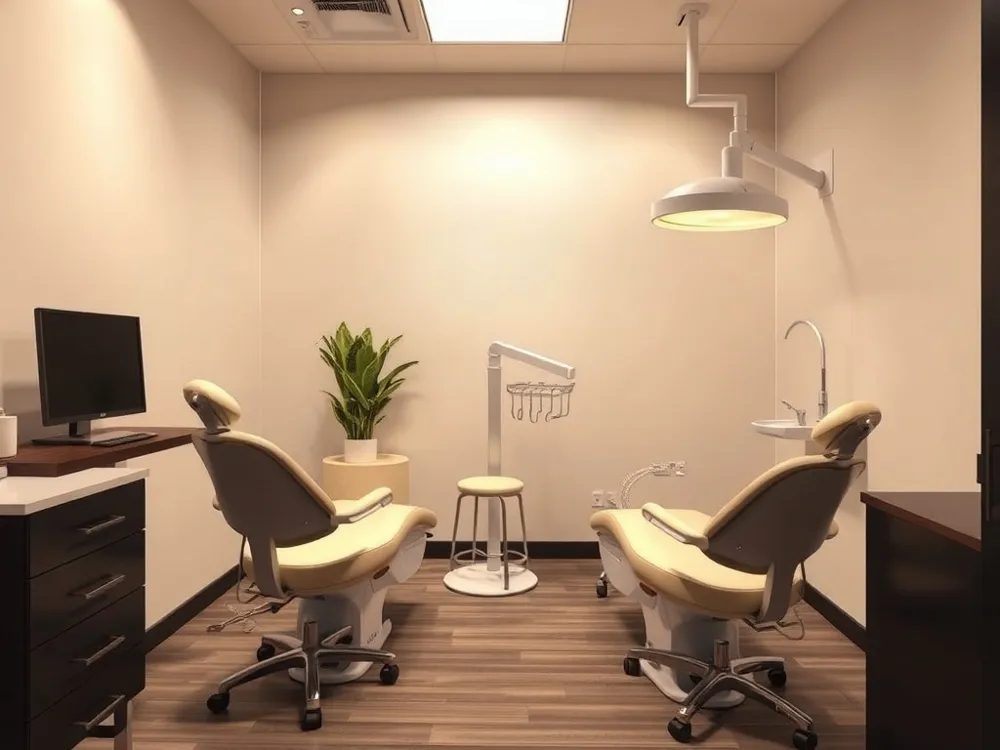
Patient-centered care (PCC) transforms the dental experience from a clinical transaction into a collaborative partnership. As defined by the Institute of Medicine, PCC is a holistic approach that respects and responds to each patient's unique preferences, needs, and values. It means seeing you as a whole person, not just a set of teeth.
Core Principles: Building a Foundation of Trust
The philosophy is built on clear, actionable principles. Drawing from the UK NICE guidance and General Dental Council, this includes treating every patient with dignity, kindness, compassion, and respect. It also involves actively involving you in shared decision-making and tailoring every aspect of your care to your personal preferences and lifestyle.
How PCC Directly Addresses Dental Anxiety
Dental anxiety often stems from feeling powerless, unheard, or unsure. PCC directly counteracts these causes by shifting away from a clinician-led, standardized model. Instead, it fosters a collaborative partnership where you feel heard, respected, and in control. This approach actively involves you in choices about your treatment, immediately reducing stress by returning a sense of autonomy.
The Philosophy in Practice: A Universal Blueprint for Comfort
A truly comfortable dental environment is built on this patient-centered foundation. It means designing every step of your experience—from your first phone call to your follow-up care—around minimizing stress and maximizing your well-being. While Dr. Burns’ practice in Midland embodies this commitment, the principles of PCC are universal and can be adopted by any dental team dedicated to providing high-quality, compassionate care. Empathy and respect are the bedrock of modern comfort.
How Patient-Centered Care Compares to Traditional Models
| Aspect | Traditional Dentistry | Patient-Centered Dentistry |
|---|---|---|
| Focus | Clinician-led, procedure-focused | Patient-led, whole-person focused |
| Communication | Directive, one-way | Collaborative, two-way, clear language |
| Decision-Making | Dentist decides what is best | Shared decisions with informed patient |
| Anxiety Management | Minimal or routine support | Proactive, personalized strategies |
| Patient Role | Passive recipient of care | Active partner in their health journey |
| Treatment Plan | Standardized, protocol-based | Tailored to individual needs and values |
From Architecture to Aromatherapy: Designing a Sensory-Safe Sanctuary
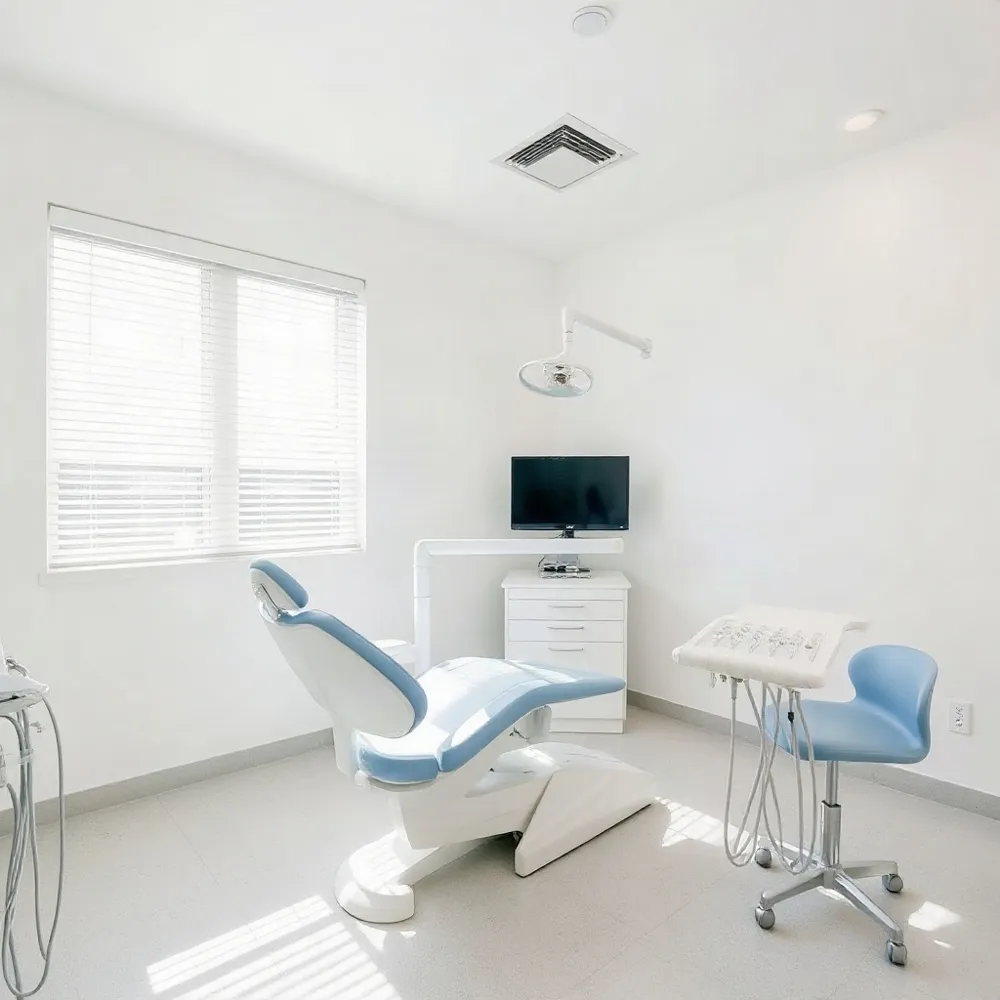
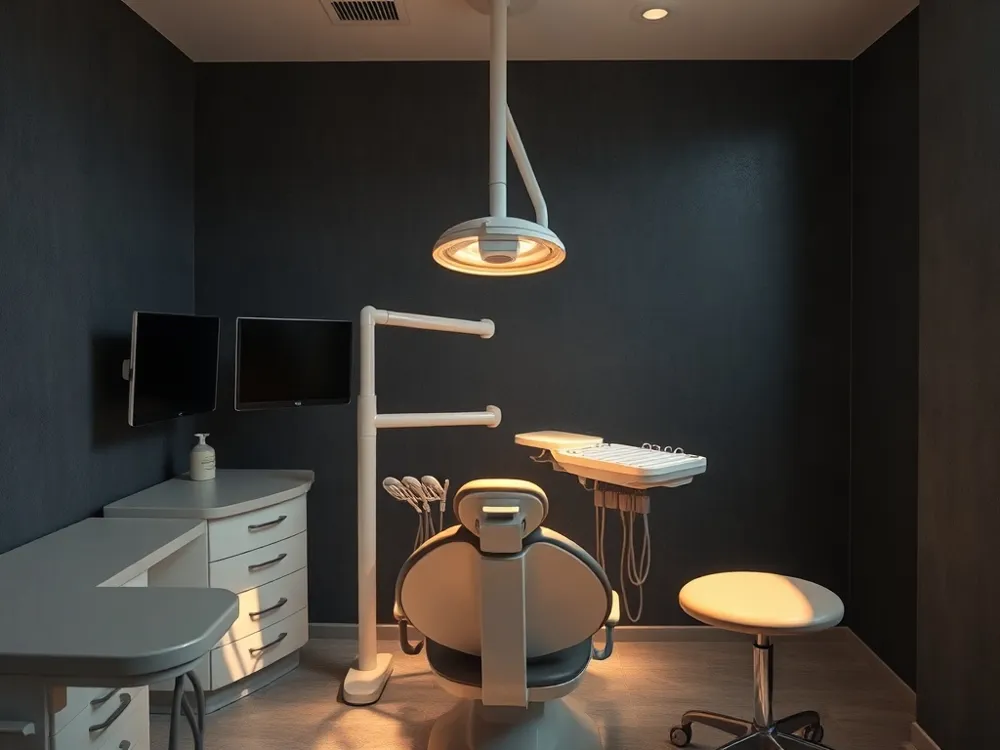 The design of a dental practice plays a significant role in shaping a patient’s experience. For the one in six U.S. children with a developmental disability, and the many adults with sensory sensitivities, the physical environment can be the difference between a successful visit and an overwhelming one. By thoughtfully designing every space, practices can proactively reduce anxiety for everyone. Sensory sensitivities fall into two categories: hypersensitive patients, who are easily overstimulated, and hyposensitive patients, who seek more sensory input. A truly inclusive design accommodates both.
How can visuals and lighting create a calming atmosphere?
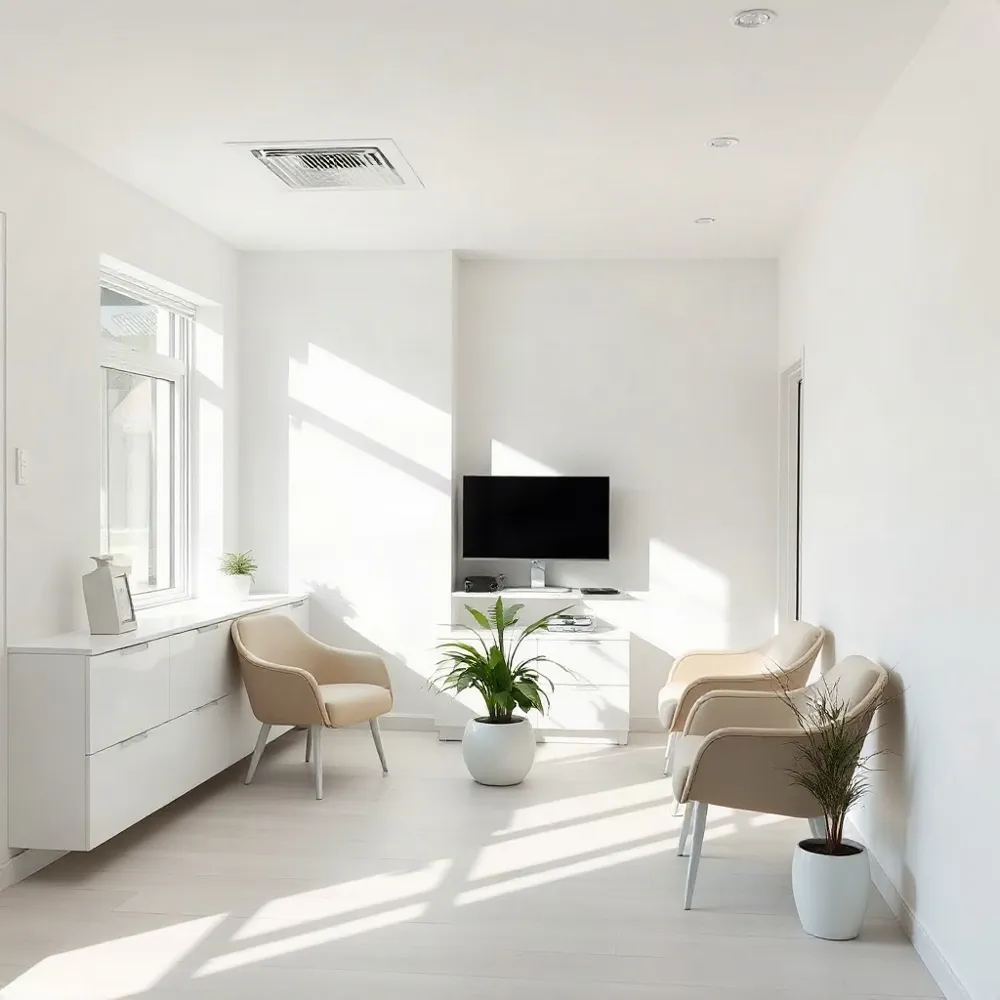
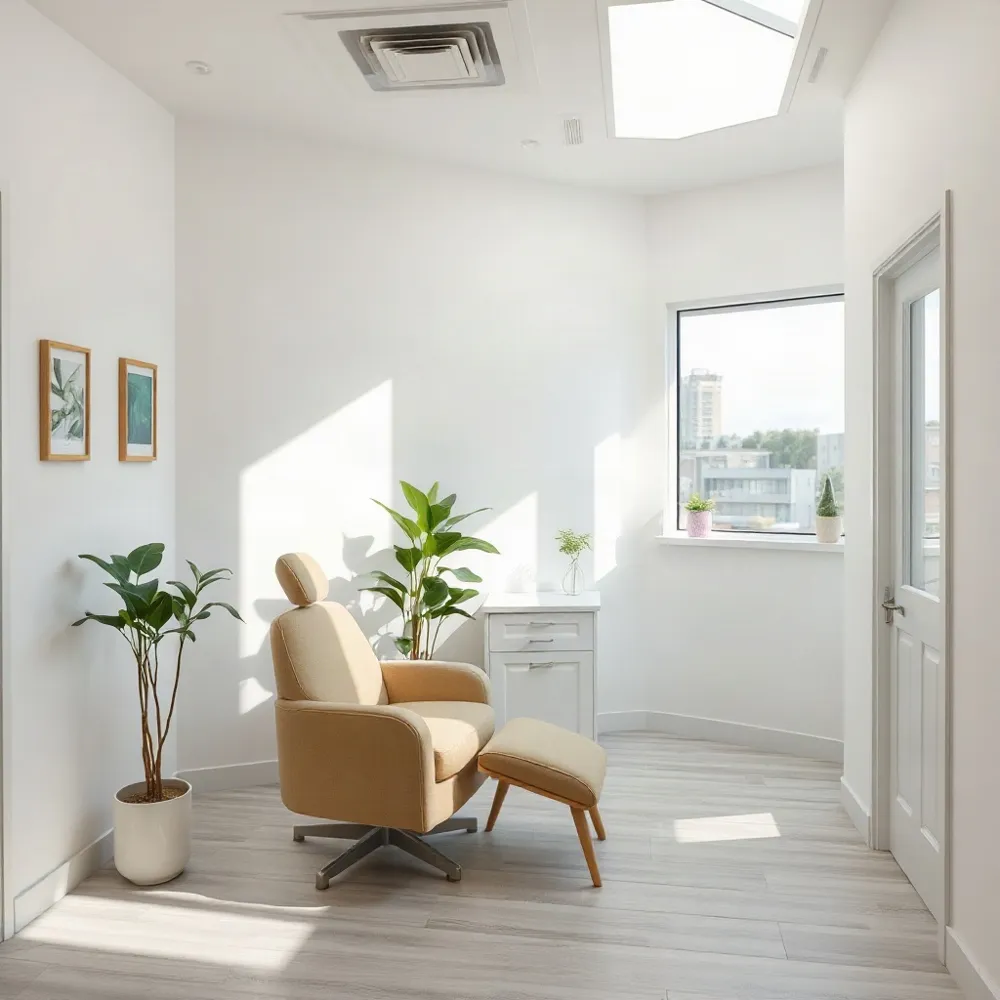
Start with a soothing, nature-inspired color palette. Muted shades of pale blue, sea green, and sky blue are calming for public areas, while subtle, organic patterns like wood bark or flowers can be used in operatories. High-contrast colors between walls, doors, and floors are crucial for patients with visual impairments, aiding in wayfinding. Avoid harsh overhead fluorescent lights, which can flicker and trigger distress. Instead, layer lighting with dimmable LEDs that mimic gentle morning or afternoon sunlight, and use cove lights in reception for a soft glow.
What auditory and olfactory strategies reduce stress?
Unpleasant sounds from drills and equipment are common anxiety triggers. Use sound-absorbing materials like acoustic ceiling tiles, laser-cut wall panels, and luxury vinyl tile (LVT) with cushioned backing to dampen noise and prevent echo. Soft background music can further mask unsettling sounds. Similarly, the smell of a dental office can be distressing. Introducing a pleasant ambient odor like lavender has proven anxiolytic effects, shown to reduce salivary cortisol and blood pressure, helping patients feel more at ease.
How can tactile design and physical accessibility improve comfort?
Choose weightier, rounded furniture that cannot be easily lifted or thrown, and avoid sharp edges. In waiting areas, provide a variety of comfortable seating—some with armrests and some without—to support different body types and mobility needs. Non-slip flooring and guardrails in a contrasting shade to the wall enhance safety. For patients with physical disabilities, ensure compliance with ADA guidelines, including counter heights of 30 to 34 inches and wheelchair-accessible operatories (ideally 25% or more). Invest in dental chairs with adjustable, pivotable headrests so patients can remain in their own wheelchair. A clear, intuitive layout with a central hallway and rooms on the sides (avoiding a labyrinth pattern) helps reduce navigation stress, while Braille signage aids those with visual impairments.
These design elements are not just for patients with disabilities. A calming, sensory-safe environment benefits all patients by reducing overall stress, fostering a sense of belonging, and making every visit a more positive experience. The goal is to create a space where everyone feels welcome and at ease.
| Design Element | Patient Benefit | Example Application |
|---|---|---|
| Sight | Reduces overstimulation, aids navigation | Muted nature-inspired colors, high-contrast walls, dimmable LED lighting |
| Sound | Dampens anxiety-triggering noises | Acoustic ceiling tiles, cushioned LVT flooring, soft background music |
| Smell | Provides proven calming effect | Lavender aromatherapy to mask clinical scents and lower stress hormones |
| Touch & Safety | Prevents injury, supports diverse needs | Weighted, rounded furniture; non-slip flooring; varied seating with/without arms |
| Access | Ensures physical accessibility and independence | ADA-compliant counters, wheelchair-accessible operatories, Braille signage |
The Power of Dialogue: Communication as the Bedrock of Trust
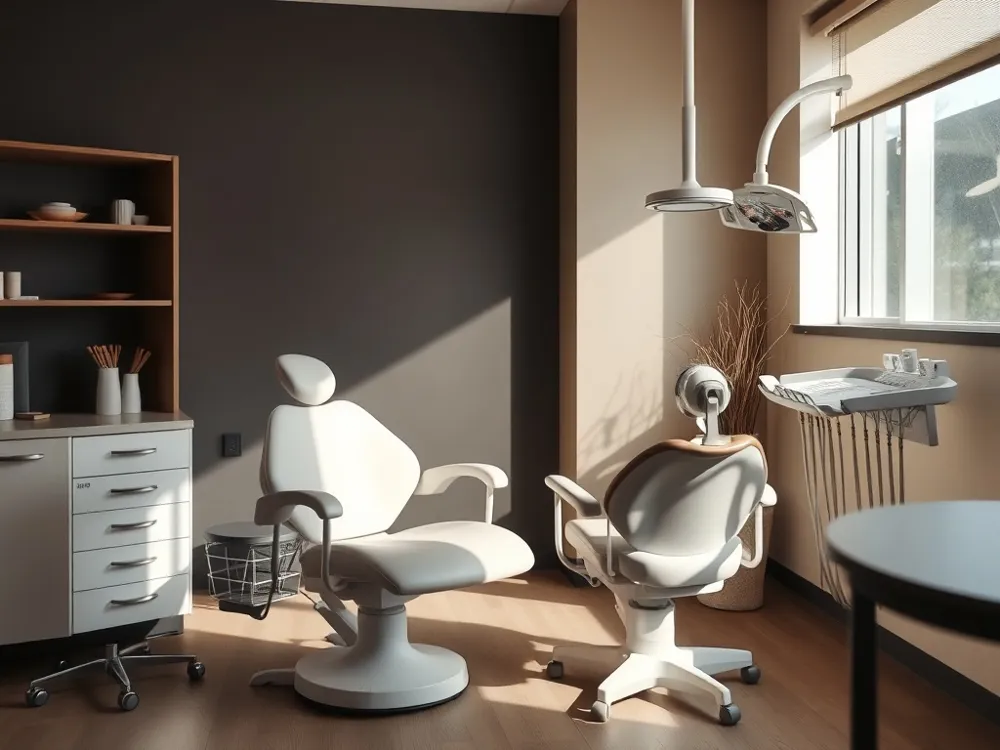
The Conversation Begins Before the Appointment
Effective communication is the most critical tool for managing anxiety and building a trusting dentist-patient relationship. It starts before you even walk through the door. A friendly, unhurried conversation with the front desk team sets a welcoming tone. Providing clear information about what to expect on your first visit, including understandable financial options like CareCredit, reduces uncertainty and helps you feel prepared from the start.
The Initial Conversation: Building Rapport
Your comfort begins with a calm, uninterrupted conversation during your initial consultation. We ask open-ended questions about your dental history, specific fears, and expectations. Our goal is to listen without judgment and use simple, accessible language, avoiding technical jargon. This is the foundation for understanding your unique needs and building genuine rapport.
The 'Tell-Show-Do' and Stop Signals
During treatment, we rely on the 'Tell-Show-Do' technique: we explain what we’re going to do, demonstrate it on a model or in your mouth, and then perform the procedure. This is especially vital for patients with sensory sensitivities. You are also given a clear stop signal, like raising your hand, giving you control and ensuring you can pause the procedure at any time. Visual aids, such as intraoral cameras, are used to explain findings, empowering you to see what we see.
The Unspoken Language of Care
Our non-verbal communication is equally important. Positive body language, like smiling, leaning forward to show interest, maintaining eye contact, and sitting at or below your height, conveys empathy and respect. We avoid crossed arms or rapid movements that might feel intimidating. This silent dialogue builds trust and reassures you.
Addressing the Roots of Fear
This patient-centered dialogue directly fights anxiety by demystifying procedures and addressing the 'fear of the unknown.' By making you feel heard and respected, it counters the 'fear of being judged.' Giving you an active role in your care, through control signals and clear explanations, directly addresses the feeling of a 'loss of control.' When you feel informed and empowered, fear diminishes.
Building Loyalty Through Understanding
Patients who feel satisfied with this communication are more likely to be loyal, accept recommended treatment, and refer friends and family. This commitment to clear, compassionate dialogue is a core part of our practice and the foundation for a lasting, positive healthcare relationship. Every conversation is an opportunity to build trust and reduce anxiety.}```json { "Table of Communication Benefits": [ { "Strategy": "Pre-Appointment Communication", "Patient Benefit": "Reduces uncertainty", "Impact on Anxiety": "Lowers initial anxiety by setting clear expectations" }, { "Strategy": "Initial Consultation (Open-ended questions)", "Patient Benefit": "Feeling heard and respected", "Impact on Anxiety": "Addresses fear of judgment and builds rapport" }, { "Strategy": "Tell-Show-Do & Stop Signals", "Patient Benefit": "Sense of control and predictability", "Impact on Anxiety": "Directly counters loss of control and fear of the unknown" }, { "Strategy": "Non-Verbal Cues (Body Language)", "Patient Benefit": "Conveys empathy and respect", "Impact on Anxiety": "Reduces defensiveness and builds trust silently" }, { "Strategy": "Visual Aids (Intraoral Cameras)", "Patient Benefit": "Empowerment through understanding", "Impact on Anxiety": "Demystifies diagnoses and promotes active participation" } ] }
## A Comprehensive Toolkit: Managing Anxiety with Proven Techniques
Dental anxiety is a common barrier to care, but its management is not a one-size-fits-all proposition. Instead, effective care relies on a multi-layered toolkit. By combining behavioral, environmental, and pharmacological strategies, dental practices can help patients feel safe and in control, transforming a potentially stressful visit into a positive experience.

### What causes dental anxiety and how can it be managed?

Anxiety can stem from fear of pain, past negative experiences, a sense of loss of control, or even the sounds and smells of a dental office. The first step is always [open communication](https://www.mvpfamilydental.com/dental-services/wellness/blog/dental-anxiety-management-4-effective-strategies-relief). Patients should feel comfortable sharing their specific fears with the dental team, who can then work collaboratively to build trust and choose appropriate strategies.

### Behavioral and Psychological Strategies

These techniques help the body calm its physical response to stress.
- **Deep Breathing:** Simple exercises, like the "3-4-5" technique (inhale for 3 seconds, hold for 4, exhale for 5), can activate the parasympathetic nervous system, lowering heart rate and reducing tension.
- **Progressive Muscle Relaxation:** Systematically tensing and relaxing muscle groups helps release physical anxiety.
- **Guided Imagery & Distraction:** Visualizing a peaceful scene, listening to music through noise-canceling headphones, or using virtual reality can divert attention from the procedure.
- **[Cognitive Behavioral Therapy](https://pmc.ncbi.nlm.nih.gov/articles/PMC9796536/) (CBT):** For severe phobia, CBT helps patients identify and restructure negative thought patterns, often with lasting benefits.

### Environmental & Sensory Comfort

Simple adjustments to the physical space can make a significant difference. Practices can offer weighted blankets for calming deep pressure, fidget toys for busy hands, and sunglasses to block harsh overhead lights. Warm blankets and neck pillows further enhance physical relaxation, helping the patient feel cared for from the moment they arrive.

### Pharmacological & Sedation Options

For patients who need more support, a hierarchy of sedation options is available, tailored to individual needs and the procedure's complexity.

| Sedation Level | Method & Mechanism | Patient State | Common Use Cases |
| :--- | :--- | :--- | :--- |
| **Minimal (Anxiolysis)** | [Nitrous oxide](https://www.betterhealth.vic.gov.au/health/conditionsandtreatments/dental-anxiety-and-phobia) (laughing gas) or oral sedatives | Awake, responsive, and deeply relaxed. Effects are quick to onset and wear off fast. | Mild to moderate anxiety; routine cleanings and fillings. |
| **Moderate (Conscious)** | Oral benzodiazepines (e.g., diazepam) or IV sedation ("twilight") | Lightly sedated but can respond to verbal commands. | Moderate to severe anxiety; longer or more complex procedures. |
| **Deep & General Anesthesia** | IV agents or inhaled gas, typically in a hospital setting | Patient is asleep and unresponsive. | Extreme phobia, severe learning disabilities, or complex surgical procedures. |

### Technological Advances for a Gentler Experience

Modern technology also reduces anxiety by minimizing discomfort and noise.
- **Lasers:** Used for cavity preparation, lasers are often quieter and can eliminate the need for needles and drills.
- **Computer-Controlled Anesthesia:** This system delivers a slow, steady flow of anesthetic, making the injection itself less painful.
- **Atraumatic Restorative Treatment (ART):** A minimally invasive technique that often requires no drilling, ideal for anxious patients.

The best management plan is a collaborative effort. By discussing triggers, anxiety levels, and medical history, the dental team and patient can co-create a strategy that is as unique as the individual. This systematic, compassionate commitment ensures that every visit is not just about dental care, but about building a foundation of trust and safety.

## Building Lifelong Smiles: Prevention, Trust, and the Path Forward
A truly comfortable dental environment is not a single amenity—it is a holistic system. This system integrates a patient-centered philosophy, thoughtful design, empathetic communication, and a robust toolkit for managing anxiety. The goal is to move beyond simply treating teeth and instead nurture a partnership for lifelong health.

### Dr. Ashley Burns: A Local Example of Comprehensive Care

[Dr. Ashley Burns, DDS](https://health.usnews.com/dentists/ashley-burns-1688755), embodies this integrated approach in her Midland practice, located at [4214 Andrews Highway, Suite 300](https://findadentist.ada.org/dentists/dr-ashley-erin-burns-midland-0038V00002yjXg8QAE-a1C8V00000lZH57UAG). The team at Dr. Burns' office strives to make every visit, from routine check-ups to complex procedures, as stress-free and positive as possible. Committed to patient-focused care, the practice is currently [accepting new patients](https://www.healthgrades.com/dentist/dr-ashley-burns-ymykt) and welcomes those seeking a more comfortable experience.

### Breaking the Cycle: The Preventive Dividend

When patients feel comfortable and relaxed, they are far more likely to adhere to regular preventive care schedules. This includes following the 'Rule of 7,' which recommends an orthodontic evaluation for children by age seven. Consistent preventive care prevents the development of more invasive and anxiety-provoking treatments, breaking the vicious cycle of avoidance. Instead, it fosters a virtuous cycle of health, confidence, and trust.

### Take the First Step: A Simple Conversation

If anxiety has been delaying your dental care, the first step is simply having a conversation. We encourage you to schedule a consultation with our team to discuss your fears. We will explain the comfort measures available and help you take control of your oral health.

### A Partnership for Lifelong Health

Modern dentistry’s goal is to transform the dental visit from a source of dread into a partnership for lifelong health. Dr. Burns and her team are dedicated to this mission, one comfortable patient at a time. Together, we can build a future of beautiful smiles.


## Your Comfort is Our Priority
### A Commitment to Calm, Compassionate Care

A comfortable dental experience is not a luxury—it is a vital part of quality, patient-centered care. At the practice of Dr. Ashley Burns in Midland, TX, every element works in harmony to support you. From our friendly staff and soothing color palette to our advanced technology and empathetic communication, we have created a true sanctuary of calm.

We invite you to take the first step toward a stress-free dental journey. Call (432) 697-3333 or visit ashleyburnsdds.com to schedule your consultation. Discover how compassionate care can completely change your perspective on dentistry. Our entire team looks forward to welcoming you to a dental home where you will always feel safe, respected, and cared for.