Introduction to Dental Implant Restoration
What is Dental Implant Restoration?
Dental implant restoration is a modern dental procedure that replaces missing or damaged teeth with artificial ones that mimic natural teeth in appearance and function. It involves surgically placing a titanium post into the jawbone, which acts as an artificial root.
Basic Components of a Dental Implant
A dental implant restoration typically consists of three main parts:
- Implant Fixture: The titanium post inserted into the jawbone that serves as the root.
- Abutment: A connector piece attached to the implant that supports the prosthetic tooth.
- Prosthetic Crown: The custom-made false tooth, designed to match natural teeth in shape and color.
Overview of the Dental Implant Process
The restoration journey includes several key stages:
- Consultation and Evaluation: Assessment of oral health and bone density using X-rays and 3D imaging.
- Implant Placement Surgery: The titanium implant is placed into the jawbone.
- Osseointegration: A healing period where the implant fuses with the bone, usually lasting several months.
- Abutment Attachment: Installing the connector piece once healing is sufficient.
- Final Restoration Placement: Custom crowns or dentures are fitted for a natural look and feel.
Proper care throughout and after this process ensures lasting stability and function, benefitting both oral health and aesthetics.
Understanding the Dental Implant Restoration Process
What is involved in the dental implant restoration procedure?
The dental implant restoration procedure is a carefully planned multi-step process that begins with an initial consultation. This includes imaging assessments such as X-rays and 3D scans to evaluate oral health and the density of the jawbone. Following this comprehensive planning, a titanium dental implants is surgically placed into the jawbone.
How does osseointegration contribute to the implant's success?
After implant placement, a critical healing period of three to six months allows for Osseointegration Explained. This is the natural process where the titanium implant fuses securely with the surrounding bone, providing a strong and stable foundation for the restoration. Osseointegration process is essential for ensuring long-term durability and function, mimicking the root of a natural tooth.
What types of restorations are available?
Once the implant has fully integrated, an abutment attachment in implants to serve as a connector between the implant and the prosthetic. The final restoration can be customized to the patient's needs and may include:
- Crowns: Ideal for replacing a single tooth, offering strength and a natural appearance. See more about Dental Crowns for Implants.
- Bridges: Suitable for multiple missing teeth, anchored on implants.
- Dentures: Used in full-mouth restorations, can be fixed or removable, supported by multiple implants. Learn about Using Dentures with Implants.
What materials are used in implants and restorations?
Implants are primarily made of Titanium dental implants due to its strength, durability, and compatibility with bone tissue. Restorations such as crowns and bridges are typically crafted from Porcelain and ceramic crowns, chosen to closely match the natural teeth in color and shape.
What is the typical timeframe for completing the restoration?
The entire Dental implant restoration process generally spans several months. Initial consultation and planning may take one to two weeks, followed by Implant surgery lasting one to two hours per implant. Healing and osseointegration typically require three to six months. Afterward, abutment placement and final prosthesis fabrication take additional weeks, culminating in a durable, natural-looking restoration.
This structured approach ensures that Dental implants overview provide a reliable, long-lasting solution for tooth replacement, restoring both function and aesthetics with the benefits of Jawbone health preservation and enhancing oral confidence.
Benefits and Candidates for Dental Implant Restoration

What Are the Advantages of Dental Implants Compared to Other Tooth Replacement Options?
Dental implants offer a durable and natural-looking alternative to dentures and bridges. Unlike traditional dentures, implants are securely anchored in the jawbone, preventing slipping, noise, or irritation. This stability supports improved chewing function and clearer speech. Implants also avoid dependence on neighboring teeth for support, thereby preserving adjacent tooth structure.
How Do Dental Implants Help Preserve Bone and Jaw Health?
When a tooth is lost, the jawbone can deteriorate due to lack of stimulation. Dental implants act like natural tooth roots by fusing with the jawbone through osseointegration. This fusion stimulates the bone, preventing bone loss and maintaining facial structure. By preserving jawbone health, implants prevent the shifting of surrounding teeth and help stabilize the bite.
Who is a Good Candidate for Dental Implant Restoration?
Good candidates generally have healthy gums and sufficient jawbone density to support the implant. Overall good health without conditions that impair bone healing—such as uncontrolled diabetes or heavy smoking—is important. Patients with active periodontal disease, undergoing chemotherapy, or receiving radiation therapy to the head and neck might not be suitable candidates. Bone grafting may be recommended for patients with inadequate jawbone volume. Commitment to the multi-month treatment process and maintenance routine is essential for optimal outcomes.
What Are Common Patient Considerations and Contraindications?
Candidates should understand the timeline of the implant process, which includes healing and integration periods lasting several months. Post-operative care and excellent daily oral hygiene are crucial to prevent complications such as peri-implantitis. Smoking cessation is strongly advised as tobacco use can hinder healing and increase implant failure risk. Patients with systemic conditions affecting bone health or immune function require careful evaluation. Regular dental visits for maintenance play a critical role in implant longevity.
Types of Dental Implant Restorations and Customization

What types of dental implant restorations are available?
Dental implant restorations are tailored to meet diverse patient needs by replacing one or several missing teeth with durable, natural-looking solutions.
-
Single-tooth implants with crowns: This option involves placing a titanium dental implants in the jawbone with a custom porcelain and ceramic crowns attached via an implant abutments. It provides strength and a natural appearance for individual tooth replacement.
-
Implant-supported bridges and dentures: For multiple missing teeth, implant-supported bridges connect crowns across several implants, restoring function and aesthetics. Implant-supported dentures snap onto multiple implants (usually 4 to 6) and offer a stable base for a full arch of teeth, available as fixed or removable options.
-
Same-day and All-On-4 implant options: These advanced solutions allow for quicker tooth replacement. Same-day implants combine surgery and restoration placement in one visit when suitable. The All-On-4 implants technique uses strategically placed implants to support a full arch prosthesis, often minimizing healing time.
Customization of crowns and prosthetics
Crowns, bridges, and dentures are custom-crafted to blend seamlessly with natural teeth. The use of advanced CAD/CAM technology in dental restorations enables precise shaping, sizing, and coloring. This precision enhances comfort, fit, function, and overall aesthetics, ensuring restorations meet individual patient specifications.
By combining tailored restoration options with cutting-edge technology, dental implant procedures provide long-lasting, natural-feeling, and visually pleasing results for a variety of tooth loss scenarios.
Maintenance and Longevity of Dental Implants
How should dental implants be cared for to ensure they last?
Maintaining dental implants starts with excellent daily oral hygiene that mirrors the care of natural teeth. Patients should brush twice daily using a soft-bristle toothbrush at a 45-degree angle toward the gumline, and floss once or twice daily. For interdental cleaning around implants, specialized tools such as floss threaders, electric flossers, or Waterpik water flossers equipped with Plaque Seeker™ tips are highly effective for removing plaque and preventing gum inflammation. For detailed Dental implant maintenance tips and Dental implant care, these tools are recommended.
What post-operative care supports healing and implant success?
After implant surgery, it is essential to follow specific recovery guidelines. Patients should avoid spitting, using straws, and smoking for the first 48 hours to prevent dislodging blood clots crucial for healing. A soft diet is recommended initially, avoiding hard, sticky, or very hot foods. Cold compresses and over-the-counter pain medications aid in managing discomfort. Rest and avoiding strenuous physical activity allow proper osseointegration, the process where the implant fuses with the jawbone. For comprehensive guidance on Post-Operative Instructions for Dental Implants and Managing Discomfort Post-Implant, these resources provide expert advice.
How important are routine professional maintenance and checkups?
Regular professional care is key to long-term implant success. Dental implant patients should schedule maintenance appointments every six months or every three months depending on individual needs. These visits include clinical and radiographic examinations of the implant and surrounding tissues, evaluating implant stability, and performing professional cleanings to remove plaque and calculus. Bite assessments are also crucial since natural teeth move while implants do not, preventing overloading or damage. Learn more about implant maintenance clinical update and Dental Implant Checkups.
What signs indicate implant complications and how should they be addressed?
Patients should watch for early signs such as persistent redness, gum swelling, bleeding, pus discharge, pain, or a feeling of looseness around the implant. These may indicate peri-implant diseases like mucositis or peri-implantitis, which can lead to implant failure if untreated. Prompt professional consultation is vital for early intervention. Maintaining good oral hygiene and attending regular dental visits can prevent these complications. For detailed information on Symptoms of implant complications and Peri-implantitis risks, consult these expert sources.
How do lifestyle choices like smoking impact implant success?
Smoking significantly increases the risk of implant failure by slowing healing and exacerbating bacterial infection risk. Quitting smoking before and after implant placement noticeably improves outcomes and longevity. Additionally, patients should avoid excessive forces on implants, such as from teeth grinding or hard foods, to extend the life of their dental restoration. Effects of smoking and lifestyle changes are explained in detail in Risks of smoking on implants and Avoiding smoking with implants.
Cost, Comfort, and Patient Experience in Dental Implant Restoration
What should patients expect regarding cost and comfort during dental implant restoration?
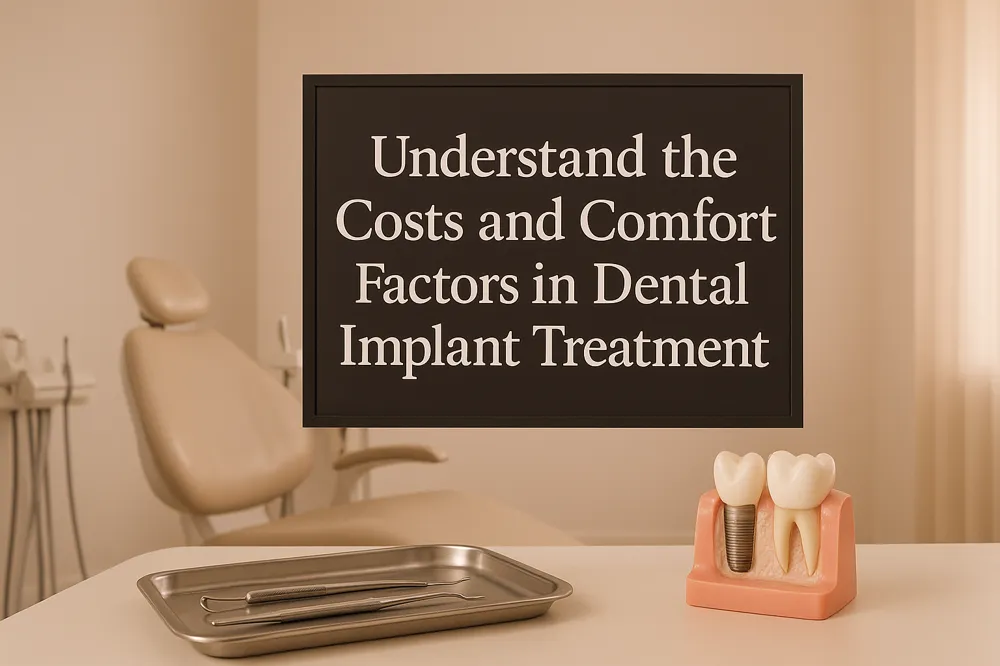
The cost of dental implants in the U.S. varies based on the extent of treatment. For a single implant pricing with a porcelain crown, patients can expect to pay between $3,500 and $6,700. Full-mouth restoration cost, which replaces an entire arch of teeth, generally ranges from $15,000 to $30,000 per arch. These price ranges reflect the complexity and materials used, typically Titanium dental implants and Customized porcelain crown.
Insurance coverage for implants is limited, as many plans consider these procedures cosmetic. However, to support patient affordability, dental clinics often offer membership plans for dental care and financing options for dental implants tailored to individual needs.
Comfort is a significant focus during Dental Implant Restoration Process. Various sedation methods are available to ensure patients feel relaxed and pain-free, including nitrous oxide (laughing gas), oral sedation, and intravenous (IV) sedation. These options allow a personalized approach depending on the patient's anxiety levels and treatment complexity.
Managing Discomfort Post-Implant is usually manageable with over-the-counter pain relievers. Mild soreness and swelling may occur after surgery but generally subside within a few days. Dental professionals provide thorough Post-Operative Instructions for Dental Implants to support a smooth recovery.
Lastly, dental practices emphasize a patient-centered dental care approach, ensuring that individuals receive professional guidance and personalized care throughout the Implant Restoration Journey. This approach fosters confidence and comfort, contributing to positive treatment experiences and successful outcomes.