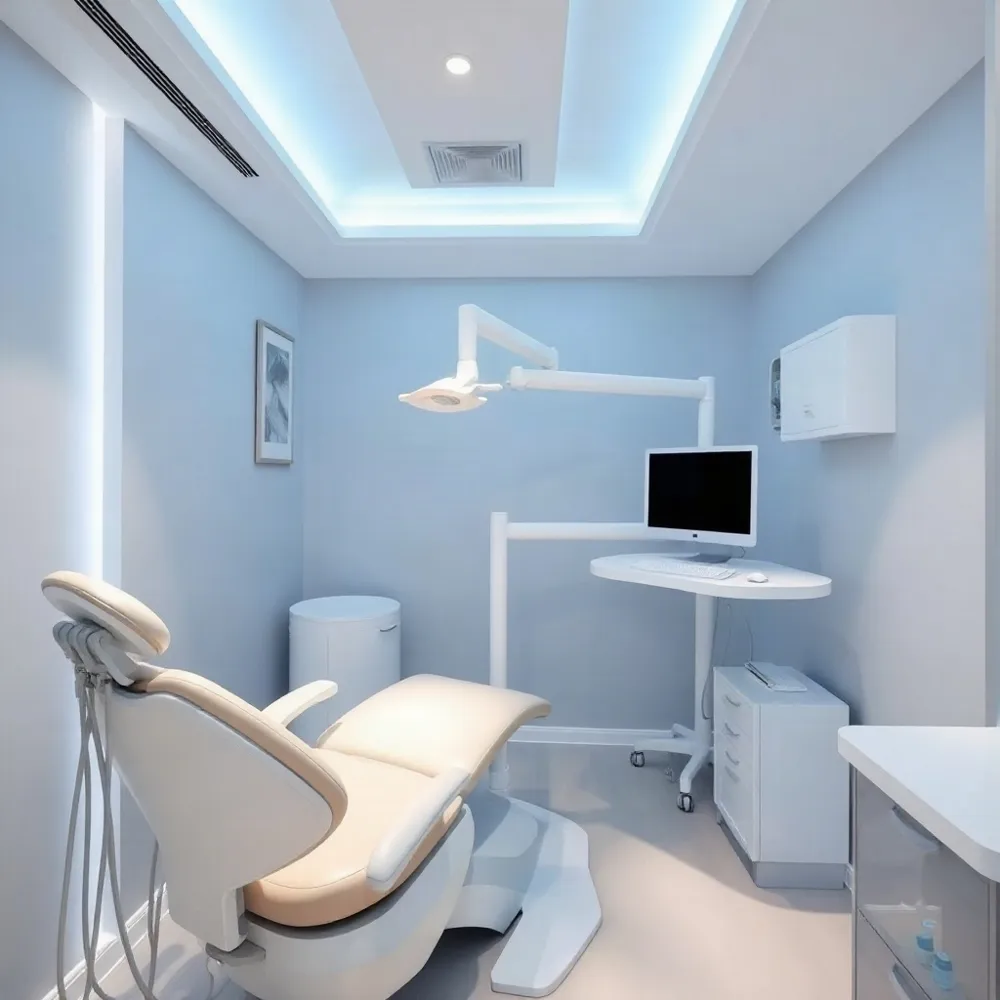
Understanding the Dental Care Evolution
The transition from a pediatric dental home to an adult-oriented practice is a significant developmental milestone. As children mature, their oral health needs shift from monitoring childhood growth and behavior management to addressing permanent dental development and long-term restorative care. The American Academy of Pediatric Dentistry highlights that this movement should be both purposeful and planned rather than an abrupt change.
For many, this evolution typically occurs between ages 14 and 16, though it remains a highly individualized process. Adolescents with Special Health Care Needs often benefit from earlier transition planning to ensure continuous, coordinated care. While pediatric specialists provide the foundational support needed during early development, a purposeful transition allows young adults to build professional relationships with dentists who focus on adult-centric procedures like crown maintenance and gum health.
At ashleyburnsdds.com, we prioritize a patient-centered approach that helps families manage these changes. Whether continuing care with a specialist or moving toward a comprehensive general practice, clear communication and the transfer of clinical history ensure that no momentum is lost in maintaining oral vitality.
Identifying the Right Time to Switch
 At what age should a child transition from a pediatric dentist to a general family dentist? There is no single mandatory age for transitioning to a general family dentist, but many patients begin this shift around age 12 to 14, once all their permanent teeth have erupted. Some teens may feel ready to move to a general practice sooner if they find a pediatric office no longer fits their comfort level or maturity. Conversely, those with special health care needs or ongoing complex dental treatments may benefit from remaining with their pediatric specialist for longer to ensure consistent care. Ultimately, the right time is determined by your child’s emotional maturity, their dental health needs, and discussions with your current dental provider. We encourage you to speak with us about a personalized transition plan that ensures a comfortable move to adult-centered care.
Beyond chronological age, clinical developmental signals frequently guide the timing of this move. Experts from the American Academy of Pediatric Dentistry note that initiating formal transition discussions between ages 14 and 16 helps establish a proactive plan. During these years, pediatric dentists monitor critical milestones, such as wisdom tooth maturity and jaw growth, which often require the intervention capabilities found in adult-oriented clinics.
Personal comfort serves as an equally vital metric. When a teen feels out of place in a pediatric-focused environment, that psychological shift often indicates newfound independence. While some practices might suggest transitioning strictly by age 18, individual readiness varies significantly. If your teen is approaching these milestones, we invite you to review their specific treatment history so we can help determine whether current dental needs are best met by continued pediatric supervision or a move toward a general dental home.
Steps for a Seamless Dental Practice Transition
 Moving to a general dental home is a significant developmental milestone. According to the American Academy of Pediatric Dentistry, this transition process should ideally be viewed as a purposeful, planned movement rather than an abrupt change. Achieving a seamless handoff begins with clear coordination between your long-time pediatric provider and your new office.
Coordinating Records and Referrals
Continuity of care relies on the accurate transfer of clinical history. Request that your current pediatric specialist provides a comprehensive summary, including treatment history, records of past cavities, and details on any complex orthodontic needs. Many families turn to pediatric dentists for referrals, as these specialists often maintain professional networks of general practitioners who are experienced in managing the evolving needs of adolescents.
When seeking a new partner in oral health, consider practices that prioritize patient-centered communication. While some providers may lack specialized training for certain conditions, as noted by the AAPD, a structured handoff significantly reduces the risk of gaps in preventative care.
Gradual Introduction and Preparation
How can parents successfully prepare their child for the transition to a new dental practice? Preparing a child for this change begins with open, age-appropriate communication that frames the growth as a positive step toward independence. Schedule a preliminary visit to the new office so your child can meet the team and become familiar with the environment before their first actual appointment. Involving your child in the process by encouraging them to ask questions and express any concerns helps them feel empowered. Maintaining a calm, reassuring attitude will help foster your child's long-term confidence and comfort with their new dental care home.
Maintaining Oral Vitality at Home
 What are the recommended oral hygiene guidelines for maintaining healthy teeth at home? To maintain optimal oral health, we recommend following the "2-2-2 rule," which consists of brushing your teeth twice daily for two full minutes each time and scheduling professional dental checkups twice a year. Brushing twice a day, particularly before bed, is essential to remove plaque buildup and allow fluoride toothpaste to strengthen your enamel overnight. Spending two full minutes brushing ensures you thoroughly clean all tooth surfaces, including the gumline and behind molars, where plaque often hides. In addition to these daily habits, don't forget to floss once a day to clean between teeth where your toothbrush cannot reach. Combining these consistent home hygiene practices with regular professional cleanings is the most effective way to prevent cavities, gum disease, and long-term dental issues.
Adolescence brings distinct challenges to oral maintenance, particularly when orthodontic appliances are present. Braces create additional crevices where food particles and plaque accumulate, increasing the risk of gingivitis. At ashleyburnsdds.com, we provide targeted education to help patients manage these hardware limitations, ensuring that orthodontic treatment does not compromise enamel integrity.
Wisdom teeth also demand heightened vigilance during the later teenage years. As these molars begin to erupt, they often become difficult to reach with standard brushing, making them frequent hot spots for inflammation. While some general practices may overlook these localized risks, our team at ashleyburnsdds.com emphasizes consistent monitoring to detect impaction early, helping to manage discomfort before it escalates into infection.
Fostering independence during these years is vital. Encouraging teens to monitor their own hygiene schedule helps transition them from guided care to lifelong ownership of their oral health. Per American Academy of Pediatric Dentistry guidelines, consistency in these habits acts as the foundation for successful long-term dental health. By maintaining consistent hygiene routines, young adults can preserve their natural teeth and avoid the more complex interventions often required when home care falters.
The Role of Specialized and General Providers
Pediatric dentists undergo two to three years of specialized training beyond standard dental school, focusing on early tooth development, behavioral management, and childhood-specific conditions. In contrast, general dentists are trained to treat patients of all ages, offering a broad scope of care that centers on long-term health needs like implants, crowns, and gum maintenance. At ashleyburnsdds.com, patients benefit from a practice that understands these shifting requirements, providing a seamless continuum as young patients transition from pediatric-focused interventions toward the comprehensive restorative care of an adult-oriented setting.
The American Academy of Pediatric Dentistry advocates that a dental home should mirror the medical home model. This concept establishes a central point for care coordination, ensuring that patient history and treatment plans remain accessible and consistent during a shift to adult-oriented systems. While some practitioners report difficulty in managing the unique needs of certain patients, the goal remains a planned, purposeful movement rather than an abrupt change. By maintaining open lines of communication during this shift, families ensure that their long-term oral health trajectory remains stable regardless of the provider type.
Embracing Your Future in Dental Health
Transitioning to an adult provider represents a meaningful leap toward long-term oral health. As young adults grow, shifting from a pediatric-centered model to a practice that focuses on adult interventions like implant or crown maintenance fosters independence and personal responsibility. Taking an active role in scheduling appointments and discussing hygiene routines helps teenagers build a professional rapport with their new clinical team.
Regular visits to a trusted general dentist provide a consistent foundation for a lifetime of healthy smiles. By choosing a provider who understands your history and evolving needs, you ensure seamless continuity of care. Embracing this evolution empowers individuals to take ownership of their wellness, setting the stage for a confident and vibrant future.