Understanding the Importance of Dental Health
Importance of Oral Health for Overall Well-Being
Oral health is a vital component of overall health and quality of life. Good dental care supports essential functions such as eating, speaking, and social interactions, which all influence daily living and self-esteem. Research shows connections between oral diseases and systemic health issues like cardiovascular disease, diabetes, respiratory infections, and even cognitive conditions such as Alzheimer's disease. Maintaining healthy teeth and gums is, therefore, crucial not only to prevent pain and tooth loss but also to reduce risks of chronic illnesses.
Common Oral Diseases and Their Systemic Impact
Tooth decay (dental caries) and gum diseases (such as gingivitis and periodontitis) are among the most common chronic conditions affecting children and adults. These diseases are primarily caused by plaque buildup—a sticky film of bacteria that produces acids harmful to tooth enamel and gums. When untreated, gum disease can lead to inflammation that affects other body systems and worsens conditions like diabetes and heart disease. Oral cancer is another critical condition detectable during routine dental exams, especially in patients over 40 or those with tobacco use or heavy alcohol consumption.
Role of Oral Hygiene and Routine Dental Visits
Effective oral hygiene practices, including brushing twice daily with fluoride toothpaste and daily flossing, are essential to reduce plaque accumulation and prevent dental problems. However, professional dental care is indispensable. Routine dental visits twice a year enable early detection of cavities, gum disease, oral cancer, and other dental issues. During these visits, dentists perform cleanings to remove tartar and plaque that daily brushing cannot eliminate. They also provide personalized advice on improving oral hygiene and address individual risk factors. These preventive efforts help avoid more invasive treatments, maintain a bright smile, and promote long-term oral and systemic health.
Together, good home care and regular dental checkups form the foundation of sustained oral health and contribute significantly to overall well-being.
Routine Dental Checkups: The Cornerstone of Preventive Oral Care
What are routine dental checkups and how often should you visit?
Routine dental checkups involve professional teeth examinations and cleanings aimed at preventing and detecting oral health issues early. For most people, dentists recommend visiting every six months. This biannual schedule allows for early identification of cavities, gum disease, and oral cancer, enabling timely intervention before problems worsen. However, visit frequency varies by individual risk; patients with conditions like diabetes, a history of frequent cavities, or gum disease might need dental visits every three to four months. Consulting with your dentist at Ashley E. Burns, DDS dental practice can help tailor a personalized plan based on your unique health status.
What happens during a typical dental check-up?
Your dental visit begins with a professional cleaning by a hygienist. This includes removing plaque and tartar buildup that daily brushing and flossing cannot eliminate, polishing the teeth, and occasionally applying fluoride treatments to strengthen enamel. X-rays may be taken if further detailed evaluation is needed.
Following cleaning, the dentist inspects your teeth, gums, tongue, and other oral tissues for signs of decay, gum disease, and abnormal conditions such as early oral cancer. They also review your dental x-rays if taken, assess jaw alignment, and discuss your overall oral health. Treatments or preventive advice are recommended based on findings.
The entire examination usually lasts between 45 to 60 minutes. This routine is critical to maintaining healthy teeth and gums, preventing tooth loss, and reducing the risk of systemic diseases linked to poor oral health.
Benefits of professional dental cleanings
Professional cleanings remove hardened plaque and tartar inaccessible by home care, which helps prevent cavities and gum inflammation. Regular cleanings reduce the risk of gum disease progression that could otherwise lead to bone loss and tooth extractions. They also freshen breath and brighten your smile.
Early detection and personalized care
Routine checkups enable dentists to detect issues in early stages, such as small cavities or mild gum disease, which require less invasive treatment. Oral cancer screening is an integral part of visits, especially vital for adults over 40 and those using tobacco or alcohol.
Moreover, dentists provide tailored advice on brushing and flossing techniques, dietary recommendations, and lifestyle changes to protect your oral health. This personalized approach helps patients maintain healthy habits and prevents future dental problems.
Overall, regular dental checkups and professional cleanings form the foundation of preventive oral care, enhancing both your dental and overall health. Scheduling consistent visits with skilled providers like Dr. Ashley E. Burns, DDS in Midland, Texas, strengthens your oral health journey by catching problems early and supporting your smile for years to come.
Maintaining Oral Hygiene: Best Practices for Healthy Teeth and Gums
What are the best ways to keep your teeth healthy and strong?
Maintaining healthy teeth and gums begins with consistent daily practices. Brushing twice a day using a soft-bristled toothbrushes with fluoride toothpaste benefits helps remove Dental plaque and enamel damage and strengthen tooth enamel. Flossing daily removes debris and plaque from between teeth where a toothbrush cannot reach, reducing the risk of Detecting tooth decay early and Treating gum disease. Routine dental checkups and professional cleanings are vital for early detection and treatment of dental issues.
A balanced diet low in added sugars and adequate hydration with fluoridated water support oral health. Avoiding tobacco and limiting alcohol intake further reduces risks of gum disease and oral cancer. Additionally, managing systemic conditions such as diabetes and addressing Managing dry mouth symptoms contribute to Maintaining healthy teeth and gums.
What are some effective dental health tips for maintaining healthy teeth and gums?
Effective dental care includes brushing for two minutes twice daily, reaching all tooth surfaces and the gumline gently to remove plaque effectively. Brushing and flossing techniques and daily interdental cleaning with floss or interdental brushes is essential to clean between teeth. Limiting sugary and acidic foods and drinks helps prevent enamel erosion and cavities.
Routine dental visits for checkups and cleanings ensure oral health is monitored and maintained. Avoiding tobacco use and using protective gear, like mouthguards during sports, also promote long-term oral well-being.
How can you clean your teeth at home to effectively remove plaque?
Effective plaque removal at home requires brushing with a soft-bristled toothbrush at a 45-degree angle to the gums using gentle circular or elliptical motions. Flossing once daily removes plaque and food particles from tight spaces between teeth that brushing can't reach.
Incorporating fluoride mouthwashes can help reduce bacterial load and strengthen tooth enamel. Maintaining a diet that limits sugary and starchy foods supports plaque control. Despite these measures, professional cleanings at the dental office are necessary to remove hardened plaque (tartar) that cannot be removed by home care alone. For more detailed information, see daily brushing and flossing and professional dental cleaning.
Special considerations for individuals with dry mouth or manual dexterity challenges
For individuals experiencing dry mouth, often due to medications or health conditions, sipping water regularly, avoiding alcohol and caffeine, and using saliva substitutes or artificial saliva can help protect oral tissues and reduce decay risk.
Patients with limited manual dexterity, such as older adults or those with arthritis, may benefit from Electric toothbrushes for older adults, floss holders, or toothbrushes with larger handles to improve effectiveness and comfort during oral hygiene routines.
Maintaining consistent oral care with adaptations tailored to individual needs ensures optimal oral health and prevention of dental diseases. For further insights, consult Dental Hygiene Practices and Oral health and disease prevention.
The Link Between Oral Health and Overall Wellness

Why is it important to take care of your teeth?
Taking care of your teeth is essential not only to maintain a bright smile and fresh breath but also to protect your overall health. Good oral hygiene helps prevent common problems like Dental checkups, which can cause pain, tooth loss, and infections if untreated. Crucially, poor oral health is linked to serious conditions such as heart disease, diabetes, and cognitive decline. Regular daily brushing and flossing, a balanced diet, and Routine dental visits reduce the harmful bacteria in the mouth, preventing them from entering the bloodstream and triggering inflammation throughout the body. Thus, maintaining your dental health supports both daily comfort and long-term wellness.
What diseases can result from poor dental hygiene?
Poor dental hygiene not only leads to Dental caries in children and adults and Periodontal and gingival diseases but also contributes to systemic illnesses. When untreated, gum disease and systemic diseases can increase the risks of cardiovascular disease, stroke, complications in diabetes, respiratory infections, and adverse pregnancy outcomes like premature birth. Research also links poor oral health to higher risks of Alzheimer’s disease, osteoporosis, rheumatoid arthritis, kidney disease, certain cancers, and increased severity of illnesses such as COVID-19. These connections highlight the importance of oral health and overall well-being as a preventive measure for protecting overall body health.
What are the benefits of maintaining good oral hygiene?
Maintaining good oral hygiene offers significant benefits beyond the mouth. It prevents tooth decay and gum disease by controlling bacterial growth and plaque accumulation, keeping gums healthy. Effective oral care lowers the risk of heart disease, stroke, and diabetes complications by reducing bacterial inflammation. It also supports respiratory health by preventing infections like pneumonia. For pregnant individuals, good oral hygiene reduces risks of premature birth and low birth weight. Ultimately, consistent Regular dental check-ups fosters excellent oral health and contributes positively to overall physical well-being.
The Role of Dental Fillings and Treatments in Maintaining Oral Health
What is the significance of cavity fillings in dental care?
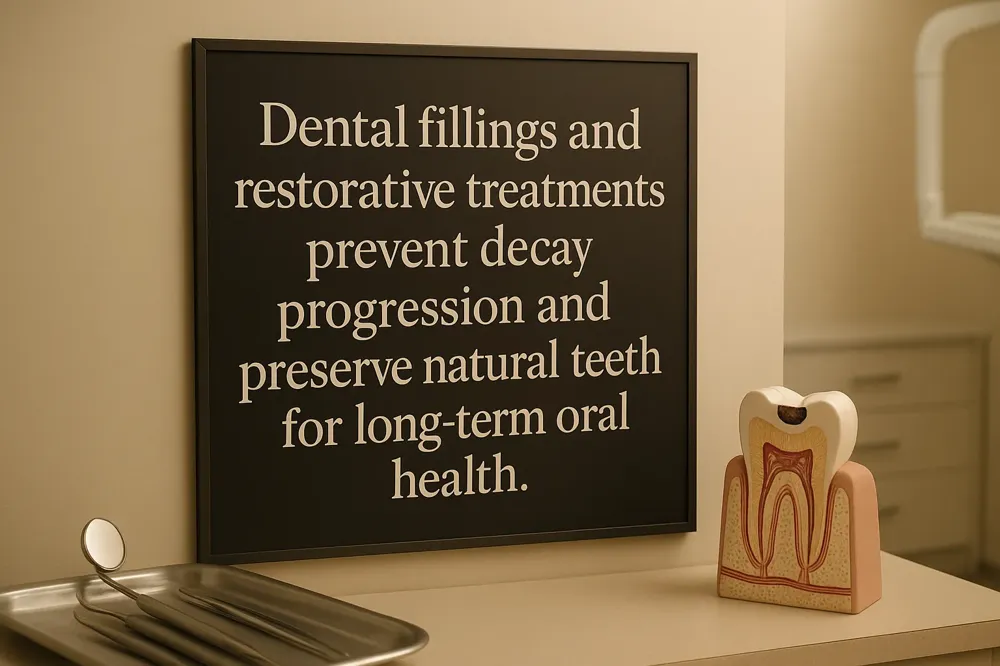
Cavity fillings are vital in repairing tooth decay damage by restoring the tooth's function and structure. They seal off cavities to prevent bacteria from causing further infection or decay, which helps avoid more severe problems.
Fillings preserve oral health and overall health by stopping decay progression, reducing the risk of tooth loss. They also maintain aesthetics, especially with tooth-colored composite materials that blend naturally with surrounding teeth.
Early treatment with fillings minimizes the need for advanced procedures like root canals or extractions, making them a cost-effective and less invasive option.
Prevention of further decay and tooth loss
By sealing cavities, fillings create a barrier that protects the tooth from acid-producing bacteria. This prevents decay from spreading to surrounding tooth tissue.
Addressing cavities early prevents weakening of the tooth structure that could lead to fractures or eventual tooth loss.
Regular dental checkups enable timely detection and treatment of cavities with fillings before they progress.
Treatment options and restorative dental care
Dentists offer various filling materials such as amalgam, composite resin, glass ionomer, and gold, chosen based on tooth location, patient preference, and health factors.
Restorative care may extend beyond fillings to crowns, bridges, or implants when decay or damage is extensive.
Personalized treatment by dental professionals ensures optimal restoration, function, and aesthetics, supporting long-term oral health.
In summary, cavity fillings play a critical role in maintaining dental health by repairing decay, preventing further damage, and preserving natural teeth with minimally invasive treatments.
Overcoming Barriers to Regular Dental Care: Access and Patient Comfort
What are common barriers to regular dental care?
Many patients face barriers to accessing dental care, including financial constraints, fear or anxiety about dental procedures, and limited accessibility especially in rural areas or for mobility-challenged individuals. Elderly patients often cite lack of money, perceived lack of need, unpleasant past experiences, and transportation difficulties as reasons for irregular dental visits. Barriers to Dental Care
How can patient-centered care improve dental attendance?
Dental practices that emphasize patient-centered care focus on clear communication, gentle treatment approaches, and personalized education about oral health. Establishing trust and rapport encourages patients to maintain regular visits. Dentists like Dr. Ashley Erin Burns in Midland, TX, provide attentive care that addresses individual patient concerns, improving treatment compliance and satisfaction.
What techniques help manage dental anxiety?
Sedation dentistry options, including mild sedatives and relaxation techniques, can ease patient fears during appointments, making dental care more comfortable and less stressful. Open communication between dental staff and patients about anxieties supports tailored approaches, building confidence for routine care. These strategies are vital for patients who would otherwise avoid dental visits due to intimidation or past negative experiences. Managing Dental Anxiety
By addressing financial, psychological, and accessibility barriers with compassionate, personalized care and anxiety management, dental professionals can help patients overcome obstacles to regular dental checkups, ultimately promoting better oral and systemic health outcomes.
Long-Term Benefits of Routine Dental Checkups for All Ages
What common oral health problems should people be aware of?
People should be aware of several common oral health problems, including Dental caries in children and adults (tooth decay), which occurs when plaque bacteria produce acids that damage tooth enamel leading to cavities. Periodontal and gingival diseases such as gingivitis—marked by inflamed and bleeding gums—and periodontitis, a more severe form leading to tooth loss, are prevalent concerns. Other issues include tooth sensitivity, chipped or cracked teeth, persistent bad breath, Oral cancer screening, and Bruxism (tooth grinding). Early detection through routine dental visits is critical to managing these conditions effectively.
Improved oral health outcomes with consistent dental visits
Long-term dental visiting patterns significantly improve oral health outcomes. Patients who attend Routine Dental Checkups have fewer cavities, less tooth loss, and better gum health compared to those who seek care only when problems arise. Sustained Preventive dental care enables early intervention, reducing the need for extensive and costly procedures. Professional dental cleanings remove plaque and tartar that daily brushing cannot eliminate, preventing progression of oral diseases.
Socioeconomic factors influencing dental attendance
Socioeconomic Factors in Dental Care strongly affect dental care utilization. Higher education and income levels correlate with increased frequency of routine dental visits, better home care practices, and improved oral health. Conversely, financial constraints, dental anxiety, and limited access reduce attendance and worsen outcomes. Addressing these barriers through Affordable dental care options, education, and community resources is essential for equitable oral health.
Role of routine visits in elderly populations and chronic disease management
Regular dental checkups are especially vital for elderly individuals, who face increased risks of dental diseases and are more likely to have chronic conditions such as diabetes and cardiovascular disease. Routine dental care in this group helps detect oral problems early, supports managing systemic diseases, and improves quality of life. Studies show elderly patients with consistent dental visits report less pain, better chewing ability, and reduced medication use for dental pain.
Cost-effectiveness and enhanced quality of life
Routine dental checkups are a cost-effective strategy to maintain oral health and prevent expensive emergency treatments. Early treatments necessitated by regular visits are simpler and less invasive. Moreover, good oral health enhances psychological and social well-being, contributing to confident smiles, clear speech, and overall happiness.
| Aspect | Benefits of Routine Dental Visits | Notes |
|---|---|---|
| Oral health outcomes | Reduced cavities, fewer lost teeth, better gum health | Enabled by early detection and professional dental cleanings |
| Socioeconomic factors | Higher attendance among educated and higher-income groups | Lower access increases oral health disparities (Socioeconomic Factors in Dental Care) |
| Elderly and chronic disease | Fewer dental emergencies, supports systemic health | Improves quality of life and reduces pain (Dental Health in Elderly Patients |
| Cost-effectiveness | Lowers need for complex treatments, reduces dental costs | Early care is less costly and more effective (Cost-effectiveness of dental care) |
| Quality of life | Boosts confidence, improves function and well-being | Healthy smiles impact social interactions (Oral Health and Self-Esteem) |
Prioritize Your Oral Health with Routine Dental Visits
Regular dental checkups are fundamental to maintaining optimal oral health and overall well-being. These visits enable early detection of dental issues such as cavities, gum disease, and oral cancer, allowing for timely, less invasive, and more cost-effective treatment.
Professional cleanings during these appointments remove plaque and tartar build-up that cannot be effectively handled by home care alone. This helps maintain healthy gums, prevents bad breath, and supports a bright, confident smile.
Dentists also provide personalized advice on oral hygiene techniques, diet, and preventive strategies tailored to each patient's needs, enhancing the effectiveness of daily care.
Routine visits foster positive dental experiences and reduce anxiety by building trust between patient and provider. Furthermore, maintaining regular checkups can lower the risk of systemic health issues linked to poor oral hygiene, such as heart disease and diabetes.
Residents of Midland, Texas are encouraged to schedule their routine dental visits with Dr. Ashley E. Burns, DDS. Her practice offers comprehensive, patient-centered care with a strong focus on education and prevention, ensuring high-quality treatment and improved oral health outcomes.
Make your oral health a priority—contact Dr. Burns at 697-3333 to book your next dental checkup and keep your smile healthy and vibrant.