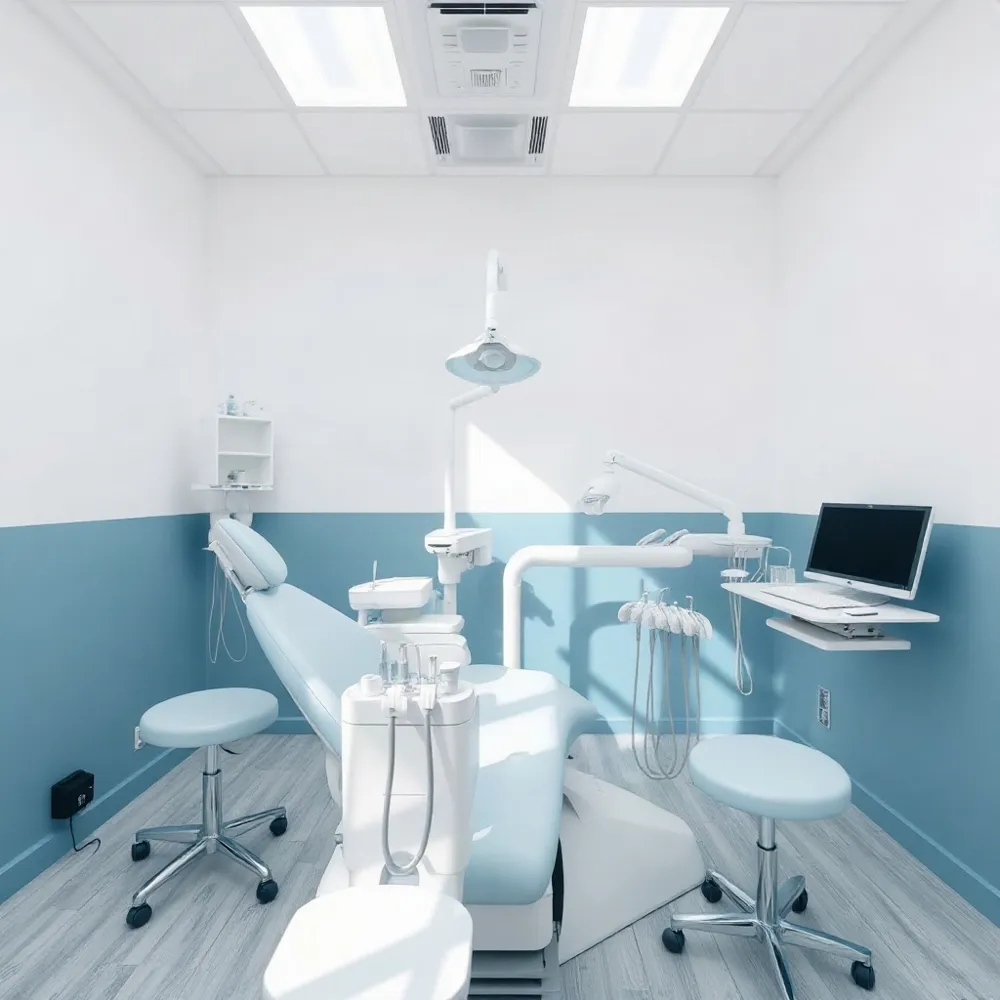
From Film to Pixels: A New Era in Dental Care
A More Comfortable and Collaborative Visit
For many, a trip to the dentist used to involve the uncomfortable bite of bulky film packets and a long, anxious wait for X-rays to develop. Today, digital imaging has transformed that experience into something far more efficient and reassuring. Instead of film, a small, rounded electronic sensor is gently placed in the mouth, capturing high-resolution images in a fraction of a second. Because these sensors are more sensitive to radiation, exposure is reduced by up to 80 percent compared to traditional film X-rays, making the process significantly safer for patients of all ages, especially those who require frequent monitoring.
The most profound change, however, is the immediacy of the results. Within seconds, the digital image appears on a screen right beside the dental chair. This eliminates the 5-to-10-minute wait for film development and opens the door for real-time discussion. The dentist can immediately zoom in on a specific area, adjust the contrast for better clarity, and show you exactly what is happening with your teeth and gums. This instant feedback turns the diagnostic process into a collaborative conversation, greatly improving your understanding and comfort.
The Core Technologies Behind Modern Dentistry
Digital dentistry is not a single technology but a suite of advanced tools that work together to enhance every step of your care. Three core technologies form the foundation of this modern approach: digital X-rays, cone-beam computed tomography (CBCT), and intraoral scanners.
| Technology | Primary Function | Key Patient Benefit |
|---|---|---|
| Digital X-Rays | Provide high-resolution 2D images of teeth, roots, and bone for detecting cavities, infections, and bone loss. | Up to 90% less radiation than film; instant results for same-visit diagnosis. |
| Cone-Beam CT (CBCT) | Produces detailed 3D images of teeth, jawbone, nerves, and sinuses in a single scan. | Crucial for safe implant planning; reveals hidden anatomy for complex procedures. |
| Intraoral Scanners | Create precise 3D digital models of teeth and gums using a wand-like camera. | Eliminates messy, uncomfortable traditional impressions; enables same-day restorations. |
How They Work Together
- Digital X‑rays serve as a quick, low-dose screening tool for routine check-ups, instantly showing cavities, gum disease, and other common issues.
- When more detail is needed—for example, to plan a dental implant or investigate a persistent pain—CBCT provides a full 3D map of the anatomy. This allows the dentist to measure bone density, locate nerves, and design a surgical guide for pinpoint accuracy.
- Intraoral scanners then take the process further by capturing a digital “impression” of your teeth. This data is used to create custom crowns, bridges, or aligners, often in a single visit, without the gagging or discomfort of traditional putty impressions.
Transforming the Patient Experience
The shift from film to pixels has a direct, positive impact on what you feel during an appointment. Beyond the significant reduction in radiation, the smaller size and rounded edges of digital sensors make the X-ray process far more comfortable than older film holders. Because images are instantly available, there is rarely a need for repeat exposures due to development errors, and your dentist can correct any positioning issues on the spot. This efficiency shortens your time in the chair and often eliminates the need for a separate follow-up visit just to review results.
Furthermore, the clarity of these digital images empowers you as a patient. Being able to see a high-definition, enlarged image of your own tooth on the screen helps you understand the diagnosis and the rationale for a proposed treatment. This shared visual understanding builds trust and leads to more informed decisions about your care, whether it’s a simple filling or a complex implant procedure.
Setting the Stage for Superior Care
Digital imaging is not just about replacing film; it is about unlocking a new level of diagnostic precision and treatment predictability. With 2D digital X-rays, dentists can detect cavities, bone loss, and infections that are invisible to the naked eye. The addition of 3D imaging with CBCT provides an unparalleled view of your oral structures, which is essential for safe and successful implant placement, root canal therapy, and orthodontic planning. These technologies allow for personalized treatment plans that are more accurate, less invasive, and ultimately lead to better long-term outcomes.
Digital Dentistry: More Than Just X-Rays
 Imagine walking into a dental office where, instead of messy impression trays and waiting days for a crown, your dentist creates a precise 3D digital model of your teeth in minutes and designs a custom restoration right there. This is the reality of digital dentistry, a comprehensive approach that uses advanced technologies to transform nearly every aspect of dental care. While digital X-rays are a key component, digital dentistry encompasses a wider ecosystem of tools that work together to elevate precision, efficiency, and the patient experience from diagnosis through treatment completion. For patients in Midland, Texas, this translates to more comfortable visits and better, longer-lasting results.
What is digital dentistry and how is it transforming dental care?
At its core, digital dentistry refers to the use of computer-controlled technologies to perform dental procedures rather than using purely mechanical or electrical tools. This broad field includes several transformative technologies:
- Intraoral Scanners: These handheld devices capture highly detailed, high-resolution 3D images of teeth and gums by projecting a safe light source into the mouth. The result is a precise digital model that eliminates the need for traditional, often uncomfortable, impression materials. The process is faster, more comfortable for patients, and provides an immediate digital record.
- CAD/CAM Systems: Computer-Aided Design (CAD) and Computer-Aided Manufacturing (CAM) allow dentists to design and fabricate dental restorations like crowns, veneers, inlays, and bridges in a single appointment. Instead of sending an impression to a lab and waiting weeks, the dentist can design the restoration on a computer and have a milling machine create it from a solid block of ceramic in about 15 minutes.
- 3D Printing: This technology builds physical objects layer by layer from a digital file. In dentistry, 3D printers create highly accurate models for orthodontic treatment planning, surgical guides for precise implant placement, and even temporary or permanent crowns and bridges. This speed and customization significantly reduce the time between diagnosis and treatment.
- Digital Radiography and Cone Beam CT (CBCT): While standard digital X-rays provide superior 2D images with less radiation, CBCT scans produce a three-dimensional view of the teeth, jawbone, nerves, and sinuses. This is invaluable for planning complex procedures like dental implants, root canals, and orthognathic surgery, ensuring that treatment is as accurate and safe as possible.
The impact on dental care is profound. Digital dentistry increases precision, reduces the need for multiple appointments, minimizes errors, and allows for better communication. For example, with an intraoral scan and CAD/CAM, a patient can have a crown designed, milled, and cemented in a single visit instead of two. The improved accuracy of digital impressions leads to a better fit for restorations, which translates to longer-lasting and more comfortable results. Furthermore, the ability to share digital records seamlessly enhances collaboration between the primary dentist and any specialists involved in a patient's care.
What is the difference between radiography and radiology in dentistry?
These two terms are often used interchangeably, but they represent distinct aspects of dental imaging. Understanding the difference is crucial for appreciating how modern technology enhances both the technical and diagnostic sides of your care.
Radiography refers to the technical process of taking a radiograph (X-ray image). It involves the equipment, the sensor or film, and the physical act of capturing the image. When your dental hygienist places a sensor in your mouth and takes a bitewing X-ray, they are performing dental radiography. The quality of a radiographic image depends on proper technique, correct exposure settings, and the patient's positioning. Digital radiography has revolutionized this process by providing instant feedback on image quality, reducing the need for retakes, and requiring significantly less radiation than traditional film.
Radiology is the medical specialty dedicated to interpreting those images for the purpose of diagnosis and treatment planning. It is the science of looking at the radiograph and identifying what is normal and what is abnormal. In dentistry, the general dentist is most often the radiologist, analyzing the image to diagnose cavities, bone loss from gum disease, infections at the tip of a tooth root (periapical pathology), tumors, and other conditions. For complex cases, a dentist might consult with an oral and maxillofacial radiologist, a specialist with advanced training in interpreting 2D and 3D images.
In practice, radiography and radiology are inseparable partners. High-quality radiographs (the technical product) are essential for accurate interpretation (the diagnostic skill). Digital imaging enhances both: it produces clearer, more detailed images that are easier to interpret, and its immediate availability allows the dentist to discuss findings with you in real-time, fostering a more informed and collaborative treatment process. For a patient, this means a safer exam and a more thorough, understandable explanation of your oral health. To visualize this, the table below summarizes the key differences:
| Aspect | Radiography | Radiology |
|---|---|---|
| Definition | The technical act of taking an X-ray image. | The medical specialty of interpreting X-ray images for diagnosis. |
| Primary Focus | Equipment, technique, patient positioning, and image capture. | Identifying normal anatomy and diagnosing pathology (cavities, bone loss, infections). |
| Who Performs It? | Dental hygienist, dental assistant, or dentist. | Dentist, or oral and maxillofacial radiologist (for complex cases). |
| Key Outcome | A diagnostic-quality image with proper exposure and contrast. | An accurate diagnosis and a comprehensive treatment plan based on image findings. |
Safer, Faster, Sharper: The Power of Digital Radiographs
The most significant advantage of digital dental radiographs is the dramatic reduction in radiation exposure—up to 80–90% less than traditional film X-rays. This makes digital imaging a far safer option, particularly for patients who require frequent scans, children, or those with heightened health concerns.
Digital sensors capture an image using 256 shades of gray, compared to the 25 shades available with traditional film. This increased depth of detail allows dentists to distinguish between subtle variations in tissue density, revealing early cavities, microfractures, and bone loss that might be completely invisible on a film X-ray.
Beyond safety and clarity, digital radiographs are instantly available on a screen. There is no waiting for chemical development. This immediate feedback allows your dentist to assess image quality on the spot, virtually eliminating the need for retakes and further reducing your exposure.
The instant availability of these high-resolution digital images transforms the diagnostic process. Your dentist can zoom in on dental scans, adjust contrast, and enhance specific areas without any additional radiation exposure. This capability supports earlier, more precise treatment decisions and helps prevent minor issues from becoming major problems.
How digital X-rays improve patient comfort and communication
Everything from the equipment design to the way images are shared is improved with digital radiography. The small, thinner, rounded electronic sensors used for intraoral X-rays are far more comfortable than the bulky film holders and tabs used with traditional methods. This enhanced comfort helps patients relax during the procedure.
Once captured, the image appears on a monitor positioned right in the treatment room. This allows your dentist to discuss findings with you in real-time. You can see exactly what they see—a clear cavity between teeth, the shape of a root, or the level of supporting bone. This shared visual experience makes complex dental conditions easy to understand, turning abstract jargon into a straightforward conversation.
Improved communication builds trust and empowers you to make informed decisions about your care. Instead of describing a problem, your dentist can show it to you, explain the recommended treatment, and answer your questions while the image is right in front of you.
The diagnostic edge: detecting hidden cavities, bone loss, infections, and early oral cancer
Digital radiography is a powerful diagnostic tool that uncovers issues that are invisible to the naked eye and often missed by traditional film. High-resolution digital images can reveal small, early-stage cavities between teeth (interproximal caries) and secondary decay beneath existing fillings or crowns.
Digital imaging provides detailed views of the jawbone, allowing dentists to measure bone levels and detect early signs of periodontal disease and bone loss. This is essential for monitoring gum health and planning interventions before the condition worsens.
Infections at the root tip (periapical pathology) are often clearly visible on a digital periapical X-ray, even before you feel pain. This allows for early endodontic intervention, which can save a tooth that might otherwise be lost.
Finally, the enhanced detail of digital radiographs supports oral cancer screening. Suspicious calcifications or subtle asymmetries in bone and soft tissues can be identified earlier, prompting timely referral and evaluation. This diagnostic edge is a cornerstone of preventive and proactive dental care. By catching hidden cavities, tracking bone health, identifying infections, and supporting oral cancer screening, digital radiographs provide a complete picture of your oral health with unmatched safety, speed, and precision.
The table below summarizes the key differences between digital and traditional film-based radiographs.
| Feature | Traditional Film X-ray | Digital Radiograph | Clinical Benefit |
|---|---|---|---|
| Radiation Exposure | Higher | Up to 80–90% lower | Increased safety, especially for frequent imaging |
| Image Quality | 25 shades of gray | 256 shades of gray | Detects subtle density variations (early decay, bone loss) |
| Image Availability | Requires 5–10 min chemical development | Appears on screen in seconds | Faster diagnosis, no wait for results |
| Image Enhancement | None | Zoom, contrast, brightness adjustment | Better visualization without additional radiation |
| Patient Comfort | Bulky film holders | Smaller, thinner, rounded sensors | More comfortable procedure |
| Environmental Impact | Requires chemical processing | No chemicals, reduced waste | Eco-friendly practice |
| Storage & Sharing | Physical film archives | Electronic, instantly shareable | Easy retrieval, seamless specialist referrals |
| Diagnostic Accuracy | Risk of over/under exposure, retakes | Immediate quality check, retakes rare | More consistent, reliable diagnoses |
| Compatibility | Standalone film processor | Integrates with practice software & AI tools | Supports modern digital workflows |
Seeing in 3D: The Role of Cone Beam CT

What does a cone beam CT (CBCT) scan for teeth do?
A cone beam CT (CBCT) scan provides a level of detail standard two-dimensional X-rays simply cannot match. It uses a cone-shaped X-ray beam that rotates around your head, capturing hundreds of images in a single pass. These are then reconstructed into a single, highly accurate three-dimensional model of your teeth, jawbone, nerve pathways, and soft tissues.
This 3D information is essential for precise treatment planning. For dental implants, CBCT allows your dentist to measure bone height, width, and density, and to locate the inferior alveolar nerve and sinus floor accurately. This data can even be used to create computer-designed surgical guides, ensuring implants are placed at the exact optimal angle and depth for long-term success.
The technology is also invaluable for complex endodontic procedures (root canals). It can reveal hidden root canals, cracked teeth, and infections in the bone that are invisible on standard X-rays. CBCT is also used to evaluate impacted teeth, diagnose temporomandibular joint (TMJ) disorders, and assess jaw pathology, providing a comprehensive picture for safer, more predictable treatment.
How much radiation is in a dental cone beam CT scan compared to other dental X-rays?
While CBCT provides more diagnostic information than standard X-rays, it does involve a higher radiation dose. To put this in perspective, the effective dose from a typical dental CBCT scan ranges from about 10 to 100 microsieverts (µSv), depending on the size of the area being scanned and the equipment settings.
For comparison, a single panoramic X-ray delivers around 10 µSv, and a full-mouth series of intraoral X-rays is about 35 µSv. A small, targeted CBCT scan (e.g., for a single tooth) might be comparable to a few panoramic X-rays. However, this is still a fraction of the radiation from a medical CT scan. Most importantly, these doses are well below levels associated with any measurable health risk, but they follow the ALARA principle (As Low As Reasonably Achievable).
Modern CBCT units allow dentists to select a field of view (FOV) that precisely matches the diagnostic need—from a tiny volume for a single tooth to a full-head scan. This targeted approach, along with low-dose pediatric protocols, minimizes radiation exposure while still providing the necessary 3D information to guide your care.
Is it safe to have a cone beam CT scan during pregnancy?
The safety of any X-ray during pregnancy is a common and valid concern. The fetal dose from a dental CBCT is extremely low—typically between 0.009 µSv and 7.97 µSv, which is less than the natural background radiation we are all exposed to daily. This level of exposure is considered to have a negligible risk to a developing fetus.
As a standard precaution, elective X-rays are usually postponed until after delivery. However, if a CBCT scan is medically necessary to diagnose an urgent dental problem (like a severe infection or to plan a necessary surgical procedure), it is generally considered safe to perform with proper shielding. Always inform your dentist if you are or may be pregnant so they can use appropriate precautions and make the best decision for your health and your baby's safety.
| Imaging Modality | Typical Radiation Dose (µSv) | Primary Uses | Key Benefits & Notes |
|---|---|---|---|
| Single Digital X-ray | < 2 | Routine checkups | Lowest dose; used for general cavity & bone loss detection. |
| Panoramic X-ray | ~ 10 | Broad view of jaws | Good for screening impacted teeth & general anatomy. |
| Full-Mouth Series (FMX) | ~ 35 | Comprehensive intraoral exam | Detailed view of every tooth and surrounding bone. |
| CBCT (Limited FOV) | 10 – 40 | Single implant / endodontic case | 3D view; much lower than medical CT for targeted diagnosis. |
| CBCT (Full Craniofacial) | 50 – 100 | Orthognathic surgery / trauma | Highest dental dose but essential for complex 3D planning. |
| Medical CT Scan | 400 – 2,000 | Hospital-based full anatomy | Highest dose; rarely used in routine dental care. |
When Advanced Imaging Is Needed: Cost, Benefits, and Considerations
While standard digital X-rays are excellent for routine check-ups, advanced 3D imaging like Cone Beam Computed Tomography (CBCT) provides a level of detail that is essential for complex treatments. The decision to use this technology is always made on a case-by-case basis, prioritizing your safety and diagnostic needs.
How much does a cone beam CT scan cost, and is it covered by dental insurance?
The cost of a dental CBCT scan is an investment in precision. It typically ranges from $100 to $700, influenced by the size of the area scanned, your location, and whether a radiologist reviews the images.
Coverage can vary significantly. Many dental insurance plans cover CBCT scans when they are deemed a medical necessity for specific procedures, such as:
- Dental implant planning
- Complex wisdom tooth extractions
- Diagnosis of persistent pain or pathology
For other uses, such as diagnosing TMJ disorders or sleep apnea, your medical insurance may provide coverage. It is always best to contact your insurance provider to confirm your specific benefits, as some plans require pre-authorization. Many practices also offer payment plans to make this advanced diagnostic tool accessible.
What are the disadvantages of a CBCT scan?
While the benefits of a CBCT scan are significant for complex cases, it's important to understand the considerations:
| Disadvantage | Details | Clinical Context |
|---|---|---|
| Increased Radiation Exposure | Higher than standard 2D bitewing or panoramic X-rays, but significantly lower than a medical CT scan. | The small additional risk is outweighed by the diagnostic benefits for specific procedures. We strictly follow the ALARA (As Low As Reasonably Achievable) principle. |
| Higher Cost | More expensive than a single digital X-ray, reflecting the advanced technology and detailed data. | The cost is an investment in treatment accuracy, which can prevent complications and save money in the long run. |
| Artifacts from Metal | Metal restorations, crowns, or implants can cause streaks or distortion (“beam hardening”) in the 3D image. | While this can obscure adjacent details, it does not negate the diagnostic value of the scan for the area of interest. |
| Limited Soft Tissue Contrast | CBCT provides excellent detail of bone and teeth but less contrast for soft tissues like muscles, glands, or nerves compared to MRI. | For evaluating soft tissue pathology, your dentist may recommend MRI as a complementary imaging tool. |
Will a CBCT show a cracked tooth?
Yes, a CBCT scan is a powerful tool for detecting cracked teeth, particularly those that are invisible on standard 2D radiographs. The three-dimensional view allows your dentist to:
- Identify the crack's extent and location.
- Assess whether the crack extends into the pulp (nerve chamber) or down the root.
- Evaluate the surrounding bone for signs of infection or inflammation.
This information is crucial for deciding on the best treatment, which may range from a simple crown to a root canal or extraction. Research indicates that CBCT is significantly more accurate than 2D imaging for determining the presence and severity of a crack, although very fine or incomplete cracks can sometimes still be challenging to detect. In such cases, clinical examination and other diagnostic clues remain essential.
| Imaging Modality | Role in Clinical Practice | Key Considerations |
|---|---|---|
| Digital 2D X-Rays (Periapical/Bitewing) | Standard for cavity detection, routine check-ups, and monitoring bone levels. | Low cost, very low radiation. Excellent for 90% of diagnostic needs. |
| Panoramic X-Ray | A broad, bird’s-eye view of the entire jaw, sinuses, and teeth. Used for initial screening and impacted tooth assessment. | Moderate radiation. Good for overall overview, but less detailed than intraoral films or CBCT. |
| Cone Beam CT (CBCT) | 3D imaging for complex cases: implant planning, root canal anatomy, wisdom teeth, jaw pathology, and trauma. | Higher detail, moderate cost. Radiation is higher than 2D X-rays but much lower than medical CT. |
| Medical CT / MRI | For evaluating soft tissue tumors, TMJ internal derangement, salivary gland issues, and acute trauma. | Highest detail for soft tissues, highest cost and radiation (for CT). MRI uses no ionizing radiation. |
Advanced imaging is a cornerstone of modern, precise dentistry, allowing for safer and more predictable outcomes. By understanding the purpose, cost, and considerations of each modality, you can make informed decisions alongside your dental care team.
Better Care Starts with Better Images: A Summary
Why Digital Imaging Matters for Your Dental Care
The move from traditional film X-rays to digital imaging is one of the most significant advances in modern dentistry. For patients, this means a safer, faster, and more comfortable experience. For your dentist, it provides the detailed information needed to detect problems early and plan treatments with exceptional precision. At the heart of this technology lies a simple truth: better images lead to better care.
Digital imaging offers three core benefits that directly improve your diagnosis and treatment. First, it dramatically reduces radiation exposure—by up to 80 to 90 percent compared to traditional film. This safety advantage makes routine exams safer, especially for children, those needing frequent scans, or anyone with health concerns. Second, images appear on a screen in seconds, eliminating the wait for film development. This speed allows your dentist to review findings with you immediately, discuss your options, and start treatment planning without delay. Third, digital images provide superior clarity and detail. They can be enlarged, brightened, or contrast-adjusted on-screen, revealing tiny cavities, early bone loss, infections, or fractures that might be missed on conventional film. This precision supports earlier, less invasive treatments and better long-term outcomes.
How Does Digital Imaging Enhance Diagnostic Precision?
Digital X‑rays are the foundation of accurate diagnosis. Whether through bitewing views that spot hidden decay between teeth, periapical images that examine the entire tooth and root, or panoramic scans that provide a full view of the jaws and sinuses, each technique offers high‑resolution data that guides clinical decisions. Because digital systems capture 256 shades of grey versus the 25 of film, subtle variations in tissue density are far easier to interpret. This improved contrast helps differentiate healthy bone from early pathological changes, such as the first signs of periodontal disease or periapical infection.
Beyond standard X‑rays, Cone Beam Computed Tomography (CBCT) takes diagnosis into three dimensions. A single, low‑dose scan creates a volumetric model of your teeth, jaws, nerves, and sinuses. This is especially valuable for complex procedures. For implant placement, CBCT provides precise measurements of bone height, width, and density, and maps the position of critical structures like the inferior alveolar nerve. In endodontics, it can reveal extra root canals, vertical root fractures, or lesions that are invisible on 2‑D images. For orthodontic assessment, it shows root angulation, airway space, and skeletal relationships. By selecting the smallest appropriate field of view, your dentist can obtain this detailed information while keeping radiation exposure as low as reasonably achievable (ALARA principle).
How Does Digital Imaging Improve Treatment Planning and Patient Communication?
The real power of digital imaging lies in how it translates data into actionable treatment plans. Precise digital measurements allow your dentist to plan implant placement with computer‑aided guides, design custom restorations using CAD/CAM technology, or simulate orthodontic tooth movement before treatment begins. This level of planning reduces complications, shortens procedure times, and increases the predictability of outcomes. For you, this means fewer surprises and greater confidence that the recommended treatment is the right one.
Equally important, digital images become a shared language between you and your dental team. When you see a clear, magnified image of a cracked tooth or an area of bone loss on the screen, the diagnosis becomes immediately understandable. You can see exactly why a particular treatment is needed, how it will address the problem, and what the expected result will look like. This visual communication builds trust, reduces anxiety, and helps you make informed decisions about your care. Digital records also make it easy to share images with specialists—oral surgeons, periodontists, orthodontists—so that every provider involved has the same complete picture, ensuring seamless, collaborative treatment.
Our Commitment to State-of-the-Art, Patient-Centered Care
Our practice is committed to providing you with the highest standard of care, and advanced digital imaging is a cornerstone of that commitment. By using digital X‑rays and CBCT technology, we can offer you a safer, more precise, and more comfortable diagnostic experience. These tools are not gimmicks; they are clinical necessities that allow us to detect problems earlier, plan treatments more accurately, and achieve better results. Whether you are here for a routine check‑up, a complex implant procedure, or orthodontic evaluation, you can be confident that our team uses the most advanced imaging available to protect your health and enhance your smile.
A Safer, Greener Choice for You and the Environment
Beyond clinical benefits, digital imaging reflects our dedication to your overall well‑being and environmental responsibility. The elimination of film and harsh chemical processing reduces waste and makes our practice more eco‑friendly. Digital files are stored securely in your electronic health record, allowing for easy retrieval, comparison over time, and secure sharing whenever needed. This efficiency means fewer appointments, less time in the chair, and a smoother experience from start to finish.
Embrace the Future of Dental Diagnosis with Confidence
Choosing a practice that invests in cutting‑edge technology is an important part of your healthcare journey. With digital imaging, you receive the safest, most thorough evaluation possible. You benefit from faster diagnoses, clearer communication, and treatment plans that are tailored precisely to your needs. The combination of low radiation, high‑resolution images, and 3‑D capability ensures that nothing is overlooked. From the moment you sit in our chair, you can trust that your oral health is being protected by the best tools modern dentistry has to offer.
Take the Next Step Toward a Healthier Smile
Your comfort and care are our top priorities. If you have questions about any of the technologies we use, or if you would like to schedule a consultation to see how digital imaging can benefit your specific dental needs, we invite you to contact our team. Experience the difference that advanced imaging makes: safer, faster, and more precise care that puts your health first.
Your Smile, Seen Clearly
Your Smile, Seen Clearly
From the moment you step into our practice, you will experience a commitment to using the most advanced technology to ensure your care is precise, safe, and comfortable. Digital imaging is the cornerstone of this approach, transforming how we diagnose, plan, and deliver treatment. This is not about having the latest gadgets; it is about providing you with the highest standard of care possible.
A Clinical Necessity for Accurate Care
The core of our diagnostic process relies on digital radiography, which uses highly sensitive electronic sensors to capture detailed images of your teeth, gums, and jawbone. Unlike traditional film X-rays, these images appear on a screen within seconds, allowing for immediate assessment and discussion. This speed eliminates the wait for film development and shortens your appointment time. More importantly, digital X-rays reduce your radiation exposure by up to 80%, making them a safer choice for routine exams and for patients who require frequent scans. The sensors themselves are smaller, thinner, and have rounded edges, ensuring greater comfort during the process. This technology allows us to detect hidden decay, bone loss, infections, and other issues not visible during a visual exam, enabling early intervention and often preventing the need for more extensive procedures.
Three Dimensions of Precision
For complex cases, we rely on Cone Beam Computed Tomography (CBCT), a 3D imaging system that provides an unparalleled view of your oral and maxillofacial structures. A single, quick scan—typically lasting less than a minute—produces a detailed volumetric image of your teeth, soft tissues, nerve pathways, and bone. This is essential for precise implant planning, as it allows us to assess bone density, locate vital nerves like the inferior alveolar nerve, and measure the exact dimensions for implant placement. With CBCT data, we can even create computer-aided design/manufacturing (CAD/CAM) surgical guides, ensuring implants are placed with optimal accuracy. This 3D information also dramatically improves the detection of periapical lesions, vertical root fractures, and complex root canal anatomy, reducing guesswork and increasing the success rates of treatments.
Clear Communication, Confident Decisions
Beyond diagnosis, digital imaging fundamentally enhances how we communicate with you. High-resolution images are displayed on a monitor in the treatment room, allowing us to show you exactly what we see. An intraoral camera can deliver real-time, high-definition video of your mouth, making it easy to demonstrate conditions like a cracked tooth or areas of gum inflammation. This visual aid demystifies dental jargon and helps you understand your oral health, making you an active participant in your care. Digital scanners create precise 3D models of your teeth and gums, replacing uncomfortable traditional impressions. These models are used to design and fabricate same-day restorations, clear aligners, and surgical guides, streamlining your treatment and reducing the number of visits.
A Safer, Greener, and More Efficient Approach
Your safety and the environment are always top of mind. Digital systems operate on significantly lower radiation, adhering to the ALARA (As Low As Reasonably Achievable) principle. The need for retakes is virtually eliminated because images can be instantly checked and enhanced—zoomed in, brightened, or contrasted—without any additional exposure. This technology is also environmentally friendly, as it eliminates the need for chemicals and film, reducing waste in our office. Finally, digital records are stored securely and can be easily shared with referring specialists, ensuring seamless continuity of care. This integrated, paperless workflow makes your experience more efficient and allows us to focus on what matters most: your health.
See the Difference for Yourself
We invite you to experience the difference that advanced digital imaging can make. Your comfort, safety, and the accuracy of your diagnosis are our highest priorities. Schedule a visit today, and discover how seeing your smile clearly can lead to the confident, personalized treatment you deserve. We look forward to caring for you.
| Imaging Modality | Primary Use | Key Benefit | Patient Experience |
|---|---|---|---|
| Digital X-ray | Routine exams, detecting cavities and bone loss. | Up to 80% less radiation; instant results. | Comfortable sensor; immediate discussion. |
| Cone Beam CT (CBCT) | 3D implant planning, endodontic diagnosis, surgical evaluation. | Detailed anatomical views; low radiation dose. | Quick, painless scan; noninvasive. |
| Intraoral Camera | Showing real-time images of teeth and gums. | Enhances patient education and communication. | Immediate visual feedback on screen. |
| Digital Scanner | Creating 3D models for restorations and aligners. | Eliminates messy impressions; precise fit. | Comfortable, quick scanning process. |