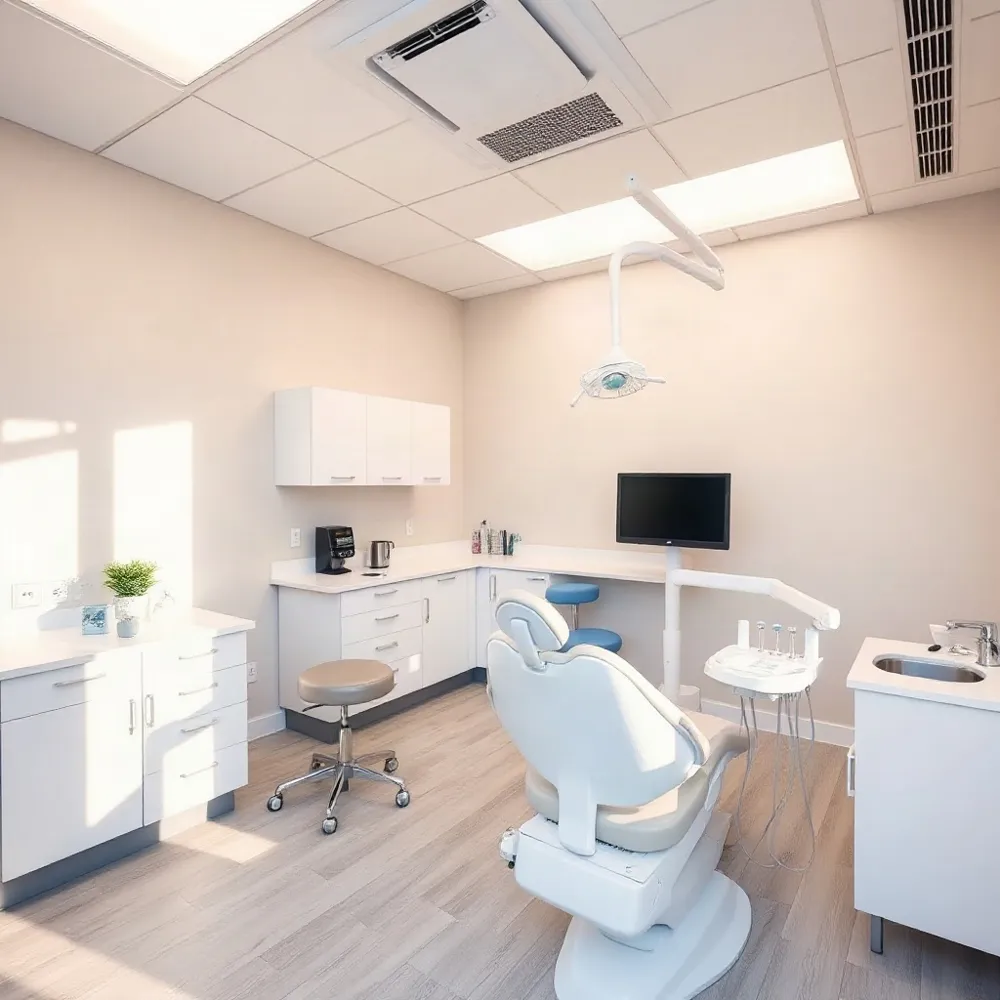
Understanding Full Mouth Rehabilitation: A Comprehensive Approach
What is Full Mouth Rehabilitation?
Full mouth rehabilitation is a personalized and comprehensive dental treatment that aims to restore both the function and aesthetics of the entire mouth. It is designed for patients facing extensive dental challenges such as severe tooth decay, multiple missing teeth, gum disease, or jaw-related issues like TMJ disorder. This approach combines various restorative, cosmetic, and sometimes surgical procedures to rebuild and enhance oral health.
Who Needs Full Mouth Rehabilitation?
This treatment is often necessary for those with significant dental problems including:
- Worn, broken, or damaged teeth
- Multiple missing teeth
- Advanced gum disease
- Bite misalignment and jaw pain
- Extensive decay or enamel loss
Patients experiencing difficulty chewing, speaking, chronic jaw or tooth pain, or aesthetic concerns due to extensive dental issues are prime candidates for full mouth rehabilitation.
Scope and Goals of Treatment
The process involves a thorough evaluation using X-rays, digital scans, and visual exams to develop a personalized plan. Treatments may include crowns, bridges, veneers, dental implants, orthodontics, periodontal therapy, and sometimes jaw surgery.
The main goals are:
- Restoring oral function, including proper chewing and speaking
- Improving facial structure and smile aesthetics
- Preventing future dental problems
- Enhancing overall quality of life and self-confidence
Through a multidisciplinary approach, full mouth rehabilitation provides long-lasting solutions tailored to each patient’s unique dental needs.
Comprehensive Dental Services in Full Mouth Rehabilitation
What comprehensive dental services are typically offered by a professional dental practice?
A professional dental practice delivers a wide array of services tailored to meet patients' varied oral health needs. This includes preventive care such as routine dental exams, cleanings, oral cancer screenings, sealants, and fluoride treatments aimed at maintaining healthy teeth and gums.
Restorative treatments are an essential part of full mouth rehabilitation and include dental fillings, crowns, and bridges that restore the structure and function of damaged teeth. More advanced solutions, such as dental implants, provide long-term replacement options for missing teeth, enhancing both stability and aesthetics.
Cosmetic dentistry also plays a vital role in full mouth rehabilitation. Procedures like veneers and teeth whitening improve the smile's appearance, contributing to greater self-confidence and an attractive look.
Periodontal therapies address gum health issues with deep cleanings, gum grafts, or laser treatments to manage gum disease and support oral tissues. Orthodontic treatments, including braces and clear aligners, correct bite misalignments and promote proper jaw function.
Full mouth rehabilitation requires a collaborative approach involving specialists such as periodontists, prosthodontists, orthodontists, and general dentists. This multidisciplinary team works together to create personalized, comprehensive treatment plans tailored to individual patient needs, ensuring optimal functional and aesthetic results.
By combining advanced restorative and cosmetic procedures with periodontal and orthodontic care, professional dental practices provide patients with complete oral rehabilitation solutions that restore health, function, and confidence.
Patient-Centered Care in Full Mouth Rehabilitation: Personalized Treatment Planning

What does patient-centered care mean in the context of dental practices?
Patient-centered care in dental practices means placing the individual patient's needs, preferences, and values at the forefront of treatment planning and delivery. It involves effective communication, empathetic interaction, and educating patients to promote understanding and active participation in their oral health decisions. This approach fosters a collaborative partnership between the dental team and the patient, ensuring that treatments are personalized and culturally sensitive. By involving patients in decision-making, it enhances their sense of ownership over their oral health, which can lead to better compliance and results. Overall, patient-centered care in dentistry aims to create a respectful, comfortable environment that reduces dental anxiety and supports long-term oral health maintenance.
Importance of Individualized Plans
Full mouth rehabilitation is never a "one-size-fits-all" approach. Each patient presents with unique dental conditions and goals, necessitating personalized treatment plans. These plans are developed after thorough assessments including X-rays, digital scans, and medical history reviews. This ensures interventions are tailored to address specific issues such as severe decay, missing teeth, bite misalignment, or systemic health factors, optimizing outcomes in both function and aesthetics.
Patient Involvement and Communication
A cornerstone of patient-centered care is engaging patients throughout the treatment journey. Clear explanations of procedures, potential risks, timelines, and costs help patients make informed choices. Regular dialogue encourages patients to express concerns and preferences, mitigating anxiety related to complex or lengthy treatments. Educated and involved patients are more likely to adhere to oral hygiene protocols vital for the success and longevity of full mouth rehabilitation results.
Multidisciplinary Collaboration for Tailored Care
Complex cases often require collaboration among specialists such as periodontists, prosthodontists, orthodontists, and general dentists. This multidisciplinary approach in dental rehabilitation ensures comprehensive management. For example, a periodontist can address gum health and bone grafting while a prosthodontist handles implant placement and restorations. Such integration aligns treatments, prevents complications, and creates a harmonized care plan focused on individual patient needs.
Addressing Patient Anxiety and Preferences
Acknowledging patient anxiety is critical. Dental teams create a supportive environment using gentle communication, sedation options if necessary, and accommodating scheduling preferences. Understanding patient concerns allows for modifications in the treatment approach, contributing to a more comfortable and positive experience.
Emphasis on Long-term Maintenance and Follow-up
Successful full mouth rehabilitation extends beyond active treatment phases. Patients are educated on meticulous oral hygiene, diet, and lifestyle factors that affect oral health. Regular follow-up visits enable early detection of issues and timely adjustments to restorations or appliances. This proactive maintenance is essential to preserve the function, aesthetics, and comfort achieved through rehabilitation.
Clinical Process and Timeline of Full Mouth Rehabilitation

Initial Comprehensive Evaluation Including Imaging and Diagnostics
Full mouth rehabilitation begins with a detailed assessment of the patient's oral health. This evaluation typically involves X-rays and 3D Imaging in Dentistry, such as CT scans, and digital impressions. These diagnostic tools provide a clear view of the teeth, gums, jawbone, and facial aesthetics to formulate a precise and Personalized dental treatment plan.
Staging of Treatment from Preparatory Care to Restoration
The rehabilitation process is typically divided into several stages. Initially, preparatory care addresses underlying issues such as Periodontal therapy - scaling and root planing, extractions, or root canals if necessary. Following this, surgical procedures like Bone grafting procedures may be performed to build the jawbone's foundation for implants.
Description of Procedures Such as Implants, Crowns, Bone Grafting
Restorative treatments often include placing Dental implants treatment, which require time for osseointegration in dental implants (typically 3–6 months). Crowns, bridges, veneers, and dentures are then used to restore function and aesthetics. Bone grafting is crucial when jawbone density is insufficient, ensuring implant stability and long-term success.
Estimated Treatment Duration and Factors Influencing Timelines
The entire rehabilitation timeline varies widely, averaging from several months up to over a year. Factors influencing duration include the severity of oral problems, the number and complexity of procedures, Dental care for patients with diabetes and other conditions, and the need for orthodontics or jaw surgery.
Importance of Healing Periods and Patient Compliance
Adequate healing time between procedures is essential to maximize outcomes and avoid complications. Patient compliance in dental rehab with oral hygiene and attending follow-up appointments plays a vital role in the efficiency and success of treatment, helping ensure predictable, long-lasting results.
Addressing Complex Dental Issues: Functional and Aesthetic Benefits
Restoring Chewing, Speaking, and Bite Function
Full mouth rehabilitation provides a comprehensive solution to restore essential oral functions. Patients experiencing difficulties in chewing, speaking, or maintaining proper bite alignment benefit significantly from treatments such as Dental implants, crowns, bridges, and orthodontic therapy. These procedures collectively improve oral mechanics, allowing a natural and comfortable bite, clear speech, and efficient chewing.
Managing Severe Decay, Missing Teeth, and Gum Disease
This treatment is ideal for patients with widespread dental issues including severe tooth decay, multiple missing teeth, and advanced gum disease. By combining periodontal therapy, such as scaling and root planing, with restorative efforts like dental implants and bridges, full-mouth rehabilitation stabilizes oral health and prevents progression of disease, providing a durable and functional dental foundation.
Aesthetic Improvements Such as Smile Transformation
Beyond functional repair, Full Mouth Rehabilitation enhances smile aesthetics. Cosmetic procedures like veneers, teeth whitening, and precisely crafted crowns result in a natural, pleasing appearance. Patients often achieve a smile transformation that boosts their self-esteem and contributes to a more youthful facial expression.
Pain Relief and Facial Structure Restoration
This comprehensive approach also addresses discomfort arising from dental issues, including jaw pain related to TMJ disorders. Restoration of worn or damaged teeth, combined with improved bite alignment, alleviates chronic pain. Additionally, rebuilding tooth structure and jawbone volume restores facial contours, supporting soft tissues for a balanced, rejuvenated look through Full-mouth rehabilitation overview.
Impact on Patient's Quality of Life and Confidence
The outcome of full-mouth rehabilitation extends well beyond oral health. Patients report improved confidence, comfort, and overall wellbeing as their ability to eat, speak, and smile is restored. This holistic improvement contributes to enhanced daily interactions and quality of life, making the procedure a vital option for those with complex dental challenges.
Expertise and Technology in Delivering Successful Full Mouth Rehabilitation

What specialized dentists are involved in full mouth rehabilitation?
Successful full mouth rehabilitation often requires the expertise of specialized dental professionals such as prosthodontists and periodontists. Prosthodontists have advanced training in restoring and replacing teeth, managing complex cases involving dental implants, crowns, bridges, and dentures. Periodontists focus on the health of gum tissue and bone structures, performing procedures like gum surgery, bone grafting, and treatment of gum disease to support long-term oral health, as detailed in the Full-Mouth Rehabilitation Overview.
How do advanced technologies improve treatment outcomes?
Modern full mouth rehabilitation benefits greatly from advanced diagnostic and treatment technologies. Digital scans and 3D imaging provide detailed insights into a patient's oral structures, allowing precise planning and customization of treatment. These technologies enable dentists to develop accurate treatment plans, improving predictability and efficiency, and ensuring well-fitting restorations as outlined in Dental Assessment Procedures.
What local options are available in Midland, Texas?
Midland, Texas is home to comprehensive dental care providers offering full mouth rehabilitation services. Experts like Dr. Ashley Burns, DDS, and specialized periodontists such as Dr. Christine Karapetian deliver personalized plans utilizing state-of-the-art techniques. Practices like Familia Dental Midland provide accessible care, including preventive, cosmetic, and restorative dentistry with a patient-centered approach.
Why is post-treatment maintenance crucial?
Maintaining oral health after full mouth rehabilitation is essential for long-term success. Patients must practice rigorous oral hygiene and attend regular follow-up visits for adjustments and monitoring. These steps reduce the risk of complications like infection or gum inflammation and help preserve the integrity and function of restorations, as emphasized in Post-treatment maintenance guidelines.
How can patients manage costs and financing?
Treatment costs vary depending on the complexity and materials used but can be made more accessible through financing options such as CareCredit financing availability. Additionally, some local practices accept Medicaid and insurance plans like Tricare, expanding affordability for a wider community. Patients are encouraged to discuss payment options and insurance coverage with their providers to plan effectively.
Embracing Full Mouth Rehabilitation for Lasting Oral Health and Confidence
Transformative Impact of Full Mouth Rehabilitation
Full mouth rehabilitation dramatically improves both the function and aesthetics of your smile. It restores chewing ability, alleviates jaw pain, and revitalizes a healthy, natural appearance. Patients often regain confidence and comfort in everyday activities like speaking and smiling.
Seeking Professional Consultation
If you suffer from extensive dental issues such as tooth loss, decay, or bite problems, consulting an experienced dentist or specialist is essential. Personalized treatment plans begin with comprehensive evaluations to tailor solutions that best fit your unique needs.
Commitment to Patient-Centered Care
Successful full mouth rehabilitation requires ongoing collaboration between you and your dental team. Dedicated maintenance, including regular check-ups and diligent oral hygiene, ensures lasting results and optimal oral health. Your care team is committed to supporting you every step of the way for a lifetime of confident smiles.