Introduction
Preventive dental care—regular exams, cleanings, fluoride treatments, sealants, and patient education—represents the first line of defense against oral disease. By detecting decay, gum inflammation, and oral lesions early, clinicians can intervene with minimally invasive procedures, averting the need for costly root canals, extractions, or periodontal surgery. Evidence shows that patients who attend biannual preventive visits experience up to 40 % fewer restorative procedures and save $8–$50 for every dollar invested in prevention. Beyond oral health, routine care lowers systemic risks such as cardiovascular disease and diabetes complications, delivering both clinical and financial benefits while enhancing quality of life.
Dental Tips & Daily Oral Hygiene
 Maintaining optimal oral health hinges on a few evidence‑based habits that are simple to adopt and highly effective.
Daily Brushing and Flossing – Brush twice a day for two minutes with a soft‑bristled brush and fluoride toothpaste, using gentle circular motions at a 45‑degree angle to the gum line. Follow with daily flossing or interdental brushes to remove plaque where a brush cannot reach; this reduces the risk of cavities by up to 50 % and periodontal disease by 30 % (ADA, 2023).
Dietary Habits – Limit sugary and acidic foods and drinks, choose fluoridated water, and eat calcium‑rich fruits, vegetables that and whole grains. A balanced diet supports enamel strength and reduces acid attacks that cause decay.
Regular Check‑Ups – Schedule professional examinations and cleanings at least every six months. Early detection of decay, gum inflammation, or oral lesions can keep treatment minimally invasive and save $8‑$50 for every dollar spent on prevention (U.S. Preventive Services Task Force, 2020).
Tobacco and Alcohol Moderation – Avoid tobacco and limit alcohol, as both increase gum disease, oral cancer, and systemic inflammation.
Dry‑Mouth Management – Stay hydrated, chew sugar‑free gum, and discuss medication alternatives with your clinician to maintain saliva flow and protect oral tissues.
By integrating these practices into daily life, patients experience fewer restorative procedures, lower out‑of‑pocket costs, and better overall health.
Preventive Screenings & Their Benefits
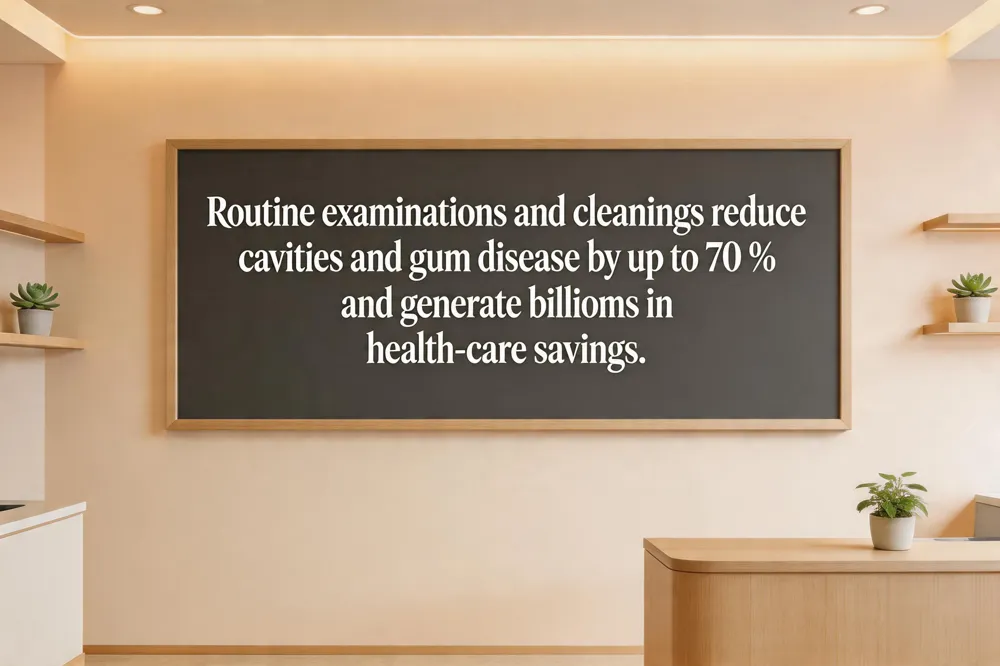 Preventive screenings catch oral and systemic health issues early, when they are simpler and less costly to treat. By identifying cavities, gum disease, or early signs of diabetes, clinicians can intervene promptly, preserving natural teeth and overall well‑being. Early detection also reduces the need for invasive procedures, lowers treatment complexity, and supports healthier lifestyle choices that lessen chronic disease risk.
Preventive dental care is highly effective: CDC data show up to a 70 % reduction in cavities and gum disease with routine exams and cleanings, and national analyses report net savings of $53.9 billion in 2006 when primary preventive services reached 90 % coverage. Early screening lowers the odds of advanced periodontal disease, which is linked to heart disease, stroke, and diabetes, thereby improving systemic health outcomes.
Statistically, only about 8 % of Americans receive routine preventive screenings, and 55 % have not visited a dentist in the past year. Patients who maintain five consecutive years of preventive visits incur 43 % less dental spending than non‑attenders, and each primary‑care visit can save roughly $3,976 per patient annually. Scaling these services could save billions and prevent thousands of lives each year.
Understanding Dental Services & Insurance
 Dental basic services address problems that already exist in the mouth. They include common procedures such as fillings, simple (non‑impacted) tooth extractions, periodontal scaling, root planing, emergency pain relief, and, in many plans, root canals. These non‑surgical treatments are covered by most insurance plans at a moderate percentage after the deductible, restoring function and preserving a healthy smile.
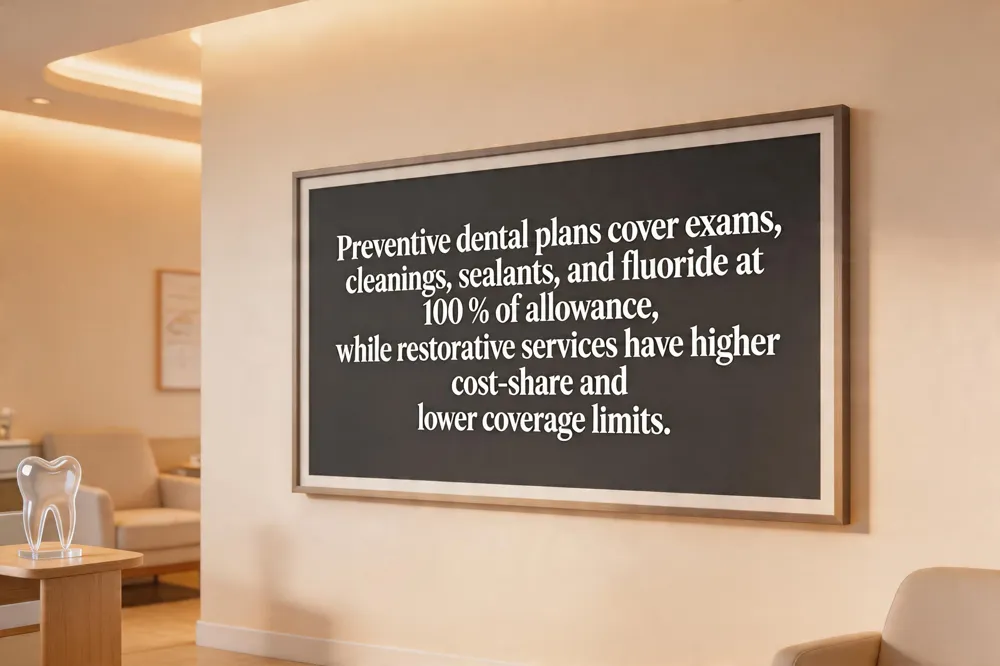
Preventive dental insurance focuses on routine care—cleanings, exams, x‑rays, fluoride applications, and sealants—often at 100 % of the plan’s allowance. The goal is to stop disease before it starts. Comprehensive (or major) dental insurance goes beyond prevention to cover the diagnosis and treatment of existing issues such as crowns, bridges, implants, and orthodontics, typically with a lower coinsurance percentage and higher annual maximums. Most plans combine both levels, allowing a small co‑pay for preventive visits and a larger share for restorative work.
Recent dental‑insurance news highlights efforts to strengthen consumer protections and increase transparency. The American Dental Association supports the Improving Dental Administration Act, which would require self‑funded plans to adhere to state reform laws. UnitedHealthcare has introduced streamlined claim‑appeal processes and new coverage codes, while California legislators push for clearer benefit assignments and network adequacy. These developments aim to create a fairer, more predictable insurance landscape for patients and providers alike.
Cost Savings of Preventive Care
 Preventive dental care—regular exams, cleanings, fluoride treatments, and early‑stage cavity detection—costs far less than the extensive procedures needed to treat advanced disease such as root canals, crowns, or full‑mouth restorations. By catching problems early, patients avoid high fees, multiple visits, and time away from work that complex treatments require. While some preventive measures add a modest expense, the downstream savings in avoided surgeries and emergency care usually outweigh those costs.
Cost‑effectiveness is evident in the broader health system: studies show that every dollar spent on preventive services can save between $8 and $50 in future dental treatment costs, and routine preventive visits lower overall medical expenses by roughly 4.4 % per year. Early detection also reduces emergency‑room visits by more than 20 % and can cut total medical costs for patients with chronic conditions, such as diabetes, by over 12 % over five years.
Dental health economics underscores that untreated disease adds billions in lost productivity and health‑care utilization. Investing in evidence‑based preventive care delivers measurable economic benefits for patients, dental practices, and the health‑care system while protecting oral health and overall well‑being.
Specific Preventive Interventions
 List of preventive dental services
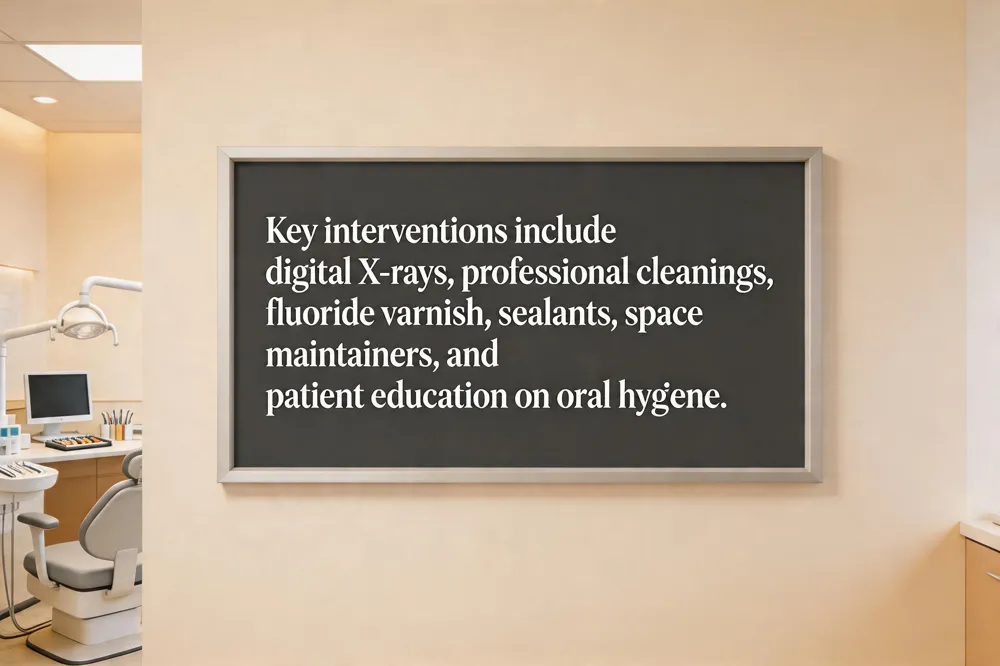
Routine oral examinations with digital X‑rays detect early decay, gum disease, or oral cancer. Professional cleanings by a hygienist remove plaque and tartar above and below the gumline and are usually followed by a fluoride treatment to strengthen enamel. Sealants are placed on the chewing surfaces of permanent molars, especially in children, to protect deep pits and fissures. Patient education on proper brushing, flossing, nutrition, and tobacco cessation complements these services. Space maintainers for children and occasional preventive resin restorations for high‑risk adults round out the preventive toolbox. Most dental plans cover these interventions at little or no cost, helping maintain a healthy smile and avoiding extensive treatment later.
List of preventive dental services
Routine oral examinations with digital X‑rays detect early decay, gum disease, or oral cancer. Professional cleanings by a hygienist remove plaque and tartar above and below the gumline and are usually followed by a fluoride treatment to strengthen enamel. Sealants are placed on the chewing surfaces of permanent molars, especially in children, to protect deep pits and fissures. Patient education on proper brushing, flossing, nutrition, and tobacco cessation complements these services. Space maintainers for children and occasional preventive resin restorations for high‑risk adults round out the preventive toolbox. Most dental plans cover these interventions at little or no cost, helping maintain a healthy smile and avoiding extensive treatment later.
Dental sealants are especially helpful for Children and adolescents with newly erupted permanent molars, as well as adults with deep fissures, staining, or a history of cavities, benefit most. Sealants are valuable for low‑income or special‑needs populations who may struggle with effective at and flossing, providing a protective barrier that can reduce cavity formation by up to 80%.
What is the function of fluoride in dental care? Fluoride strengthens enamel by promoting remineralization and inhibiting bacterial acid production. Regular exposure—through fluoridated water, toothpaste, mouth rinses, or professional varnish—prevents new cavities and can reverse early non‑cavitated lesions, thereby lowering the need for fillings, extractions, or other invasive procedures.
Oral health tips for adults Brush twice daily with fluoride toothpaste, floss daily, and limit sugary foods and drinks. Stay hydrated with fluoridated water, avoid tobacco and excessive alcohol, and schedule a dental check‑up and professional cleaning at least once a year (more often if you have diabetes, dry‑mouth, or other chronic conditions). Manage systemic health issues, consider HPV vaccination to reduce oral‑cancer risk, and use a mouthguard during contact sports. These simple habits, combined with regular preventive visits, keep teeth healthy and reduce costly, complex dental care.
Long‑Term Impact & Patient Outcomes
 Preventive dental care is essential because it catches problems such as cavities, gum disease, and oral infections early, when they are easier and less expensive to treat. Regular cleanings and exams protect not only the teeth and gums but also reduce the risk of systemic health issues like heart disease and diabetes. By maintaining good oral health, patients experience fewer painful emergencies, fewer missed school or work days, and lower overall health‑care costs for families and the community. Early preventive measures—such as fluoride treatments and sealants—build a strong foundation for a healthy smile that lasts a lifetime. This proactive approach empowers patients with knowledge and confidence to manage their oral hygiene, make healthier lifestyle choices, and seek timely care, resulting in better long‑term health outcomes and reduced financial burden.
Conclusion
Routine preventive dental visits save money, avert severe disease, and protect overall health. Early exams, cleanings, fluoride, and sealants reduce cavities, gum disease, and costly procedures. Embrace twice‑annual check‑ups, practice diligent home hygiene, and use covered benefits—your smile and wallet will thank you. Schedule your appointment today and empower lasting oral wellness.