Small Habits Build Lasting Oral Health
A steady brushing routine is a simple way to care for teeth and gums as children grow. Starting early, keeping the habit manageable, and adjusting support as a child develops can help make oral care part of everyday life.
Plaque, a sticky film of bacteria, continually forms on teeth. When it remains in place, bacteria can produce acids that contribute to tooth decay. Regular brushing helps remove plaque, while caregiver involvement can help children learn to clean thoroughly.
This section covers age-appropriate brushing, practical routines, and ways to transfer responsibility gradually. Guidance can vary with a child’s development and oral-health needs, so families can ask a dentist for advice tailored to their child. The American Dental Association’s home oral-care guidance also emphasizes personalizing general recommendations.
Start Oral Care Before the First Tooth
 A baby’s oral-care routine can begin before any teeth are visible. In the first days after birth, gently wipe the gums with clean, damp gauze or a soft washcloth. This simple step introduces mouth care early, before brushing is needed.
When the first tooth appears, begin brushing twice daily with a soft, small-headed infant toothbrush. Use only a smear of fluoride toothpaste, about the size of a grain of rice, and supervise to limit swallowing. Fluoride strengthens enamel and helps repair weakened areas. For children younger than two, the CDC recommends consulting a doctor or dentist before using fluoride toothpaste.
Once two teeth touch, clean between them daily, since a toothbrush may not reach the space. A dentist can suggest a suitable method and show caregivers how to use it. These early steps complement the broader home oral-care guidance from the American Dental Association, which emphasizes adapting care to individual needs.
Arrange a first dental visit within six months of the first tooth appearing and no later than the first birthday. The dentist can check tooth development, discuss care suited to the child, and help make future visits familiar. Ashley E. Burns, DDS, provides patient education and comprehensive dental care in Midland, Texas, where families can ask questions as their child’s needs change.
Baby teeth matter: they support chewing and clear speech, and help guide permanent teeth into place. Starting dental visits early gives caregivers a chance to address concerns while helping children become comfortable with care.
Make Toddler Brushing Predictable and Positive
Toddlers are still learning the hand control and technique needed to clean every tooth, so an adult should do the brushing. Use a soft, child-sized toothbrush morning and night, with a fluoride toothpaste smear no larger than a grain of rice for children under 3. The American Academy of Pediatrics’ brushing guidance recommends adult help and close supervision while children build these skills.
Brush gently across the front, back, and chewing surfaces of each tooth, including the teeth farthest back. Stay nearby throughout, use only the recommended amount of paste, and encourage your child to spit it out rather than swallow it. Once two teeth touch, clean between them daily as well.
A familiar cue can make brushing feel less like a task. Try a favorite song, a short story, or a timer, and brush together so your toddler can copy you. Work toward two minutes; a song or timer can help the routine last long enough to cover the whole mouth. After you have cleaned your child’s teeth, let them take a turn and praise their effort.
As children grow, invite them to participate while keeping an adult in charge of thorough cleaning. For ages 3 through 6, use a pea-sized amount of fluoride toothpaste, supervise brushing, and remind children to spit rather than swallow. Guidance from MouthHealthy’s recommendations for children also advises caregivers to continue helping until a child can brush effectively. At Ashley E. Burns, DDS in Midland, families can ask for age-specific oral-care advice during dental visits.
Predictable morning and bedtime routines, gentle coaching, and small chances to practice can help brushing become familiar. If your child regularly resists or you are unsure whether they are cleaning thoroughly, bring the concern to a dental visit for personalized guidance.
Transfer Brushing Responsibility Gradually
A seven-year-old may be ready to take the lead, but independence does not always mean brushing every surface well. Some children can handle more of the task around age six or seven, while others need help longer. The American Academy of Pediatrics advises caregivers to assist until brushing is mastered, often around age ten, and AAP guidance on brushing young children recommends continued supervision.
Look for coordination clues, such as tying shoelaces, but treat them as signs of readiness rather than proof of brushing skill. Let your child brush while you watch, then check the gumline, inner surfaces, and back teeth. Newly erupted permanent molars sit behind the baby teeth, and their grooves can be easy to miss.
Keep twice-daily brushing for two minutes in place as your child takes on more responsibility. A simple route around the mouth can help prevent skipped areas, while calm reminders keep the task supportive rather than a test. At Ashley E. Burns, DDS, routine visits offer families a chance to ask questions and receive guidance suited to a child’s changing needs.
A dentist can check brushing technique and whether newly erupted molars may benefit from sealants. These protective coatings cover the chewing surfaces of susceptible teeth; the CDC’s guidance on dental sealants notes that they help prevent cavities in back teeth. Continue supervising until your child can clean thoroughly and reliably.
Use Gentle, Thorough Brushing Technique
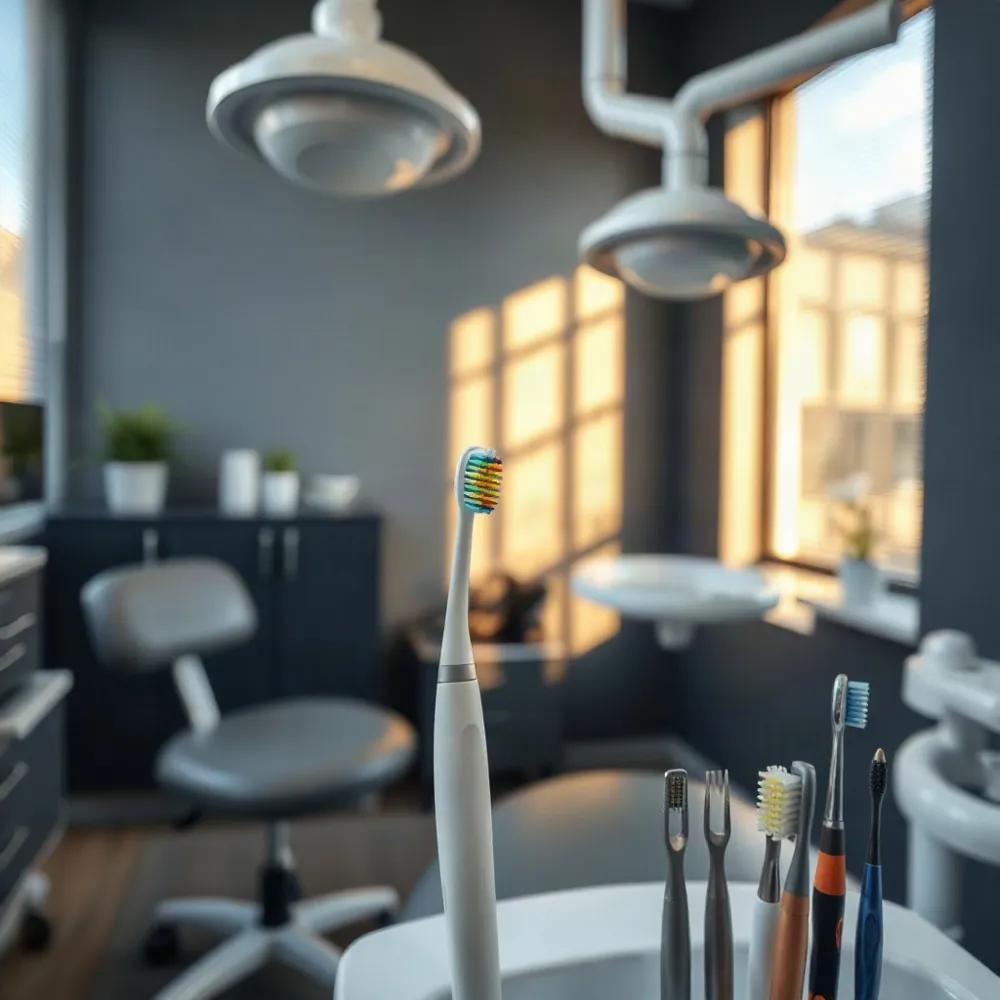 Once children can brush effectively, the same basic routine applies across ages: brush twice daily for two minutes with fluoride toothpaste and a soft-bristled brush. The American Dental Association’s home-care guidance supports this routine, while noting that a dentist can tailor advice to individual needs.
With a manual toothbrush, angle the bristles toward the gumline at about 45 degrees and use gentle, short strokes. Clean the outer, inner, and chewing surfaces of every tooth. Turn the brush vertically to reach the inner surfaces of the front teeth, using several light strokes. Follow a consistent route around the mouth so no area is overlooked.
An electric toothbrush can also clean effectively when used properly. Guide its head slowly along each tooth and the gumline, without scrubbing, and follow the manufacturer’s instructions. Both manual and powered brushes can remove plaque when used appropriately; a powered brush may help some people improve plaque removal. At Ashley E. Burns, DDS, patients can ask for brushing guidance suited to their needs.
Use light pressure rather than forceful back-and-forth scrubbing, which can irritate gums and contribute to enamel wear. Replace a toothbrush or electric brush head every three to four months, or sooner if the bristles become worn or frayed. A dental professional can demonstrate a technique that works for a person’s mouth and dexterity.
Pair Brushing With Daily Interdental Care
Pair Brushing With Daily Interdental Care:
Brushing cleans plaque from tooth surfaces, but bristles may not reach the narrow spaces between teeth. For adults, the American Dental Association (ADA) recommends brushing twice a day for two minutes with fluoride toothpaste and cleaning between teeth daily. See the ADA’s home oral-care guidance for details.
Floss is one option, but interdental brushes and oral irrigators can also help clean between teeth. The most practical choice is one you can use comfortably and consistently. A dentist can help you select a suitable tool and show you how to use it, especially if you have dental appliances or find flossing difficult.
The 2-2-2 rule is a simple reminder to brush twice daily for two minutes and visit a dentist twice a year. The ADA supports the brushing frequency and duration, but dental visits are not one-size-fits-all. A dentist can recommend a schedule based on your oral health and individual needs. The 3-3-3 rule is not a universally recognized official dental guideline, so follow personalized advice rather than treating either rule as a substitute for it.
At Ashley E. Burns, DDS in Midland, routine dental care includes guidance on daily home care, alongside comprehensive dental services. That personalized advice can help adults choose an interdental method they can maintain and address concerns that may affect their routine. For additional guidance on daily care, see core oral-hygiene practices.
Protect Teeth Through Changing Needs
 Oral-care needs can shift with age, diet, health, and dexterity. Frequent sugary snacks and drinks expose teeth to acids produced by cavity-causing bacteria. Acidic drinks and foods can also soften enamel. Choose water more often, limit sugary or acidic choices, and avoid sipping or grazing on them throughout the day. For more on food choices, see these practical dietary recommendations for healthy teeth and gums.
For children nearing adolescence, explaining how brushing and interdental cleaning support fresh breath, appearance, confidence, and overall health may make daily care feel more meaningful than rules alone. Families can ask Ashley Burns, DDS, for age-appropriate oral-health guidance as children’s needs change.
Older adults should continue brushing twice daily with fluoride toothpaste and cleaning between teeth each day. A soft-bristled brush and gentle pressure help avoid irritating gums. An electric brush or a larger handle may make brushing easier when hand strength or dexterity is limited. The American Dental Association’s home-care guidance notes that dentists can help select suitable cleaning methods and products.
Dry mouth, gum recession, restorations, and some medications can change what care is needed. Ask a dentist whether products or brushing methods should be adjusted. Regular dental visits can help identify early decay, enamel wear, or gum problems and shape prevention around individual health and abilities. There is no single visit schedule that suits everyone; the Mayo Clinic’s brushing guidance also recommends tailoring care to personal needs.
Consistency Matters More Than Perfection
A missed brushing session does not erase a healthy routine. Return to gentle brushing twice a day, clean between teeth daily when they touch, and offer children the support they need to brush thoroughly. As skills and oral-health needs change, the right routine can change too.
The American Dental Association notes that home-care recommendations can be tailored to individual needs and preferences. Bring questions about technique, toothpaste, toothbrushes, or a child’s development to a dental professional. At Ashley E. Burns, DDS in Midland, families can discuss age-appropriate care and get guidance shaped around their needs. The ADA’s home-care guidance offers a useful starting point.