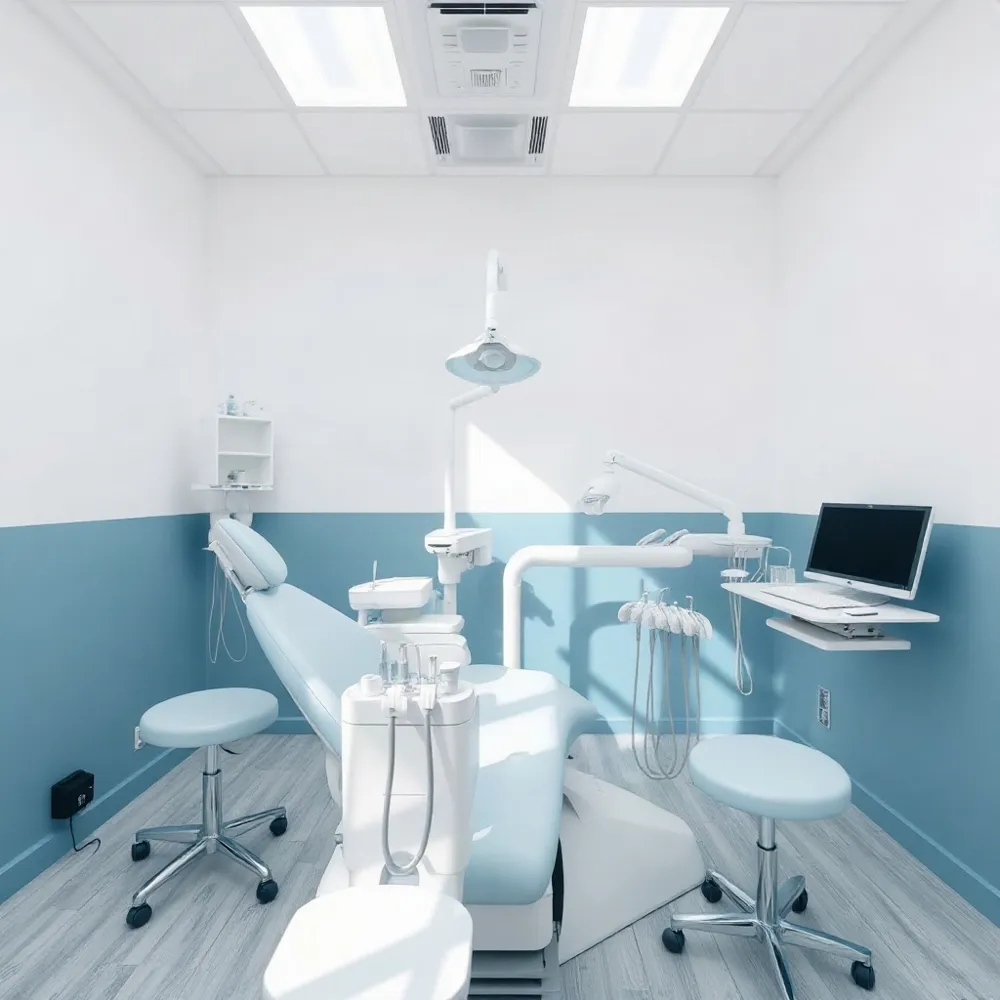
Why Preventive Oral Care Matters
Proper oral hygiene is the daily practice of keeping the mouth clean and disease-free. This includes brushing at least twice a day, flossing once daily, and scheduling regular dental exams and cleanings. This foundational routine is the first step in preventative dentistry, giving you the best chance for a beautiful smile and long-lasting oral health.
The Connection Between Oral and Overall Health
Your mouth is a window to the health of your entire body. An infection in the mouth, such as gum disease, can allow bacteria to enter the bloodstream. This can contribute to serious health concerns, including heart disease, stroke, and complications during pregnancy. Conversely, systemic conditions like diabetes, osteoporosis, and Alzheimer's disease can have a negative impact on your teeth and gums.
The Goals of a Preventive Strategy
The core goal of integrating preventive strategies is to stop oral health problems before they start. This proactive approach focuses on preventing common issues like cavities, gum disease, and bad breath. By combining a consistent daily routine with regular professional care, you can detect and treat problems early, reducing the need for more extensive—and expensive—treatments later on. This comprehensive plan supports not only a healthier smile but also better overall well-being.
| Goal | Daily Action | Professional Care | Overall Benefit |
|---|---|---|---|
| Prevent Cavities & Decay | Brush with fluoride toothpaste twice daily, floss daily | Biannual cleanings and exams | Protects enamel and prevents fillings |
| Prevent Gum Disease | Floss, use an antibacterial mouthwash | Professional tartar removal, early detection | Reduces risk of systemic disease (e.g., heart disease) |
| Maintain Fresh Breath & Oral Health | Clean your tongue, limit sugary foods | Regular check-ups to identify underlying causes | Improves quality of life and self-confidence |
Understanding Dental Hygiene and Its Daily Importance

What is Dental Hygiene?
Dental hygiene is the practice of keeping your mouth—including your teeth, gums, and tongue—clean and healthy through daily habits like brushing, flossing, and using mouthwash, alongside regular professional dental cleanings. This routine is designed to remove dental plaque, a sticky, colorless film of bacteria that constantly forms on your teeth. If left unchecked, this plaque can harden into tartar, leading to tooth decay (cavities) and gum disease (gingivitis or periodontitis). Good dental hygiene is truly the foundation of preventive care, giving you the best chance for a beautiful smile and long-lasting oral health.
Why is Oral Hygiene Important in Daily Life?
Beyond your mouth, maintaining a thorough daily oral hygiene routine is a simple but powerful step toward protecting your entire body. Research shows a clear link between oral health and systemic health. Bacteria from an infected mouth can enter the bloodstream, contributing to serious conditions such as cardiovascular disease, stroke, and endocarditis. Poor oral health is also linked to diabetes complications, respiratory infections, and pregnancy risks like premature birth.
Conversely, systemic conditions like diabetes and osteoporosis can negatively impact your teeth and gums. A consistent routine of brushing, flossing, and tongue cleaning not only safeguards your smile but also lowers your risk for these broader health concerns, helping you eat, speak, and live with confidence.
| Practice | Frequency | Primary Benefit | Systemic Connection |
|---|---|---|---|
| Brushing | Twice daily (2 minutes) | Removes plaque, strengthens enamel with fluoride | Reduces risk of heart disease, stroke |
| Flossing | Once daily | Cleans 35% of tooth surface between teeth | Lowers gum disease risk, linked to diabetes control |
| Tongue Cleaning | Daily | Reduces bacteria causing bad breath | Decreases overall oral bacterial load |
| Mouthwash | Daily (alcohol-free) | Reduces plaque, freshens breath, reduces harmful bacteria | Supports gum health, mitigating systemic inflammation |
By committing to these core habits, you are investing in both your oral and overall wellness for a healthier, happier life.
Benefits of Good Oral Hygiene and Warning Signs of Neglect

The Wide-Ranging Benefits of a Consistent Oral Care Routine
Maintaining a consistent oral hygiene routine offers benefits that extend far beyond a clean smile. By effectively removing plaque and controlling harmful bacteria, daily brushing and flossing significantly reduce the risk of developing cavities, gingivitis, and periodontitis. This proactive care not only protects your teeth and gums but also lowers your risk for serious systemic health conditions. Research has linked oral health to overall wellness, showing that good oral hygiene can help decrease the chances of heart disease, diabetes complications, and respiratory infections. Furthermore, a healthy mouth contributes to fresher breath, brighter teeth, and noticeable financial savings by reducing the need for costly restorative treatments like fillings, crowns, or root canals.
Early Indicators of Poor Oral Health and When to Act
Recognizing the warning signs of poor oral hygiene is essential for preventing minor issues from escalating into major problems. Common indicators include persistent bad breath, gums that bleed easily when brushing or flossing, and visible tooth decay or discoloration. You might also notice tooth sensitivity to hot or cold, swollen or tender gums, gum recession, or loose teeth. More serious signs include mouth sores that don't heal and changes in your tongue's appearance. Ignoring these symptoms can allow issues to progress, leading to advanced gum disease, infection, and even tooth loss. If you experience any of these signs, scheduling a prompt dental evaluation is the most effective step toward restoring your oral health. Regular professional check-ups play a critical role in catching these problems early, ensuring that your preventive efforts at home are fully supported.
| Benefit of Good Oral Hygiene | Common Warning Sign of Neglect | Long-Term Consequence of Neglect |
|---|---|---|
| Lower risk of cavities and gum disease | Bleeding, swollen, or tender gums | Advanced periodontitis and tooth loss |
| Reduced likelihood of systemic illness | Persistent bad breath (halitosis) | Increased risk of heart disease and diabetes |
| Fresher breath and a brighter smile | Visible plaque, tartar, or tooth discoloration | Need for expensive restorative treatments |
| Significant financial savings | Tooth sensitivity or pain | Potential for infection and abscesses |
| Preservation of natural teeth | Loose or shifting teeth | Compromised bite and jawbone health |
Core Steps and Optimal Sequence for an Effective Routine
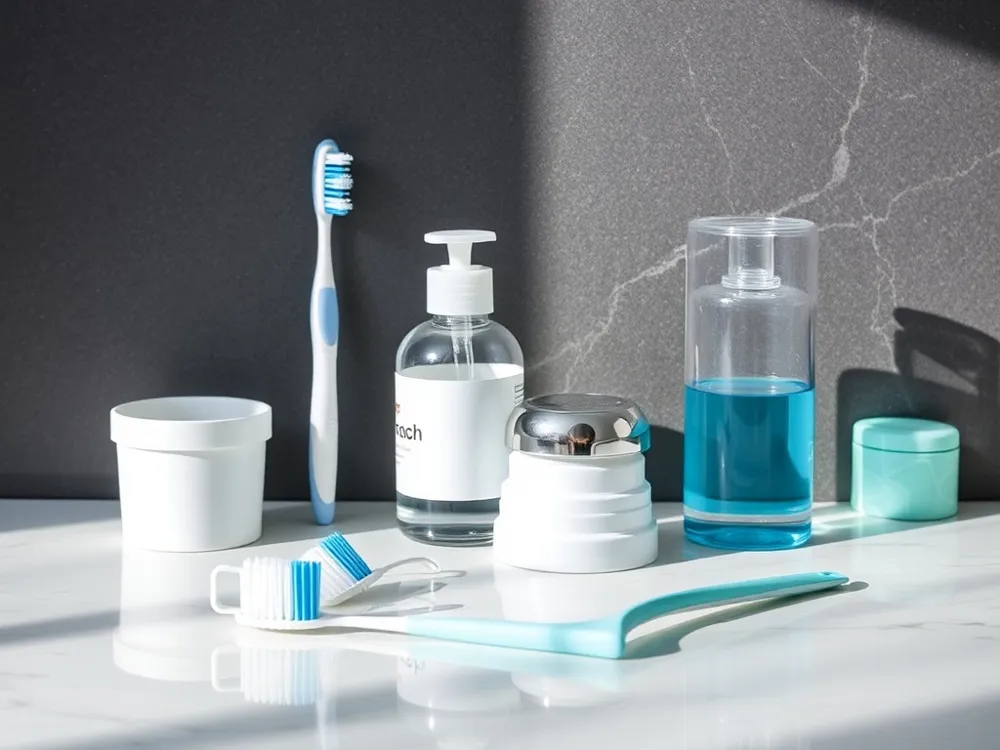
The Essential Five-Step Routine
An effective daily oral hygiene routine begins with a warm water rinse to dislodge food particles and reduce the initial bacterial load. Next, brush for a full two minutes, holding a soft‑bristled toothbrush at a 45‑degree angle to the gumline and using gentle circular motions to cover all tooth surfaces, including the hard‑to‑reach back molars. After brushing, floss thoroughly, employing a C‑shaped motion to clean between each tooth. A tongue scraper then removes the millions of bacteria that can cause bad breath. The routine concludes with a final alcohol‑free, fluoride mouthwash rinse to flush away loosened debris and strengthen enamel.
Why Floss First, Then Brush, Then Mouthwash
The widely endorsed order is to floss first, then brush, then rinse with mouthwash. Flossing before brushing loosens plaque and trapped food from between teeth. This allows the fluoride from your toothpaste to better penetrate those interdental spaces during brushing. Brushing afterward removes the dislodged debris. Following with a final alcohol‑free, fluoride mouthwash then washes away any remaining particles and provides an extra layer of cavity protection without the drying effects of alcohol.
Technique Tips for Each Step
Brushing: Use a soft‑bristled brush. Gently scrub each tooth, one by one, from the gumline to the chewing surface. Flossing: Use about 18 inches of fresh floss. Curve it around each tooth in a C‑shape and slide it up and down. Tongue Scraping: Rake a tongue scraper gently from back to front. Mouthwash: Swish for at least 30 seconds, then spit without rinsing with water. These precise techniques maximize plaque removal and gum health, keeping your smile clean and fresh.
| Step | Key Technique | Why It's Important |
|---|---|---|
| Rinse with Water | Rinse with plain warm water before brushing. | Dislodges loose food and reduces bacteria before mechanical cleaning. |
| Floss | Use 18" of floss in a C‑shape; move up and down. | Removes biofilm and food between teeth, allowing fluoride to reach these areas. |
| Brush | Hold brush at 45° angle to gums; use gentle circles. | Cleans all tooth surfaces and the gumline; removes plaque and protects enamel. |
| Scrape Tongue | Rake from back to front of tongue gently. | Removes bacteria that cause bad breath and contribute to plaque. |
| Final Rinse | Swish alcohol‑free, fluoride mouthwash for 30 seconds. | Washes away loosened debris; provides extra fluoride and antibacterial protection. |
Oil Pulling and Practical At‑Home Teeth‑Care Tips
How should oil pulling be incorporated into an oral hygiene routine?
Begin oil pulling each morning on an empty stomach before eating or drinking. Swish one tablespoon of coconut oil gently for five to twenty minutes to help reduce harmful oral bacteria. Spit the mixture into a trash bin rather than a sink to avoid plumbing blockages. Rinse thoroughly with water, then wait briefly before brushing to allow beneficial bacteria to rebalance. Follow this with tongue cleaning and flossing to complete the morning sequence.
What simple teeth‑care tips can be done at home?
Brush twice daily for two minutes using fluoride toothpaste and a soft bristled brush. Angle the bristles at forty five degrees toward the gums and use gentle circular motions. Floss once daily to clear debris between teeth. Spit excess paste without rinsing to preserve fluoride. Maintain a balanced diet, stay hydrated, and avoid tobacco to support long term gum and tooth health.
| Technique | Recommended Timing | Core Function | | Oil Pulling | Morning, pre brushing | Bacterial reduction | | Brushing | Twice daily | Enamel strengthening | | Flossing | Once daily | Plaque elimination |
Ten Proven Habits and Evidence‑Based Preventive Strategies
1. What are ten effective ways to keep your teeth healthy?
Building a strong routine is the foundation of preventive dentistry. These ten habits, when practiced consistently, create a powerful defense against cavities, gum disease, and other oral health problems:
- Brush twice daily. Use a soft‑bristled toothbrush and fluoride toothpaste for a full two minutes, focusing on gentle, circular motions at a 45‑degree angle to the gumline.
- Floss every day. This removes plaque and food particles from the 35 % of tooth surfaces that your brush can’t reach.
- Use an antimicrobial mouthrinse. An alcohol‑free formula can reduce plaque and harmful bacteria without drying your mouth.
- Limit sugary and acidic foods. Cutting back on sweets, soda, and starchy snacks lowers the acid attacks that cause decay.
- Choose teeth‑friendly snacks. Enjoy cheese, yogurt, nuts, and crunchy vegetables like carrots and apples, which stimulate saliva and help clean teeth.
- Visit your dentist regularly. Professional cleanings and exams every six months (or more often if needed) catch problems early.
- Replace your toothbrush every three to four months. Worn bristles are less effective and can harbor bacteria.
- Clean your tongue. Use a tongue scraper or your toothbrush to remove bacteria that cause bad breath and contribute to plaque buildup.
- Avoid all tobacco products. Smoking and chewing tobacco are leading causes of gum disease, tooth loss, and oral cancer.
- Drink water after meals. Water helps neutralize acids, rinse away food debris, and—if fluoridated—strengthens enamel.
2. What preventive strategies are most effective for maintaining oral health?
Research consistently confirms that combining daily home care with professional oversight provides the best protection. Brushing at least twice daily with a fluoride toothpaste and cleaning between teeth once a day are the most essential steps, as they directly disrupt dental plaque—the primary cause of cavities and gum inflammation.
Limiting sugar intake and following a balanced diet further reduce risk. Scientific studies show that regular dental visits, which include professional cleanings to remove tartar and oral cancer screenings, significantly lower your chances of developing severe conditions like periodontitis. Replacing your toothbrush every three to four months ensures that your cleaning remains effective. These evidence‑backed strategies not only protect your smile but also help control inflammation linked to heart disease, diabetes, and other systemic issues.
3. How can you personalize your preventive routine?
Because every patient’s mouth and overall health are unique, a one‑size‑fits-all approach is rarely best. Your dentist can help tailor your routine based on your personal risk factors. For example:
- If you are prone to cavities: You may benefit from prescription‑strength fluoride toothpaste, additional fluoride varnish applications during visits, or dental sealants on your molars.
- If you have gum disease: More frequent professional cleanings (every three to four months) and a specific antimicrobial rinse may be recommended.
- If you have diabetes or dry mouth: Managing your blood sugar and using products designed to boost saliva—such as sugar‑free gum or artificial saliva—can protect your teeth and gums.
- If you have limited dexterity: An electric toothbrush with a built‑in timer, floss holders, or interdental brushes can make daily care easier and more effective.
By discussing your lifestyle, diet, and medical history with your dental team, you can build a personalized prevention plan that keeps your smile healthy for a lifetime. Remember, while these habits are proven to be effective, the best routine is one you can stick with consistently. Start with small, manageable changes and build from there—your teeth and overall health will thank you.
A Summary of Effective Preventive Habits
| Habit | Frequency | Key Benefit |
|---|---|---|
| Brush with fluoride toothpaste | Twice daily (2 minutes) | Removes plaque, strengthens enamel |
| Clean between teeth (floss/interdental brush) | Once daily | Prevents gum disease & interproximal cavities |
| Use antimicrobial mouthrinse | Daily (after brushing & flossing) | Reduces bacteria, controls gingivitis |
| Limit sugar & acidic foods | Throughout the day | Reduces acid attacks on enamel |
| Choose teeth‑friendly snacks | Daily | Stimulates saliva & provides nutrients |
| Visit dentist for exam & cleaning | Every 6 months (or as recommended) | Removes tartar, catches problems early |
| Replace toothbrush | Every 3–4 months | Maintains cleaning effectiveness |
| Clean tongue | Daily | Reduces bad breath & oral bacteria |
| Avoid tobacco products | Completely | Prevents gum disease & oral cancer |
| Drink fluoridated water | Throughout the day | Neutralizes acid & strengthens enamel |
Adult‑Focused Oral Health Guidance and Common Myths
What Oral Health Tips Are Recommended for Adults?
A solid adult oral care checklist starts with brushing twice daily using a fluoride toothpaste and a soft-bristled toothbrush. This routine removes plaque and strengthens enamel. It is also essential to floss once a day to clean the 35% of tooth surfaces that a toothbrush cannot reach, effectively preventing gum disease and cavities between teeth.
Avoiding tobacco products is critical for adults, as smoking is a leading cause of gum disease and oral cancer. Similarly, limiting alcohol consumption is advised, since excessive use raises the risk of head and neck cancers. For further protection, drink fluoridated tap water and reduce added sugars in your diet to lower your cavity risk. Scheduling a dental exam at least once a year allows for early detection of serious problems, even for those who wear dentures. Managing chronic conditions such as diabetes, and staying hydrated to prevent dry mouth, are also key steps for protecting your overall health.
Can I Kiss My Boyfriend if He Has Cavities?
The quick answer to the "kissing-with-cavities" myth is yes, but with a caveat. You cannot catch a cavity itself through kissing. However, you can be exposed to the harmful oral bacteria (like Streptococcus mutans) that cause tooth decay. The risk is exposure to these cavity-causing germs, not the cavity itself. Maintaining your own strong oral hygiene routine is the best defense against this bacterial transfer.
| Topic | Adult Recommendation | Common Myth Debunked |
|---|---|---|
| Brushing & Flossing | Brush twice daily with fluoride toothpaste; floss once daily. | Flossing isn't necessary if you brush well. |
| Tobacco & Alcohol | Avoid tobacco; limit alcohol to reduce oral cancer risk. | Smoking only stains teeth, not causes disease. |
| Kissing & Cavities | Maintain your own hygiene to limit bacterial exposure. | Kissing directly transfers a cavity. |
| Professional Visits | See a dentist at least once a year for exams and cleanings. | Only need to see a dentist when you have pain. |
Resources for Caregivers: Nursing Procedure PDFs and Professional Support
Where to locate nursing oral‑care PDFs
Caregivers seeking structured guidance can download a “Oral Care Procedure and Rationale” PDF from Scribd. This document outlines step‑by‑step steps (brushing, flossing) and explains the clinical reasons for each action.
Additional resources include the Worcestershire Acute Hospitals NHS Trust practical mouth‑care guide, which is accessible online. For intensive care settings, the West Yorkshire Critical Care Network provides a specialized oral hygiene procedure PDF covering equipment, preparation, and patient handling.
Importance of professional cleanings
Professional dental cleanings remove hardened tartar that home care cannot. They also allow early detection of gum disease, cavities, and oral cancer. For patients dependent on caregivers, these visits provide an expert assessment of oral health and an opportunity to adjust home‑care strategies.
Integrating caregiver guidance into daily routines
| Resource Type | Key Content | Benefit for Caregivers |
|---|---|---|
| Scribd PDF “Oral Care Procedure and Rationale” | Detailed steps and rationales | Ensures correct technique and understanding |
| Worcestershire NHS guide | Practical mouth‑care advice | Easily accessible, clear instructions |
| West Yorkshire Critical Care Network PDF | ICU‑specific protocols | Addresses complex needs of immobile patients |
Use these PDFs as daily checklists. Pair them with professional cleaning schedules to maintain oral health and prevent complications.
Your Path to Lifelong Oral Wellness
Building Your Personalized Routine for a Healthy Smile
A truly effective daily routine brings together several simple, powerful steps. Brushing for two minutes twice a day with a soft-bristled brush and fluoride toothpaste is your first line of defense against plaque. Daily flossing reaches the spaces between teeth where a toothbrush cannot, removing hidden debris and bacteria. Adding a tongue scraper and an alcohol-free antibacterial mouthwash further reduces the bacterial load in your mouth, helping to prevent bad breath and gum disease. Finally, a diet low in sugary snacks and drinks, paired with avoiding tobacco, creates the best possible environment for your teeth and gums to thrive.
Making It Your Own
The most successful oral hygiene routine is one that fits seamlessly into your life. What works for you may be different from what works for someone else. For example, if traditional floss is difficult to handle, interdental brushes or a water flosser are excellent alternatives. An electric toothbrush can provide a more thorough clean, especially for those with limited dexterity. The key is to choose the tools and techniques you will use consistently. Talk with your dentist about adjusting your routine to address specific concerns like dry mouth, tooth sensitivity, or gum health. Remember, small, consistent habits create lasting, positive change.
Take the Next Step with Dr. Burns
While a devoted home care routine is essential, it cannot replace the professional care that keeps your smile truly healthy for a lifetime. Only a dentist can remove hardened tartar and detect early signs of problems like cavities, gum disease, or oral cancer. These conditions are often painless in their beginning stages and are most treatable when found early. Scheduling regular check-ups and cleanings with Dr. Burns is a proactive investment in your overall well-being. We invite you to call our office today to book your next appointment and take a confident step toward lifelong oral wellness.