The Power of Prevention
Early preventive dental care—regular exams, cleanings, fluoride varnish, and sealants—creates a foundation for long‑term oral‑health success. Children who receive their first visit before age 2 need fewer restorative procedures later, with annual operative rates dropping from 1.98 to 0.86 (p < 0.05). Each additional cleaning exam correlates with fewer restorations (r = ‑0.250, p < 0.001), translating into measurable cost savings; studies show $1 spent on prevention can avert $8–$50 in future treatment. Beyond teeth, maintaining a healthy oral environment reduces systemic inflammation, lowering risks for cardiovascular disease, diabetes, and adverse pregnancy outcomes. By establishing a dental home early, families secure both financial protection and broader health benefits for life. These preventive strategies also improve quality of life, enhancing self‑esteem, academic performance, and social confidence as children grow.
Cost Benefits of Early Preventive Visits
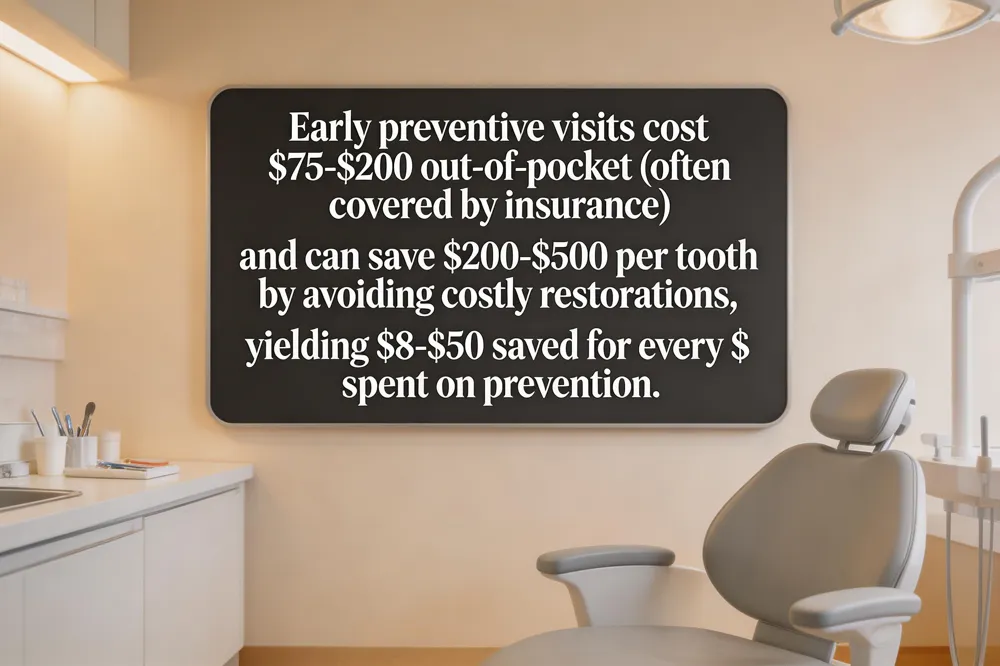 Early preventive dental visits not only protect children’s teeth but also translate into measurable financial savings.
Typical out‑of‑pocket price range – A standard preventive appointment (exam, professional cleaning, and any required X‑rays) generally costs $75‑$200 when paid directly.
Insurance coverage and copayments – Most dental plans cover two cleanings per year, so the patient often pays little or nothing aside from a modest copayment or deductible. Some insurers also include bite‑wing X‑rays in the preventive benefit, further lowering out‑of‑pocket costs.
Discounted cleaning‑only packages in Midland – For families without insurance or with high‑deductible plans, many Midland practices offer “cleaning‑only” specials priced at $50‑$80, making regular care affordable.
Economic impact of preventing restorative work – Retrospective data from 363 children (0‑4 years) showed that those whose first visit occurred before age 2 required fewer operative procedures per year (0.86 vs 1.98; p < 0.05). Each additional cleaning exam correlated with fewer restorations (r = ‑0.250, p < 0.001). Because a single filling can cost $100‑$300 and more extensive work (root canals, crowns) runs $700‑$5,000, the reduction in restorative visits saves families $200‑$500 per tooth over a child’s lifetime and contributes to broader health‑care savings (studies report $8‑$50 saved for every $1 spent on prevention).
Answer to the key question – A preventative dental visit typically costs $75‑$200 out‑of‑pocket, but most insurance plans cover two cleanings per year, often reducing the patient’s cost to a small copayment or deductible. In Midland, discounted cleaning‑only packages ($50‑$80) provide an affordable option for uninsured families, and the long‑term avoidance of costly restorative procedures makes early prevention a financially smart investment.
The Dental Home Concept
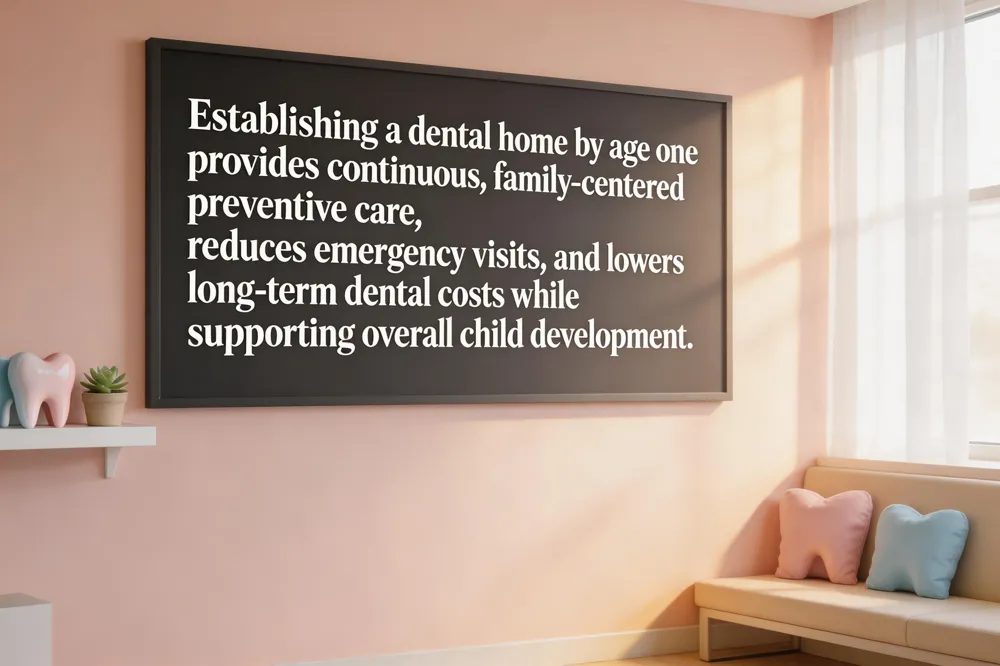 A dental home is a continuous, family‑centered practice where a child receives comprehensive preventive care, risk‑based caries assessments, and anticipatory guidance from the first tooth eruption onward. Establishing this home by age one ensures timely access to fluoride varnish, sealants, and oral‑hygiene counseling, allowing clinicians to intercept disease before it progresses. Because care is coordinated and predictable, families experience fewer emergency dental visits, and studies show a measurable drop in restorative procedures and associated costs over the child’s early years.
What is the core principle for recommending every child have a dental home by age one? The core principle is that an ongoing, family‑centered dental home established by age one gives children timely access to preventive care, risk assessment, and anticipatory guidance. This early engagement allows clinicians to detect and intervene on caries and other oral problems before they become serious. By coordinating care in a continuous, accessible manner, the dental home reduces the need for emergency treatment and lowers long‑term dental costs, supporting overall growth, nutrition, and school readiness.
Clinical Evidence Supporting Early Care
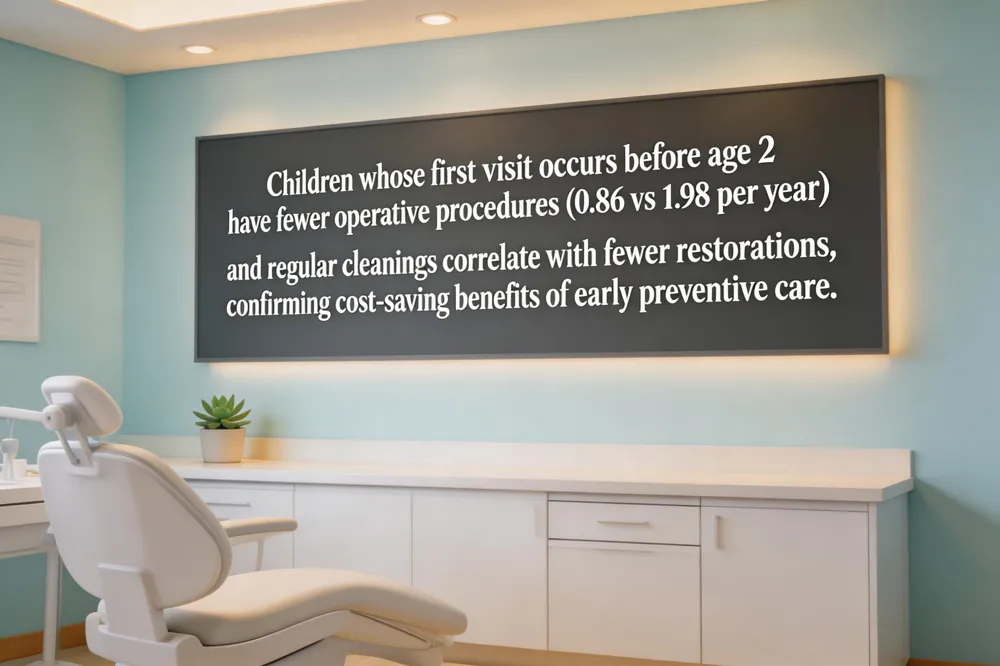 A retrospective study of 363 children aged 0‑4 years showed that those children whose first dental visit occurred before age 2 required fewer operative procedures per year (average 0.86 vs 1.98, p < 0.05). A positive correlation (r = 0.131, p = 0.013) linked later first‑visit age to higher treatment frequency, while more regular cleaning examinations were associated with fewer restorations (overall r = ‑0.250, p < 0.001); stronger for first visits ≥2 years, r = ‑0.327, p < 0.001. These findings support cost‑saving implications: early, risk‑based preventive visits reduce the need for costly restorative work, translating into lower long‑term dental expenditures.
What are the benefits of early dental care? Early visits catch decay before it becomes painful or extensive, provide anticipatory guidance on brushing, diet, flu habits, and establish a dental home. This reduces emergency trips, school absenteeism, and future treatment costs while fostering lifelong oral‑health routines and confidence.
Fluoride and Sealants: Key Preventive Tools
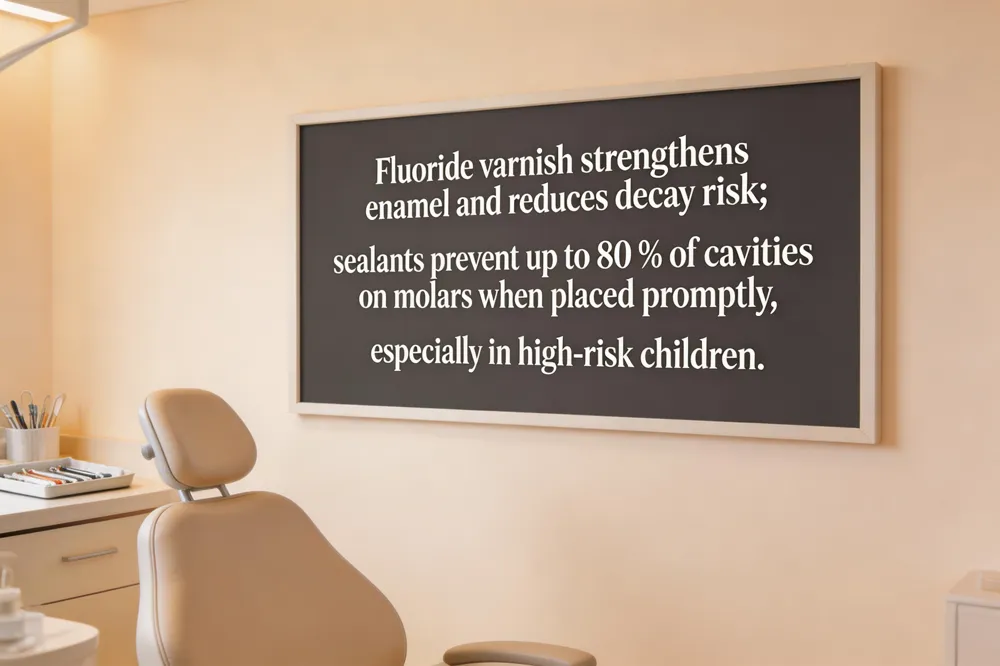 Fluoride treatments strengthen enamel and make teeth more resistant to acid attacks works by reinforcing enamel, making it more resistant to acid attacks that cause decay. It promotes remineralization—replacing lost calcium and phosphate—to repair early, non‑cavitated lesions, and it lowers enamel solubility, slowing demineralization. Fluoride treatments strengthen enamel and make teeth more resistant to acid attacks also interferes with bacterial metabolism, reducing acid production and bacterial adhesion to tooth surfaces, which together lower cavity risk and future restorative work.
Dental sealants can prevent up to 80 % of cavities in children provide a protective barrier on the chewing surfaces of molars, preventing plaque and food particles from lodging in pits and fissures. Clinical data show sealants can reduce occlusal caries by up to 80 % when applied shortly after eruption, especially in high‑risk children. For maximum benefit, sealants should be placed as soon as permanent molars emerge (around age 6) and combined with regular fluoride varnish applications, ideally twice a year, to sustain enamel strength and further curb decay.
Guidelines, Regulations, and Common Myths
 Early preventive dental care is a proven public‑health strategy. A retrospective study of 363 children showed that those whose first visit occurred before age 2 required fewer than half the operative procedures per year than peers seen later (p < 0.05), underscoring the value of a dental home by age 1.
What are the AAPD guidelines for pediatric dentistry?
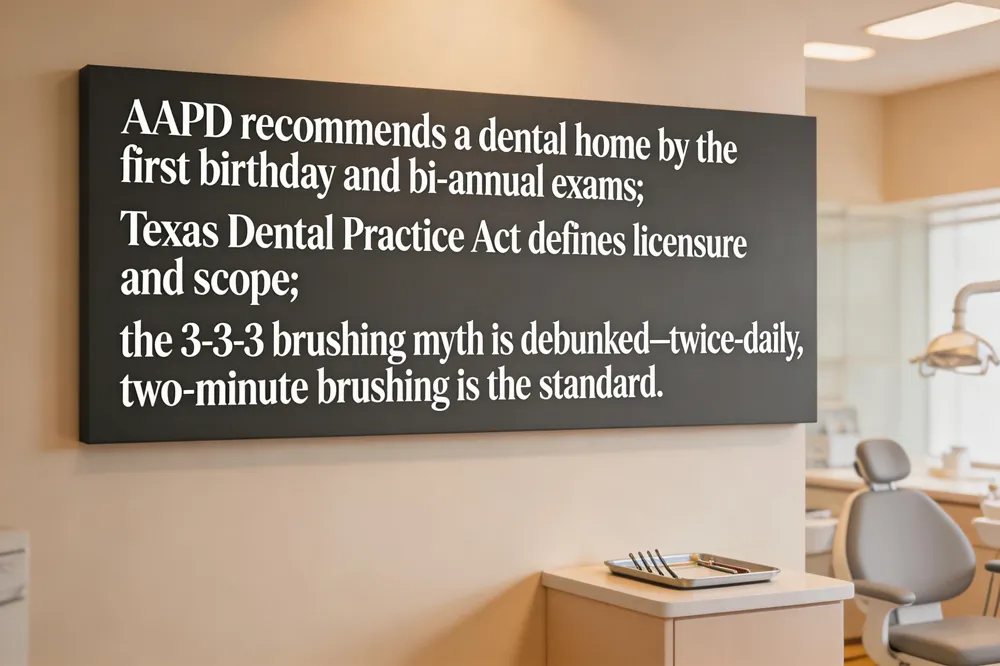
The American Academy of Pediatric Dentistry recommends establishing a dental home by the first birthday, conducting comprehensive exams at least every six months, and delivering risk‑based preventive services such as fluoride varnish, sealants, and anticipatory guidance. High‑risk children may need more frequent visits, and minimally invasive techniques (e.g., Hall technique, silver‑diammine fluoride) are preferred for early lesions.
What is the purpose of the Texas State Dental Practice Act?
The Act protects the public by defining who may practice dentistry, setting licensure qualifications, outlining the scope of practice for dentists and dental‑hygienists, and establishing standards for conduct, continuing education, and disciplinary procedures. It ensures independent clinical judgment and high‑quality, patient‑centered care.
What is the 3‑3‑3 rule for brushing teeth?
The “3‑3‑3” myth suggests brushing three times a day for three minutes and stopping three hours before bedtime. Major dental organizations endorse brushing twice daily for two minutes; excessive frequency or duration offers no added benefit and may irritate gums.
Regulatory standards for dental‑hygienist practice
In Texas, dental hygienists may perform prophylaxis, fluoride applications, sealants, and oral‑health education under dentist supervision, adhering to infection‑control protocols and state‑mandated continuing‑education requirements.
Practical Advice for Parents and Clinicians
What guidance should a primary care clinician give caregivers about teething?
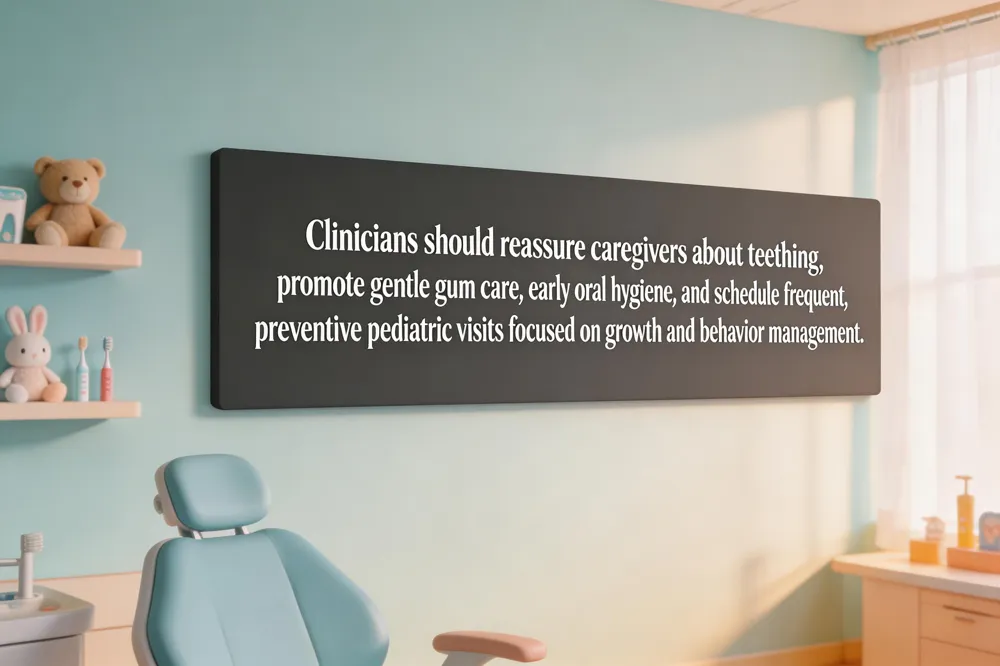
A clinician should reassure caregivers that teething is normal and suggest gentle gum massage, chilled (not frozen) teething rings, or a wet washcloth for comfort. Age‑appropriate soft foods to chew and, if needed, pediatric‑dose acetaminophen or ibuprofen can be used; avoid aspirin, benzocaine gels, and homeopathic tablets. Keep the infant’s gums clean with a damp cloth after feedings and limit prolonged bottle use to prevent early decay. Watch for high fever, persistent diarrhea, or rash—these warrant medical evaluation. Early oral‑health habits such as brushing once teeth erupt and limiting sugary liquids, should be emphasized.
How does treatment planning differ between pediatric and adult patients?
Pediatric plans focus on growth, prevention, and behavior management: fluoride varnish, sealants, habit counseling, and frequent six‑month visits to monitor eruption and orthodontic timing. Parental involvement is essential. Adult plans prioritize restoration and preservation of permanent teeth, addressing cavities, crowns, root canals, periodontal health, and systemic considerations. Visits are often annual, with comprehensive exams, oral‑cancer screening, and individualized restorative options. Both require risk‑based scheduling, but pediatric care is more preventive and developmental, whereas adult care is restorative and maintenance‑oriented.
Long‑Term Advantages Summarized
Early preventive dental visits—ideally before age 2—are linked to a marked reduction in future operative procedures, with children in the early‑visit group averaging less than one restorative treatment per year versus two in later‑visit peers. This decrease translates into substantial lifetime cost savings; every dollar spent on prevention can avert $8–$50 in future restorative and emergency care. Moreover, regular cleanings, fluoride varnish, and sealants not only preserve tooth structure but also lower the risk of gum disease and oral infections that have been tied to systemic conditions such as diabetes and cardiovascular disease. The cumulative effect is better oral health, fewer missed school days, and enhanced self‑confidence that persists into adulthood.