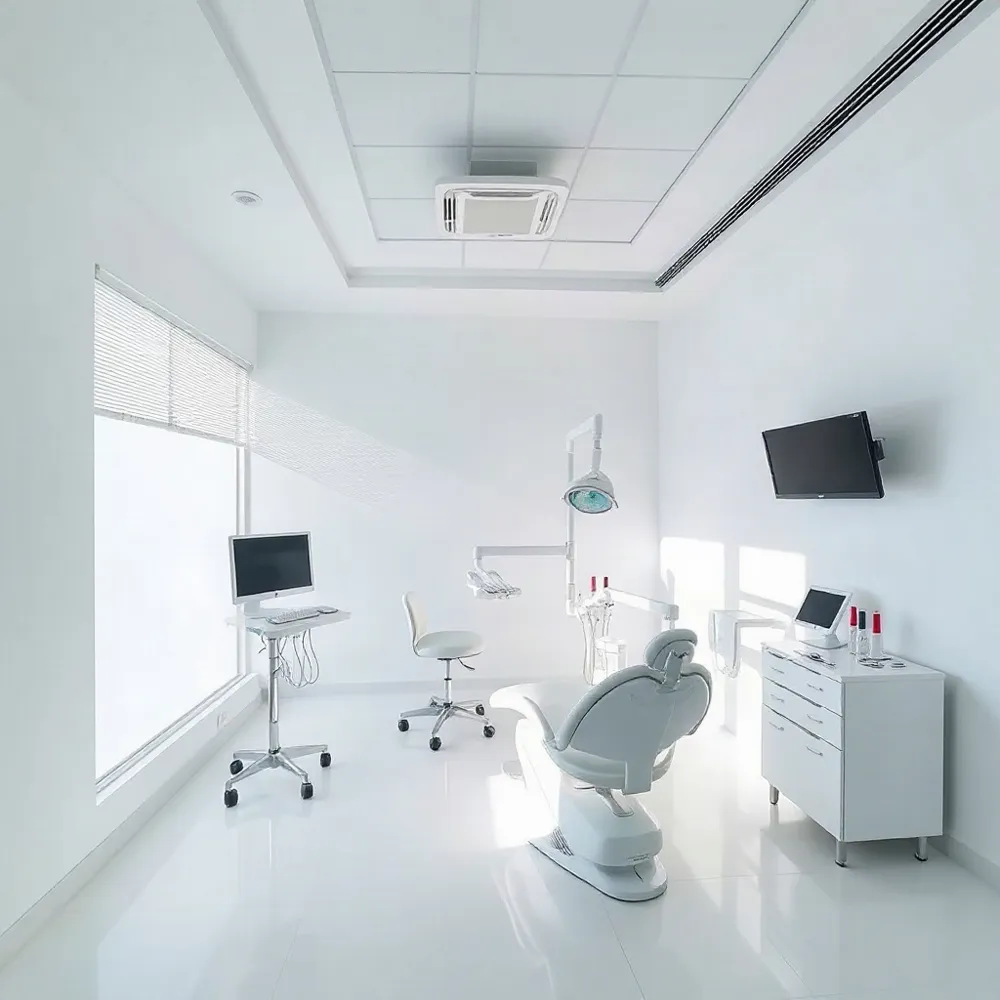
Welcome to Compassionate Dental Care at Dr. Ashley Burns
Compassionate oral care is a patient‑centered approach that blends clinical expertise with genuine empathy, ensuring each individual feels heard, respected, and comfortable throughout every visit. In practice, this means listening actively, explaining diagnoses and treatment options in clear, lay‑person language, and involving patients in shared decision‑making. By prioritizing compassion, anxiety is reduced, adherence to preventive oral‑hygiene regimens improves, and long‑term oral health outcomes are enhanced. Dr. Ashley Burns’ practice integrates modern technology—digital imaging, laser dentistry, and sedation options—with warm communication, culturally sensitive staff, and transparent financial discussions, creating a trustworthy environment where patients partner with confidence in their care.
Foundations: Oral Care and Dental Ethics
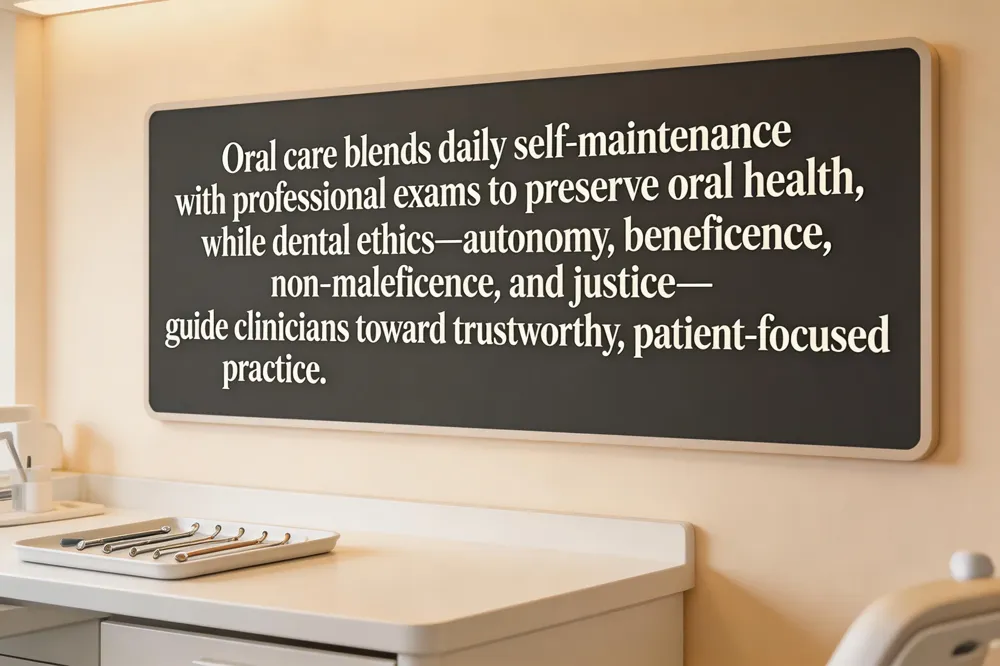 Oral care is the routine and professional management of the health of the teeth, gums, and entire mouth‑facial system. It combines daily self‑care habits—brushing, flossing, limiting sugary foods—with regular dental examinations and cleanings performed by dentists or hygienists. By removing plaque, preventing caries and periodontal disease, and detecting problems early, oral care preserves the ability to eat, speak, smile, and maintain overall health while supporting confidence and quality of life.
The four fundamental principles of dental ethics are patient autonomy, beneficence, non‑maleficence, and justice. Autonomy requires full disclosure and respect for patients’ right to make their own treatment decisions. Beneficence obliges clinicians to act in the patient’s best interest, promoting health and well‑being. Non‑maleficence embodies the “do no harm” ethic, demanding avoidance of unnecessary risk or injury. Justice calls for equitable access to care and impartial treatment of every patient.
Dental hygienists follow a specific code of ethics that emphasizes respect for autonomy, informed consent, confidentiality, and veracity. They must practice non‑maleficence, promote beneficence, ensure justice, and maintain ongoing competence via evidence‑based care and lifelong learning. This ethical framework builds trust and up professional excellence.
Patient‑Centered Care in Practice
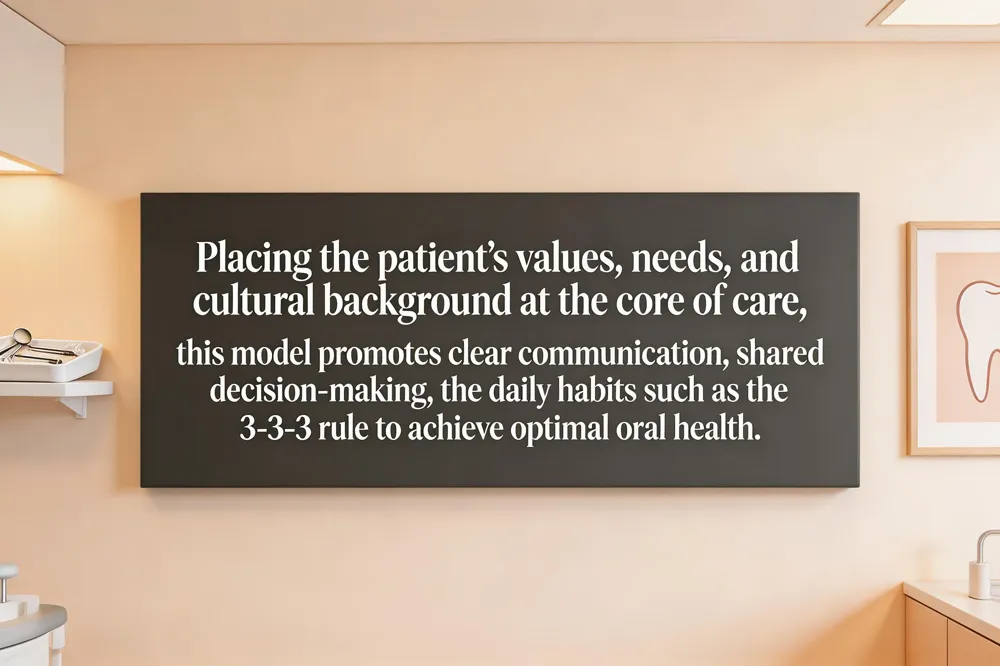 Patient‑centered care in dentistry is an approach that places the individual patient’s preferences, needs, values, cultural background, and circumstances at the heart of every clinical interaction. It involves clear, compassionate communication that explains procedures, risks, and benefits in language the patient can understand, while actively listening to their concerns and fears. By encouraging shared decision‑making, dentists collaborate with patients to develop treatment plans that reflect the patient’s priorities and empower them to make informed choices. This model also seeks to reduce barriers to care—such as cost, language, and accessibility—so that all patients can receive equitable, high‑quality oral health services.
The 3‑3‑3 rule offers a simple daily oral‑care framework: brush for about three minutes, do it roughly three times a day, and follow a three‑step routine of brushing, flossing (or cleaning between teeth), and rinsing with a fluoride mouthwash when recommended. It helps maximize plaque removal and builds consistent habits.
Five practical daily habits include: (1) brushing twice a day for at least two minutes with a soft‑bristle brush and fluoride toothpaste; (2) flossing or using interdental cleaners daily; (3) rinsing with an antimicrobial or fluoride mouthwash; (4) limiting sugary/acidic foods and staying hydrated with fluoride‑rich water; and (5) keeping up with regular dental check‑ups and cleanings.
Effective communication builds trust, reduces anxiety, and improves treatment adherence. Non‑verbal cues—eye contact, facial expressions, posture, gentle touch—convey empathy and professionalism, helping patients feel respected and relaxed, which enhances overall satisfaction and oral‑health outcomes.
Comprehensive Services and Functional Areas
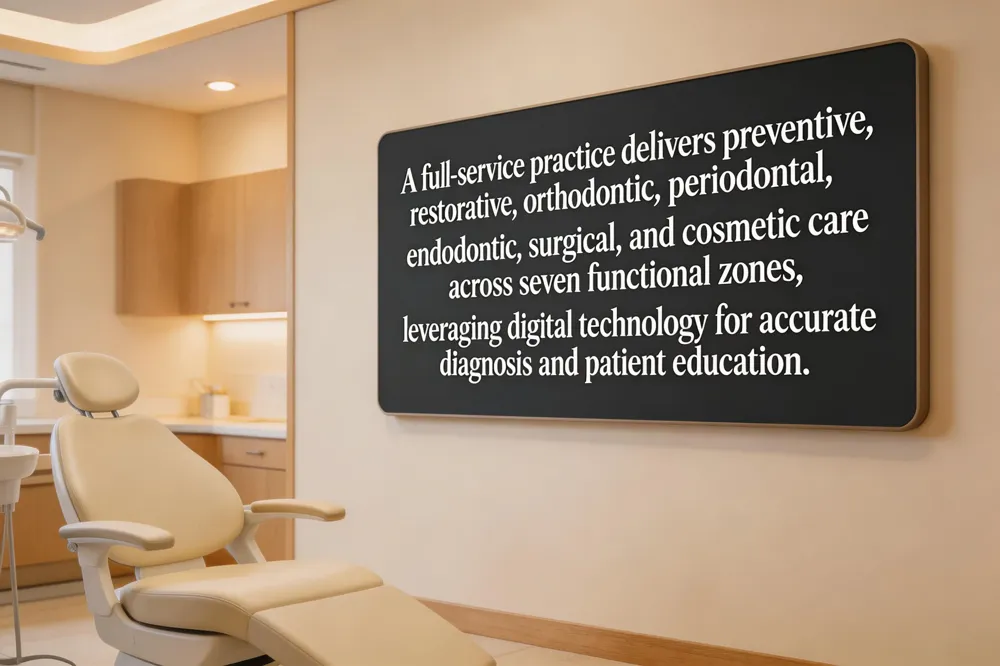 A comprehensive dental practice delivers the full spectrum of patient‑centered care. Preventive services—routine exams, cleanings, fluoride treatments, and sealants—maintain oral health and catch problems early. Restorative care repairs damaged teeth with fillings, inlays, onlays, crowns, bridges, implants, and dentures. Specialty areas include orthodontics (braces or clear aligners), periodontal therapy, endodontics, oral surgery (extractions, wisdom‑tooth removal), and cosmetic procedures such as whitening, veneers, and bonding.
The practice is organized into seven functional areas: (1) a welcoming front‑office reception that manages patient flow; (2) a business office handling billing, insurance verification, and scheduling; (3) clinical treatment rooms where care is provided; (4) an instrument‑processing/sterilization zone; (5) an in‑house dental laboratory for prosthetic work; (6) a staff lounge/office for non‑clinical personnel; and (7) a storage and supply area for consumables and equipment.
Technology integration—CBCT imaging, digital impressions, intra‑oral cameras, and electronic health records—enhances diagnostic accuracy, streamlines treatment planning, and supports clear patient education, reinforcing the practice’s commitment to compassionate, high‑quality care.
Compassionate Care in Special Populations
 Multilingual communication: U.S. dental offices now offer services in English, Mandarin, Taiwanese, and other languages, reducing barriers and improving health equity for diverse communities.
Sedation options for anxiety: Nitrous oxide and oral conscious sedation are standard tools that safely manage dental fear, allowing patients to receive necessary care without distress.
Oral‑care nursing procedures: An oral‑care nursing procedure is a systematic, nurse‑led process for cleaning, assessing, and maintaining the patient’s mouth, teeth, and gums. It begins with hand hygiene and PPE, then positions the patient upright (≈45°) and uses a soft toothbrush with a pea‑sized amount of fluoride toothpaste to brush all surfaces, followed by suction or rinsing if the patient cannot expect. The nurse also moisturizes dry mucosa, inspects for lesions, caries, or signs of infection, and documents findings while following infection‑prevention precautions such as gloves and proper disposal of used supplies. The goals are to remove food debris and plaque, reduce the risk of aspiration‑related pneumonia, and promote comfort and overall health, especially in hospitalized or long‑term‑care settings. Regular oral‑care nursing interventions are therefore essential components of comprehensive patient‑centered dental care.
Community engagement and outreach: Practices partner with local schools, senior centers, and mobile clinics, providing preventive education, free screenings, and culturally tailored resources that extend compassionate care beyond the clinic walls.
Building Trust Through Education and Feedback
 Dental hygiene is the systematic practice of keeping the mouth, teeth, and gums clean and healthy through daily care and regular professional services. It includes brushing with fluoride toothpaste, flossing, mouthwash, and routine cleanings that remove plaque and tartar, preventing decay and gum disease. Patient‑education tools such as visual aids, digital radiography, interactive guides, and multilingual pamphlets empower individuals to understand oral‑health concepts, practice proper techniques, and make informed decisions. Clear explanations of treatment options and preventive measures reinforce confidence and reduce anxiety. Feedback mechanisms—post‑visit surveys, electronic questionnaires, and follow‑up calls—provide real‑time insight into patient experiences. By analyzing this data, practices can refine communication, adjust protocols, and continuously improve the compassionate, patient‑centered environment that builds lasting trust. These efforts also encourage patients to return for regular check‑ups, strengthening the partnership between clinician and community.
Your Path to a Compassionate Smile
Compassionate dental care blends empathy, clear communication, and shared decision‑making to put the patient’s values at the heart of every visit. Active listening, personalized treatment plans, culturally respectful language, and transparent cost discussions reduce anxiety and build trust. Modern tools such as digital imaging, intra‑oral cameras, and gentle sedation options enhance comfort while delivering precise diagnoses. At Dr. Ashley Burns, DDS in Midland, Texas, our team welcomes you with a warm environment and offers flexible scheduling, bilingual support, and preventive education. Schedule your appointment today and experience a caring, patient‑centered approach to oral health.