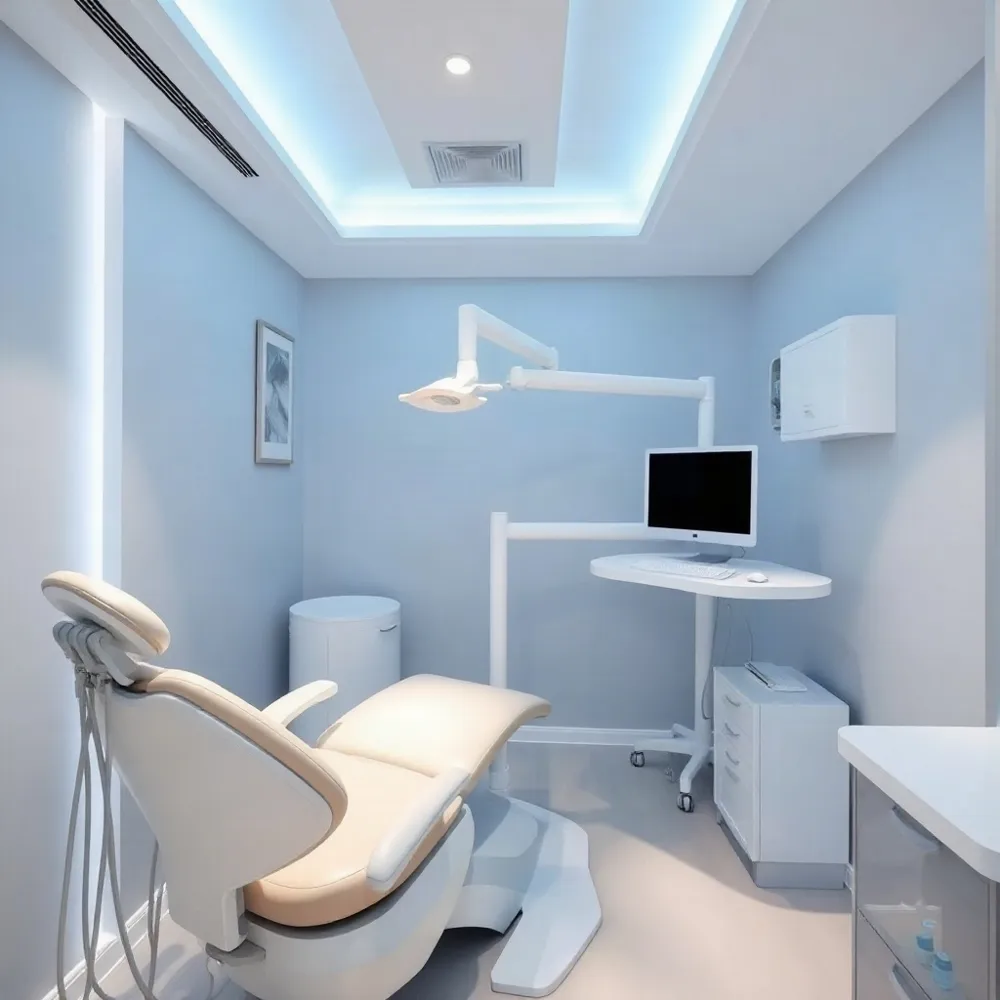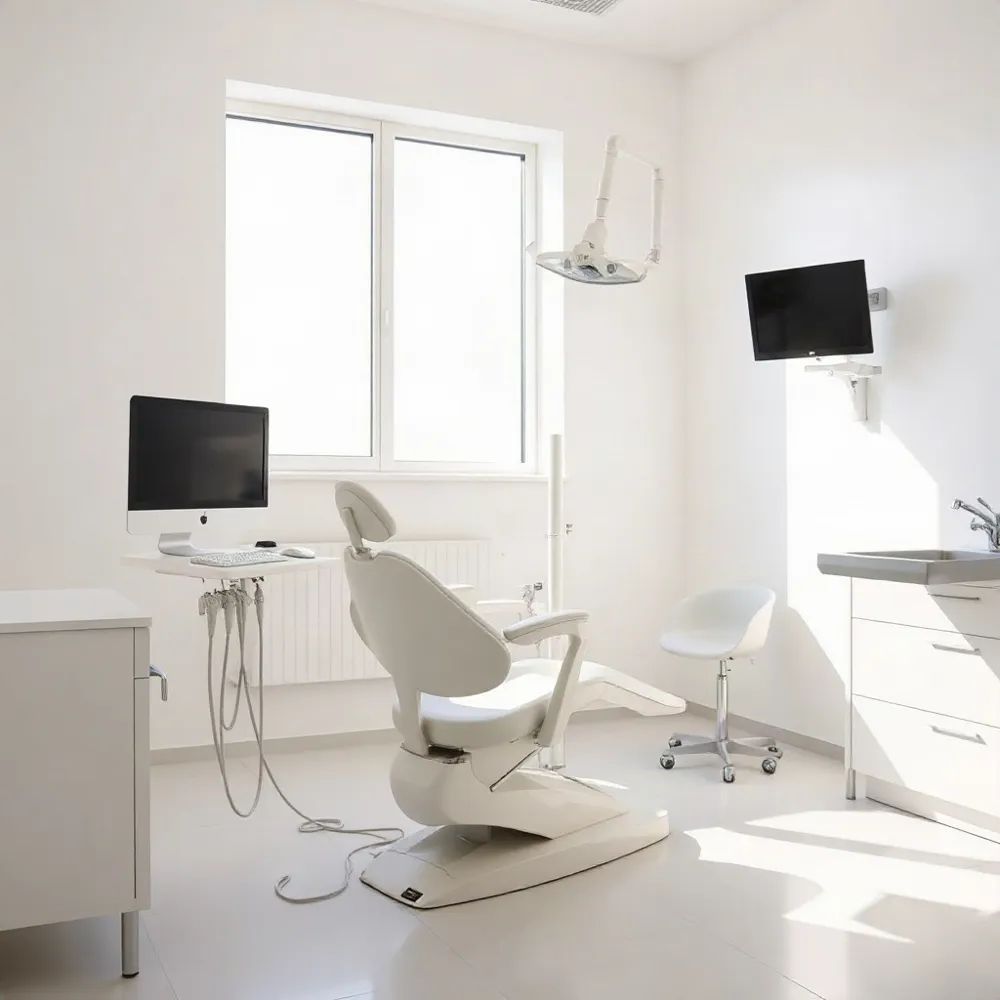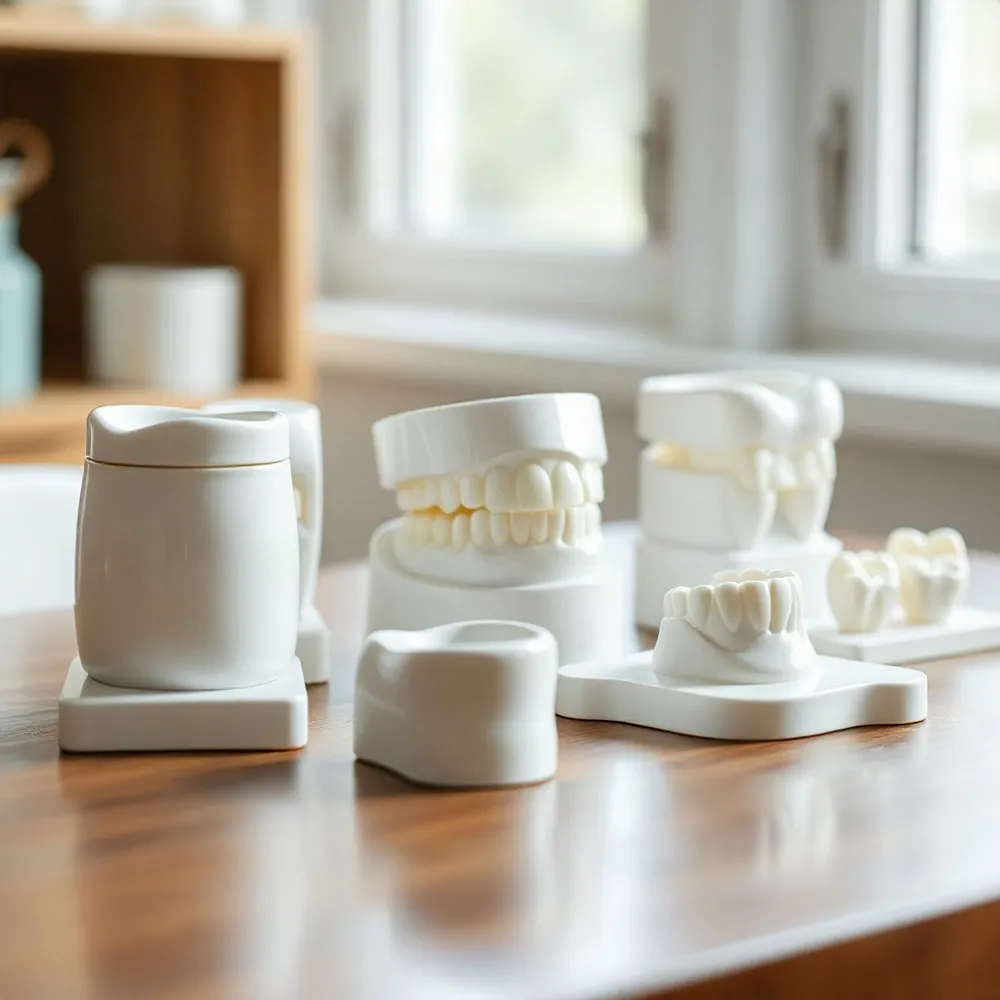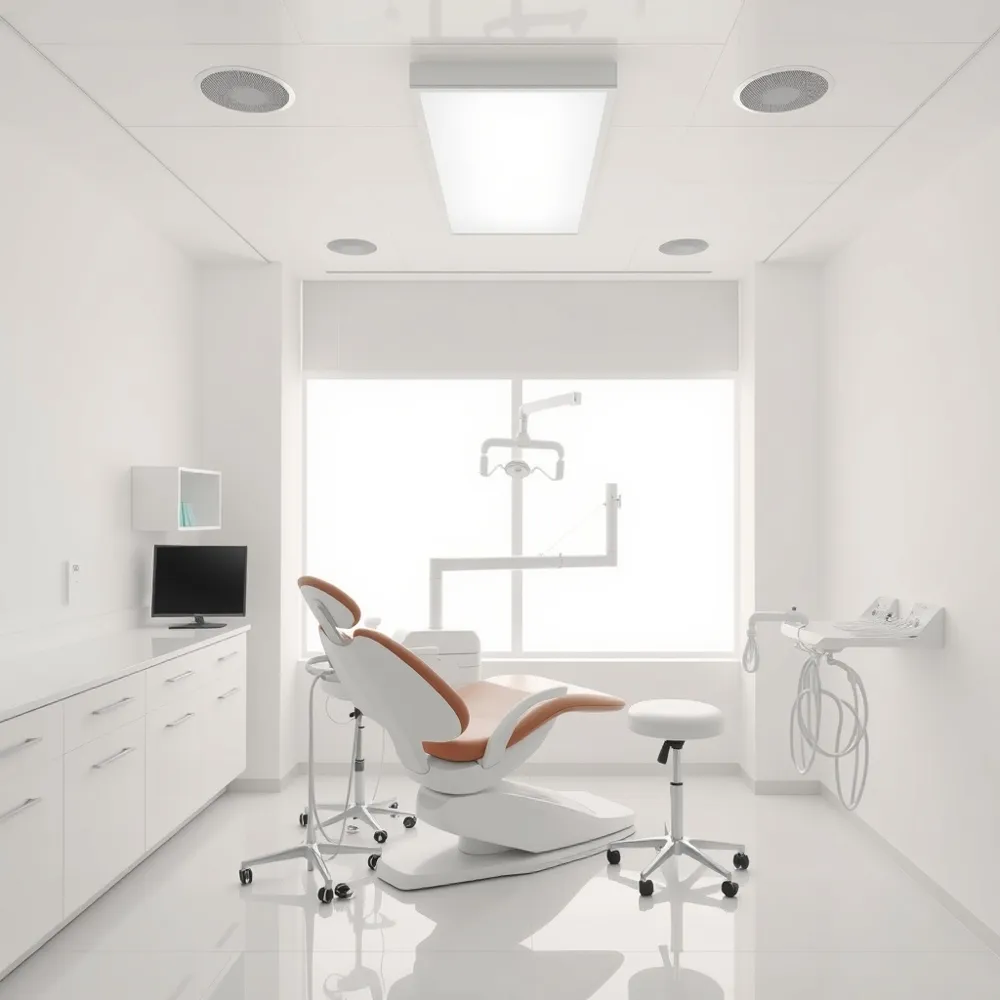
Embracing a New Era of Precision Dentistry
Modern dentistry is shifting away from traditional analog methods toward a precision-based digital workflow. Rather than relying on uncomfortable physical molds, clinicians now use intraoral scanners to capture high-accuracy 3D models. This transition significantly enhances diagnostic precision and patient comfort by eliminating the gagging and inconvenience associated with messy putty.
At ashleyburnsdds.com, we integrate these digital technologies to elevate the standard of care. While some practices still depend on manual techniques that require multiple visits and laboratory delays, our approach utilizes CAD/CAM systems to facilitate rapid, high-quality restoration fabrication. This results in shorter treatment times and reduced prosthetic remakes, often by as much as 40 percent, as noted in studies regarding digital dentistry.
Efficiency and diagnostic depth form the foundation of a modern dental experience. By combining CBCT imaging with artificial intelligence, we offer patients visual clarity and early issue detection that traditional 2D radiography cannot match. These advancements allow us to provide personalized treatment plans that ensure precise outcomes, ultimately prioritizing your long-term oral health.
The Power of Digital Diagnostics and Intraoral Scanning
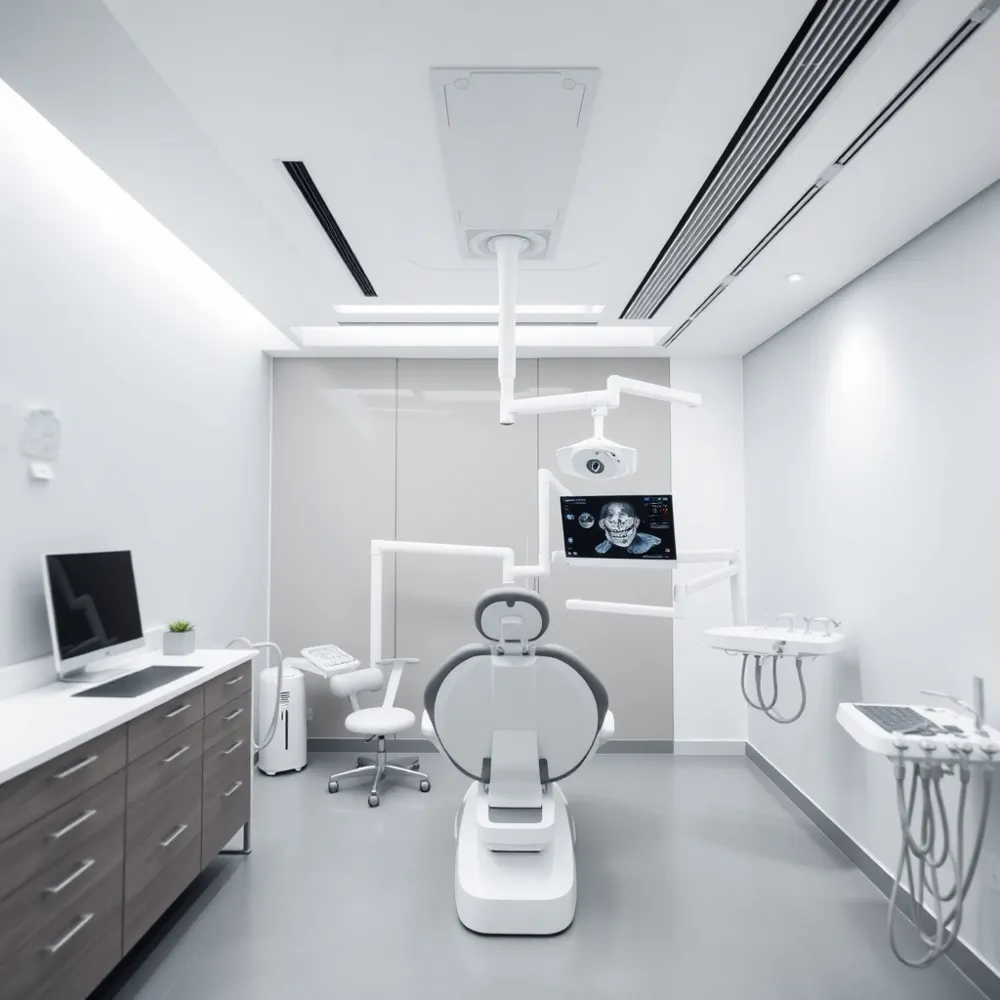 Advancements in digital dentistry have significantly shifted patient care away from traditional putty impressions and toward high-precision optical scanning. Dental practices utilize these digital intraoral scanners to capture detailed 3D models with micron-level accuracy. This transition replaces standard, cumbersome impression materials with a streamlined workflow that minimizes patient discomfort while virtually eliminating the need for physical stone models.
What are the primary benefits and mechanisms of using intraoral scanners?
Intraoral scanning technology works by capturing hundreds of high-resolution images per minute to assemble an accurate 3D representation of the oral cavity. According to the American Dental Association, this approach improves overall clinical efficiency by reducing the potential for restoration remakes by up to 90%. By moving to these digital diagnostics, dental practices provide faster turnaround times for restorative work, ensuring that patients receive their crowns or bridges far more quickly than traditional analog methods allow.
Beyond technical accuracy, real-time 3D visualization serves as an effective tool for patient education. When patients can see a magnified view of their own teeth and gums on a screen, they better understand the necessity of recommended treatments. As noted in research published by MDPI, this visual clarity increases case acceptance by allowing patients to participate directly in their own treatment planning. By turning a complex procedure into a transparent digital process, these scanners empower patients to make informed decisions about their long-term oral health.
Advanced Restorative Solutions Through CAD/CAM and 3D Printing
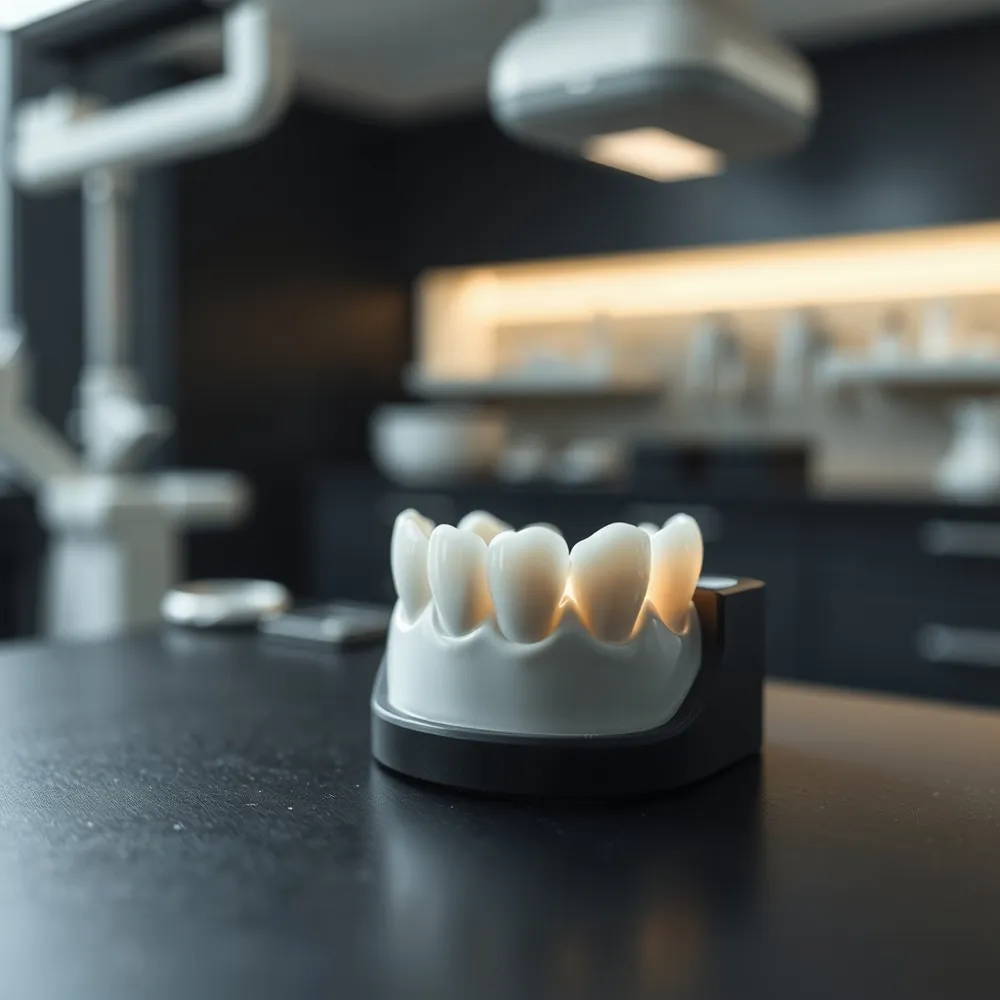 The integration of CAD/CAM (Computer-Aided Design and Computer-Aided Manufacturing) systems at ashleyburnsdds.com has transformed how we approach restorative dentistry. By moving away from time-intensive manual methods, practitioners can now design and fabricate durable, custom-fit crowns, bridges, and veneers directly within the office. This transition minimizes the reliance on external laboratories, ensuring that every restoration is tailored to the unique anatomy of the patient with high precision and aesthetic accuracy.
How does 3D printing technology impact modern dental care?
In 2024, 3D printing technology is revolutionizing modern dental care by enabling the creation of highly accurate dental restorations, including crowns, bridges, veneers, and dentures. This innovation significantly enhances efficiency, often allowing for same-day treatments that dramatically reduce the time patients spend in the dental chair. By streamlining the production process, 3D printing improves overall patient convenience and comfort. Furthermore, this technology integrates seamlessly with digital diagnostic tools, ensuring that each restoration is customized with exceptional precision. Ultimately, these advancements reflect a commitment to utilizing cutting-edge solutions to provide patients with high-quality, effective, and minimally invasive dental care.
Beyond routine restorations, 3D printing allows clinicians to produce highly accurate surgical guides and custom prosthetics that were previously complex to manufacture. According to The Impact of Robotics and Smart Implant Design on Dental Practice, these digital workflows provide significant financial and clinical efficiency, reducing prosthetic remakes by up to 40% while saving between 20 and 30 minutes of chairside time per case. While some practices still rely on traditional impression and manual fabrication methods, ashleyburnsdds.com prioritizes these advanced digital tools to ensure faster turnaround and superior patient outcomes.
Precision Procedures with Robotics, Lasers, and Imaging
 The integration of modern technology elevates the standard of care by combining robotic-assisted surgery with precision laser tools. Unlike traditional manual methods, robotic surgical systems such as Yomi provide enhanced guidance for implant placement, achieving mean entry deviations as low as 0.72 mm for superior accuracy.
For soft and hard tissue management, lasers offer a minimally invasive alternative that significantly reduces patient discomfort. By utilizing focused light energy, practitioners can perform procedures like gum reshaping or cavity treatment with less bleeding and faster healing times compared to conventional surgery. In fact, research suggests that laser applications can reduce patient recovery times by as much as 50%.
Diagnostics remain a cornerstone of this technological evolution, with CBCT providing essential high-resolution 3D views of patient bone and soft tissue structures. These views allow for safer, more predictable planning for complex restorative tasks. When compared to legacy radiographic systems, current digital X-ray standards further protect the patient by reducing radiation exposure by as much as 90%.
| Technology | Clinical Purpose | Patient Benefit |
|---|---|---|
| Robotic Systems | Implant placement | Improved accuracy |
| Laser Surgery | Soft tissue care | Faster recovery |
| CBCT Imaging | 3D diagnostics | Fewer surprises |
Artificial Intelligence and Specialized Prosthodontics
The integration of Artificial Intelligence (AI) is transforming specialized prosthodontics by leveraging predictive analytics to enhance diagnostic precision and personalize treatment plans. According to research published in the Open Dentistry Journal, AI assists clinicians in analyzing complex patient data to identify early pathology, such as periodontal disease or subtle caries, that might remain undetected through manual inspection alone. At ashleyburnsdds.com, these advanced diagnostic capabilities are utilized to create more accurate, patient-specific restorations that align with individual anatomy and long-term oral health goals.
How is digital dentistry utilized in specialized fields like prosthodontics?
In specialized fields like prosthodontics, digital dentistry enhances the art and science of tooth restoration by transforming manual procedures into a streamlined, data-driven workflow. Prosthodontists utilize advanced intraoral scanners to capture precise patient data, effectively replacing traditional, error-prone physical impressions. This digital information is then processed through sophisticated CAD/CAM software, allowing for the meticulous design and fabrication of highly accurate, durable prosthetic solutions. By integrating these tools, clinicians achieve a seamless workflow that facilitates better collaboration with laboratories and ensures restorations seat accurately with minimal chairside adjustments. Ultimately, this technology provides patients with more predictable, high-strength outcomes and a superior aesthetic experience.
Modern workflows also rely on secure, cloud-based connectivity to bridge the gap between the chairside experience and lab fabrication. By utilizing DICOM standards for data exchange, practitioners at ashleyburnsdds.com can transmit high-resolution scans and 3D models directly to dental laboratories. This secure digital platform approach reduces turnaround times, mitigates the risk of shipping errors associated with physical molds, and fosters a collaborative environment where technicians and dentists can refine prosthetic designs in real-time to ensure a perfect fit.
A Patient-Centered Future for Modern Dentistry
Modern dental technology does more than update clinical tools. It fundamentally improves the patient journey. By integrating digital workflows, practices like ashleyburnsdds.com reduce chair time and increase diagnostic clarity. These advancements replace uncomfortable traditional procedures with precise, data-driven solutions that prioritize human comfort.
Future care increasingly relies on connectivity. Teledentistry removes geographical barriers, allowing for remote consultations that respect your schedule. Furthermore, the American Dental Association highlights that secure data integration and electronic health records ensure that your treatment history is always accessible, facilitating a more cohesive and personalized approach to long-term oral health.
- Ask about digital imaging during your next checkup to better understand your oral health data.
- Request a virtual consultation if you have questions about specific treatment plans or follow-up procedures.
- Review educational resources on our website to see how these technologies improve your experience.