Introduction to Modern Dental Innovations
Overview of recent technological advancements in dentistry
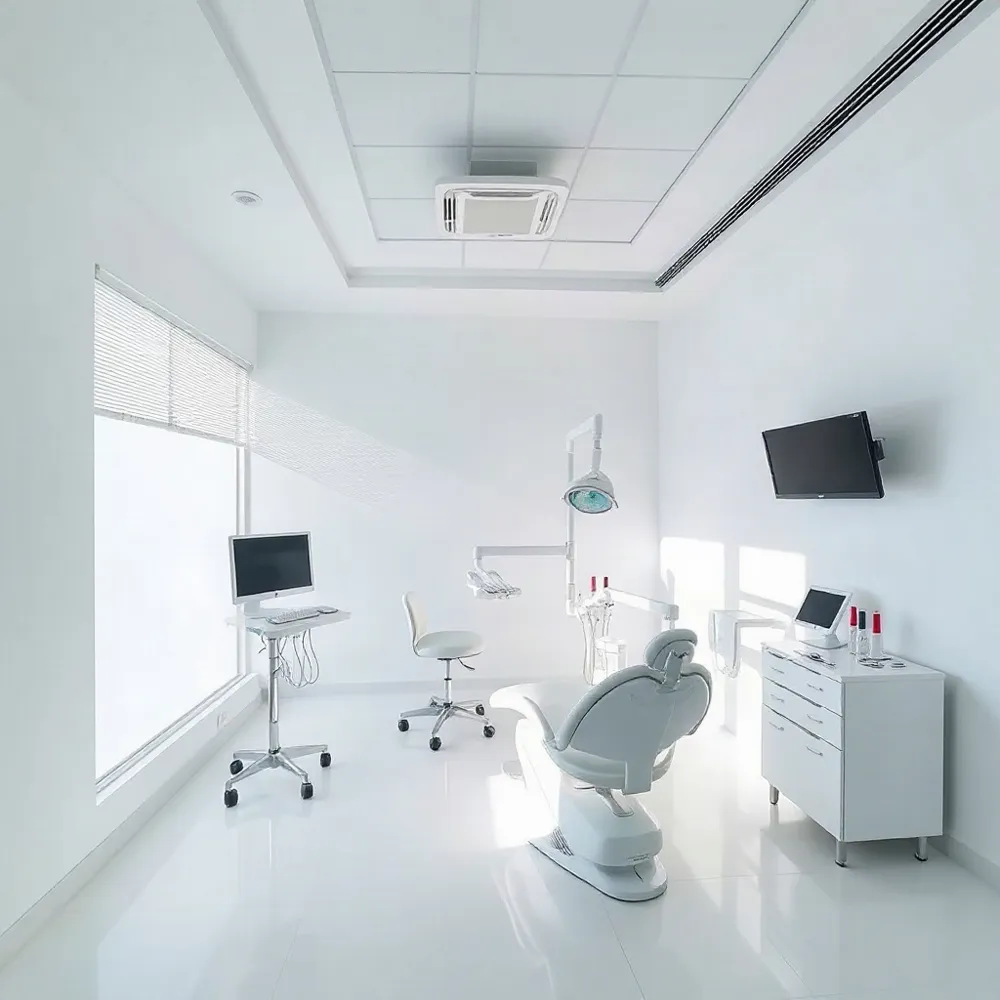
Recent years have seen remarkable technological advancements in dental care, significantly transforming how treatments are delivered. Key innovations include digital imaging techniques such as digital X-rays and 3D cone beam computed tomography (CBCT), which offer highly detailed views of teeth and surrounding structures while reducing radiation exposure. Advanced tools like laser dentistry provide minimally invasive procedures that reduce discomfort and accelerate healing for a variety of treatments, including gum therapy and cavity removal.
Other breakthroughs involve digital impressions and CAD/CAM technology for creating precise restorations like crowns and bridges on the same day. Additionally, 3D printing accelerates fabrication of dental prosthetics, implants, and surgical guides, ensuring better fit and customization. Artificial intelligence (AI) enhances diagnostic accuracy by analyzing images and patient data, facilitating early detection of issues and personalized treatment planning. Teledentistry expands access through remote consultations, increasing convenience especially for those in underserved areas.
Benefits of new dental technologies for patients
These innovations prioritize patient comfort, efficiency, and improved outcomes. Digital impressions replace uncomfortable molds, shortening appointment times and increasing precision. Laser dentistry minimizes pain, bleeding, and swelling, fostering faster recovery with less need for anesthesia. AI-driven diagnostics enable early intervention, preventing progression of dental diseases.
Patients enjoy greater convenience through same-day restorations using CAD/CAM and 3D printing, reducing multiple visits. Remote teledentistry consultations enhance accessibility and reduce travel burdens. Smart oral care devices, like sensor-equipped toothbrushes connected to apps, promote proactive home care by tracking habits and offering personalized feedback.
Together, these advances not only improve the quality and safety of dental care but also empower patients with more informed treatment options and enhanced engagement in their oral health journey.
Digital Imaging and 3D Technologies Elevating Precision and Comfort
Digital Impressions and Intraoral Scanners
Digital impressions and 3D scanning utilize advanced intraoral scanners to create precise 3D digital models of a patient's teeth and gums. This technology improves the accuracy of restorations such as crowns and bridges, while enhancing patient comfort by eliminating the need for traditional, often uncomfortable, impression molds. The scanning process is quick, reducing appointment times and minimizing issues like gag reflex that some patients experience with conventional methods.
3D Printing of Dental Restorations and Implants
3D printing in dental restorations is transforming dental care by enabling rapid, customized production of dental prosthetics including crowns, bridges, dentures, and implants. This technology allows dental practices to fabricate restorations in-house, ensuring a better fit and faster turnaround compared to traditional lab processes. Additionally, 3D printing reduces costs and supports innovative approaches like surgical guides for implant placement, enhancing procedural accuracy.
Cone Beam CT (CBCT) and 3D Imaging for Diagnosis and Treatment Planning
Cone beam computed tomography (CBCT) provides detailed three-dimensional images of teeth, jaws, and facial structures. This high-resolution imaging is invaluable for complex dental procedures such as implant placement and orthodontics. CBCT improves diagnostic precision and treatment planning by offering comprehensive views that traditional two-dimensional X-rays cannot provide. Furthermore, this advanced imaging reduces radiation exposure compared to conventional CT scans, increasing patient safety.
Together, these digital imaging in dentistry and 3D technologies advance dental care by improving diagnostic accuracy, treatment personalization, and patient experience, setting a new standard for precision and comfort in modern dentistry.
Laser Dentistry and Minimally Invasive Treatments
What is Laser Dentistry Used For?
Laser dentistry employs focused light beams to treat both soft and hard tissues in the mouth. It is versatile and can be used for a variety of procedures, including gum reshaping, cavity removal, periodontal therapy, and teeth whitening. Additionally, laser technology is effective for managing oral lesions and performing minor surgeries like frenectomy.
What Are the Advantages of Laser Dentistry Benefits?
Laser dentistry offers many benefits compared to traditional dental methods. Treatments using lasers typically result in reduced discomfort for patients during and after procedures. They minimize bleeding and swelling by sealing blood vessels, which also contributes to faster healing times. The minimally invasive nature often eliminates the need for anesthesia or reduces its amount, easing patients' anxiety and recovery.
How Are Common Procedures Enhanced by Lasers?
Using lasers for gum reshaping helps precisely contour tissues with minimal trauma. For cavity removal, lasers selectively eliminate decayed areas, preserving more healthy tooth structure. In teeth whitening, lasers accelerate the bleaching process efficiently and safely. These procedures typically have shorter appointment durations and enhanced patient comfort due to the gentle approach of laser dentistry treatments.
Laser dentistry represents a significant advancement, blending precision and patient-friendly care to improve outcomes and experience in dental treatments.
Artificial Intelligence and Digital Communication Enhancing Diagnosis and Care
How does AI improve diagnostic accuracy and early detection of dental issues?
Artificial Intelligence in dental diagnostics has become an invaluable tool in dentistry by analyzing dental images and patient data with remarkable precision. AI-powered diagnostics in dentistry can detect early signs of cavities, periodontal disease, oral cancer, and other dental conditions often before they are visible to the naked eye. These technologies minimize diagnostic errors, enabling dentists to initiate treatment promptly and improve patient outcomes. AI also aids in optimizing workflow and administrative tasks, allowing more focus on patient care.
In what ways does AI support personalized treatment planning?
AI and machine learning algorithms evaluate comprehensive patient data, including medical history, imaging, and clinical findings, to create tailored treatment plans. By predicting disease progression and patient-specific responses to treatments, AI enhances decision-making for individualized care. This approach allows dentists to offer preventive strategies, optimize procedural outcomes, and align treatments with patients’ unique needs and preferences. These advances are further supported by developments in personalized dental care advancements.
How does teledentistry improve access to dental care?
Teledentistry remote consultations leverages secure video platforms to connect patients with dental professionals remotely. This innovation expands access to consultations, diagnosis, follow-ups, and treatment planning, particularly benefiting those in rural, underserved, or mobility-challenged populations. It increases convenience by reducing the need for travel and helps maintain continuous care. Teledentistry supports early intervention by enabling timely assessments of dental concerns from the safety of a patient’s home.
What role do intraoral cameras play in patient education and communication?
Intraoral cameras in dentistry provide high-resolution, real-time images of the patient’s mouth, accessible by both dentist and patient. This clear visual communication enhances understanding of dental conditions, treatment options, and progress. It empowers patients to participate actively in their oral health decisions, leading to increased satisfaction and adherence to care recommendations. These imaging devices also improve documentation and facilitate better collaborative care.
Overall, the integration of AI and digital communication technologies is transforming dentistry, fostering more accurate diagnoses, personalized treatments, and improved patient engagement across various care settings.
Advanced Materials, CAD/CAM, and Same-Day Restorations
How Does CAD/CAM Technology Enhance Dental Restorations?
CAD/CAM (Computer-Aided Design/Computer-Aided Manufacturing) technology revolutionizes the creation of custom dental restorations, including crowns, bridges, and veneers. This digital process allows dentists to design precise restorations using detailed 3D Dental Imaging and then fabricate them on-site with milling machines. The result is highly accurate, personalized dental appliances tailored to the patient's unique dental anatomy.
What Innovative Materials Are Used with CAD/CAM?
Modern CAD/CAM dental restorations utilize advanced materials such as zirconia and porcelain. Zirconia is prized for its strength, durability, and tooth-like translucency, making it an excellent option for both aesthetics and function. Porcelain offers a natural appearance with its ability to mimic enamel's light-reflective qualities, ensuring restorations blend seamlessly with neighboring teeth.
What Are the Benefits of Same-Day Restorations?
Same-day restorations enabled by CAD/CAM technology provide several advantages:
- Reduced Number of Appointments: Patients can receive their custom crowns or veneers in a single visit, eliminating the need for temporary fixtures and multiple dental visits.
- Improved Fit and Comfort: Precise digital impressions combined with on-site milling increase the accuracy of restorations, minimizing adjustments and enhancing patient comfort.
- Enhanced Aesthetic Results: The use of high-quality materials and digital customization results in restorations that closely match the natural teeth in color and shape.
This integration of CAD/CAM technology and innovative materials significantly improves the efficiency of dental treatments while elevating patient satisfaction and clinical outcomes.
Smart Home Care and Emerging Technologies Shaping the Future of Dentistry
How are smart toothbrushes and oral health apps advancing preventive care?
Smart toothbrushes and dental apps equipped with sensors and connected to Smart toothbrushes and dental apps provide real-time feedback on brushing habits. These devices track brushing duration, pressure, and coverage, helping users improve their technique and maintain consistent oral hygiene. Coupled with apps that analyze data and offer personalized recommendations, they promote better preventive care by detecting early signs of issues and encouraging patient engagement outside the dental office.
What is regenerative dentistry and how are stem cells and tissue engineering used?
Regenerative dentistry and stem cell therapies focuses on harnessing stem cells and tissue engineering techniques to restore or regrow damaged dental tissues such as enamel, dentin, and gum tissue. Current research explores ways to repair teeth biologically, potentially minimizing the need for artificial restorations. This innovative approach could lead to natural tooth regeneration and improved outcomes for conditions like tooth loss and periodontal disease.
What emerging technologies are shaping the future of dental care?
- Nanotechnology: Enhances the durability and effectiveness of dental materials like fillings and implants, promising longer-lasting restorations.
- Robotics: Assists with implant surgeries and other precise dental procedures, improving accuracy while reducing human error.
- Augmented Reality (AR): Supports dental education and real-time procedural guidance, improving practitioner skills and patient understanding.
- Wearables: Devices linked with smartphone apps track pain levels, postoperative recovery, and oral health habits, enabling personalized monitoring and care management.
Together, these smart and emerging technologies are revolutionizing dental care by enhancing prevention, treatment personalization, comfort, and long-term oral health outcomes.
Looking Ahead: Patient Empowerment Through Technology
Enhancing Patient Outcomes and Experience
Modern dental technology has transformed patient care into a more precise, comfortable, and efficient experience. Tools like digital imaging and AI enable early diagnosis and personalized treatment plans, leading to better clinical outcomes and faster recovery. Minimally invasive methods such as laser dentistry reduce discomfort and healing time, while innovations like teledentistry improve access and convenience.
Advanced patient education technologies, including intraoral cameras and digital smile design, foster understanding and active involvement in treatment decisions. Smart toothbrushes and connected apps empower individuals to maintain oral health effectively at home, preventing issues before they arise.
Embracing Innovation for Better Dental Health
Patients are encouraged to embrace these advancements to benefit from improved care quality and comfort. Engaging with modern dental technologies not only enhances treatment outcomes but also promotes a proactive approach to oral health. By partnering with their dental professionals and utilizing innovative tools, patients can enjoy a more informed, accessible, and personalized dental care journey.