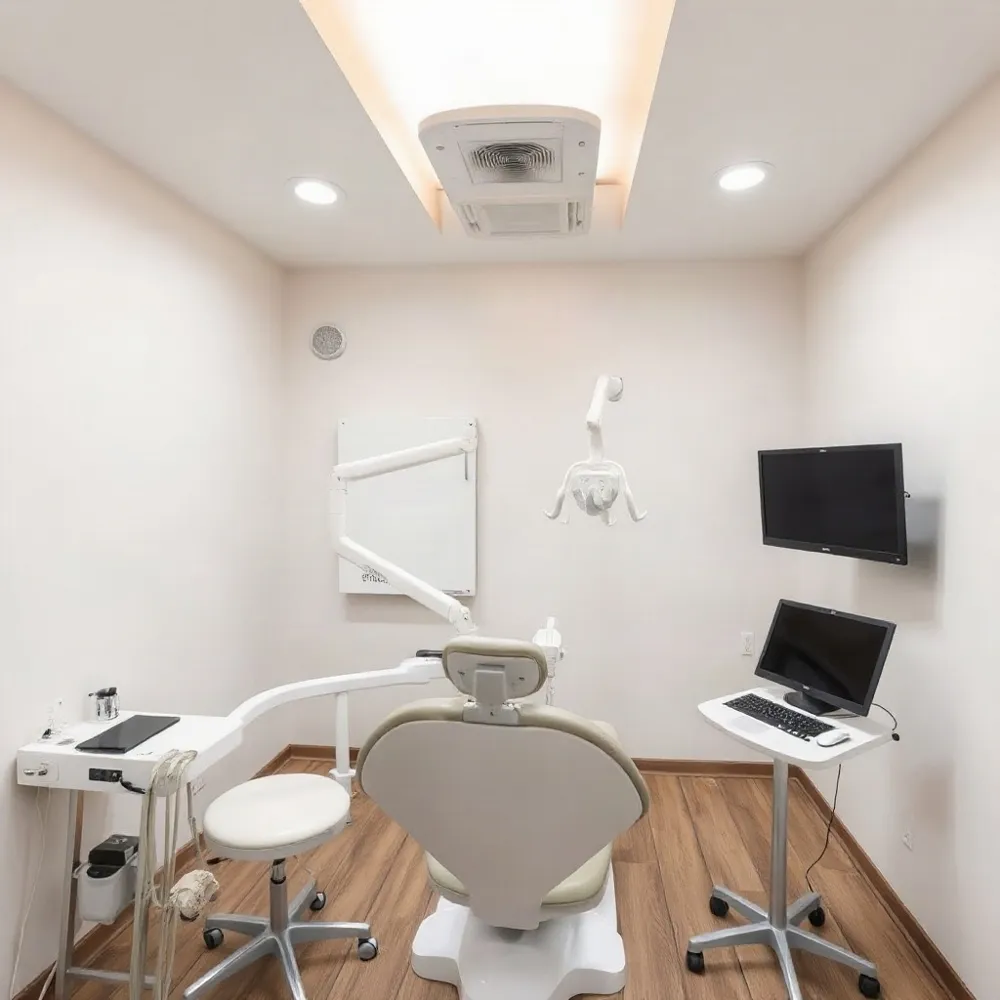
Understanding the Importance of Routine Dental Checkups
Definition and Frequency of Routine Dental Checkups
Routine dental checkups typically occur every six months, though individual needs may vary. These visits include professional teeth cleaning, examination of teeth and gums, X-rays if necessary, and screenings for oral diseases such as cavities, gum disease, and oral cancer.
Link Between Dental Visits and Long-Term Oral Health
Long-term routine dental visiting is strongly associated with better oral health outcomes. Adults who maintain regular dental visits report fewer missing teeth, lower levels of tooth decay, and overall improved self-rated oral health. Continuous dental care from adolescence into adulthood reinforces positive oral hygiene habits and prevents the progression of dental diseases.
Benefits of Preventive Dental Care
Preventive dental care involves daily brushing with fluoride toothpaste, flossing, a healthy diet, and regular dental visits. These habits, combined with professional cleanings and evaluations, reduce the risk of cavities, gum disease, and other oral health issues. Moreover, maintaining oral health supports overall wellbeing, as poor oral hygiene is linked to systemic diseases like heart disease and diabetes. Regular checkups enable early detection and treatment, saving patients from complex, costly procedures while enhancing their quality of life.
How Routine Checkups Support Early Detection and Prevention

Role of Professional Dental Exams and Cleanings
Professional dental exams and cleanings are fundamental for maintaining oral health. These routine dental check-ups allow dentists and hygienists to thoroughly clean teeth, removing plaque and tartar removal that regular brushing and flossing cannot eliminate. This professional care not only improves oral hygiene but also helps prevent dental cavities and gum disease from developing or advancing.
Use of X-rays and Oral Cancer Screenings During Checkups
Routine checkups often include dental X-rays, which reveal underlying problems such as hidden cavities, bone loss, and infections not visible during a visual exam. Oral cancer screenings are also a critical part of these visits, enabling early detection of potentially life-threatening conditions. Early identification through screening greatly increases the chances of successful treatment.
Benefits of Early Identification of Cavities, Gum Disease, and Other Oral Issues
Detecting dental problems like cavities and gum disease early helps avoid more complex and costly treatments. Conditions identified at early stages can often be managed with less invasive procedures, reducing discomfort and improving outcomes. Regular checkups foster early detection of dental issues, helping patients maintain healthy teeth and gums over time.
Connection Between Professional Cleanings and Plaque/Tartar Removal
Professional cleanings effectively remove built-up plaque and tartar, substances strongly linked with tooth decay and gum inflammation. While daily home care is essential, it cannot fully reach or eliminate these hardened deposits. Cleaning removes these irritants, leading to healthier gums, fresher breath, and a lower risk of periodontal disease.
Benefits of Professional Dental Care from Ashley E. Burns, DDS
According to Ashley E. Burns, DDS, professional dental care offers comprehensive benefits including thorough plaque and tartar removal, early detection of cavities and oral cancer, prevention and management of gum disease, as well as cosmetic dental procedures such as stain removal. These services enable less invasive and cost-effective treatment options, while also supporting overall health by mitigating risks linked with poor oral hygiene.
Long-Term Oral Health Outcomes Linked to Consistent Dental Visits

What Research Reveals About Routine Dental Visiting Patterns and Oral Health by Mid-Adulthood
Longitudinal studies show that individuals who maintain routine dental check-ups from adolescence to adulthood report significantly better self-rated oral health by age 32. Routine dental attenders experience fewer missing teeth and retain more natural teeth compared to those with irregular dental attendance. These findings hold true even after adjusting for variables like sex, socioeconomic status, and oral hygiene practices.
How Routine Dental Visits Impact Tooth Retention and Decay Reduction
Dental visits statistics in the US identify that regular dental checkups enable early detection and management of cavities and gum disease. Routine attenders present with lower decayed surfaces and DMFS scores. This translates into fewer missing teeth and less extensive dental treatment, preserving functionality and aesthetics.
The Importance of Sustaining Routine Attendance Over Time
The benefits of dental checkups increase with consistent maintenance over the years. The longer the pattern of routine dental attendance continues, the more pronounced the positive oral health outcomes become. This emphasizes the value of lifelong dental care adherence rather than sporadic visits.
Influence of Routine Dental Visits on Personal Oral Health Behaviors
Regular checkups provide opportunities for personalized oral hygiene education and reinforcement of preventive measures. Dentists deliver targeted advice on brushing, flossing, and diet, promoting habits that contribute to oral health messages and personal behavior improvement. As a result, routine visitors are more likely to adopt behaviors that reduce bacterial buildup and improve oral health.
Together, these factors underscore the critical role of consistent, routine dental check-ups in fostering durable oral health, preventing disease progression, and enhancing overall well-being throughout adulthood.
The Integral Role of Preventive Dentistry and Home Care Practices

What Core Preventive Services Are Offered During Dental Visits?
During routine dental checkups, several core preventive dentistry services play a vital role in maintaining oral health. These include professional cleanings where plaque and tartar are removed, fluoride treatments that strengthen tooth enamel, and sealants applied to children's molars to protect against decay. Dentists also provide education on proper oral hygiene techniques and nutritional advice tailored to each patient's needs.
What Daily Oral Hygiene Habits Support Good Dental Health?
Maintaining oral health daily requires consistent brushing twice a day using fluoride toothpaste and flossing once daily to clean interdental spaces. A balanced diet low in added sugars supports cavity prevention. Additional practices, such as brushing the tongue and avoiding tobacco, further maintain oral tissue health. These habits help control harmful bacteria that contribute to decay and gum disease.
How Do Preventive Care and Routine Checkups Reduce Disease Risks and Costs?
Regular preventive oral health care and dental exams lead to early detection of cavities, gum inflammation, and other conditions. This early intervention minimizes the need for invasive restorative dental treatments like root canals or extractions, thereby reducing treatment costs. Cleanings remove plaque buildup that daily brushing might miss, lowering the risk of gum disease—a condition linked to systemic illnesses such as heart disease and diabetes.
How Is Preventive Care Tailored Across Different Age Groups?
Preventive strategies are adapted to age-specific needs: children benefit from fluoride varnishes and sealants starting with their first tooth; adolescents receive guidance addressing hormonal changes impacting gum health; adults maintain routine care to prevent enamel erosion and decay; and older adults receive specialized care managing dry mouth, gum disease, and tooth loss risks. For older adults, periodic dental control and benefits of routine dental visits are crucial.
Maintaining lifelong oral health hinges on the partnership between thorough daily home care and regular preventive dental visits. This combined approach ensures healthier teeth and gums, lowers the risk of complex dental problems, and supports overall wellness through every stage of life.
Oral Health’s Connection to Overall Systemic Wellness

How Does Periodontal Disease Affect Overall Health?
Periodontal disease, commonly known as gum disease, is more than a localized oral issue. Research shows that inflammation and harmful bacteria from gum infections contribute to systemic conditions such as gum disease and cardiovascular disease and diabetes. The chronic inflammation can impair blood vessels and worsen cardiovascular health, while gum disease can interfere with blood sugar control, complicating oral health and diabetes management.
In What Ways Do Dental Visits Help Identify Broader Health Concerns?
Regular dental visits play a crucial role in detecting early signs of systemic health problems. Dentists often observe symptoms in the mouth that may indicate nutritional deficiencies, infections, or diseases like diabetes and cardiovascular disorders. Comprehensive dental exams, including oral cancer screenings and X-rays, can reveal initial stages of health issues before symptoms appear elsewhere.
What Is the Impact of Oral Infections on General Health?
Oral infections, especially untreated cavities and gum diseases, can allow bacteria to enter the bloodstream, resulting in widespread health consequences. Such bacteria can contribute to infections in other organs and exacerbate chronic conditions. For individuals with compromised immunity—such as those with diabetes or HIV/AIDS—the oral cavity can become a gateway to systemic complications. The oral health and overall health connection highlights these risks profoundly.
How Does Maintaining Good Oral Health Support Management of Chronic Diseases?
Keeping a healthy mouth through daily oral hygiene habits, brushing with fluoride toothpaste, flossing daily, and routine dental care helps reduce oral inflammation and bacterial load. This control over oral pathogens supports better management of chronic illnesses like diabetes by decreasing inflammatory responses and improving metabolic outcomes. Additionally, preventing gum disease through good oral hygiene reduces the risk of related cardiovascular events, enhancing overall patient health.
Maintaining oral health is not just about preserving your teeth and gums—it's a vital part of sustaining your entire body's well-being. Effective brushing with fluoride toothpaste and routine dental check-ups are integral components of chronic disease prevention and management, underscoring the importance of a holistic approach to health.
Patient-Centered Care and Comprehensive Services at Ashley E. Burns, DDS

What comprehensive dental services does Ashley E. Burns, DDS offer?
Ashley E. Burns, DDS provides a wide array of dental services essential for maintaining and improving oral health. These include Routine dental checkups and Professional dental cleanings to prevent decay and gum disease, restorative treatments like fillings and crowns to repair damaged teeth, Cosmetic dental procedures such as teeth whitening and veneers to enhance smiles, orthodontic care including braces and orthodontic care with Invisalign for alignment correction, and prompt emergency dental care for unexpected dental issues. This full spectrum ensures patients receive complete care tailored to their individual needs.
How does Ashley E. Burns, DDS ensure patient-centered care?
Dr. Burns emphasizes individualized treatment plans by fostering open communication and educating patients on their oral health. Compassionate care is combined with the latest dental technologies to create a comfortable and reassuring environment. Patients are actively involved in decision-making, ensuring their preferences and concerns are respected. This approach builds trust and promotes effective collaboration between the dental team and patients.
Benefits of comprehensive care under one roof for long-term oral health maintenance
Having access to a full range of dental services in a single practice allows for seamless management of oral health. It facilitates Preventive Dentistry alongside timely restorative and cosmetic treatments, reducing the need for multiple referrals and improving continuity of care. This integration supports Benefits of Regular Dental Check-Ups, ultimately leading to better oral health outcomes and enhanced overall well-being for patients over their lifetime.
The Lifelong Benefits of Regular Dental Checkups and Preventive Care
Supporting Oral and Overall Health through Routine Dental Visits
Regular dental checkups are essential for maintaining optimal oral health and early detection of issues such as cavities, gum disease, and oral cancer. These visits often include professional cleanings, examinations, and X-rays, which remove plaque and tartar buildup that daily brushing and flossing cannot eliminate. Importantly, routine dental care contributes to overall health by identifying signs of systemic conditions like diabetes and cardiovascular disease, highlighting the critical interconnectedness of oral and general wellness.
Encouraging Consistent Dental Care Habits
Establishing and maintaining good oral hygiene habits—such as twice-daily brushing with fluoride toothpaste, daily flossing, and a healthy diet—complements routine dental visits and reinforces long-term oral health. Preventive services like fluoride treatments and dental sealants help guard against decay and gum issues, promoting lasting benefits. Regular dental care also supports cost-effective treatment by catching problems early, reducing the need for complex procedures.
Partnering with Trusted Dental Professionals
A lasting partnership with a trusted provider, such as Ashley E. Burns, DDS, offers personalized care tailored to your unique needs throughout all life stages. Through ongoing guidance, early detection, and compassionate treatment, this collaboration fosters a process that not only preserves your smile but enhances your overall quality of life. Prioritizing regular dental visits and effective home care routines is a proactive step toward sustained oral health and well-being.