Why Daily Habits Matter
Routine oral care is more than a cosmetic routine; it is a cornerstone of systemic health. Plaque that is not removed can inflame the gums, leading to periodontitis, which has been linked to cardiovascular disease, diabetes complications, and even cognitive decline. By brushing twice daily with fluoride toothpaste, flossing, and using an antibacterial mouthwash, you reduce bacterial load, keep saliva flow adequate, and lower the chronic inflammation that fuels these conditions.
Beginning these practices in childhood establishes neural pathways and muscle memory that persist into adulthood. Supervised brushing and flossing for children, combined with fluoride‑rich water and early dental visits, dramatically cuts cavities and teaches proper technique. Those early habits translate into lifelong compliance, ensuring teeth last a lifetime and supporting overall well‑being.
Research shows that people who maintain good oral hygiene have lower rates of respiratory infections and fewer hospitalizations for systemic infections, underscoring the mouth‑body connection. Dental check‑ups provide early detection of oral cancers and periodontal disease, which can be managed before they affect other organs.
Fundamental Daily Hygiene Practices
 Brushing technique, timing, and fluoride use
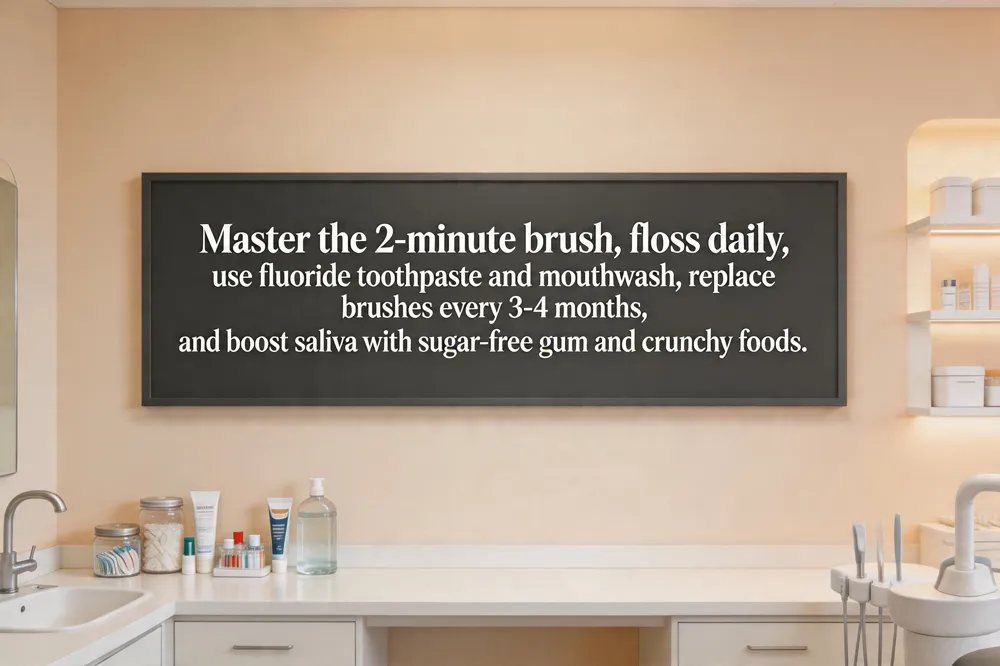
Brush twice a day for a full two minutes using a soft‑bristled brush held at a 45‑degree angle to the gum line. Use gentle circular motions and avoid aggressive pressure to protect enamel and gums. Fluoride toothpaste should be left on the teeth (do not rinse with water) to maximize remineralization.
Brushing technique, timing, and fluoride use
Brush twice a day for a full two minutes using a soft‑bristled brush held at a 45‑degree angle to the gum line. Use gentle circular motions and avoid aggressive pressure to protect enamel and gums. Fluoride toothpaste should be left on the teeth (do not rinse with water) to maximize remineralization.
Daily flossing and interdental cleaning Floss or employ interdental cleaners once a day to eliminate plaque and food debris from between teeth and below the gum line, areas a brush cannot reach.
Mouth‑wash as an adjunct An alcohol‑free antibacterial or fluoride mouthwash after brushing and flossing provides extra plaque control and helps neutralize acids.
Toothbrush selection and replacement schedule Choose a soft‑bristled (or extra‑soft for sensitive gums) brush and replace it, or the brush head, every three to four months—or sooner if bristles are frayed.
Home‑based methods that mimic a professional cleaning Chewing sugar‑free gum, especially xylitol‑containing, stimulates saliva which buffers acids. Crunchy fruits and vegetables (apples, carrots, celery) naturally scrub teeth and boost saliva flow.
20 ways to take care of your teeth
- Brush twice daily.
- Use fluoride toothpaste.
- Floss daily.
- Rinse with mouthwash.
- Limit sugary drinks.
- Eat crunchy vegetables.
- Chew sugar‑free gum.
- Stay hydrated.
- Avoid tobacco.
- Replace brush regularly.
- Use a soft brush.
- Get regular check‑ups.
- Protect teeth during sports.
- Limit acidic foods.
- Use a night guard if needed.
- Treat dry mouth.
- Avoid nail‑biting.
- Use fluoride treatments.
- Educate children early.
- Manage medical conditions that affect oral health.
Dental care tips
Use a soft‑bristled brush, replace it every 3–4 months, brush gently for at least two minutes twice a day with fluoride toothpaste, floss daily, limit sugary/acidic foods, stay hydrated with fluoridated water, avoid tobacco and excess alcohol, wear a mouthguard for sports, and schedule professional cleanings at least twice a year.
Oral hygiene steps
Brush two minutes twice daily with fluoride toothpaste, floss or use interdental cleaners, rinse with antibacterial or fluoride mouthwash, clean the tongue, replace the brush every three to four months, and see the dentist regularly.
Teeth care tips at home
Brush with a soft‑bristle brush and fluoride toothpaste, floss or water‑floss daily, use an antimicrobial mouthwash, replace the brush quarterly, limit sugars and acids, stay well‑hydrated, avoid tobacco, and consider night guards if you grind.
What is the 3‑3‑3 rule in dentistry?
A post‑operative pain guideline: take 200 mg ibuprofen every 3 hours, up to 3 doses per day, for a maximum of 3 days, unless directed otherwise by a dentist.
Nutrition, Lifestyle & Health Impacts
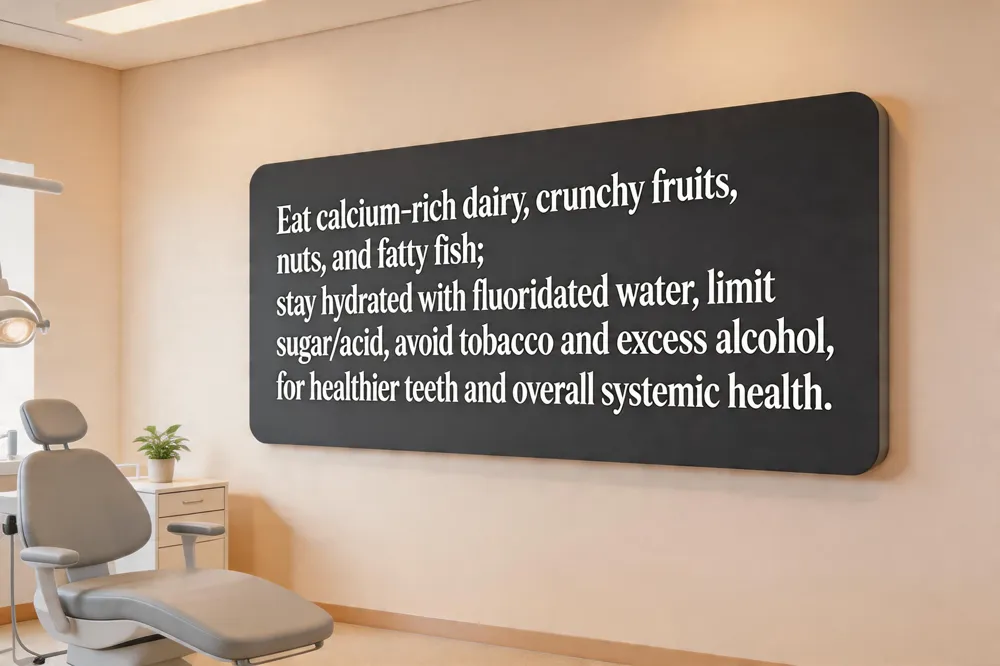 Maintaining oral health goes far beyond brushing; nutrition and lifestyle play a pivotal role. Tooth‑friendly foods and nutrients such as dairy (calcium, phosphate, casein), crunchy fruits and vegetables (apples, carrots, leafy greens), nuts, fatty fish, and dark chocolate provide minerals and vitamins that remineralize enamel and support gum tissue. Fluoridated water and saliva stimulation are essential: fluoridated tap water supplies systemic fluoride that strengthens enamel, while chewing sugar‑free gum or eating fibrous foods boosts saliva flow, which neutralizes acids and washes away debris. Limiting sugar, acid, tobacco, and alcohol reduces substrate for decay‑producing bacteria and prevents enamel erosion; avoiding tobacco and moderating alcohol also lowers the risk of gum disease and oral cancer. These habits connect to overall systemic health – chronic gum inflammation can exacerbate cardiovascular disease, diabetes, and even cognitive decline.
Oral health tips for adults: Brush twice daily with fluoride toothpaste, floss, limit sugary/acidic foods, stay hydrated with fluoridated water, avoid tobacco, drink alcohol in moderation, manage chronic conditions, and see a dentist at least yearly.
Importance of oral hygiene in daily life: Good hygiene removes plaque, preventing decay, gum disease, and systemic infections that link to heart disease, stroke, and pregnancy complications.
Teeth‑healthy foods: Include calcium‑rich dairy, crunchy produce, nuts, fatty fish, and sugar‑free gum to boost saliva and deliver protective minerals.
10 ways to keep your teeth healthy: Brush twice a day (2 min), floss daily, use antimicrobial/fluoride mouthwash, sip water after acidic foods, eat a balanced calcium‑rich diet, limit sweets, visit the dentist regularly, wear mouthguards when needed, quit smoking, and consider a nightguard if you grind.
Can I kiss my boyfriend if he has cavities?: Cavities themselves aren’t contagious, but the decay‑causing bacteria can be shared; good oral hygiene reduces this risk.
Age‑Specific Care: From Infancy to Senior Years
 Importance of dental care for children
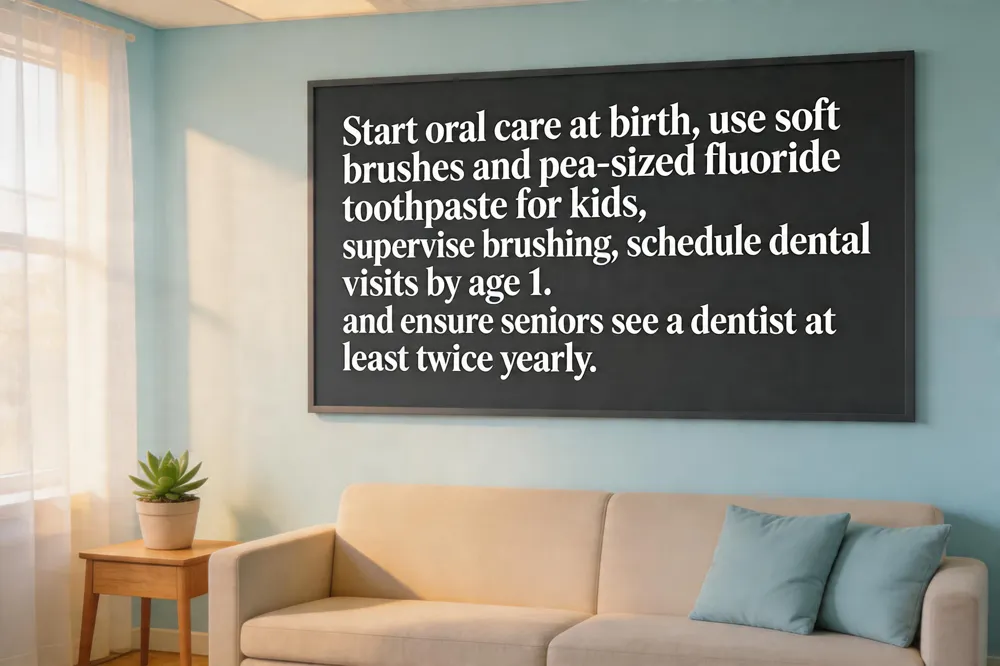
Early dental care protects children from cavities, pain, missed school, and speech or eating difficulties. Cleaning gums and emerging teeth removes plaque and sugar‑loving bacteria. Regular check‑ups by age 1 allow fluoride varnish and sealants, preventing up to 80 % of cavities in back teeth and guiding proper jaw growth.
Importance of dental care for children
Early dental care protects children from cavities, pain, missed school, and speech or eating difficulties. Cleaning gums and emerging teeth removes plaque and sugar‑loving bacteria. Regular check‑ups by age 1 allow fluoride varnish and sealants, preventing up to 80 % of cavities in back teeth and guiding proper jaw growth.
Describe steps to take to maintain good oral health in babies and children – Clean gums with a damp soft cloth before teeth appear. – Switch to a small soft‑bristled brush with a grain‑of‑rice‑size fluoride toothpaste when the first tooth erupts. – Schedule the first dental visit by age 1 and continue biannual exams. – Supervise twice‑daily brushing (pea‑size toothpaste after age 3) and introduce flossing when teeth touch. – Limit sugary snacks, avoid bedtime bottles, and use fluoride varnish and sealants as advised.
How to take care of your teeth for kids Brush twice daily for two minutes with a soft brush and pea‑sized fluoride toothpaste, floss daily, limit sugary foods, and use fluoride mouthwash if appropriate. Regular dental visits monitor growth and catch problems early.
Kids Oral care products Use a soft‑bristled child‑size or kid‑friendly electric toothbrush, pea‑sized ADA‑approved fluoride toothpaste, floss picks or child‑size flossers, and alcohol‑free fluoride mouthwash for added protection.
Dental hygiene for kids activities Create brushing charts, turn flossing into games, conduct simple experiments (e.g., Egg Enamel Demo) to show sugar’s effect, and reward consistency with stickers or stories.
How often should an 80 year old go to the dentist? At least twice a year (every six months) for cleanings and exams; more frequent visits (every 3–4 months) may be needed for dry mouth, denture care, or systemic health issues.
Professional Care, Tools & Educational Resources
 A routine cleaning performed by a dentist or dental hygienist is most commonly called a professional dental prophylaxis, often simply referred to as a dental cleaning. This preventive procedure removes plaque and tartar from all tooth surfaces and the gum line using scalers, ultrasonic instruments, and polishing paste. For patients with gum disease, deeper procedures such as scaling and root planing may be required.
To support families, we offer a downloadable Oral Hygiene Guide PDF that outlines step‑by‑step brushing, flossing, mouth‑wash use, and diet tips. The guide includes visual cues, a two‑minute timer, and recommendations for fluoride toothpaste and regular dental visits.
Our Oral Hygiene for Kids Poster features a cheerful cartoon tooth, a “Tooth Defender” mascot, and easy‑to‑read icons that demonstrate the two‑minute brushing technique, proper flossing motions, and healthy food choices. The poster is designed for classrooms and at‑home use to reinforce daily habits.
The recommended oral‑hygiene steps are: (1) floss or use an interdental cleaner to dislodge plaque, (2) brush all surfaces for two minutes with a soft‑bristled brush and fluoride toothpaste, (3) clean the tongue, and (4) rinse with an alcohol‑free antibacterial or fluoride mouthwash. Replace the brush or electric head every three to four months.
For clinical settings, the Oral Care Nursing Procedure PDF provides a detailed protocol covering patient identification, supplies, hand‑hygiene, gentle brushing and flossing techniques, denture care, assessment of the oral cavity, and post‑procedure education. This evidence‑based document can be downloaded for use in hospitals, skilled‑nursing facilities, and home‑care environments.
Finally, the Oral Hygiene Instructions for Child PPT includes slides on proper brushing (pea‑sized fluoride toothpaste, 45‑degree angle, gentle circular motions for two minutes, twice daily), assisted flossing with child‑friendly picks, nutrition (tooth‑friendly foods vs. sugary snacks), the importance of six‑month dental check‑ups, and behavior‑management tips such as avoiding thumb‑sucking and nail‑biting. These resources together create a comprehensive, patient‑centered approach to lifelong oral health.
Putting It All Together for a Lifetime of Smiles
A consistent oral‑care routine works at every stage of life. Brushing twice a day for two minutes with a soft‑bristled, fluoride‑filled toothbrush, daily flossing (or interdental cleaning), drinking plenty of water, and limiting sugary or acidic foods protect enamel and gums from infants through seniors. For babies, a soft cloth or tiny brush keeps gums clean; toddlers benefit from a pea‑size fluoride paste and parental supervision; school‑age children add floss and sealants; adults adopt gentle techniques, nightguards if needed, and regular fluoride rinses; seniors focus on hydrated mouth, gentle brushes, and denture care. Dr. Burns’ office tailors this framework for each family member, offering fluoride varnish for children, adaptive tools for limited dexterity, and comprehensive exams that catch early decay or gum disease. Schedule your next visit with Dr. Burns to keep your smile healthy today and for years to come.