Introduction: More Than Just a Dental Procedure
Defining Full Mouth Rehabilitation
Full mouth rehabilitation is a comprehensive approach to dentistry, often called full mouth reconstruction or restoration. This treatment combines multiple dental procedures to rebuild or replace all the teeth in your mouth. It is a total solution, addressing complex dental needs together, rather than treating each tooth in isolation.
Integrating Function, Health, and Aesthetics
Full mouth rehabilitation takes a holistic view of your oral wellness. The primary goal is to restore natural function—allowing you to chew, eat, and speak with comfort and confidence. It also establishes a healthy foundation for your gums, jawbone, and jaw joints. By resolving underlying issues, it helps prevent future problems and supports long-term stability. Beyond function, this treatment enhances your smile's appearance. Procedures are designed to create a harmonious, natural-looking result. The aim is to improve both your oral health and your self-esteem, recognizing that a healthy smile contributes to overall quality of life.
Personalized Treatment for Transformative Results
Every full mouth rehabilitation plan is custom-crafted. After a thorough evaluation, your dentist designs a strategy tailored to your unique anatomy, health status, and personal goals. This individualized plan may combine treatments like dental implants, crowns, bridges, or veneers. The process is a coordinated journey toward renewing your oral health and smile, with results that can be genuinely life-changing.
| Treatment Goal | Functional Benefit | Aesthetic Outcome | Health Impact |
|---|---|---|---|
| Restore Chewing | Improved ability to eat nutritious foods | Natural-looking tooth replacement | Supports digestion and nutrition |
| Correct Bite Alignment | Resolves jaw pain and discomfort | Creates balanced, symmetrical smile | Prevents TMJ disorders and tooth wear |
| Replace Missing Teeth | Enhances speech clarity and stability | Fills gaps for a complete smile | Preserves jawbone and prevents shifting |
Who Can Benefit and What Does It Involve?
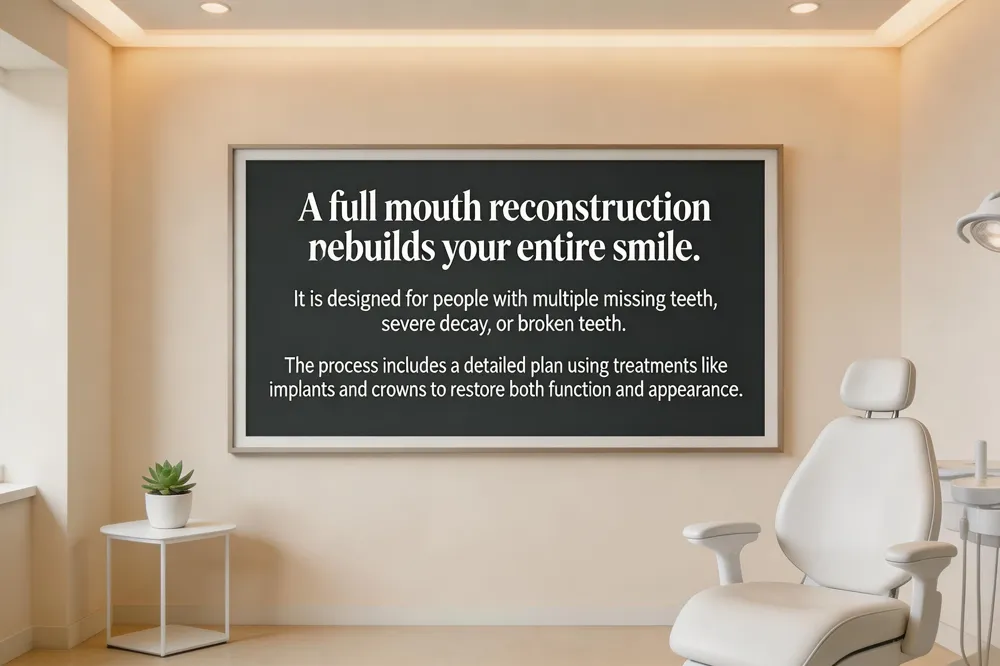
What does a full mouth reconstruction consist of?
A full mouth reconstruction is a comprehensive treatment plan to rebuild and replace all teeth, combining aesthetics with restorative science to improve oral health, function, and appearance. It is typically required for patients with multiple missing teeth, extensive decay, cracked or badly worn teeth, or congenital dental conditions. The process involves a detailed diagnosis and customized plan, often utilizing a combination of treatments such as dental implants, crowns, bridges, veneers, onlays, and dentures. To ensure the best possible outcome, the procedure may also involve coordinating with other dental specialists, such as orthodontists or periodontists. Ultimately, a full mouth reconstruction not only provides a complete smile makeover but also restores proper chewing function and long-term oral health.
Ideal Candidate Profile and Dental Conditions
Full mouth rehabilitation is designed for individuals facing complex, widespread dental issues. It’s typically recommended for patients who are dealing with multiple challenges simultaneously, not just a single problem.
Common conditions include:
- Multiple missing teeth or numerous large, failing fillings.
- Severe tooth decay or advanced periodontal (gum) disease.
- Cracked, broken, or badly worn-down teeth, often from bruxism (teeth grinding).
- Chronic jaw pain, clicking sounds, or bite misalignment (malocclusion).
- Congenital conditions like Ectodermal Dysplasia or Dentinogenesis Imperfecta.
- Extensive dental damage from trauma or following oral cancer treatment.
These issues can severely impact daily functions like eating and speaking, and often diminish a person's confidence and quality of life.
The Comprehensive Process from Evaluation to Execution
The journey begins with a thorough diagnostic consultation and comprehensive dental evaluation. Your dentist will perform a complete assessment, examining four key areas: periodontal health, jaw function, tooth structure, and oral aesthetics.
Modern planning typically involves digital X-rays, 3D imaging (like CBCT scans), and bite analysis. This data creates a detailed blueprint of your mouth. Based on this evaluation, a personalized, phased treatment plan is developed to systematically address each issue.
Overview of Common Procedures and Their Role
The specific procedures in your plan depend entirely on your unique needs. A full mouth reconstruction often combines several restorative and cosmetic treatments to achieve a harmonious result.
| Procedure | Primary Purpose | Common Use Case |
|---|---|---|
| Dental Implants | Replace missing tooth roots | Provides a stable foundation for crowns or dentures |
| Crowns & Bridges | Restore strength and shape | Covers cracked teeth or spans gaps between teeth |
| Veneers & Bonding | Improve cosmetic appearance | Corrects stains, chips, or minor misalignments |
| Orthodontics | Align teeth and correct bite | Prepares the mouth for other restorations |
| Periodontal Therapy | Treat gum disease | Creates a healthy foundation for long-term success |
| Dentures | Replace multiple missing teeth | Offers a removable or implant-supported solution |
The Role of Specialists and Technology in Planning
Successful full mouth rehabilitation often requires a team approach. Your general dentist may collaborate with specialists like prosthodontists, oral surgeons, periodontists, and orthodontists. This interdisciplinary collaboration ensures every aspect of your oral health is expertly managed.
Advanced technology is integral to this process. Digital scans and 3D imaging allow for precise planning, while tools like surgical guides enable accurate implant placement. Technologies such as CEREC systems can even allow for the design and creation of crowns in a single visit, enhancing efficiency and patient comfort.
The Life-Changing Benefits: From Pain Relief to Confidence
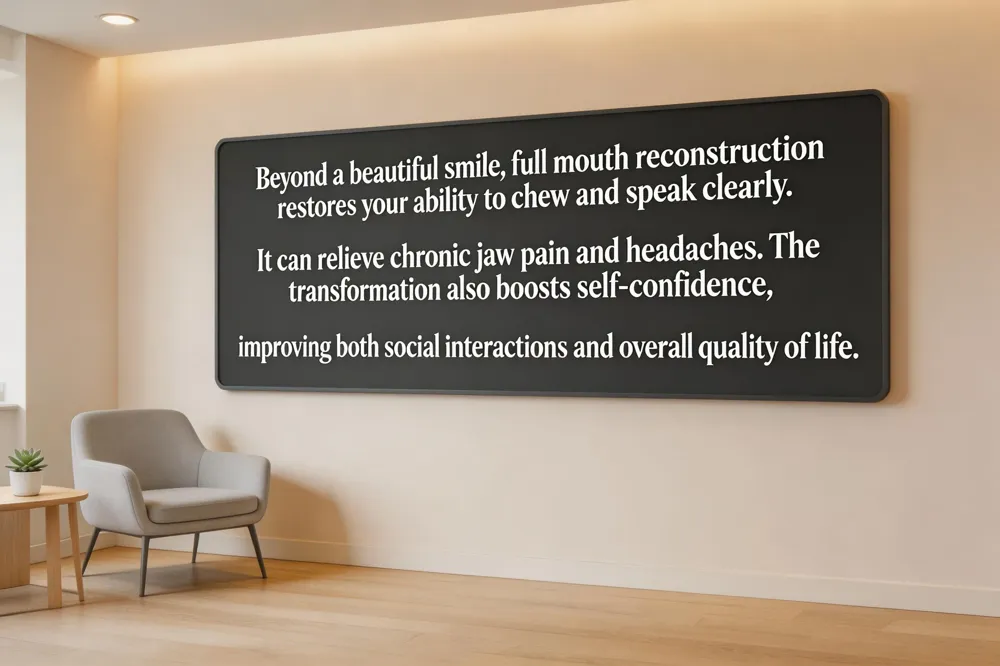
Restoration of Core Oral Functions: Chewing, Speech, and Comfort
Full mouth reconstruction goes beyond fixing teeth. It restores your ability to perform basic, essential functions comfortably. Compromised teeth make chewing difficult, which can lead you to avoid nutritious foods. Full-mouth rehabilitation rebuilds a strong, balanced bite, enabling you to comfortably chew tough foods again. This natural, efficient chewing is crucial for proper digestion and nutrient absorption.
Your speech can also be directly impacted by broken, missing, or misaligned teeth. Sounds may become slurred or unclear. By replacing missing teeth and correctly aligning your bite, full mouth rehabilitation restores clear articulation. This often provides immediate relief from the strain and effort previously required to speak clearly, allowing for more natural communication.
Pain Relief from TMJ Disorders, Headaches, and Chronic Discomfort
Chronic jaw pain, clicking joints, and tension headaches are often signs of a misaligned bite or TMJ disorder. When your bite is off, it puts constant strain on the jaw joints and surrounding muscles. This can lead to persistent headaches and muscle pain that radiates to the neck and shoulders.
A key benefit of full-mouth reconstruction is correcting this underlying imbalance. By rebuilding your teeth to work harmoniously with your jaw joints, the treatment alleviates the source of the pressure. Patients frequently report significant relief from chronic discomfort, including headaches and migraines triggered by dental problems, leading to a dramatic improvement in daily comfort and well-being.
Aesthetic Transformation and the Boost to Self-Esteem and Social Confidence
The visual impact of a restored smile is profound. Full mouth rehabilitation addresses multiple cosmetic concerns at once, such as stained or discolored teeth, gaps, chips, cracks, and misalignments. Using a combination of procedures included in full mouth reconstruction like veneers, crowns, and dental implants, dentists create a cohesive, natural-looking smile that complements your facial features.
This aesthetic transformation directly fuels a powerful psychological boost. Feeling self-conscious about your smile can cause anxiety in social and professional settings. After rehabilitation, patients consistently report a dramatic increase in self-confidence. They feel more willing to smile, speak, and engage without embarrassment, which can positively impact personal relationships, career opportunities, and overall social well-being.
Quantifiable Quality-of-Life Improvements from Clinical Studies
Research provides strong evidence for the life-enhancing effects of comprehensive dental rehabilitation. Studies measuring oral health-related quality of life (OHRQoL) show significant improvements after treatment.
For instance, one study found that 68 percent of patients treated with dental implants reported an excellent quality of life post-treatment. Another study indicated that treatments like single implants and implant-supported overdentures substantially improved patients' scores on quality-of-life questionnaires. These tools measure improvements in comfort, function, psychological state, and social interaction, offering concrete data on the treatment's positive impact.
Systemic Health Benefits: Improved Digestion, Reduced Inflammation, and Links to Overall Wellness
The benefits of a healthy mouth extend throughout your entire body. Proper chewing, restored through full-mouth rehabilitation, is the first critical step in digestion. Efficiently broken-down food is easier for your stomach to process, aiding nutrient absorption and supporting better gut health.
Furthermore, poor oral health is a source of chronic inflammation, which has been linked by organizations like the American Dental Association to an increased risk of systemic conditions, including cardiovascular disease and diabetes. By eliminating infections, treating advanced gum disease, and creating a stable oral environment, full mouth reconstruction helps reduce this inflammatory burden. It also makes daily oral hygiene more effective, helping to protect your long-term systemic wellness.
Covered Questions in Practice
What are the benefits of full mouth rehabilitation?
Full mouth rehabilitation offers comprehensive benefits for both your oral health and overall quality of life. It restores proper chewing function, allowing you to enjoy a varied diet and improve your nutrition. The treatment can enhance speech clarity and alleviate chronic discomfort associated with TMJ disorders or a misaligned bite. Aesthetically, it rebuilds your smile with customized restorations like crowns, bridges, or implants, boosting your confidence. Ultimately, this coordinated approach addresses multiple dental issues simultaneously, leading to lasting comfort, function, and a beautiful smile.
Is full mouth reconstruction worth it?
Yes, full mouth reconstruction is a worthwhile investment for those with extensive dental issues, as it comprehensively restores oral health, function, and aesthetics. It addresses underlying problems like jaw misalignment, offering relief from chronic headaches and TMJ pain. The procedures halt the progression of gum disease and prevent the bone loss and facial changes that accompany missing teeth. By creating a healthy, balanced foundation, it significantly improves your overall well-being and protects your long-term health. Ultimately, it rebuilds your confidence to eat, speak, and smile without pain or hesitation.
| Benefit Category | Functional Improvements | Health & Wellness Impact | Psychological & Social Gains |
|---|---|---|---|
| Core Functions | Restores chewing & clear speech | Improves digestion & nutrient uptake | Reduces social anxiety about speaking or eating |
| Pain Management | Alleviates TMJ pain & headaches | Decreases systemic inflammation risk | Increases daily comfort and ease |
| Aesthetic Outcomes | Rebuilds tooth structure & alignment | Supports jawbone health and stability | Boosts self-esteem and confidence |
| Long-Term Results | Creates a stable, functional bite | Helps prevent future dental complications | Enhances personal and professional interactions |
| Quality of Life | Supported by clinical study data | Linked to overall systemic wellness | Measured by improved patient satisfaction scores |
What to Expect: The Journey, Commitment, and Realities
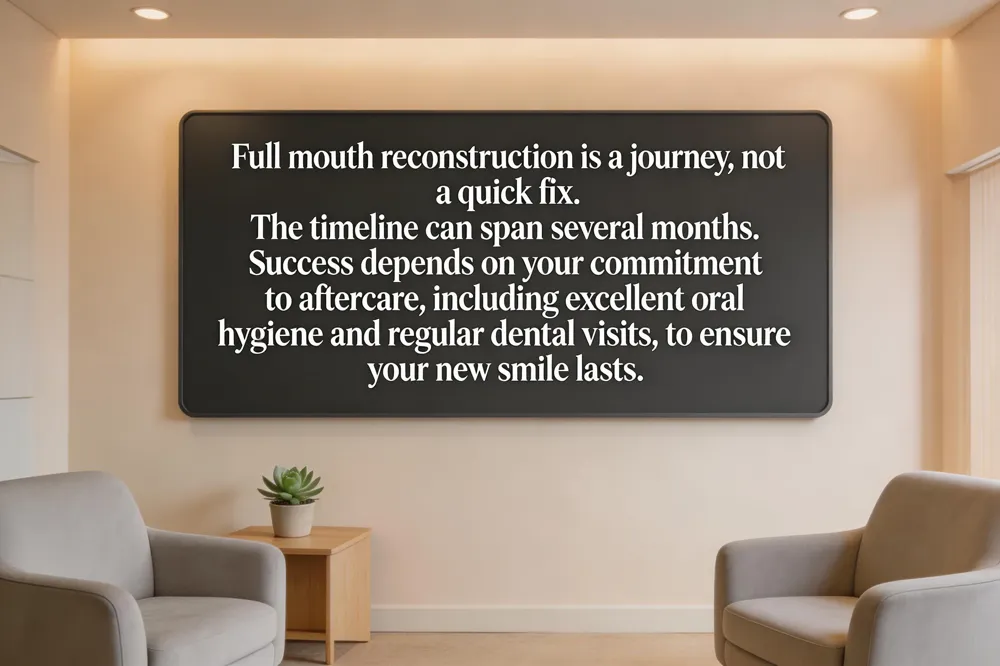
Understanding the Timeline of Your Smile Transformation
Full mouth reconstruction is a comprehensive journey, not a single appointment. It involves a highly customized treatment plan for dental issues, which means the timeline varies significantly for each patient. For simpler combinations of procedures, the process may take just a few visits. However, more complex plans, especially those involving dental implants, bone grafting, gum grafting, or orthodontic treatment, will require multiple appointments spaced over several months. The time required for full mouth reconstruction is a key factor to consider.
This extended timeline allows for proper healing between procedures, such as the osseointegration process for dental implants, which is essential for long-term oral health benefits. Your dental team will guide you with a clear, personalized schedule from the initial comprehensive dental evaluation so you know exactly what to expect.
Managing Post-Procedure Discomfort and Healing
A common question from patients is: How painful is full mouth reconstruction?
During the treatment appointments themselves, local anesthesia ensures you are comfortable and feel no pain. Discomfort is primarily experienced afterward during the recovery phase. It is common and expected to experience temporary symptoms like:
- Sensitivity in treated areas
- Swelling and bruising
- Minor inflammation
The good news is these side effects and recovery after reconstruction are almost always manageable and temporary. Your dentist will provide specific aftercare instructions and may recommend prescribed or over-the-counter pain medication to keep you comfortable. Following guidelines on oral rinses and maintaining a soft-food diet during initial healing is crucial for a smooth recovery.
The Key to Long-Term Success: Your Commitment
The longevity of your new smile depends heavily on a partnership between you and your dental care team. Long-term results of full mouth restoration are not guaranteed by the procedures alone; they require your active commitment to meticulous aftercare, which is part of the essential patient commitment and aftercare.
| Commitment Area | Key Action Items | Impact on Longevity |
|---|---|---|
| Oral Hygiene | Daily brushing & flossing around new restorations & implants | Prevents plaque buildup, decay, and gum disease |
| Professional Care | Attending all scheduled follow-up and hygiene maintenance visits | Allows for early detection of potential issues |
| Lifestyle Habits | Avoiding harmful habits like chewing ice or using teeth as tools; wearing a night guard if prescribed for bruxism | Protects restorations from damage and wear |
Considering Potential Challenges and Downsides
As with any major medical treatment, it’s important to have a realistic understanding of the full scope. Being informed about potential downsides helps you make the best decision for your health. Understanding the Pros and cons of full mouth reconstruction is a key part of this process.
One significant consideration is the financial investment. Due to its comprehensive nature and use of advanced materials and technology, the cost of full mouth reconstruction can be significant. Dental insurance coverage varies widely and often does not fully cover all components, especially cosmetic aspects. However, many practices like Ashley Burns, DDS offer financing options or payment plans to help make this life-changing treatment more accessible.
Regarding implant-supported full mouth reconstructions, it's vital to understand that these sophisticated solutions require diligent maintenance. While they are designed to be highly durable, the fixtures and prosthetic components must be kept meticulously clean. Specialized tools and techniques may be needed for proper care, which your hygienist will demonstrate.
Some other challenges to discuss with your dentist include:
- The time commitment away from work or social activities during certain healing phases.
- The possibility of needing adjunctive procedures, like bone grafting, which can extend the overall timeline.
- The importance of setting realistic aesthetic and functional expectations preoperatively.
Covered Topics Summary
| Topic Area | Key Considerations for Patients |
|---|---|
| Treatment Timeline | Multi-month process of full mouth reconstruction; timeline varies by individual case complexity. |
| Recovery & Discomfort | Managed with medication and aftercare; numbing used during procedures. |
| Patient Commitment | Essential for success via hygiene, follow-up visits, and lifestyle habits. |
| Potential Challenges | Cost of full mouth dental treatment, maintenance requirements, and procedural time commitment. |
Investment and Access: Understanding Cost and Financing

How much does a full mouth restoration cost?
A full mouth restoration is a significant investment in your long-term oral and overall health. The total cost varies widely based on your unique clinical needs and personal goals.
While national averages can be around $34,000, the actual price for comprehensive dental care often falls between $30,000 and $50,000. In some complex cases, costs may range from $17,000 to over $90,000.
Several key factors determine the final price. The most important include:
- The specific combination of procedures included in full mouth reconstruction required (e.g., dental implants, crowns, bridges, and veneers).
- The number of dental implants and the type of restoration, such as an All-on-4 system versus individual implants.
- Whether preparatory treatments like bone grafting or gum therapy are necessary.
- The choice of materials, with options like zirconia versus porcelain-fused-to-metal dental crown materials affecting longevity and aesthetics.
- Your geographic location and the expertise of your dental team.
It is essential to obtain a personalized, all-inclusive quote from a qualified professional. A consultation with a practice like ours in Midland will provide a transparent breakdown of costs tailored specifically to your treatment plan.
Is full mouth reconstruction covered by insurance, and how can it be financed?
Dental insurance often provides partial coverage for full mouth reconstruction, but policies vary greatly. It is crucial to understand what your plan includes.
Typically, insurance may cover a percentage (often 50% to 80%) of certain restorative components like crowns, bridges, or root canals in rehabilitation after you meet your annual deductible. However, insurance rarely covers the entire comprehensive procedure, especially major components like dental implants, which are frequently considered elective.
To make this vital health investment accessible, several financing options are available:
- Third-Party Healthcare Credit: Companies like CareCredit offer dedicated healthcare credit cards. These often feature promotional periods with low or zero interest, allowing you to manage payments over time.
- In-House Payment Plans: Many dental practices, including ours, can establish flexible payment schedules to fit your budget.
- Flexible Spending Accounts (FSAs): You can use pre-tax dollars from an FSA to pay for eligible dental expenses.
- Major Credit Cards: Practices commonly accept all major credit cards for your convenience.
Our team is committed to helping you navigate both insurance benefits and financing. We will assist you in maximizing your coverage and finding a payment solution that aligns with your financial situation.
| Financial Consideration | Typical Scenario | Key Action for Patients |
|---|---|---|
| Overall Cost Range | $30,000 - $50,000+ | Request a personalized, all-inclusive quote. |
| Insurance Coverage | Partial, varies by plan | Review policy details and discuss with your dental team. |
| Common Financing | CareCredit, in-house plans | Explore options with low or no-interest promotions. |
| Long-Term View | Investment in health & quality of life | Weigh cost against lasting functional and aesthetic benefits. |
Your Foundation for Lasting Oral Health
Beyond Your Smile: Understanding the Oral-Systemic Connection
Your oral health is deeply connected to your overall wellness. Scientific research has established a significant link between the health of your mouth and the health of your body. Advanced periodontal disease, characterized by chronic inflammation of the gums, has been associated with an increased risk of serious systemic conditions. These include cardiovascular diseases, complications with diabetes management, and respiratory infections. A healthy mouth supports a healthier you by helping to control systemic inflammation.
The Preventative Power of a Restored Foundation
Full mouth rehabilitation addresses more than just aesthetics; it rebuilds a strong, stable foundation. By correcting bite and alignment issues, replacing missing teeth, and treating gum disease, the procedure creates an oral environment that is easier to maintain. This stability prevents future dental problems that could otherwise lead to significant health complications. When teeth and gums are properly aligned and restored, you can clean them more effectively, disrupting the cycle of decay and infection that can impact your entire body.
Building Your Daily Defense: Essential Care Practices
Long-term success after any dental procedures for entire mouth depends on a committed daily hygiene routine. Proper brushing is your first line of defense. A helpful guideline is the 3-3-3 rule: aim to brush three times a day, after meals, for at least three minutes each session, and replace your toothbrush every three months. This ensures thorough plaque removal and effective bristle performance.
Brushing alone cannot reach the tight spaces between teeth where decay often starts. Daily flossing is non-negotiable for removing plaque and food debris from these critical areas. Use a fluoride toothpaste to help remineralize enamel and strengthen teeth against acid attacks. Consistent, meticulous daily care is the most important factor in protecting your investment in your smile and your health.
Safeguarding Your Investment with Professional Support
Post-treatment, regular professional check-ups and cleanings are essential. These visits allow your dentist to monitor the health of your new restorations, check your gum health, and catch any potential issues early. For patients with a history of gum disease, more frequent periodontal maintenance cleanings may be recommended to prevent recurrence.
Adopting a tooth-friendly diet, minimizing sugary snacks and acidic drinks, and using protective mouthguards if you grind your teeth are all part of a comprehensive maintenance plan. Your commitment, combined with professional oversight, forms a partnership that ensures the long-term results of your full-mouth restoration and the continued protection of your systemic health.
Essential Elements of Post-Rehabilitation Care
| Component | Purpose | Frequency |
|---|---|---|
| Professional Dental Cleanings | Remove hardened tartar, monitor oral health | Every 3 to 6 months, as recommended |
| At-Home Brushing | Remove daily plaque buildup, apply fluoride | Minimum twice daily for 3 minutes |
| Daily Flossing | Clean between teeth where brushes can't reach | At least once per day |
| Dietary Habits | Limit acid attacks on enamel from sugar/acid | Ongoing conscious choices |
| Protective Appliances | Guard against damage from grinding or sports | As prescribed by your dentist |
Conclusion: Taking the First Step Towards a Healthier, Happier You
A Transformative Journey
Full mouth rehabilitation is a transformative process that goes far beyond cosmetic enhancement. It is a comprehensive treatment designed to restore harmony between your teeth, gums, jaw joints, and bite. The ultimate goal is to rebuild oral health, renew your ability to chew and speak with ease, and provide a foundation for a confident smile that reflects a healthier you.
Your Personalized Path Forward
Because every patient's dental situation and goals are unique, a personalized consultation is the essential first step. At our practice in Midland, TX, we begin with a comprehensive evaluation. This includes digital scans, imaging, and a detailed discussion of your concerns. We listen carefully to understand your individual needs, from alleviating chronic pain to achieving specific aesthetic goals, ensuring your treatment plan is as unique as you are.
Your Trusted Partner in Midland
Dr. Ashley Burns and our friendly, professional team are dedicated to guiding you through this journey with clarity and compassion. We utilize modern technology and a collaborative approach to create a cohesive, step-by-step plan. Our patient-centered focus means we prioritize your comfort and confidence at every appointment, from the initial consultation to your final, beautifully restored smile.