Introduction to Preventive Dental Care
Definition and Importance of Preventive Dental Care
Preventive dental care involves regular practices and professional services aimed at maintaining healthy teeth and gums to prevent dental diseases such as cavities and gum disease. It emphasizes routine dental checkups and cleanings, alongside daily oral hygiene habits like brushing with fluoride toothpaste and flossing. Regular preventive care not only protects your smile but also reduces the risk of needing costly and invasive treatments later.
Overview of Key Preventive Dental Services
Preventive dental services include professional cleanings, fluoride treatments to strengthen enamel, dental sealants to protect molars from decay, diagnostic exams with X-rays, and oral cancer screenings. These measures help detect problems early and maintain oral health effectively.
Link Between Oral Health and Overall Health
Oral health is closely connected to overall wellness. Poor dental care can increase the risk of heart disease, diabetes, respiratory infections, and pregnancy complications. Regular preventive dentistry supports systemic health by identifying early signs of these conditions and controlling oral infections.
Benefits of Early Detection and Prevention
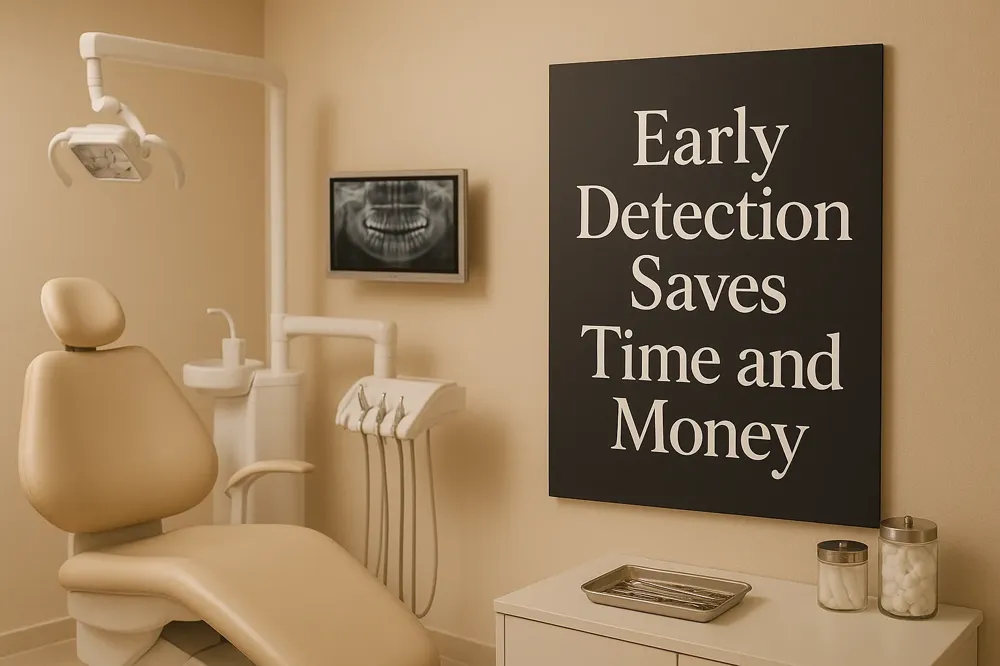
Early detection through preventive visits allows minimally invasive treatments, avoiding more complex procedures. It also helps lower long-term dental costs and maintains a brighter, healthier smile. Adopting preventive care from a young age establishes lifelong habits that promote dental confidence and overall health.
The Importance of Regular Dental Checkups
Why are regular dental checkups essential for a healthy smile?
Regular dental checkups are vital for maintaining a healthy smile because they help detect and prevent dental issues such as cavities, gum disease, and oral cancer early on, often before symptoms arise. These visits typically include professional dental cleanings, examinations, X-rays, and screenings, which work together to remove plaque, tartar, and identify potential problems.
Good oral health is closely linked to overall health, with research showing connections between oral diseases and conditions such as heart disease, diabetes, and stroke. Regular dental visits, recommended every six to twelve months, play a key role in preventing progression of dental problems, thereby saving you from time-consuming, painful, and costly procedures.
What are the components of a dental checkup?
Dental checkups commonly involve several essential services:
- Professional Cleaning: A thorough removal of plaque and tartar that daily brushing misses, helping to prevent cavities and gum disease.
- Examination: Visual assessment of teeth, gums, and oral tissues to spot early signs of decay, gum inflammation, or abnormalities.
- X-rays: Diagnostic imaging that detects issues hidden below the surface, such as impacted teeth, bone loss, or early cavities.
- Oral Cancer Screening: Inspection for suspicious lesions or changes in oral tissues, enabling early diagnosis and treatment.
How do routine visits reduce the need for extensive dental procedures?
By identifying dental concerns early, routine dental checkups often allow for minimally invasive treatments like simple fillings or gum therapy. Early intervention reduces the risk of complex procedures such as root canals, extractions, or extensive restorative work. Preventive dental care is not only more comfortable but also more cost-effective over time.
What is the connection between oral health screening and systemic disease detection?
Many systemic diseases first manifest symptoms in the mouth. During routine dental exams, practitioners can detect signs of diabetes, osteoporosis, heart disease, and even some cancers through careful evaluation of oral tissues and health patterns. This makes regular checkups an important part of overall healthcare, facilitating timely referrals and management of broader health conditions.
Regular dental checkups are an indispensable practice that supports both your oral and overall health, ensuring your smile stays beautiful and your body remains well.
Core Elements of Preventive Dentistry and At-Home Care

Daily Oral Hygiene Practices Including Brushing and Flossing
Maintaining healthy teeth and gums begins at home with Daily brushing with fluoride toothpaste and Flossing for oral health. Brushing twice daily with fluoride toothpaste and Flossing and healthy diet are essential to remove plaque and prevent cavities and gum disease. These simple habits disrupt the buildup of bacteria that cause dental decay and inflammation.
What is the 3-3-3 Rule for Teeth?
The 3-3-3 Rule for Teeth is an effective guideline for oral care. It advises brushing your teeth three times a day, ideally after meals, spending at least three minutes each session. Additionally, it encourages replacing your toothbrush every three months to maintain cleaning efficiency and reduce bacterial accumulation. This routine supports thorough plaque removal, healthy gums, and cavity prevention by fostering consistent, mindful oral hygiene habits.
Professional Preventive Treatments: Fluoride Applications and Dental Sealants
Regular dental visits for Fluoride treatments and Dental Sealants are vital components of preventive care. Fluoride strengthens enamel, making teeth more resistant to decay, particularly in children or those prone to cavities. Dental Sealants are protective coatings applied to molars' grooves, effectively preventing decay by sealing out food and bacteria, especially important for children and teens.
The Role of Diet and Lifestyle in Oral Health
A balanced diet low in sugary and acidic foods supports oral health by limiting decay-causing bacteria. Hydration and consumption of crunchy fruits and vegetables promote saliva flow, which naturally cleans teeth. Avoiding tobacco further reduces risks of gum disease and oral cancer. These lifestyle factors complement dental hygiene practices to maintain strong, healthy teeth.
Importance of Personalized Oral Hygiene Education
Dentists and hygienists provide Oral hygiene education tailored to individual needs, including brushing techniques, flossing habits, and dietary recommendations. Education on mouthguards for sports or nightguards for grinding safeguards dental structures. This personalized approach enhances patient empowerment, encouraging adherence to preventive routines that sustain lifelong oral health.
Preventive Dental Care Coverage and Its Benefits

What is preventive dental care coverage?
Preventive dental care coverage includes essential services such as oral exams, professional teeth cleanings, routine X-rays, fluoride treatments, and dental sealants. These services help maintain optimal oral health by detecting early signs of dental problems and promoting healthy habits. In the United States, most dental insurance plans cover these preventive services at 100% when performed by in-network providers, often with no deductibles or co-pays for preventive dental care.
Commonly covered preventive services
- Oral Exams: Regular dental checkups to monitor oral health and identify early dental issues.
- Professional Cleanings: Removal of plaque and tartar that brushing and flossing cannot eliminate.
- Routine X-rays: Diagnostic imaging to reveal hidden dental problems such as cavities or bone loss.
- Fluoride Treatments: Application of fluoride to strengthen enamel and reduce decay risk, especially for children.
- Dental Sealants: Dental sealants are protective coatings on molars that prevent decay by sealing deep grooves, most beneficial for children and teens.
How coverage encourages regular dental visits
Insurance coverage that fully or largely pays for these preventive services motivates patients to attend regular dental checkups, ideally twice a year. Regular visits allow dentists to detect and treat early problems before they become more severe and costly. Additionally, preventive visits reduce dental anxiety by minimizing the need for invasive treatments.
Financial benefits of preventive care
Investing in preventive dental care can lead to significant cost savings. Early detection and intervention help avoid expensive procedures such as fillings, root canals, crowns, or tooth extractions. Studies indicate that for every dollar spent on preventive care, patients can save between $8 and $50 in future treatment costs, demonstrating the cost savings of preventive dental care.
Special considerations for children and patients with chronic conditions
Children greatly benefit from preventive services like fluoride applications and sealants, which protect their developing teeth and encourage lifelong healthy habits. Insurance plans often extend such coverage to pediatric patients without additional cost. Furthermore, adults with chronic health conditions like diabetes or heart disease also gain from preventive dental care, as maintaining oral health supports overall systemic health and can reduce complications linked to these diseases.
Understanding your dental insurance plan's preventive dental care details is important to maximize benefits and maintain good oral health effectively.
The Goal and Long-Term Benefits of Preventive Dentistry
What is the goal of preventive dentistry?
Preventive dentistry aims to maintain optimal oral health by preventing the development of dental diseases such as cavities, gum disease, and oral cancers. This is accomplished through Routine Dental Exams and Cleanings, professional cleanings, fluoride treatments, and the application of Dental Sealants. Patient education on proper oral hygiene practices—including Brushing twice daily with fluoride toothpaste and Flossing and healthy diet—is also vital. Early Detection of Cavities and Gum Disease reduces the need for costly, invasive treatments later.
Why is preventive dental care important?
Preventive dental care plays a crucial role in sustaining long-term oral health and avoiding serious issues like tooth decay and gum disease. Routine dental exams and cleanings remove plaque and tartar buildup, detect early signs of decay, and monitor gum health. Many dental insurance plans encourage these visits by covering preventive services at little to no cost, making care accessible and affordable. Besides maintaining a healthy smile, Oral Health and Overall Health Connections lowers the risk of systemic conditions, such as heart disease and diabetes, emphasizing its significance beyond the mouth.
How does preventive dentistry minimize invasive treatments?
By catching dental problems early, preventive dentistry allows for less invasive, simpler interventions like fillings instead of root canals or extractions. Fluoride Treatments for Stronger Enamel strengthen enamel, while Dental Sealants for Molar Protection protect vulnerable molars from decay. Nightguards for Bruxism Protection help prevent damage caused by grinding. These approaches keep teeth healthier, reduce pain and discomfort, and limit the need for complicated procedures that can be costly and time-consuming.
What is the relationship between oral health and overall health?
Oral health is deeply connected to systemic well-being. Poor dental hygiene is linked to increased risks of heart disease, diabetes, respiratory infections, and pregnancy complications. Preventive dental care supports not only a healthier smile but also overall health. Oral Cancer Screening and Early Detection in Dentistry can sometimes reveal signs of broader health conditions, enabling timely medical intervention.
Why is early childhood preventive dental care important?
Establishing dental care and healthy oral habits early in life is fundamental for long-term oral health. Children benefit from fluoride treatments and dental sealants that protect their developing teeth, reducing cavity risk. Early education promotes consistent brushing and flossing habits, decreasing dental fear and ensuring a foundation for a lifetime of healthy smiles. Preventive visits for children also allow monitoring of jaw and bite development, facilitating early orthodontic interventions if needed.
Preventive dentistry provides a proactive, cost-effective approach that maintains healthy teeth and gums, safeguards overall health, and fosters well-being from childhood through adulthood.
Preventive Dentistry’s Role in Enhancing Overall Health and Reducing Costs
How Does Preventive Dentistry Impact Overall Health?
Preventive dentistry extends beyond maintaining healthy teeth and gums; it plays a vital role in supporting overall systemic health. Research shows strong links between oral health problems, such as gum disease, and chronic illnesses including heart disease, diabetes, respiratory infections, and complications during pregnancy. Regular Preventive dental care helps detect early signs of these conditions and reduces inflammation and bacterial presence that may exacerbate systemic diseases (Connection between Oral Health and Systemic Disease.
How Does Preventive Care Reduce Emergency Dental Visits and Healthcare Costs?
Routine dental visits and cleanings are effective in preventing severe dental issues that often lead to costly emergency treatments. For instance, early detection of cavities and gum disease enables minimally invasive interventions, avoiding procedures like root canals or extractions. Preventive care is also associated with lower long-term dental expenses; studies demonstrate that for every dollar spent on prevention, up to $50 can be saved on restorative and emergency treatments, particularly benefiting low-income individuals.
Why Are Oral Cancer Screenings and Diagnostic Services Important?
Regular oral cancer screenings during dental checkups are crucial for early identification of potentially malignant lesions, significantly improving treatment outcomes. Diagnostic tools such as oral evaluations and X-rays reveal hidden dental problems like impacted teeth or bone loss, promoting timely care. These services are integral components of preventive dentistry that contribute to overall oral and general health.
What Community and Educational Efforts Enhance Preventive Oral Care?
Programs supporting easy access to affordable healthy foods, smoke-free policies, and water fluoridation have shown to improve oral health outcomes. Additionally, dental sealant initiatives in schools help prevent cavities in children, reducing treatment costs and improving quality of life. Oral health education on proper brushing twice daily with fluoride toothpaste, flossing, nutritional habits, and tobacco cessation is vital in establishing lifelong healthy behaviors.
What Are the Financial and Quality of Life Benefits?
Preventive dental care significantly lowers future dental treatment costs by reducing the incidence of cavities, gum disease, and tooth loss. This not only saves money but also enhances quality of life by preserving natural teeth essential for speaking, eating, and maintaining self-confidence. By minimizing oral health problems, preventive dentistry supports overall wellbeing and social engagement.
| Aspect | Preventive Service Examples | Benefits |
|---|---|---|
| Systemic Health Link | Routine cleanings, inflammation control | Reduces risk of heart disease, diabetes |
| Cost Reduction | Early cavity detection, cleanings | Lowers emergency visits and treatment costs |
| Diagnostic Importance | Oral cancer screenings, X-rays | Early problem detection, better outcomes |
| Community & Education | Sealant programs, health campaigns | Improved access and lifelong oral hygiene |
| Financial & Life Quality | Fluoride treatments, regular exams | Saves money, preserves natural teeth, boosts confidence |
Conclusion: Embracing Preventive Dental Care for a Lifetime of Healthy Smiles
The Importance of Preventive Dental Care
Preventive dental care is essential for maintaining healthy teeth and gums throughout life. Regular dental visits, combined with daily brushing, flossing, and professional cleanings, allow early detection and treatment of issues like cavities and gum disease.
Long-Term Advantages
Consistent preventive care not only preserves oral health but also supports overall well-being by reducing risks linked to systemic diseases such as heart disease and diabetes.
Taking Action Today
Embracing preventive dentistry means fewer invasive treatments and lower costs over time. Prioritizing routine dental checkups and at-home care promotes a confident smile and better quality of life for years to come.
Commit to your oral health now by scheduling regular exams and maintaining good daily hygiene. Your smile—and your health—will thank you.