Welcome to Modern Dentistry
In 2026 dentistry is defined by a suite of cutting‑edge tools that put patients at the center of care. AI‑driven imaging instantly flags cavities, gum disease and bone loss, while intra‑oral scanners capture full‑arch digital impressions in seconds, eliminating messy putty and improving comfort. Seamless digital workflows connect these scans to chair‑side 3‑D printers and CAD/CAM mills, delivering same‑day crowns, bridges and surgical guides with sub‑micron precision. Cloud‑based practice platforms keep records, lab communications and treatment plans in real time, streamlining appointments and reducing wait times. Together, these technologies shorten treatment timelines, enhance diagnostic confidence and create a warm, transparent experience that builds trust and boosts patient satisfaction.
AI‑Powered Diagnostics and Treatment Planning
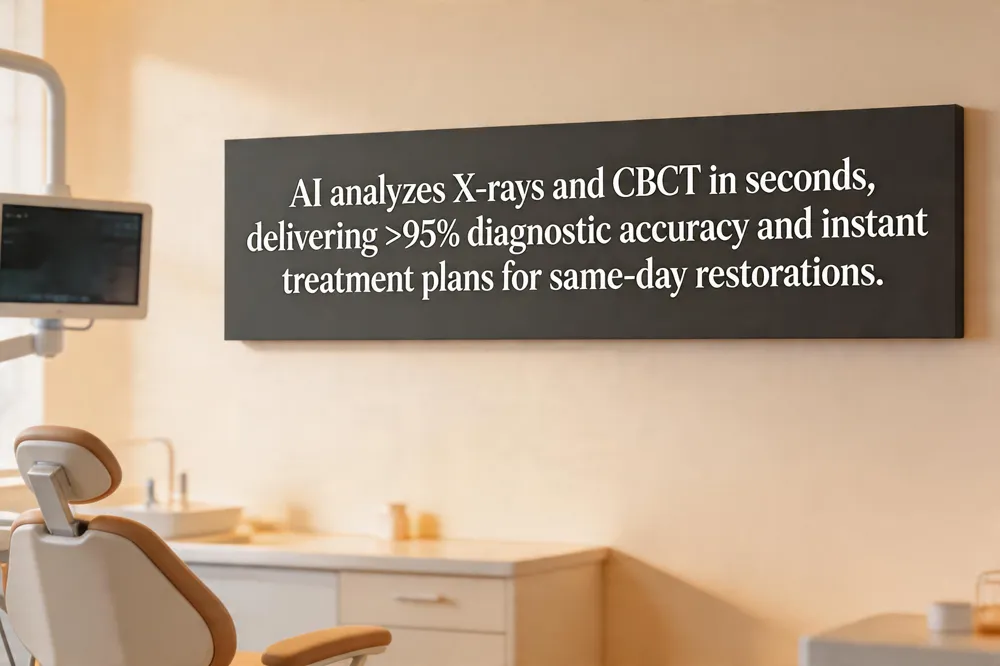 In 2026, artificial‑intelligence (AI) software has become a cornerstone of dental diagnostics, instantly analyzing digital X‑rays and cone‑beam CT (CBCT) scans to spot cavities, early gum disease, bone loss and even subtle enamel demineralization. Compared with manual inspection, AI algorithms achieve diagnostic accuracies exceeding 95 %, reducing false‑negatives and allowing clinicians to intervene sooner. These AI tools are seamlessly integrated into digital workflows: the same intra‑oral scanners that capture high‑resolution 3‑D impressions feed data to AI‑driven treatment‑planning platforms, which then generate precise designs for same‑day crowns, bridges, aligners and guided implant surgery surgical guides. Predictive analytics further enhance care by forecasting disease progression and suggesting minimally invasive, patient‑specific treatment paths.
What are the newest dental technologies being used in 2026? AI‑enhanced imaging, sub‑micron intra‑oral scanners, chairside 3‑D printing and milling, guided implant surgery, cloud‑based practice management and teledentistry together streamline diagnostics, accelerate restoration fabrication and improve patient convenience.
What dental trends are shaping patient care in 2026? The focus is on digital, AI‑driven diagnostics, same‑day restorative workflows, remote monitoring via teledentistry, sustainable low‑waste practices, and preventive‑care technologies such as smart oral‑health sensors, all aimed at delivering faster, more accurate, and patient‑centered care.
Intraoral Scanners and Digital Impressions
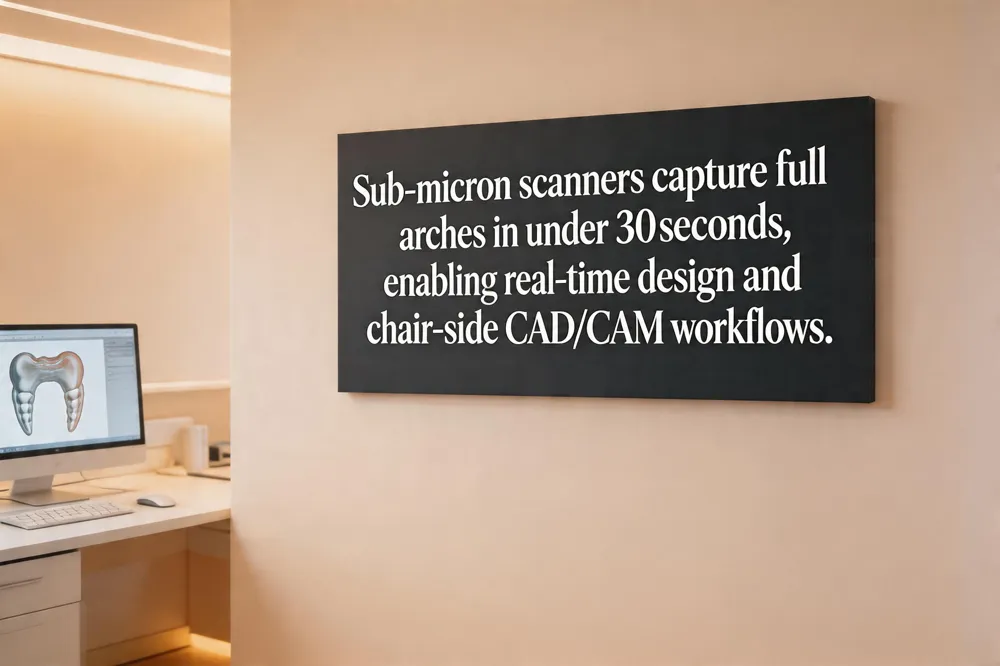 High‑resolution 3‑D scanning has become the backbone of modern dental diagnostics. Contemporary intraoral scanners capture full‑arch images in under 30 seconds with sub‑micron accuracy, delivering digital models that fit crowns, bridges and clear aligners within 10 µm. The speed of the scan dramatically reduces chair‑side time and eliminates the uncomfortable, messy putty impressions that patients dreaded for years. Because the scanner records every tooth surface in real time, clinicians can instantly verify fit, adjust the design, and move straight to a CAD/CAM workflow for same‑day restorations.
What essential tools does a dentist use during a routine exam? During a routine exam a dentist relies on a small mouth mirror, a thin‑tipped explorer (or probe), a periodontal probe, a scaler, an air/water syringe, and high‑volume suction. These instruments allow the clinician to detect caries, assess gum health, remove plaque, and keep the field clear for accurate scanning.
What is the 3‑3‑3 rule for oral hygiene? The 3‑3‑3 rule encourages brushing three times a day for three minutes each session, replacing the toothbrush every three months, and complementing brushing with daily interdental cleaning such as flossing or a water flosser. This simple routine supports the high‑precision work enabled by digital impressions, helping maintain healthy teeth and gums.
Chairside 3D Printing and Milling: Same‑Day Restorations
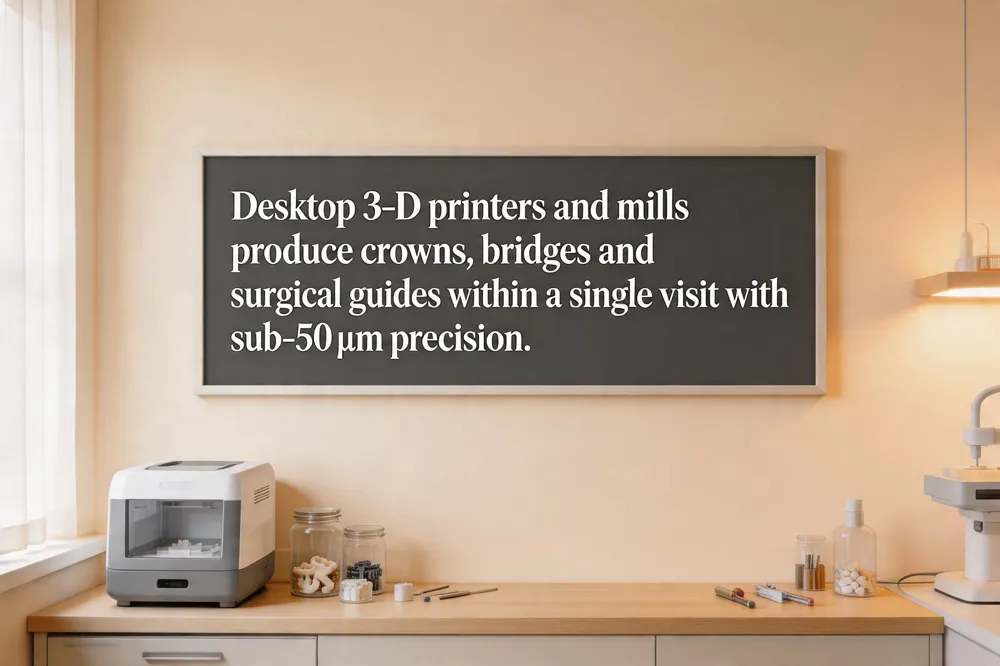 In 2026, dental offices are equipped with both desktop and chairside 3‑D printers that turn a digital scan into a finished crown, bridge, or surgical guide within a single patient visit. These printers use high‑resolution resin or ceramic materials, delivering sub‑50 µm marginal accuracy and eliminating the weeks‑long lab turnaround that once delayed care. Coupled with CAD/CAM milling units, clinicians can design a permanent restoration on the spot, mill monolithic zirconia or lithium‑disilicate restorations, and place them immediately—often in under 30 minutes. The integrated digital workflow cuts material waste, reduces labor costs, and shortens chair time, translating into lower fees for patients and higher practice efficiency.
What is the 3‑2 rule for dental implants?
The 3‑2 rule is a clinical guideline that secures long‑term implant stability and natural aesthetics. It calls for at least 3 mm of healthy bone covering the facial (front) side of the implant and a minimum of 2 mm of soft‑tissue (gum) thickness between the implant platform and adjacent teeth. Meeting these dimensions helps prevent bone loss, gum recession, and visible dark lines around the restoration. If the measurements fall short, grafting or soft‑tissue augmentation may be required before placement.
Guided Implant Surgery and AR/VR Enhancements
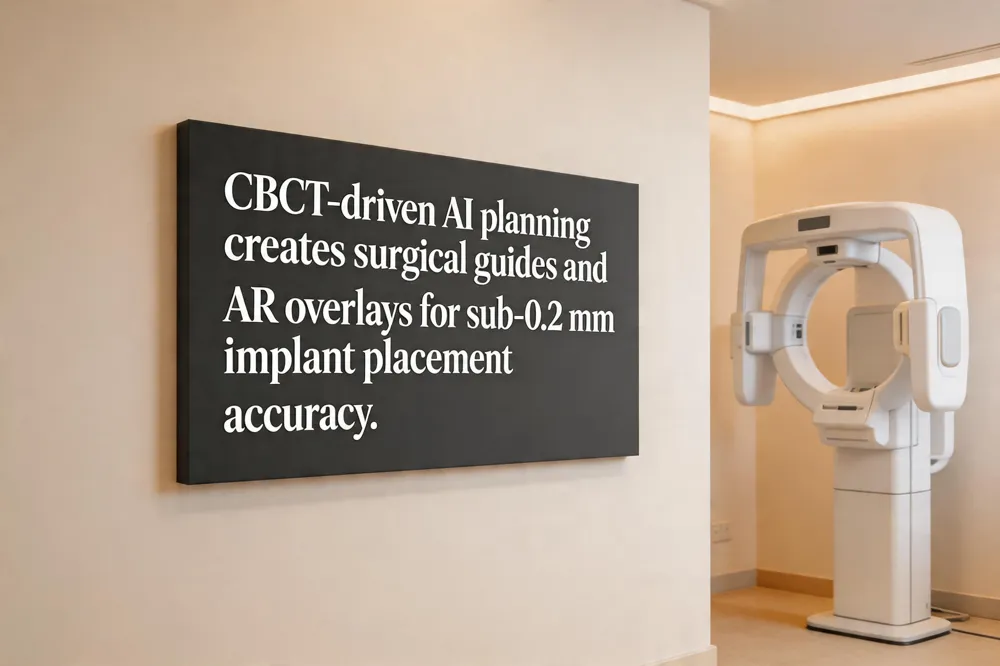 Guided implant surgery in 2026 starts with high‑resolution cone‑beam computed tomography (CBCT) that delivers three‑dimensional images of teeth, bone, nerves and sinuses while exposing patients to up to 90% less radiation than conventional CT.
AI‑driven planning software imports the CBCT data, automatically identifies optimal implant sites, and generates patient‑specific surgical guides that fit precisely on the dental arch.
These digitally fabricated guides enable sub‑millimetre placement accuracy—often within 0.2 mm of the virtual plan—minimizing risk to vital structures and shortening surgical time.
Augmented‑reality (AR) overlays further enhance the workflow: a headset or microscope projects the planned implant trajectory onto the clinician’s view in real time, allowing instant visual confirmation and on‑the‑fly adjustments.
Combined, CBCT, AI‑generated guides, and AR navigation provide a seamless, minimally invasive solution that improves outcomes, reduces postoperative discomfort, and boosts patient confidence in implant therapy.
Teledentistry, Cloud Platforms and Sustainable Care
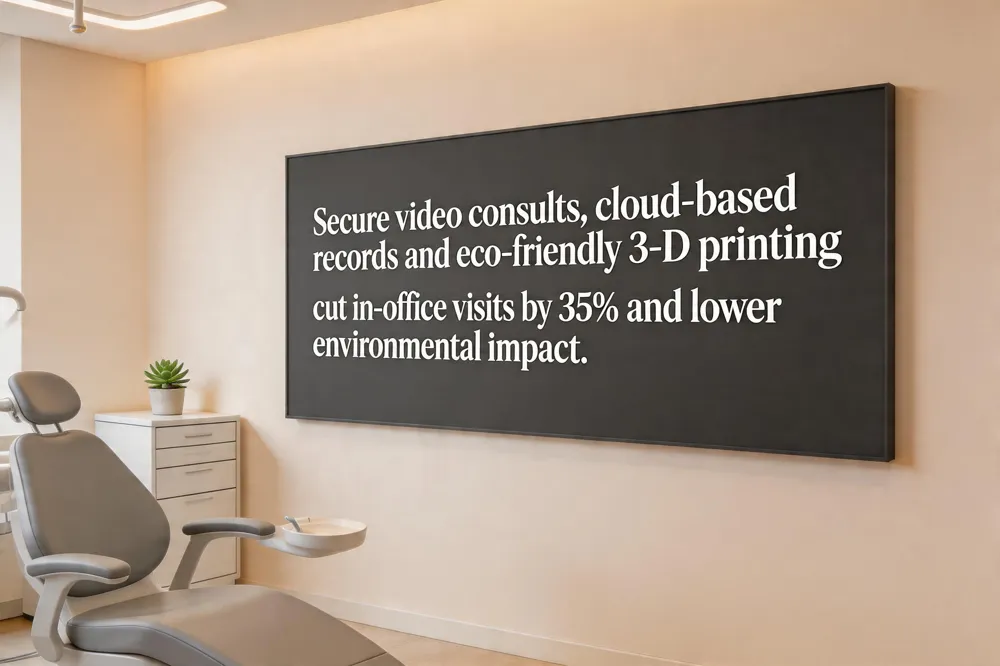 Remote video consultations and triage have become a cornerstone of modern dental care. 2026 platforms such as MouthWatch and Denteractive enable secure, high‑resolution video exams, while AI‑driven triage bots screen for urgent issues and prioritize appointments, cutting in‑office visits by up to 35 % without sacrificing diagnostic accuracy. Cloud‑based practice‑management systems store patient records on encrypted servers, integrate scheduling, billing, and imaging, and provide real‑time access for clinicians and laboratories. This digital backbone allows seamless communication of digital impressions, CBCT scans, and AI‑generated treatment plans, eliminating paper charts and reducing turnaround time for restorations. Green office initiatives complement these efficiencies: paper‑less workflows, energy‑saving LED curing lights, low‑dose digital X‑rays, and on‑site 3D printing that minimizes material waste. Eco‑friendly restorative materials such as bio‑active zirconia and recyclable resin further lower the practice’s environmental footprint while delivering durable, aesthetic results. Together, teledentistry, cloud platforms, and sustainable practices enhance patient access, streamline operations, and support a healthier planet.
Your Future Smile Starts Today
At Dr. Ashley Burns’s Midland office, the latest dental innovations work together to give you faster, more accurate care. AI‑driven imaging instantly spots cavities and gum disease, while intraoral scanners capture flawless 3‑D impressions in seconds. Chairside 3‑D printing and milling create same‑day crowns, bridges and surgical guides with perfect fit. Guided implant surgery uses CBCT and digital guides to avoid nerves and sinuses. Teledentistry lets you consult from home, and cloud‑based records keep every detail secure and accessible. These tools reduce chair time, discomfort and repeat visits, delivering natural‑looking results you can trust. Schedule your modern-technology exam today and start the journey toward a healthier, brighter smile.