The Evolution of Smile Restoration Through Advanced Dental Implants
Dental implants are widely recognized as the gold standard in restorative dentistry, offering a permanent solution that functions and feels like a natural tooth. By serving as an artificial root, a dental implant provides a stable foundation for crowns, bridges, or dentures, preventing the bone shrinkage often associated with traditional tooth loss.
The field of restorative dentistry has undergone a significant transformation, shifting from generic appliances to precise, patient-centered care. At ashleyburnsdds.com, the approach prioritizes comprehensive diagnostics and customized treatment plans that account for each patient's unique jawbone density and medical history. This focus on individual biology ensures that every restoration contributes to long-term oral health and structural integrity.
Unlike older methods that required altering adjacent healthy teeth, modern implantology focuses on preserving original tooth structure. By integrating high-quality biocompatible materials, ashleyburnsdds.com provides patients with reliable, durable outcomes designed to last a lifetime. This evolution in care means that patients can regain their ability to chew, speak, and smile with renewed confidence.
Why Dental Implants Are Considered the Gold Standard
 Dental implants are widely considered the healthiest and most effective way to replace missing teeth because they function like natural tooth roots. By fusing directly with the jawbone, they provide necessary stimulation that helps prevent bone density loss and maintains your natural facial structure. Unlike other solutions, implants do not require the alteration or preparation of adjacent healthy teeth, preserving your existing dental integrity. They offer a permanent, stable, and highly aesthetic restoration that mimics the look and feel of your original smile. Choosing implants ensures long-term oral health and comfort, making them the gold standard in modern restorative dentistry.
At ashleyburnsdds.com, we emphasize that the success of these restorations relies on the biocompatible nature of the materials used. Whether crafted from medical-grade titanium or specialized ceramic, these posts are designed to integrate seamlessly with human tissue. This process, known as osseointegration, transforms the implant into a durable foundation that acts as an anchor for replacement teeth.
The structural advantages of implants become clear when contrasted with traditional alternatives. Conventional bridges often require the significant removal of enamel from adjacent healthy teeth to create a stable mounting surface. Similarly, removable dentures frequently result in slippage or gum irritation and do not provide the mechanical stress necessary to prevent jawbone resorption. By avoiding these compromises, patients can maintain a stronger, more functional bite.
| Feature | Dental Implants | Traditional Solutions |
|---|---|---|
| Bone Health | Stimulates bone | Potential loss |
| Adjacent Teeth | Preserved | Often reduced |
| Stability | Permanent/Fixed | Removable/Snap |
Types of Implants and Their Proven Success Rates
 The primary categories for dental implants are defined by their surgical placement. Endosteal implants are the most common variety, featuring a screw-like post inserted directly into the jawbone. For patients who may lack the necessary bone height to support traditional posts, subperiosteal implants offer an alternative by resting on the bone but under the gum tissue. When bone density is significantly limited, specialized zygomatic implants are often utilized, as these are longer devices anchored securely into the cheekbone.
Choosing the right approach depends on individual anatomy, which is why ashleyburnsdds.com performs thorough assessments to determine if a specific implant design or supplemental bone grafting is required. Modern implantology also utilizes mini dental implants for cases where space is restricted or to add extra stability to dentures.
The long-term clinical success of these devices is well-documented, with studies indicating high survival rates of approximately 96.8% at 10 years and 94.0% at 15 years. Longevity remains a top priority at ashleyburnsdds.com, where patients are provided with personalized maintenance strategies to ensure their restoration remains functional for decades. Achieving such outcomes requires both skilled surgical placement and consistent patient commitment to oral hygiene, including daily brushing and routine professional check-ups.
| Implant Type | Placement Method | Ideal Candidate |
|---|---|---|
| Endosteal | Directly in jawbone | Sufficient bone |
| Subperiosteal | Above jawbone/under gum | Low bone height |
| Zygomatic | Anchored in cheekbone | Severe bone loss |
The Surgical Journey From Consultation to Restoration
The dental implant process begins with a comprehensive consultation involving dental imaging, such as X-rays or 3D CT scans, to create a personalized treatment plan based on your unique oral health needs. At ashleyburnsdds.com, our team utilizes these high-resolution diagnostics to assess bone density and ensure precise implant positioning.
If necessary, preparatory procedures like tooth extractions or bone grafting are performed to ensure a stable foundation for the implant. Once the site is prepared, the titanium implant post is surgically placed into the jawbone, where it undergoes a healing process known as osseointegration. During this phase, the jawbone fuses to the post, creating a structural connection that mimics the function of a natural tooth root.
After successful healing, which can take several months, a connector piece called an abutment is attached to the implant. Finally, a custom-made, natural-looking dental crown is secured to the abutment to complete your restored smile. At ashleyburnsdds.com, we prioritize the use of biocompatible materials that meet international FDA safety standards, ensuring that every restoration is both durable and aesthetically consistent with your natural teeth.
Managing Patient Comfort and Recovery Expectations
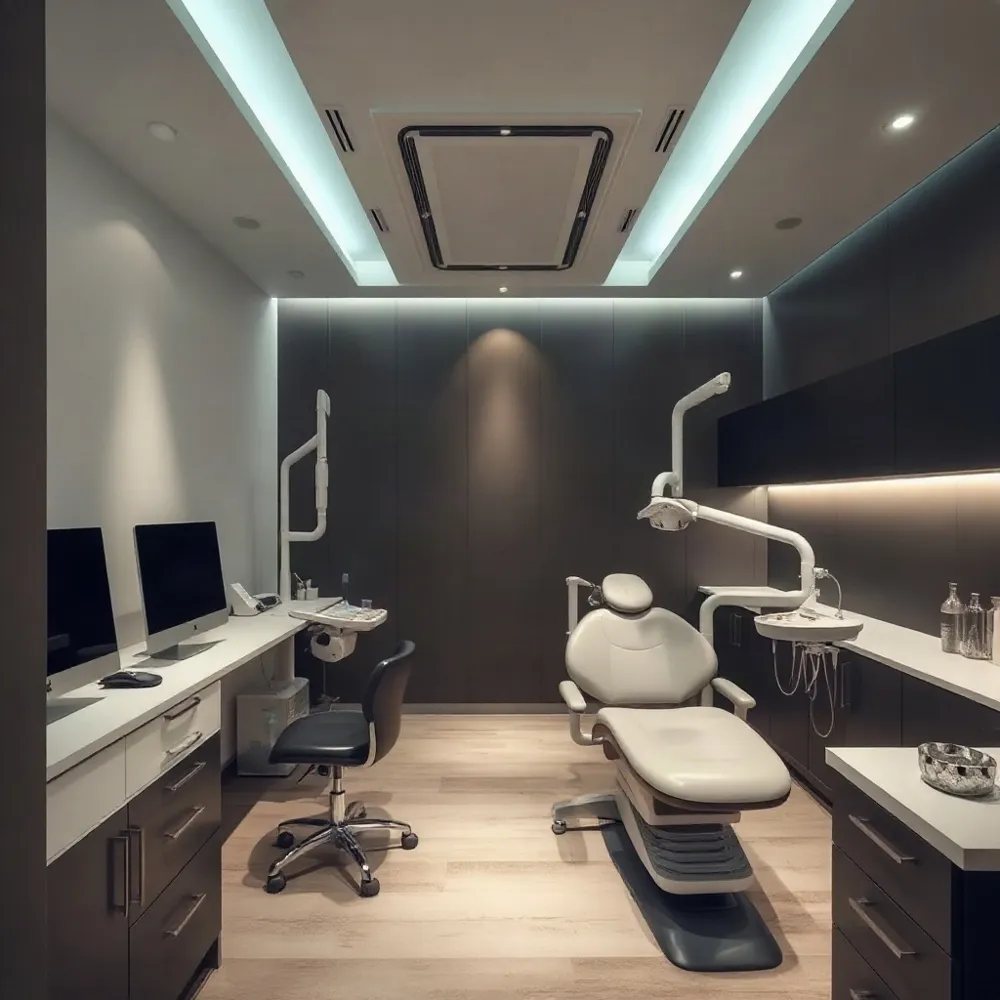 The prospect of surgery often raises concerns about comfort, yet modern dentistry prioritizes patient ease through advanced protocols. At ashleyburnsdds.com, we utilize tailored anesthesia options to ensure you remain comfortable throughout your procedure. While some post-surgical soreness is a natural part of the healing process, many patients find the experience more manageable than anticipated, often reporting less discomfort than with a traditional tooth extraction.
Most significant swelling and inflammation typically peak within the first 24 to 72 hours following the dental implant surgery. To facilitate a smooth recovery, we recommend using ice packs to minimize swelling and adhering to a soft-food diet during the initial days. For those concerned about gaps in their smile during the healing period, we provide temporary tooth replacements that maintain your aesthetic appearance while the bone integrates with the implant. Consistent oral hygiene, including gentle care around the surgical site, remains essential for long-term success.
How painful is the dental implant procedure and what is the recovery like?
Most patients find that the dental implant procedure is far more comfortable than expected, often experiencing less discomfort than a standard tooth extraction. While some degree of soreness is normal following surgery, the most significant inflammation and swelling typically occur within the first 24 to 72 hours. You can effectively manage this recovery period by using prescribed or over-the-counter pain medications, applying ice packs to the cheek to reduce swelling, and sticking to a soft diet. Most individuals notice a steady improvement in comfort within 7 to 14 days as the surgical site heals. If you have additional procedures like bone grafting, you may experience slightly more soreness, but our team is here to support your comfort and recovery every step of the way.
- Use prescribed or over-the-counter pain relievers as directed by your dentist.
- Apply ice packs to the cheek for 15-minute intervals to manage post-surgical swelling.
- Maintain excellent oral hygiene by gently brushing around the dental implants as instructed.
- Avoid tobacco products and strenuous physical activity for the first few days to protect the surgical site.
Technological Advancements Defining Modern Implantology
The field of dental implantology has shifted toward precision-focused digital workflows, making treatment more predictable than ever. At ashleyburnsdds.com, we integrate advanced diagnostic tools to ensure every restoration aligns with your unique anatomy. Technologies like 3D printing and digital impression scanners have replaced traditional, uncomfortable trays, allowing for the creation of highly accurate, custom components.
Computer-guided surgery represents a significant leap in clinical precision. By utilizing detailed CBCT scans, clinicians can virtually plan the placement of the titanium or ceramic post before the procedure begins. This 4-dimensional approach minimizes surgical time and enhances safety by mapping out critical structures in the jaw.
Innovations such as immediate-load implants allow many patients to receive a provisional restoration on the same day as their surgery, avoiding the need for extended waiting periods. As artificial intelligence enters the diagnostic space, treatment planning becomes increasingly automated, further reducing the risk of human error. Whether you require a single-tooth replacement or a full-arch restoration, these technological strides prioritize both long-term health and a natural aesthetic.
Financial Considerations and Investing in Your Smile
The total cost of dental implants is influenced by several clinical factors, including the number of teeth being replaced and the specific type of implant restoration required. Patients may also incur additional expenses if preparatory procedures, such as bone grafting or tooth extractions, are necessary to ensure a stable foundation. The choice of materials, such as selecting titanium versus zirconia, further impacts the final investment.
What factors influence the cost of dental implants?
Because every patient’s oral health needs are unique, the complexity of the surgical plan plays a significant role in determining the overall price. At ashleyburnsdds.com, we emphasize comprehensive planning to ensure long-term clinical success. By conducting a personalized clinical evaluation and 3D imaging, we help you understand your specific requirements before treatment begins. We encourage you to schedule a consultation at our office, where we can provide a transparent treatment plan and a clear financial breakdown tailored to your individual goals.
Ensuring a Lifetime of Dental Health
The long-term success of your dental implants depends heavily on a consistent maintenance routine. Just like natural teeth, implants require daily brushing and flossing to prevent peri-implantitis, an inflammatory condition that can jeopardize osseointegration.
Lifestyle choices play a crucial role in preserving your restoration. Avoiding tobacco is essential, as smoking significantly increases the risk of implant failure by impeding healing and bone health. Patients should also avoid habits like grinding or chewing on hard objects to protect the integrity of the crown or bridge.
At ashleyburnsdds.com, we prioritize patient-centered restorative excellence through comprehensive care. Regular professional check-ups allow us to monitor the health of your implants, ensuring your smile remains functional and aesthetic for years to come.