Your Smile Deserves a Partner Who Listens
The quality of your dental care often comes down to how well your dentist listens. When a dentist takes time to understand your concerns, explain treatment options, and answer questions, you feel more at ease and more likely to follow through with recommended care. Research published in Strategies for Effective Dentist-Patient Communication shows that clear, empathetic communication leads to better patient satisfaction and outcomes. This approach is central to what Ashley Burns, DDS offers in Midland, TX, where the focus is on building trust and making each visit comfortable and informative.
Listening also influences the technical side of treatment. When a dentist actively listens, they can better diagnose issues, tailor treatments to your needs, and reduce anxiety. A patient who feels heard is more likely to share symptoms openly, which helps the dentist catch problems early. Advice on finding a trustworthy family dentist in Midland, Texas highlights how positive patient reviews often reflect this kind of attentive care. At Ashley Burns, DDS, the team prioritizes open dialogue, ensuring that every appointment feels collaborative rather than rushed.
Moreover, a listening dentist adapts to your communication preferences, whether that means explaining procedures in plain language, offering visual aids, or simply being patient with your questions. The overview of dentist-patient communication notes that effective interaction improves patient understanding and compliance. In contrast, some dental practices may rely on a one-size-fits-all approach, leaving patients confused or anxious. By choosing a practice like Ashley Burns, DDS, you gain a partner who values your input and tailors care to your unique situation, from routine checkups to more complex procedures.
Practical Ways a Listening Dentist Improves Your Visit
- Conducts a thorough consultation to understand your dental history, fears, and goals.
- Explains each step of the examination and treatment, using models or images when helpful.
- Asks for your feedback throughout the appointment, adjusting approach as needed.
- Follows up after treatment to check on your comfort and address any lingering questions.
- Takes time to discuss preventive care and home routines, ensuring you feel empowered.
These practices not only ease anxiety but also improve long-term dental health. When you feel heard, you are more likely to schedule regular visits and maintain good oral hygiene habits. Ashley Burns, DDS embodies this patient-first philosophy, offering a warm, welcoming environment in Midland, TX, where every member of your family can receive attentive, compassionate care.
| Aspect | Typical Practice | With a Listening Dentist |
|---|---|---|
| Initial consult | Brief checklist | In-depth conversation |
| Treatment explanation | Jargon-heavy | Simple, visual terms |
| Patient feedback | Limited | Actively solicited |
| Follow-up care | Often skipped | Proactive check-ins |
| Overall comfort | Variable | Prioritized throughout |
Start with Trusted Recommendations
 A reliable first step in finding the right family dentist is asking the people you trust most: family, friends, coworkers, and even your healthcare provider. Personal referrals come from real experiences, which gives you honest insight into a dentist's chairside manner, communication style, and how the practice handles everything from routine cleanings to unexpected discomfort. When a neighbor or colleague in Midland, TX recommends a dentist who has cared for their family for years, that word-of-mouth carries weight that online ads simply can't match.
Beyond personal connections, professional directories and local resources add a layer of verification. Organizations like the American Dental Association and state dental boards let you confirm a dentist's credentials and check for any disciplinary history, while delta dental's guide and us news's checklist offer structured approaches to evaluating options. These resources help you move from random searching to a focused list of practices that meet basic standards of care.
That combination of trusted recommendations and credible resources is exactly how many Midland families find a dentist who becomes a long-term partner in their oral health. For a deeper look at what to consider, from credentials to office location, see our guide on questions to ask before choosing your family dentist.
Expanding Your Search with Local and Online Directories
Once you have a short list from personal referrals, supplement it with online directories and review platforms. Sites like Healthgrades and local business listings provide patient ratings and detailed reviews that reveal how a practice communicates, handles appointments, and manages patient concerns. Reading a range of reviews, both positive and critical, gives a balanced view of what to expect.
While browsing, look for patterns rather than focusing on one-off comments. Consistent mentions of a dentist's gentle approach, clear explanations, or friendly front office staff are strong indicators of the overall experience. On the flip side, repeated complaints about long wait times or scheduling difficulties may signal deeper issues. This layer of research helps you distinguish between a practice that simply meets basic standards and one that truly prioritizes patient comfort.
| Recommendation Source | What It Provides | Why It Matters |
|---|---|---|
| Family, friends, coworkers | Honest feedback on real experiences | Builds initial trust and reveals personality fit |
| Healthcare providers | Professional referrals from medical network | Adds clinical credibility to recommendations |
| ADA / state dental boards | License verification, disciplinary history | Ensures the dentist is qualified and ethical |
| Online review platforms | Patient ratings and detailed reviews | Shows communication style and practice culture |
| Local directories | Curated lists of area dentists | Narrows options to vetted local providers |
Verify Credentials and Experience
 Checking a dentist's education, licensure, and specialty training is one of the most reliable ways to assess whether they can handle your family's needs. You can verify state licensure through your state dental board, and you can often find evidence of advanced training or continuing education by reviewing the practice's website or asking the front desk directly.
Credentials are a solid starting point, but experience matters just as much. A dentist who has treated patients with similar concerns, such as pediatric care or cosmetic restorations, is more likely to anticipate challenges and recommend the right treatment. For more detail on what to look for, the American Dental Association's guidance on choosing a dentist walks through the key factors to consider.
Questions to Ask Before You Commit
- How long have you been practicing, and do you have a focus on family or cosmetic dentistry?
- Which professional organizations do you belong to, and how do you stay current with new techniques?
- Can you share examples of recent continuing education you've completed?
- Do you have experience treating children, seniors, or patients with special needs?
- What does your process look like for a first-time visit and follow-up care?
Asking these questions can reveal not only a dentist's technical background but also their communication style. Effective communication is linked to higher patient satisfaction and better adherence to treatment recommendations, as described in research on dentist-patient communication.
Once you've confirmed credentials, trust your impressions from a consultation. Notice whether the dentist explains procedures in plain language and whether the team makes you feel welcome. These factors often matter as much as a diploma on the wall. For a more detailed walkthrough, you can also review questions to ask before choosing your family dentist on the ashleyburnsdds.com blog.
Assess Accessibility and Office Hours
Choosing a dentist who fits your entire family goes beyond finding someone with the right credentials. For many families in Midland, TX, the ideal practice combines clinical skill with a genuinely warm environment, convenient office hours, and the ability to handle everything from routine checkups to unexpected emergencies. The selection process becomes easier when you focus on a few practical considerations that directly affect your daily life and long-term dental health.
Location and Office Hours That Fit Your Schedule
A dental office that is close to home, school, or work makes it far easier to keep regular appointments and to reach care quickly in an emergency. Before committing to a practice, check the office hours against your family's routine. Some practices offer early morning, evening, or Saturday slots that accommodate busy schedules. If you are looking for a family dentist in Midland, TX, consider how accessible the location is and whether the hours align with your family's needs. This practical consideration is one of the first things to evaluate when comparing your options.
Communication Style and Patient Comfort
Effective dentist-patient communication is essential for building trust and reducing anxiety, especially for children or nervous adults. A dentist who listens carefully and explains procedures in plain language can make a significant difference in your comfort level. Research published in the International Journal of Environmental Research and Public Health highlights that clear, empathetic communication improves patient satisfaction and treatment outcomes. When you meet a potential dentist, pay attention to how they interact with you and your children. Do they answer questions patiently? Do they take time to explain your options? A practice that values open dialogue, such as Ashley Burns, DDS, will often feel more welcoming and reassuring.
Emergency Care and After-Hours Accessibility
Dental emergencies rarely happen during regular office hours. Knowing whether a practice offers after-hours care or has a protocol for urgent situations can save you stress and potential pain. Ask about their policy for same-day appointments, emergency contact numbers, and how they handle severe toothaches or broken teeth. For families with children, this is especially important because injuries can occur on weekends or holidays. A practice that clearly communicates its emergency procedures demonstrates a commitment to patient well-being beyond routine care.
Financial Transparency and Insurance Compatibility
Dental care is an investment in your family's health, so understanding the costs upfront is crucial. Before scheduling an appointment, ask about accepted insurance plans, out-of-pocket estimates, and payment options. Many practices offer flexible payment plans or work with third-party financing to make treatment more affordable. Transparent pricing and a willingness to discuss costs openly are signs of a patient-centered practice. If you are comparing providers, don't hesitate to ask for a detailed breakdown of fees for common procedures like cleanings, fillings, or crowns.
Building Long-Term Relationships
A family dentist who knows your dental history and understands your family's unique needs can provide more personalized care over time. This continuity helps in detecting issues early and in crafting preventive strategies that work for each member of the family. When you visit a practice for a consultation, observe whether the team takes time to get to know you and your concerns. A practice that invests in building relationships, such as the one led by Dr. Ashley Burns, often delivers more consistent and satisfying care.
| Consideration | Why It Matters | Questions to Ask |
|---|---|---|
| Location | Convenience encourages regular visits and quick emergency access | How close is the office to home or work? |
| Office hours | Accommodates school and work schedules | Are evening or weekend appointments available? |
| Communication | Reduces anxiety and improves treatment understanding | Do they explain procedures clearly? |
| Emergency care | Ensures timely help for urgent dental issues | What is the after-hours protocol? |
| Financial options | Makes care affordable and predictable | Do they accept my insurance or offer payment plans? |
Evaluate Communication and Patient Education
The best dentist Midland TX patients trust for the long term does more than fill cavities. They explain what is happening in your mouth, why it matters, and what happens next. That communication is not just a nicety. A 2024 review in the journal Dentistry Journal found that effective dentist-patient communication directly improves patient satisfaction, reduces anxiety, and leads to better treatment outcomes. When a dentist takes time to walk you through each step, you leave the chair feeling informed rather than overwhelmed.
How a dentist explains treatment often matters as much as the treatment itself. You want someone who listens to your concerns, answers questions without rushing, and tailors explanations to your level of understanding. For example, a dentist who uses plain language instead of jargon, and who encourages you to ask questions, builds trust that makes you more likely to return for regular checkups. That is why choosing a family dentist who prioritizes clear communication is a foundational step in your family's dental health.
You should also notice how a dentist handles your questions about prevention. A strong communicator does not just treat the current problem; they explain the causes and show you practical prevention steps. According to a 2023 overview in Dentistry Journal, effective communication also supports shared decision-making, meaning you and your dentist together choose the treatment plan that fits your needs and budget. This patient-centered approach is a core part of what Ashley Burns, DDS brings to the chair.
Evaluating Communication and Patient Education
The dentist's approach to explaining treatments and prevention is a signal of how much they value your comfort and understanding. Ask yourself a few simple questions during your first visit: Does the dentist make eye contact and listen without interrupting? Do they use models, images, or plain-language analogies to help you understand a procedure? Do they pause to check that you follow along? A dentist who engages in this way shows they see you as a partner in your care, not just a set of teeth. This is the kind of thoughtful communication that the right dentist in Midland, TX should demonstrate consistently.
Look for a practice that welcomes questions at every stage. Whether you are inquiring about a cleaning, a crown, or preventive advice, the office should create a space where you never feel silly for asking. As one overview of dentist-patient communication notes, positive patient experiences hinge on the professional's ability to explain things clearly and compassionately. When a dentist invests in that education, it reduces fear, boosts treatment acceptance, and makes it easier for you to maintain good oral hygiene at home.
For a deeper look at what to evaluate when choosing your dentist, review our guide on questions to ask before choosing your family dentist. And if you are weighing your options, our practice focuses on the same patient-first communication principles discussed here.
| What to Look For | Why It Matters | How to Gauge It |
|---|---|---|
| Plain-language explanations | Reduces anxiety and confusion | Ask them to describe a procedure in simple terms |
| Active listening | Shows they value your input | Notice if they pause for your questions |
| Use of visual aids | Helps you visualize treatment | Look for models, images, or videos |
| Shared decision-making | Makes you a partner in care | See if they discuss options and trade-offs |
Consider Technology and Treatment Options
Choosing the right dentist is a decision that affects more than just your next cleaning. It shapes how comfortable you feel in the chair, how well you understand your treatment options, and how proactive you can be about your long-term oral health. Asking the right questions during your first visit or phone consultation is the best way to uncover whether a practice truly prioritizes your needs.
Start with questions about the dentist's training and experience. For example, you might ask, "How many years have you been practicing?" or "Do you participate in continuing education courses each year?" Dentists who actively invest in learning are more likely to stay current with new materials and techniques. You can also ask about their approach to preventive care, since a dentist focused on early detection can help you avoid more extensive and costly procedures down the road.
Questions About Technology and Comfort
Modern dental technology can make a significant difference in your experience. Ask whether the practice uses digital X-rays, intraoral cameras, or same-day restorations. These tools allow for faster, more accurate diagnoses and often mean fewer appointments. As the American Dental Association's MouthHealthy guide explains, asking about the technology and how it benefits you directly is a smart way to gauge a practice's commitment to patient care. Also, don't hesitate to ask about comfort options like sedation dentistry, which can be a game-changer for patients who feel anxious about dental visits.
Patient comfort also depends on communication. Ask the dentist how they explain treatment options and whether they take time to answer questions thoroughly. A dentist who listens and explains things in plain language helps you make confident decisions. This focus on patient education is a core value at Ashley Burns DDS, where the team prioritizes making you feel heard and involved in your care.
Practical Considerations: Location and Office Policies
Logistics matter, too. Ask about the office's location, hours, and emergency care policies. For instance, "What happens if I have a dental emergency on the weekend?" A practice that offers same-day emergency appointments or has clear protocols in place can save you stress in an urgent situation. Similarly, find out which insurance plans the practice accepts and whether they offer flexible payment options. Understanding these details upfront helps you avoid surprise bills and ensures you can access care when you need it most.
Another practical question involves new patient visits. Ask what a typical first appointment includes. Is it just a cleaning, or does it involve a comprehensive exam and diagnostic X-rays? Some practices also offer complimentary consultations for certain treatments, like cosmetic dentistry. Knowing this upfront can help you plan both your schedule and your budget.
The Power of a Trial Visit
Beyond questions, consider scheduling a trial appointment. This gives you a firsthand look at the office environment, the staff's friendliness, and the dentist's chairside manner. Pay attention to how clean and organized the practice is, whether the staff makes you feel welcome, and whether the dentist explains procedures in a way that puts you at ease. These are all strong indicators of the level of care you can expect long-term.
Finally, trust your instincts. After your visit, ask yourself: Did I feel respected and listened to? Did the dentist answer my questions fully? Did I feel rushed? A dentist who values open communication and patient education, like the team at Ashley Burns DDS, will make you feel like a partner in your own care rather than just another patient. And when you find that match, you're not just choosing a dentist; you're investing in a healthier, more confident smile for years to come.
Review Insurance and Payment Flexibility
Before you schedule an appointment, a short conversation with the front desk can reveal a lot about how the practice treats its patients. Asking about insurance and payment options up front helps you avoid surprises later, whether you're paying out of pocket or using dental benefits. For example, confirm that the office is in-network with your dental plan and ask how they handle claims, deductibles, and any balances you might owe. A practice that's transparent about these details makes it easier to budget for your family's care and prevents billing stress down the road.
You should also ask about the dentist's experience and approach to care. Questions like "How do you handle anxious patients?" or "What technology do you use for diagnosis?" can tell you whether the practice prioritizes comfort and modern treatment. Positive patient reviews often highlight these traits, so don't hesitate to check what others have said. For more guidance on what to look for, review our checklist of questions to ask before choosing your family dentist.
Trust Your First Visit Experience
A first dental visit is more than a quick cleaning; it's your chance to assess whether a practice truly fits your family's needs. From the moment you walk in, pay attention to how the team welcomes you, how clearly they explain procedures, and whether they take time to answer your questions. A positive first encounter sets the tone for long-term trust and comfort.
The Initial Conversation Sets the Tone
During your first appointment, the dentist should review your medical and dental history, discuss any concerns, and perform a thorough examination. This is also the time to gauge their communication style. Research highlights that effective dentist-patient communication is linked to higher satisfaction and better treatment outcomes. A dentist who listens attentively and explains options in plain language helps you feel informed and at ease.
Key Questions to Ask During Your First Visit
- How will you handle my dental anxiety or my child's fear?
- What technologies do you use for diagnosis and treatment?
- Can you walk me through a typical procedure from start to finish?
- How do you handle emergencies or after-hours concerns?
Asking these questions not only clarifies what to expect but also reveals how transparent and patient-centered the practice is. The answers you receive should be clear, unhurried, and tailored to your needs, not generic reassurances.
Evaluating the Office Environment and Atmosphere
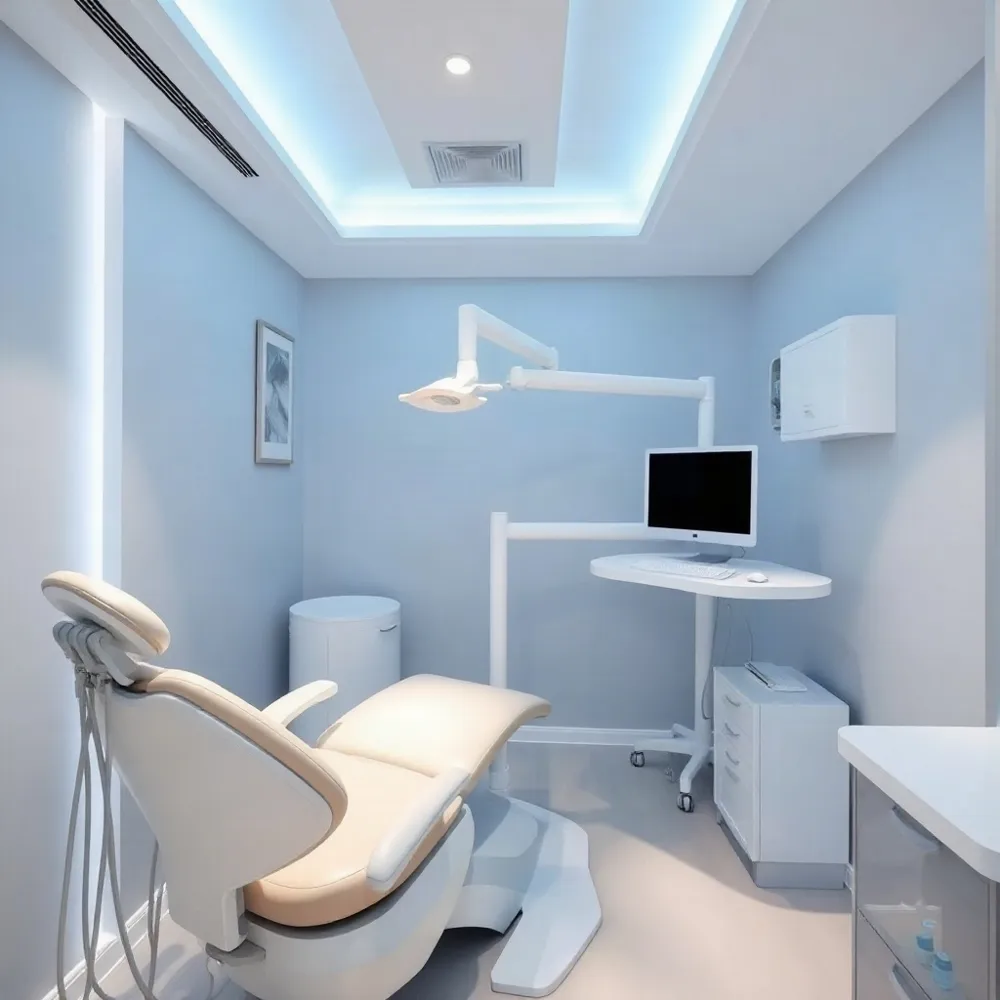
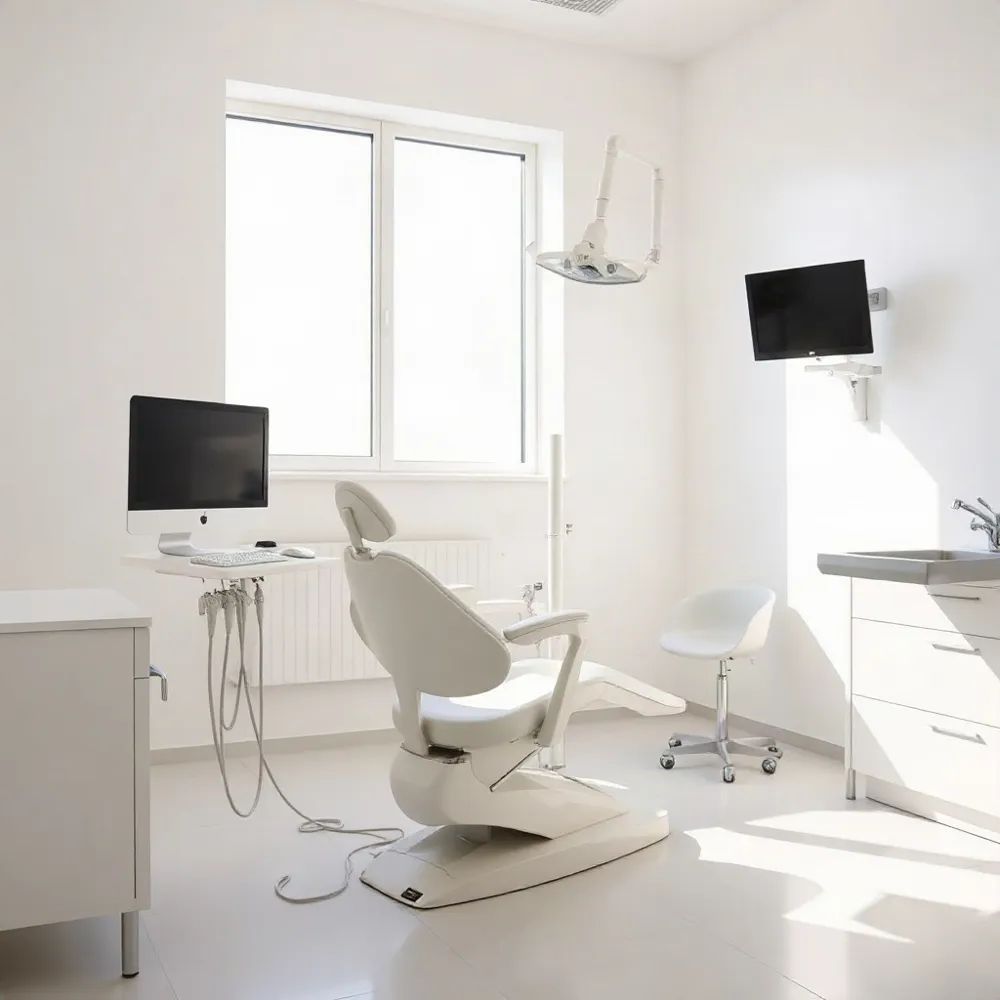
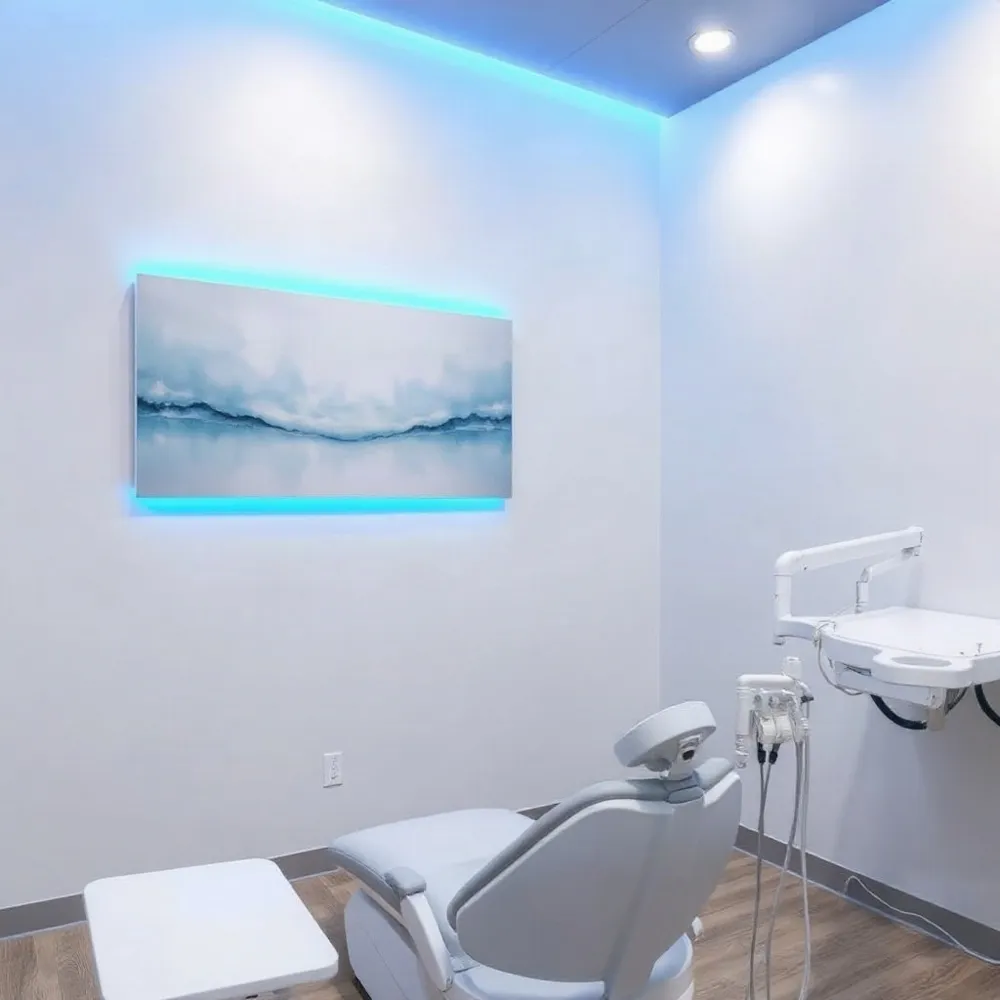
Your comfort during treatment often depends on the physical environment. Notice if the waiting area is clean and calming, if the treatment rooms are organized, and if the staff appears attentive and friendly. A practice that invests in a comfortable atmosphere demonstrates genuine care for patient experience, which can significantly reduce anxiety for both adults and children.
For those seeking a dentist in Midland, TX, finding a practice that prioritizes a welcoming environment is key. According to the ADA's MouthHealthy resource, the right dentist will make you feel at ease from the first call to the final check-up. Similarly, the Delta Dental guide emphasizes that you should trust your instincts about whether the office feels like a good fit for your family.
Trusting Your First Visit Experience
Pay attention to office cleanliness and atmosphere. These details matter because they reflect the practice's overall standards. A tidy, organized office with friendly staff suggests a commitment to hygiene and patient care. Conversely, if you notice unpleasant odors, unprofessional behavior, or rushed explanations, these are red flags worth heeding.
Reading patient reviews can also offer valuable insights into what you can expect. Look for patterns in feedback about the dentist's chairside manner, wait times, and how well the team communicates. A dentist with consistently positive reviews is more likely to provide a satisfying experience.
Making the Final Decision
Choosing a dentist involves more than just credentials; it's about finding someone who respects your concerns and aligns with your family's values. By preparing questions, observing the environment, and trusting your first impressions, you can confidently select a dental home that will support your family's oral health for years to come.
| What to Look For | Why It Matters | Red Flags to Avoid |
|---|---|---|
| Clear communication | Ensures you understand procedures and options | Vague or rushed explanations |
| Comfortable office | Reduces anxiety, promotes relaxation | Unclean or disorganized space |
| Patient-centered approach | Tailors care to your needs | One-size-fits-all treatment plans |
| Positive reviews | Indicates reliable, quality care | Repeated complaints about wait times or staff |
Apply the 80/20 Rule to Your Choice
 In dentistry, the 80/20 rule appears in an unexpected place: your own daily habits versus the time you spend in the dental chair. For most people, the dentist's office accounts for only a tiny fraction of their year, while eating, brushing, flossing, and all the other choices happen every single day. This split shifts most of the oral health responsibility onto you, the patient, rather than on the dentist who sees you for a few hours annually. Understanding this balance helps you see why a partner who listens matters more than one who merely performs procedures.
The "80/20 rule" in dentistry usually describes a specific clinical pattern: about 80% of decay and gum disease occurs in roughly 20% of a practice's patients. In that framing, the patients who experience the most severe problems are the ones who carry the heaviest burden of daily prevention. But the same principle applies to every smile. The professional care you receive during a checkup is just the foundation; the real results come from what you do between visits. For example, when you choose a family dentist in Midland, TX, you are also choosing the standard for what gets reinforced during each cleaning and exam.
When you pair this idea with the practical challenge of finding the right dental professional, the 80/20 rule becomes a useful lens. The 20% of effort that goes into selecting a dentist who communicates well and respects your concerns influences the 80% of outcomes that happen at home. A dentist who listens carefully is more likely to explain the "why" behind a recommended treatment, which makes you more confident and consistent with your own care routine. That is why communication quality is one of the first things to look for when you evaluate a practice.
How Your Daily Habits Shape the 80/20 Balance
Research supports the idea that the dentist-patient conversation is not just a nice extra. A 2024 review in the Journal of Clinical Medicine found that effective dentist-patient communication directly correlates with better oral health outcomes, higher patient satisfaction, and greater adherence to treatment plans. In practice, this means that a dentist who takes time to listen helps you turn professional recommendations into daily habits you actually keep. When you feel heard, you are more likely to share your concerns about anxiety, cost, or time, and that openness leads to more realistic, sustainable care.
Consider what happens when communication breaks down. A patient who feels rushed or judged may skip a recommended filling, avoid a needed root canal, or neglect to mention that they grind their teeth at night. Over time, these small decisions compound, and the 80% of oral health problems that fall on a minority of patients become more likely. On the flip side, a dentist who asks thoughtful questions and genuinely listens helps you catch small issues before they become large, painful, and expensive ones. That is exactly why the question of how to choose a dentist matters: the right fit is the one where you feel comfortable enough to be honest.
Your own responsibility in this partnership is straightforward. Brush twice a day, floss daily, limit sugary snacks, and keep your six-month checkups. But the second half of that responsibility belongs to the practice you choose. A dentist who educates rather than lectures, who explains procedures rather than simply performing them, and who respects your time and budget is the one who truly carries the 20% of effort that unlocks the 80% of results. When you find that balance, the 80/20 rule stops being a statistic and becomes a daily reality.
Your Path to a Healthier Smile Starts Now
Choosing the right dentist is a personal decision that shapes your family's oral health for years. The effort you invest in evaluating credentials, communication style, and office environment pays off in a partnership built on trust and understanding.
Take your time and trust your instincts. A dentist who listens attentively, explains treatment options clearly, and respects your concerns is a true partner in your care. Practices like Ashley Burns, DDS, which prioritize patient-centered communication and modern technology, demonstrate the lasting value of this approach.
Begin your search today by scheduling a consultation or first visit. A strong patient-dentist relationship starts with that first conversation.