A Welcoming Start for Every Family Member
For families in Midland, Texas, choosing a dentist is about more than cleanings and fillings. It is about finding a partner who understands the unique needs of every family member, from a child's first visit to a grandparent's restorative care. A true dental home provides comprehensive, patient-centered care for all ages under one roof, building a foundation of trust that supports long-term oral health.
In a growing community like Midland, accessible family dentistry that combines professional expertise with a warm, welcoming environment is essential. Dr. Ashley E. Burns, DDS and her team focus on creating that experience — where patients feel respected, listened to, and cared for like family. Whether you need routine preventive care, cosmetic treatments, or emergency services, a practice that treats your entire family together offers convenience, consistency, and peace of mind.
What Makes a True Dental Home
 A dental home is more than a place where patients receive treatment. It is an ongoing, comprehensive relationship between a patient and their dental team, built on trust, consistent care, and a deep understanding of each family member's unique needs. The American Academy of Pediatric Dentistry defines a dental home as an approach that focuses on all aspects of oral health, from prevention to treatment, within a familiar and supportive environment.
The AAPD recommends establishing a dental home by a child's first birthday, or within six months of the first tooth erupting. This early start allows the dentist to monitor development, provide age-appropriate preventive care, and educate parents on healthy habits before problems develop. Building that foundation early creates a cycle of positive experiences that leads to better lifelong oral health.
Benefits of a Coordinated Dental Home
When a family chooses a single practice as their dental home, every member receives care that is coordinated, family-centered, and continuously accessible. Instead of juggling separate appointments at different offices, the same team manages everyone's treatment plans, knows each patient's history, and works together to catch issues early. This continuity builds trust and makes visits less stressful, especially for children and patients with dental anxiety.
Fragmented care across multiple providers often leads to inconsistent communication, duplicated data, and gaps in prevention. A dental home eliminates those gaps by keeping all records, recommendations, and follow-ups under one roof. Dr. Ashley Burns and her team, serving families ashleyburnsdds.com, apply this model to ensure patients feel known rather than seen as just an appointment.
Complete Care for Every Age and Stage
A well-equipped family dental practice serves as a single destination for every member of the household, from toddlers to seniors. Instead of coordinating separate appointments across multiple offices, families can receive a full spectrum of care under one roof. This approach simplifies scheduling and allows the dental team to track each patient's oral health history over time.
Routine and Restorative Services
Preventive care forms the foundation of family dentistry. Standard services include professional cleanings, comprehensive exams, and digital X-rays to detect hidden problems early. Fluoride treatments and dental sealants offer added protection against cavities, especially for children whose permanent molars are emerging. When issues arise, restorative options such as tooth-colored fillings, custom crowns, and durable bridges repair damage and restore function. Root canal therapy addresses infected or injured teeth, while routine and surgical extractions, including wisdom tooth removal, are also available.
Pediatric and Orthodontic Care
Children benefit from early and consistent dental attention. The American Dental Association recommends a child's first visit within six months of the first tooth erupting or by their first birthday. For specialized needs, a pedodontist (pediatric dentist) brings an additional two to three years of training focused on child development and behavior management. Many family practices offer pediatric cleanings, exams, fluoride applications, sealants, and cavity fillings in a kid-friendly atmosphere. As children grow, orthodontic evaluations become important. Options such as traditional braces and clear aligners correct misalignment and bite issues, often with flexible financing plans available to manage costs.
Cosmetic and Emergency Services
Beyond health, family dentistry addresses aesthetic goals. Cosmetic treatments like professional teeth whitening, porcelain veneers, and Invisalign clear aligners help patients achieve the smile they desire. For urgent situations, same-day emergency appointments are a standard offering in many Midland practices. Walk-ins and weekend hours accommodate unexpected toothaches, broken restorations, or dental trauma, providing peace of mind for busy families.
A comprehensive family practice like Ashley E. Burns, DDS in Midland, Texas, delivers this full range of services from preventive cleanings to advanced restorative care, all designed to support long-term oral health for every age and stage of life.
Smart Tips for Maintaining Healthy Smiles at Home
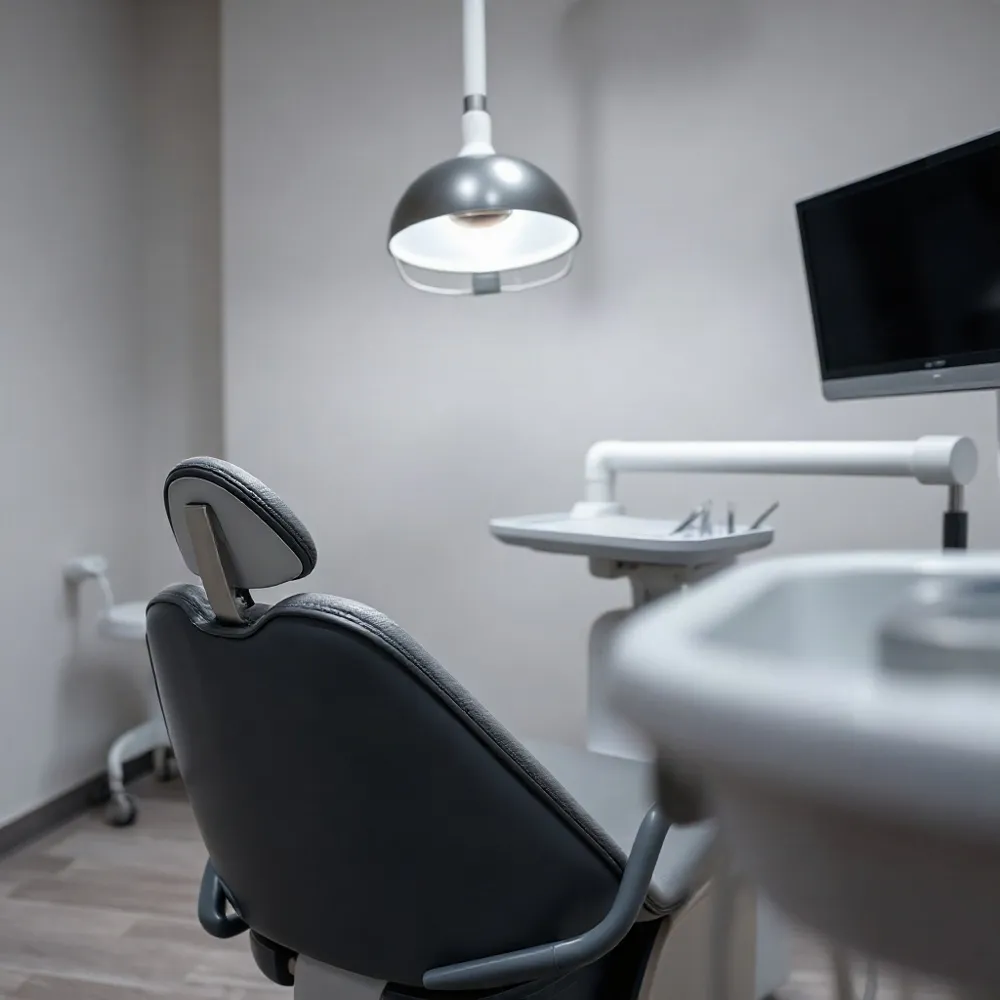 A consistent home routine forms the foundation of long-term oral health. The American Dental Association recommends visiting your dentist every six months for regular dental cleanings and exams, but what happens between those visits is equally important for preventing cavities and gum disease.
The 3-3-3 Rule for Daily Hygiene
One simple method to build a strong habit is the 3-3-3 rule. Brush three times a day, for at least three minutes each session, and wait three minutes after eating before you brush. This waiting period allows your mouth's natural acids to neutralize, protecting your enamel from the abrasive action of brushing while acids are active.
The foundation of any home routine includes brushing twice daily with a fluoride toothpaste and flossing once a day. Dr. Ashley Burns and her team at ashleyburnsdds.com recommend using a soft-bristle toothbrush and proper circular motions. Flossing removes plaque and food particles between teeth and under the gumline, reaching areas a toothbrush cannot.
Pediatric Oral Care Tips
Good oral hygiene begins before the first tooth arrives. Start by wiping an infant's gums with a soft, clean cloth twice a day. Once the first tooth appears, use a smear of fluoride toothpaste. For children aged 3 to 6, switch to a pea-sized amount, and introduce flossing once their teeth start to touch.
Parents should supervise or help with brushing until children develop good brushing skills, usually around age 6, to ensure a thorough clean. To make the routine fun, let your child pick out their own toothbrush and toothpaste flavor, or play a favorite two-minute song during brushing. Positive reinforcement helps turn a chore into a habit.
Consistency and Professional Care
Regular six-month visits remain the standard for check-ups and cleanings. Patients who perform thorough home care between appointments often find their check-ups quicker and more comfortable. When both home routines and professional cleanings work together, the result is fewer cavities and healthier gums for the whole family.
| Age Group | Care Focus | Home Routine Tip |
|---|---|---|
| Infant (0-1 year) | Gum cleaning | Wipe gums with soft cloth twice a day |
| Toddler (1-3 years) | First tooth care | Smear of fluoride toothpaste, supervised brushing |
| Child (3-6 years) | Building habits | Pea-sized paste, flossing when teeth touch |
| Child (6+ years) | Independent brushing | Supervise technique until age 6 |
Guidance for Common Dental Emergencies
Dental emergencies can happen at any time. Knowing how to respond quickly can reduce pain, prevent further damage, and improve the chances of saving a tooth.
Recognizing Common Emergencies
Common situations include severe toothaches, badly cracked or knocked-out teeth, partially dislodged (extruded) teeth, dental abscesses causing facial swelling, and lost or broken fillings and crowns. Soft tissue injuries to the lips, gums, or cheeks also require prompt care.
Immediate First-Aid Steps
For a severe toothache, rinse your mouth with warm water and use dental floss to gently remove any trapped food. Never place aspirin directly on your gums — it can burn the tissue. If a tooth is knocked out, hold it by the crown (not the root), rinse it gently, and try to place it back in the socket. If that is not possible, store it in milk or a tooth-preservation product and see your dentist immediately.
When to Call Your Dentist vs. the ER
Your first call should always be to your family dentist. Many practices, including Ashley E. Burns, DDS, offer an after-hours emergency number. If you cannot reach a dentist, or if the injury involves broken facial bones, large lacerations, or uncontrolled bleeding, visit an urgent care center or the nearest emergency room for treatment. The ER team can stabilize you and manage the injury until you can follow up with your dentist.
For more specific guidance on managing a knocked-out tooth, handling a severe toothache while traveling, or knowing what qualifies as a true dental emergency, refer to the related guides: Guidance for Common Dental Emergencies, How to Handle a Dental Emergency When Traveling, and Five Signs You Should Schedule a Dental Checkup Immediately.
Making Quality Dentistry Accessible and Affordable
 The cost of dental care is a common concern, but many Midland families do not realize how many paths exist to make quality treatment affordable. From in-house savings plans to community programs, there are options designed to fit nearly every budget.
Dental Savings Plans and Payment Options
Many dental practices offer their own dental savings plans — an annual membership that includes routine exams, cleanings, and X-rays for a flat fee, with discounts on other procedures. These plans can be a good alternative for families without traditional insurance. Payment plans that spread the cost of larger treatments over several months are also widely available.
For patients who need help managing costs, CareCredit financing offers a way to pay for dental work in monthly installments. CareCredit credit card holders can use the card to pay for care and then make payments over time. Some practices also offer financing through programs like Sunbit, with applications that take about 60 seconds.
Community Clinics and Nonprofit Programs
Federally Qualified Health Centers and community health clinics often provide dental services on a sliding-scale fee based on income. Nonprofit events like Mission of Mercy and organizations such as Dental Lifeline Network offer free or low-cost care for those who qualify. These resources can be a lifeline for families facing significant financial barriers.
Government Assistance and Insurance Options
Government programs help cover dental care for eligible children and families. Medicaid and CHIP (Children's Health Insurance Program) provide comprehensive dental benefits for children in low-income households. Adults may also qualify for limited emergency dental coverage through Medicaid in some states. For those seeking private coverage, the Health Insurance Marketplace offers affordable dental plans during open enrollment periods.
Talk to Your Dentist
The single most effective step a family can take is to speak openly with their dental provider about financial concerns. Many Midland dentists are willing to work with patients to find a solution, whether through adjusted payment schedules, alternative treatment plans, or guidance on available assistance programs. At ashleyburnsdds.com, the team encourages patients to bring up any cost worries during the first visit so they can explore options together.
| Option | How It Works | Best For |
|---|---|---|
| Dental Savings Plans | Annual membership fee covers routine care; discounts on other services | Families without insurance |
| CareCredit / Sunbit Financing | Monthly payment plans with quick application | Patients needing to spread out large costs |
| Community Health Clinics | Sliding-scale fees based on income | Low-income families and individuals |
| Medicaid / CHIP | Government coverage for eligible children and some adults | Qualifying low-income households |
Your Family’s Smile Starts Here
Choosing a dental home is one of the most important decisions a family can make for their long-term well-being. A practice that combines comprehensive care with a patient-centered philosophy allows every member of the household to feel at ease and receive the treatment they need.
Dr. Ashley Burns and her team in Midland are dedicated to providing that foundation. From the first visit, the focus is on building a trusting relationship that supports healthy smiles for years to come. The practice welcomes new patients and offers flexible scheduling to fit busy family lives.
Take the first step toward a lifetime of healthy smiles by scheduling your family’s appointment today. A warm, professional team is ready to partner with you in caring for your family’s oral health.