Why Transparency Matters
Transparent, jargon‑free communication is the foundation of patient trust in dental care. When dentists explain diagnoses, treatment options, and costs in plain language and support explanations with visual aids, patients feel informed and confident, reducing anxiety and increasing willingness to follow care plans. Open dialogue encourages questions, reinforces the perception that the dentist acts in the patient’s best interest, and builds a lasting therapeutic relationship. This trust translates directly into practice growth: satisfied patients return for regular check‑ups, refer friends and family, and post positive online reviews. Practices that consistently demonstrate transparency enjoy higher retention rates, stronger brand reputation, and a competitive edge in a market where 70 % of U.S. patients cite clear communication as a deciding factor.
Five Principles of Effective Communication
-
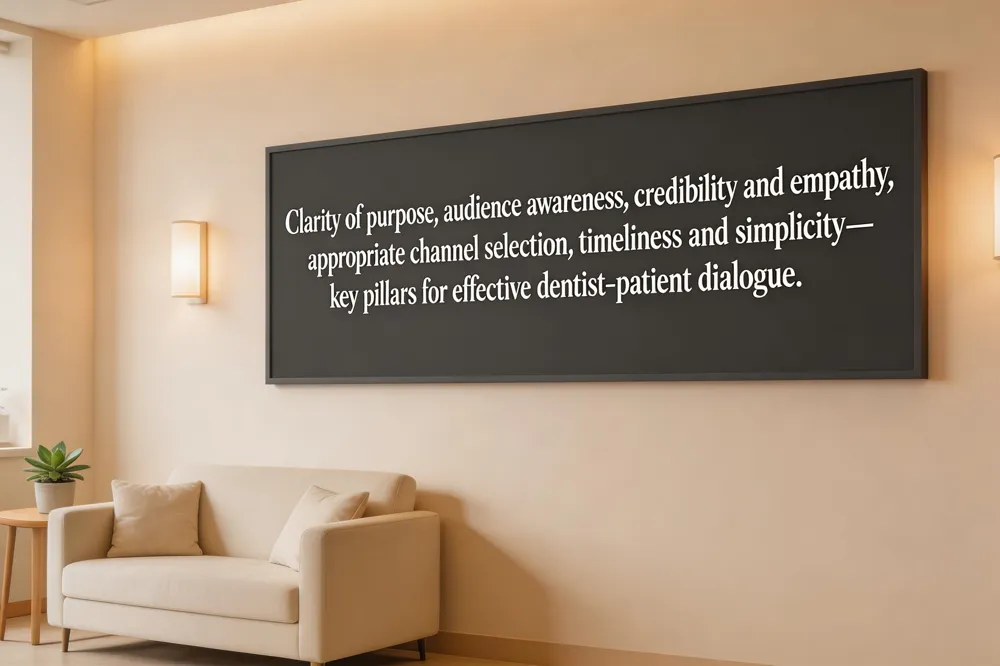
Clarity of purpose – Begin every interaction by stating the goal (e.g., explaining a treatment plan) so patients know why you’re speaking and what actions are required.
-
Audience awareness – Tailor language, tone, and detail to each patient’s health literacy, cultural background, and preferred communication channel; plain, jargon‑free language improves comprehension by up to 30% (JADA study).
-
Credibility and empathy – Combine professional expertise with genuine concern. Active listening, empathetic non‑verbal cues, and honest discussion of risks build trust and reduce anxiety Armfield et al., 2017.
-
Appropriate channel selection – Use the medium that best fits the message—face‑to‑face for complex procedures, secure portals for follow‑up, or SMS reminders for appointments—to ensure timely, accurate information.
-
Timeliness and simplicity – Deliver concise information promptly, supported by visual aids (infographics, intra‑oral images) that increase patient understanding by ~40% (Dental Communication Dos & Don'ts).
Building Trust with Dental Patients
 Spending undistracted time with each patient shows that the dentist values their concerns and helps gather a complete health history. Active listening and genuine empathy—nodding, paraphrasing, and validating feelings—reduce dental anxiety and encourage open dialogue. A warm, personable atmosphere, reinforced by friendly greetings, humor, and consistent eye contact, makes patients feel comfortable sharing personal information.
Plain‑language explanations of diagnoses, treatment options, and potential risks are essential. Using visual aids such as intra‑oral photos, diagrams, or 3‑D models translates complex concepts into understandable terms, while written handouts or digital summaries reinforce learning. Transparent communication about fees, insurance coverage, and appointment scheduling eliminates surprise bills and builds credibility. Patients appreciate clear, honest updates on any changes to their care plan and are more likely to ask questions when they sense openness.
A team‑wide, patient‑centered philosophy ensures that every staff member—from front‑desk receptionist to hygienist—delivers the same consistent message. Regular post‑visit surveys and follow‑up calls demonstrate that the practice values patient input and continuously strives to improve.
How to build trust with dental patients? Spend ample, undistracted time, listen actively, create a friendly atmosphere, explain everything in plain language, keep fee and appointment information transparent, and align the whole team around patient‑centered care.
How to communicate with patients as a dentist? Begin with active listening, use jargon‑free language supported by visual aids, show empathy through body language, discuss costs openly, tailor the channel to patient preferences, and follow up after each visit.
Why is communication important in dental hygiene? It builds trust, empowers patients to follow preventive recommendations, reduces anxiety, and promotes long‑term adherence to oral‑health regimens, ultimately improving overall care quality.
Types of Communication in Dentistry
 In dentistry, communication occurs through several distinct channels that together support patient care and teamwork. Verbal communication involves spoken words between the clinician, patient, and staff, allowing explanations of diagnosis, treatment options, and instructions. Non‑verbal cues such as facial expressions, eye contact, posture, and gestures convey empathy, build trust, and can signal patient anxiety or understanding. Written communication includes consent forms, treatment plans, instructions, and electronic messages, ensuring that information is recorded and can be reviewed later. Visual aids and digital media—diagrams, intra‑oral photographs, radiographs, 3‑D models, videos, and interactive animations—illustrate procedures, clarify expectations, and enhance patient comprehension, leading to higher satisfaction and adherence.
Non‑Verbal Communication in Dentistry
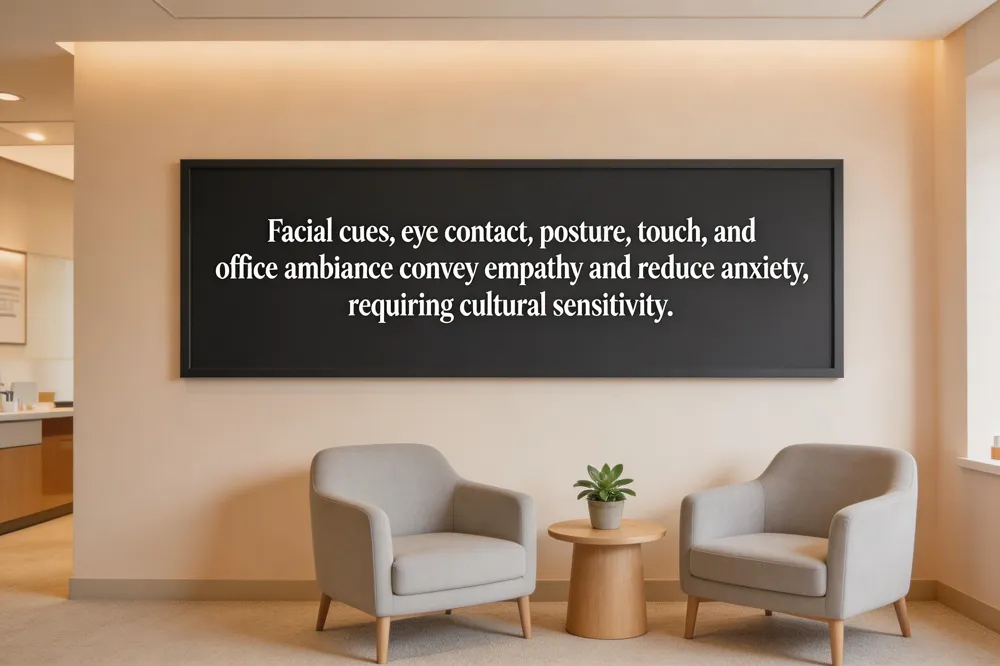 Non‑verbal communication (NVC) is a cornerstone of dental care, conveying emotions, trust and reassurance faster than words. Dentists and staff read patients’ facial expressions, eye contact, posture and breathing to gauge fear, pain or discomfort, and they use calm tone, gentle touch and open body language to reduce anxiety. The office environment—cleanliness, soft lighting, soothing décor and the way staff greet patients—delivers powerful non‑verbal cues that shape first impressions and confidence in treatment. Cultural differences affect how gestures such as eye contact or personal space are interpreted, so clinicians must adapt their NVC style to each patient’s background. By consciously aligning spoken explanations with consistent body language, dentists build stronger rapport, improve compliance and enhance overall treatment outcomes.
Dentist‑Patient Communication for Quality Care
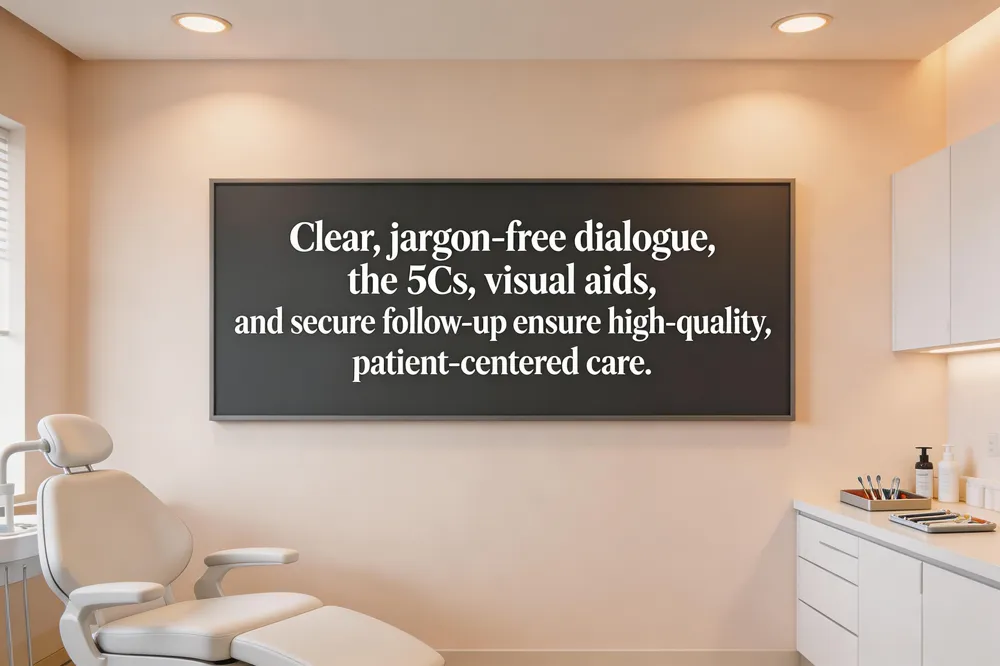 An overview of dentist‑patient communication in quality dental care
Transparent, jargon‑free dialogue is the cornerstone of high‑quality dental care. Clear explanations of diagnoses, procedures, risks and costs build trust, lower anxiety, and increase treatment adherence. Barriers such as time pressure, language differences, low health literacy and insufficient staff training can erode this trust. A patient‑centered approach—using plain language, active listening, open‑ended questions and empathetic non‑verbal cues—helps overcome these obstacles and fosters collaborative decision‑making.
Strategies for effective dentist‑patient communication: a literature review
Research highlights the 5 Cs (clarity, correctness, conciseness, completeness, cohesiveness) as essential. Dentists should supplement verbal explanations with visual aids (intra‑oral images, 3‑D models, videos) and provide written summaries or digital portal access. Empathy, eye contact, and a calm demeanor reduce dental anxiety, while secure messaging and follow‑up calls reinforce the therapeutic relationship and improve adherence.
Patient communication in dentistry
Active listening, teach‑back verification, and respect for cultural preferences create a confirming communication climate. Transparent discussion of costs and financing options prevents surprise billing and strengthens loyalty. Consistent application of these ‘soft‑skill’ practices across the entire dental team cultivates a positive practice culture, higher patient satisfaction, and long‑term retention.
Communication Skills, Rules of Thumb, and Training
 Effective communication is the cornerstone of a trustworthy dental practice. When dentists and hygienists speak in plain, jargon‑free language, maintain eye contact, and actively listen, patients feel heard, anxiety drops, and treatment adherence rises. Transparent explanations of procedures, risks, and costs—supported by visual aids such as intra‑oral photos or infographics—boost confidence and encourage regular check‑ups.
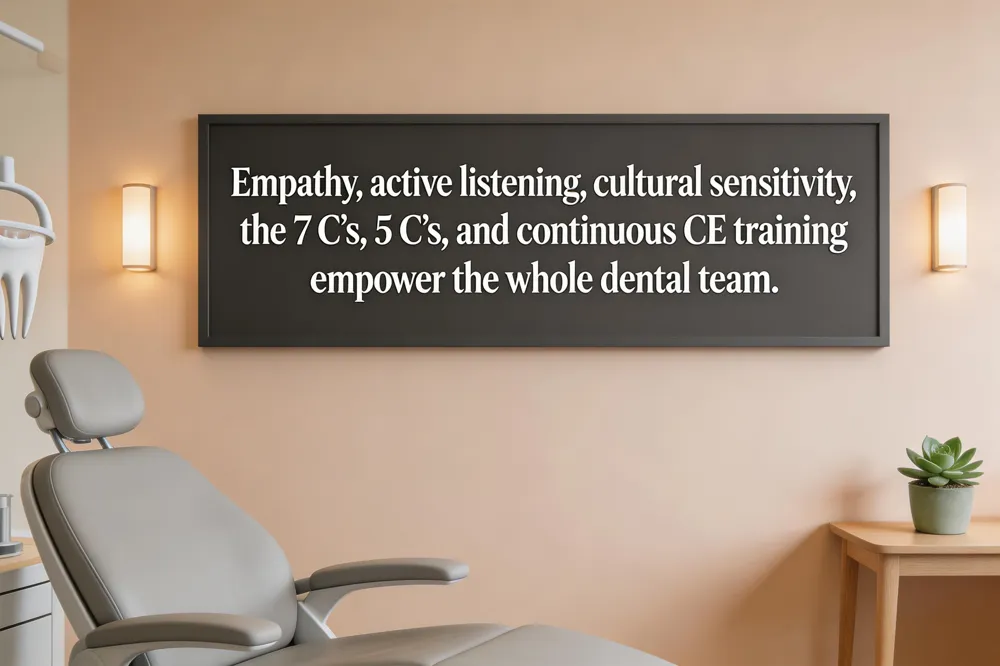
Core communication competencies include empathy, active listening, cultural sensitivity, and the ability to tailor messages to each patient’s health‑literacy level. A unified team approach ensures consistent messaging from front‑desk staff to clinicians, reinforcing trust.
The 7 C’s of clear communication are Clear, Concise, Concrete, Correct, Coherent, Complete, and Courteous. Applying these principles helps patients quickly grasp treatment plans and reduces misunderstandings.
The 5 C’s of communication (Clarity, Conciseness, Crecentness, Correctness, Completeness) overlap with the 7 C’s and serve as a quick checklist for every patient interaction.
Myths about the 3‑3‑3 rule persist, but evidence‑based guidelines recommend brushing twice daily for two minutes, daily flossing, and regular professional cleanings. Over‑brushing or unnecessary medication schedules can damage enamel or cause side effects.
Dental hygienist vs. dentist skill sets: Hygienists focus on patient education, oral‑health coaching, and empathetic dialogue during cleanings, while dentists must master informed‑consent discussions, risk‑benefit explanations, and shared decision‑making.
Training resources: Numerous continuing‑education courses (AGD, ADA) and PDFs—such as the “Communication in Dentistry” guide—cover the 5 C’s, active‑listening techniques, and visual‑aid integration. Online webinars, role‑playing workshops, and AI‑driven chat‑bot simulations provide flexible, evidence‑based training for the whole dental team.
Resources, Courses, and Practical Tips
 PDF Guides and Cheat‑Sheets
A concise "Communication in Dentistry" PDF serves as a quick reference for dentists and staff, summarizing the 5 C’s (clarity, correctness, conciseness, completeness, cohesiveness) and the 7 C’s of patient‑centered dialogue. It includes visual‑aid templates, sample consent forms, and a checklist for non‑verbal cues, helping teams reduce anxiety and improve treatment acceptance.
PDF Guides and Cheat‑Sheets
A concise "Communication in Dentistry" PDF serves as a quick reference for dentists and staff, summarizing the 5 C’s (clarity, correctness, conciseness, completeness, cohesiveness) and the 7 C’s of patient‑centered dialogue. It includes visual‑aid templates, sample consent forms, and a checklist for non‑verbal cues, helping teams reduce anxiety and improve treatment acceptance.
Continuing‑Education Communication Courses Dental communication courses teach guided‑conversation techniques that enable clinicians and staff to deliver clear, compassionate explanations of treatment plans. Programs typically cover script barriers, sample dialogues for new‑patient calls, and a four‑step framework for sensitive topics, offering CE credit through the ADA or AGD. Graduates report higher case‑acceptance rates and stronger team cohesion.
Quick Reference Rules (3‑3‑3, 7 C’s, 5 C’s)
- 3‑3‑3: Three key points, three questions, three follow‑up actions.
- 7 C’s: Clear, concise, concrete, correct, complete, courteous, credible.
- 5 C’s: Clarity, correctness, conciseness, completeness, cohesiveness. These mnemonics keep daily conversations focused and trustworthy.
Implementing Transparent Communication Daily Integrate visual aids, plain‑language scripts, and secure patient portals into every visit. Conduct brief huddles to align the team on the day’s treatment plans, and use post‑visit surveys to refine messages continuously.
Dental communication course A dental communication course teaches guided‑conversation techniques that help clinicians and staff deliver clear, compassionate explanations of treatment plans, improving patient understanding and acceptance. It covers common obstacles, provides sample dialogues for new‑patient calls, and introduces a four‑step framework for handling sensitive topics. CE credit is often available from the ADA or AGD, and training is designed for dentists, hygienists, assistants, office managers, and students.
Communication in dentistry PDF The "Communication in Dentistry" PDF is a concise guide that outlines essential soft‑skill fundamentals—friendliness, empathy, efficiency, control, options, and clear information—while emphasizing personalized, channel‑specific outreach and cultural awareness. It equips practices with practical tools to empower patients, reduce anxiety, and boost retention.
Putting Transparency Into Practice
Daily communication check‑ins keep the dental team aligned and visible before each appointment. A brief huddle or digital status board lets clinicians, hygienists, and front‑desk staff share schedule changes, patient concerns, and safety updates, reducing errors and reinforcing openness. After each visit, practices gather patient feedback through short surveys, follow‑up calls, or portal messages; the data are reviewed weekly and turned into actionable adjustments such as clarifying cost explanations or enhancing visual aids. Continuous staff training reinforces these habits—regular workshops on plain‑language storytelling, empathetic listening, and the latest visual‑communication tools ensure every team member can convey information clearly. By embedding check‑ins, feedback loops, and ongoing education, transparency becomes a habit that builds trust, lowers anxiety, and drives higher case acceptance.