More Than a Smile Makeover
Full mouth rehabilitation is a comprehensive dental treatment that restores function, health, and appearance across all teeth and supporting structures. It addresses worn or missing teeth, bite collapse, and jaw discomfort through a coordinated interdisciplinary plan.
For patients with significant tooth wear, missing teeth, or jaw issues, this approach can be life-changing. This article explores what full mouth rehabilitation is, who needs it, the process involved, and how it restores both function and confidence.
Defining Full Mouth Rehabilitation
 Full mouth rehabilitation is a comprehensive dental treatment that restores or rebuilds all or nearly all of the teeth in both the upper and lower jaws. Unlike a single filling or crown, this approach treats the entire bite as a connected system. It corrects how the teeth fit together, how they function, and how they look, combining multiple procedures under one coordinated plan.
The treatment integrates expertise from several dental specialties, including restorative dentistry, prosthodontics, periodontics, endodontics, and orthodontics. This interdisciplinary collaboration is essential for addressing complex oral health challenges. The primary goals are to restore proper occlusion (bite), maintain the correct vertical dimension of the face, ensure harmony of the temporomandibular joint (TMJ), and achieve a natural, aesthetic result.
It is important to distinguish full mouth rehabilitation from a cosmetic smile makeover. While a makeover focuses primarily on appearance, rehabilitation starts with function. The dentist's main concern is rebuilding a stable, healthy bite where the jaw joints, muscles, and teeth work together without strain. An improved appearance is a welcome and often dramatic byproduct of this functional approach. At ashleyburnsdds.com, the treatment plans are built around this principle, using advanced digital diagnostics to ensure every restoration fits precisely within the patient's unique bite system.
Rehabilitation may include a range of techniques such as crowns, bridges, veneers, dental implants, and sometimes orthodontic treatment or gum therapy. The process is carried out in carefully sequenced stages, often starting with foundation work like treating gum disease or extracting unsalvageable teeth. This phased approach protects the teeth from further structure loss while establishing a harmonious occlusion that can last for decades.
Who Needs Full Mouth Rehabilitation?
 Severe tooth wear is the most common reason patients need full mouth rehabilitation. Years of bruxism (teeth grinding) or acid erosion from conditions like GERD can wear down enamel, shortening teeth and collapsing the natural bite height. As a result, the lower face can appear shorter, deeper wrinkles form around the mouth, and the jaw can feel like it closes too far.
When Is Full Mouth Rehabilitation Recommended?
Severe Tooth Wear. Chronic grinding or acid erosion destroys the biting surfaces. The loss of vertical dimension alters facial appearance and can trigger jaw pain or TMJ disorders.
Multiple Missing or Damaged Teeth. Patients with several missing, broken, or cracked teeth need a coordinated plan. A piecemeal approach invites shifting teeth, bite collapse, and further bone loss.
Failed Restorations. Repeated fractures or failures of existing crowns, bridges, or fillings signal underlying structural problems. Rebuilding with durable materials like zirconia or lithium disilicate offers better longevity.
TMJ Disorders from Misaligned Bite. A bite that is off can stress jaw joints, leading to chronic pain and headaches. Restoring proper occlusion relieves this strain.
Developmental Conditions. Rare conditions such as Ectodermal Dysplasia or Dentinogenesis Imperfecta cause malformed or missing teeth, requiring a full rehabilitation to establish function and aesthetics.
Advanced Gum Disease. Periodontal disease that has loosened multiple teeth or caused bone loss often necessitates a comprehensive approach combining gum therapy, extractions, and implants.
Trauma or Injury. Accidents that damage several teeth at once are ideal candidates. Full mouth rehabilitation can address chipped, fractured, or knocked-out teeth in a single coordinated plan.
Full mouth rehabilitation is also appropriate for children with extensive decay, premature tooth loss, or malocclusion that threatens normal development. The team at Ashley E. Burns, DDS uses advanced digital diagnostics, including CBCT 3D imaging, to evaluate bone levels, bite relationships, and tooth position before creating a personalized treatment plan. Treatment is sequenced in stages, often one section of the mouth at a time, with temporary restorations protecting teeth between appointments and allowing a trial period for the jaw to adapt.
If you recognize any of these signs in yourself or a family member, a comprehensive evaluation is the first step. Addressing the problem early can prevent further damage, reduce pain, and restore both function and confidence.
The Comprehensive Treatment Process
Full mouth rehabilitation is not a single appointment procedure. A typical full mouth rehabilitation timeline spans several months and, for complex cases involving implants or bone grafting, can extend beyond a year. At Ashley E. Burns, DDS, every case begins with a comprehensive consultation to map out a personalized schedule.
Stage 1: Diagnosis and Planning
The process opens with an exhaustive examination. The dentist evaluates teeth, gums, jaw joints, and bite alignment using X-rays, digital scans, and often a CT scan to assess bone levels. When a patient has lost significant vertical dimension from years of tooth wear, a critical step is determining the correct bite height.
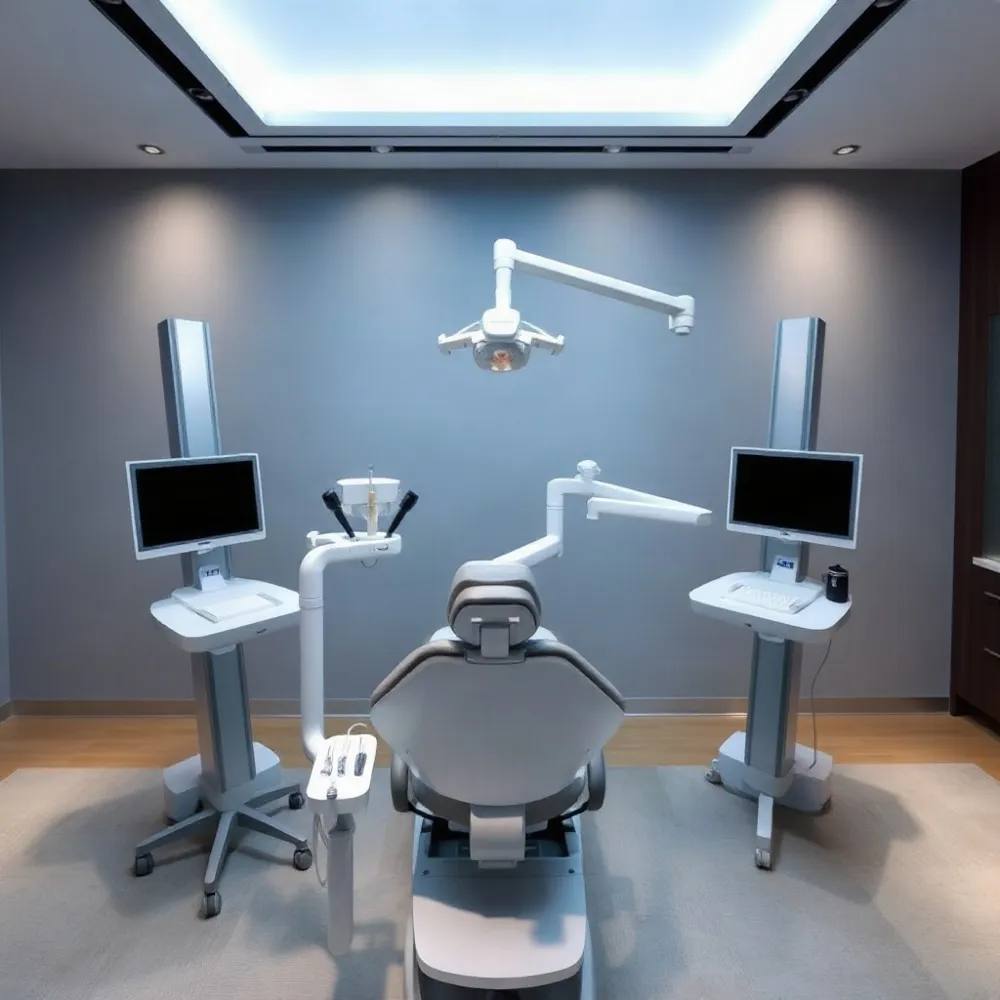
Advanced Diagnostics. CBCT 3D imaging, digital impressions, and intraoral cameras create a complete digital model of the mouth. These tools allow the dentist to visualize the final result before any treatment begins and to 3D-print surgical guides for precise implant placement later in the process.
Bite Analysis. The dentist measures the resting jaw position, evaluates the space between teeth when the face is relaxed, and listens to how the patient pronounces certain sounds. Diagnostic wax-ups (physical or digital) let the patient preview the planned bite height and give feedback before any permanent changes are made.
Stage 2: Phased Treatment
Rehabilitation unfolds in carefully sequenced phases. The first phase addresses foundational issues such as gum disease, tooth extractions, and bone grafting. The second phase places dental implants or performs root canals. The final phase delivers the permanent restorations — crowns, bridges, or implant-supported prosthetics.
For patients whose treatment plan includes dental implants, the surgical phase involves placing four to six implants per arch at precise angles. A temporary fixed bridge is often attached the same day so the patient has functional teeth during the two- to six-month osseointegration period when bone grows around each implant.
Materials and Temporary Restorations
Modern restorations are fabricated from high-strength ceramics. Zirconia is the most common material for full mouth restorations due to its hardness and stain resistance; it is milled from a single block, making it less prone to chipping than traditional layered porcelain. Lithium disilicate is often chosen for front teeth where translucency is a priority. High-noble metal alloys may be used for implant-supported bridge frameworks.
Temporary restorations protect prepared teeth between appointments and serve a vital diagnostic function. They allow the patient to trial the new bite height for at least six weeks, giving the jaw muscles and joints time to adapt before the permanent restorations are placed. Work is done in stages, one section of the mouth at a time, to maintain function throughout the process. The full treatment timeline from initial surgery to final restoration typically spans six to eight months, with checkups every four to six weeks.
Restoring Function and Confidence
Full mouth rehabilitation transforms how a smile works. By rebuilding worn, broken, or missing teeth to their ideal shape and position, the treatment allows patients to chew food comfortably and efficiently, supporting better digestion and nutrition.
Reestablishing proper bite alignment is a central goal. When the bite is off, jaw joints and muscles are forced into unnatural positions, often triggering TMJ pain, headaches, and facial tension. Correcting the occlusal relationship relieves that strain and lets the entire musculoskeletal system function with greater ease.
Correct tooth positioning also improves speech clarity. Gaps, worn surfaces, or missing teeth can alter the way air and the tongue shape sounds; restoring the natural contours of the dental arches often resolves subtle articulatory problems patients may not have realized were affecting them.
Systemic health benefits
The benefits extend beyond the mouth. Chronic oral inflammation is linked to systemic conditions such as heart disease and diabetes. By stabilizing oral structures and eliminating sources of infection, full mouth rehabilitation reduces inflammatory load and supports overall wellness. Restoring a full, functional bite also lets patients eat a wider variety of whole, nutrient-dense foods, which directly benefits long-term health.
Missing teeth cause the jawbone to resorb over time, which can change facial contours and create a prematurely aged appearance. Dental implants, which are often part of a rehabilitation plan, act like natural tooth roots and stimulate the bone, preserving facial structure and preventing the sunken look that accompanies long-term tooth loss.
Emotional transformation
For many patients, the most meaningful change is emotional. A complete, coordinated smile that feels strong and beautiful rebuilds self-esteem in ways that reach every part of life. Patients report that they can eat their favorite foods in restaurants, smile freely in photographs, and speak without hesitation or embarrassment.
At ashleyburnsdds.com, patient-centered care means treatment plans are designed to restore both oral function and the confidence that comes with it, producing a lasting improvement in quality of life.
Cost, Insurance, and Value Considerations
 The cost of full mouth rehabilitation typically ranges from $15,000 to over $90,000, depending on the extent of treatment. A moderate case involving crowns and some implants generally falls between $15,000 and $40,000, while extensive full mouth implant cases can reach $60,000 to $90,000 or more. Individual procedures contribute to this total, with dental implants averaging $3,000 to $6,000 per tooth and crowns ranging from $1,000 to $3,500 each. At Ashley Burns, DDS, we provide detailed, customized treatment plans with transparent pricing to help you understand the full scope of your investment.
Insurance coverage for full mouth reconstruction varies by plan and is not guaranteed. Some comprehensive plans may cover portions of the treatment, such as basic restorative care or major services like crowns and bridges. However, many policies have exclusions, annual maximums, or waiting periods for major procedures. Our team can help verify your benefits and explore financing options to make your treatment more accessible.
While the upfront cost is significant, full mouth reconstruction is often a valuable long-term investment for patients with widespread dental damage. It addresses multiple issues with durable solutions like implants and crowns, reducing the need for ongoing repairs often associated with fragmented treatment approaches. Restoring both function and aesthetics can dramatically improve quality of life, making the investment worthwhile for many.
Recovery, Maintenance, and Long-Term Success
After treatment, some soreness and swelling is expected, along with a temporary soft food diet. If extractions or implant surgery were performed, the initial recovery period lasts about two weeks. For most patients, the full timeline from surgery to final permanent restorations spans six to eight months, as bone integration around implants (osseointegration) takes two to six months. Dental practices like Ashley E. Burns, DDS in Midland, TX, guide patients through each stage, offering sedation options to keep longer appointments comfortable.
Daily Home Care and Professional Maintenance
Plaque control is the single most critical factor in preventing inflammation, limiting harmful bacteria, and avoiding stains. Patients receive specific tools and techniques for cleaning around implants and under bridges, since these areas can trap debris in ways natural teeth do not. Professional maintenance appointments are recommended every two to six months, depending on risk profile. At each visit, the dentist checks soft tissue around implants for inflammation, measures probing depths, and assesses plaque and calculus buildup.
Signs to Monitor and Protective Measures
Patients should contact their dentist if they notice persistent pain, growing swelling, fever, pus, or a loose restoration. To protect invested work, night guards are often prescribed for those who grind their teeth (bruxism), and patients are advised to avoid extremely hard or crunchy foods that could damage restorations. Lifestyle factors such as smoking delay healing and increase the risk of complications, so dentists consider these during treatment planning.
With proper home care and regular professional follow-ups, restorations can last for decades. Modern materials like zirconia and lithium disilicate offer strength and stain resistance, making them less prone to chipping than traditional layered porcelain. The result is a smile that not only looks natural but also functions reliably for years to come.
Quick Reference for Recovery and Care
| Phase | Duration | What to Expect | Care Tips |
|---|---|---|---|
| Initial Recovery | ~2 weeks | Swelling, soreness, soft food diet | Follow post-op instructions, use prescribed pain relief |
| Osseointegration | 2-6 months | Bone fuses with implants, minimal discomfort | Avoid chewing on surgical sites, maintain gentle hygiene |
| Final Restoration | 6-8+ months | Permanent crowns/bridges placed | Return to normal diet gradually |
| Long-Term Maintenance | Every 2-6 months | Professional checkups and cleanings | Use special tools for implants/bridges; wear night guard if grinding |
A New Chapter for Your Smile
Full mouth rehabilitation is a transformative journey that restores oral health, function, and confidence together. At Ashley E. Burns, DDS in Midland, Texas, patients receive professional, patient-centered care with personalized evaluations. The result is a healthy, functional smile that enhances overall quality of life. Schedule a consultation today to begin your journey.