Comfort Begins With Being Heard
A comfortable dental visit is shaped not only by the treatment itself, but by how the conversation begins. When patients have room to explain what concerns them, the dental team can better understand what matters and what questions need answers.
Listening is a practical part of patient-centered care. Open-ended questions, attentive follow-up, and reflecting a patient’s concern back in clear words can help make the exchange feel collaborative rather than rushed. Research describes effective dentist-patient communication as a two-way process that supports understanding and participation in care (2024 literature review).
The American Dental Association recommends welcoming patients and learning about their concerns before beginning an examination (ADA guidance on meeting the doctor). For patients who feel anxious, sharing those feelings with the dental team can help guide the conversation (ADA advice on dental anxiety).
These are general communication principles, not claims about specific anxiety services or outcomes at Ashley E. Burns, DDS. A respectful first conversation gives patients space to ask questions and express preferences, while helping the team understand what support may be useful.
Understand What Can Trigger Dental Anxiety
 Dental anxiety can have several causes, and the reasons differ from person to person. A difficult or painful visit, including one from childhood, may leave someone uneasy about returning. Other people worry about needles, possible discomfort, or the sounds and sensations of dental treatment.
Uncertainty can also make an appointment feel harder. A patient may feel a lack of control when they do not know what will happen next, while embarrassment about their teeth, concerns about cost, or worries about treatment outcomes may add to their stress. These concerns are personal, so there is no single explanation that applies to everyone. Learn more about common causes and triggers of dental anxiety.
Patients can tell the dental team which parts of a visit feel difficult, whether that means discussing past experiences, asking about costs, or describing a fear of a particular sound or sensation. The American Dental Association recommends letting the team know about anxiety and asking for explanations of what to expect. At Ashley E. Burns, DDS, patient-centered care makes room for patients to raise concerns and questions, helping the conversation focus on what matters to them.
Make Listening Part of the First Conversation
A first visit can feel more personal when the dental team welcomes the patient by name and asks what matters most to them. Reviewing the patient’s main concerns before the dentist joins the conversation gives the dentist useful context, rather than requiring the patient to start from scratch. The American Dental Association’s guidance on meeting the doctor recommends this kind of preparation.
Open-ended questions, such as asking what prompted the visit or how the patient would describe a concern, invite more than a yes-or-no answer. Listening without interruption gives patients room to explain symptoms, daily routines, past experiences, and priorities in their own words. Follow-up questions can then clarify details that may affect the conversation.
A dentist can reflect a concern back in their own words and ask whether they have understood it correctly. This gives the patient a chance to correct or add information, while showing that their perspective has been heard. It is a practical part of active listening, which a 2024 literature review on dentist-patient communication describes as attentive, two-way exchange.
Listening also helps make room for shared decisions. Patients contribute their experiences, questions, and preferences; the dental team explains findings and appropriate options in language the patient can understand. At Ashley E. Burns, DDS, patient-centered care means treating those concerns as relevant context for the conversation, not as an afterthought. No single approach will suit everyone, so inviting patients to speak up helps keep the discussion responsive to their needs.
Explain Each Step in Plain Language
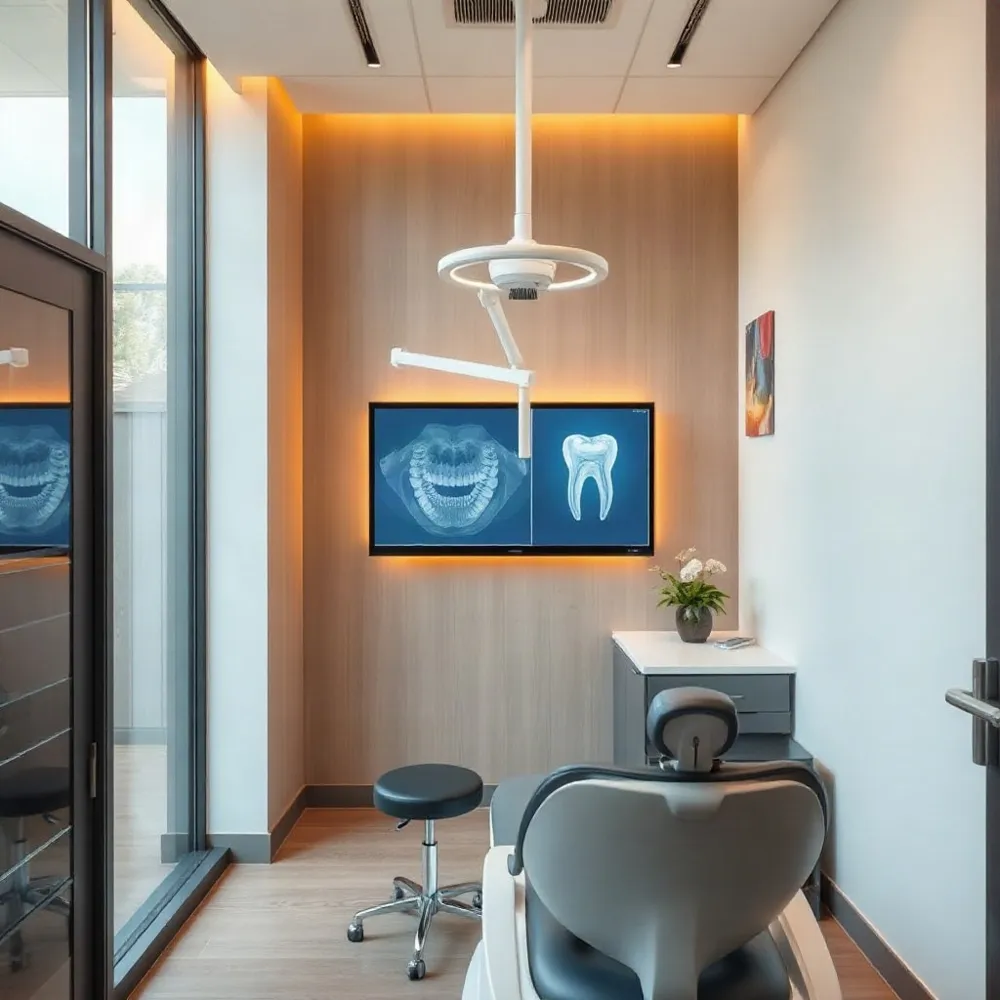 A short explanation of what happens next can make an appointment feel more predictable. Before beginning an examination, the dental team can describe how the patient will be settled in the operatory and what the next steps involve. The American Dental Association recommends explaining the visit once the patient is comfortable, including why routine steps support their care (ADA guidance on meeting the doctor).
Good explanations are accurate, concise, complete, and organized. Use familiar words instead of jargon or vague phrases, and speak at a pace that gives the patient time to follow. At Ashley E. Burns, DDS, this kind of conversation can help patients ask questions and understand what the team is assessing, without assuming they already know dental terminology.
When discussing findings, visual aids such as radiographs, models, images, or an intraoral camera, when available, can help make an explanation easier to follow. These tools support conversation rather than replace it. A 2024 literature review describes clear, two-way communication as a way to help patients understand diagnoses and treatment alternatives (review of dentist-patient communication).
Before taking new radiographs, the team can ask whether the patient has recent images available and explain the purpose of any recommended imaging or impressions. If treatment is being considered, discuss the relevant benefits, risks, alternatives, and likely outcomes. Patients can then ask questions and take part in choosing an informed plan that reflects their needs and preferences.
Agree on Ways to Pause and Cope
 Patients can tell the dental team about anxiety when booking or arriving, and mention past experiences or specific worries before treatment starts. The American Dental Association’s anxiety guidance recommends asking what to expect and agreeing on a hand signal, such as raising a hand, to request a pause.
A patient can also ask for an explanation during treatment or request a break when needed. Slow breathing, visualizing a relaxing place, or listening to music or an audiobook with headphones may help some people manage tension. These are options, not guarantees, and patients can tell the team if a strategy is not helping.
Report pain promptly, including pain that continues despite local anesthetic. This gives the dentist a chance to assess what is happening and respond. The 2024 literature review on dentist-patient communication describes communication as a two-way exchange, with patient feedback helping guide care.
Keeping regular appointments may make the setting and process more familiar over time. Delaying needed care can allow a dental concern to become harder to address, so patients who are worried can contact the practice to discuss what feels manageable. At ashleyburnsdds.com, patient-centered communication is discussed as part of building trust and easing dental anxiety, including agreeing on a pause signal.
If fear is severe or makes routine care difficult, ask the dentist or another healthcare professional about additional support. Medication or sedation may be considered in some circumstances, but suitability depends on the individual’s health, needs, and treatment. A clinician can explain the options and help determine an appropriate next step.
Consider Professional Support for Persistent Fear
When fear makes dental care hard to face, support outside the dental office may help. Cognitive behavioral therapy (CBT) is a form of psychological treatment that can help people notice and reframe unhelpful thoughts, build coping skills, and gradually face situations they fear.
A randomized trial of an online CBT program reported lower dental anxiety than a control condition, with improvement maintained at follow-up. This is encouraging evidence for that program, not a guarantee that CBT will work the same way for everyone. The study is discussed in research on strategies for managing dental anxiety.
CBT can be delivered in different formats, and the number of sessions varies with a person's needs. It is typically provided by a qualified mental health professional. A dentist or other healthcare professional can help assess whether a referral may be useful, particularly if anxiety is interfering with scheduling or attending appointments.
Seeking therapy does not replace communication with the dental team. Explain what feels difficult, such as a particular procedure, fear of pain, or feeling unable to ask for a break. At Ashley E. Burns, DDS, clear communication about dental anxiety is a practical part of discussing concerns and expectations with the team. If you are working with a therapist, you may also ask whether coping strategies from therapy can be used during dental visits.
People can learn more about CBT and coping strategies for dental anxiety. Professional support can make feared situations feel more manageable over time, while an open conversation with the dental team helps them understand what support may be helpful during care.
Carry Communication Beyond the Appointment
A visit may involve more information than a patient can absorb at once. Plain-language written instructions or a short summary give patients something to revisit at home, especially when care steps or aftercare are complex. These materials should support conversation, not replace a chance to ask questions. A 2024 review describes written information as a useful aid for recalling instructions and understanding care options in dentist-patient communication.
Follow-up after treatment can extend that conversation. Checking on recovery gives the team a chance to clarify instructions, address new questions, and correct misunderstandings. Reminders and secure messaging can also support communication between visits, though the specific tools a practice offers should be confirmed rather than assumed.
Patients also notice how dental team members speak and work with one another. Respectful, coordinated interactions can help the visit feel attentive rather than fragmented. The American Dental Association advises teams to prepare for a patient’s concerns and communicate with care throughout the appointment when meeting a patient.
At Ashley E. Burns, DDS, patient-centered care provides a useful frame for communication before, during, and after an appointment. Patients can ask the team how written guidance or follow-up may apply to their own care.
A Conversation That Builds Confidence
Listening, clear explanations, and room for questions can make dental care easier to understand and help patients take part in decisions. These steps may make a visit feel more manageable, but they cannot guarantee that anxiety will disappear. Each person’s needs and reactions are different.
Before or during a visit, tell your dental team about concerns, past experiences, comfort needs, or anything you would like explained. You can also ask questions as they arise, or ask the team to pause while you gather your thoughts. At Ashley E. Burns, DDS, patients can raise these topics with the dental team so the conversation can include what matters to them.