Introduction to Modern Innovations in Dentistry
Overview of Recent Dental Innovations
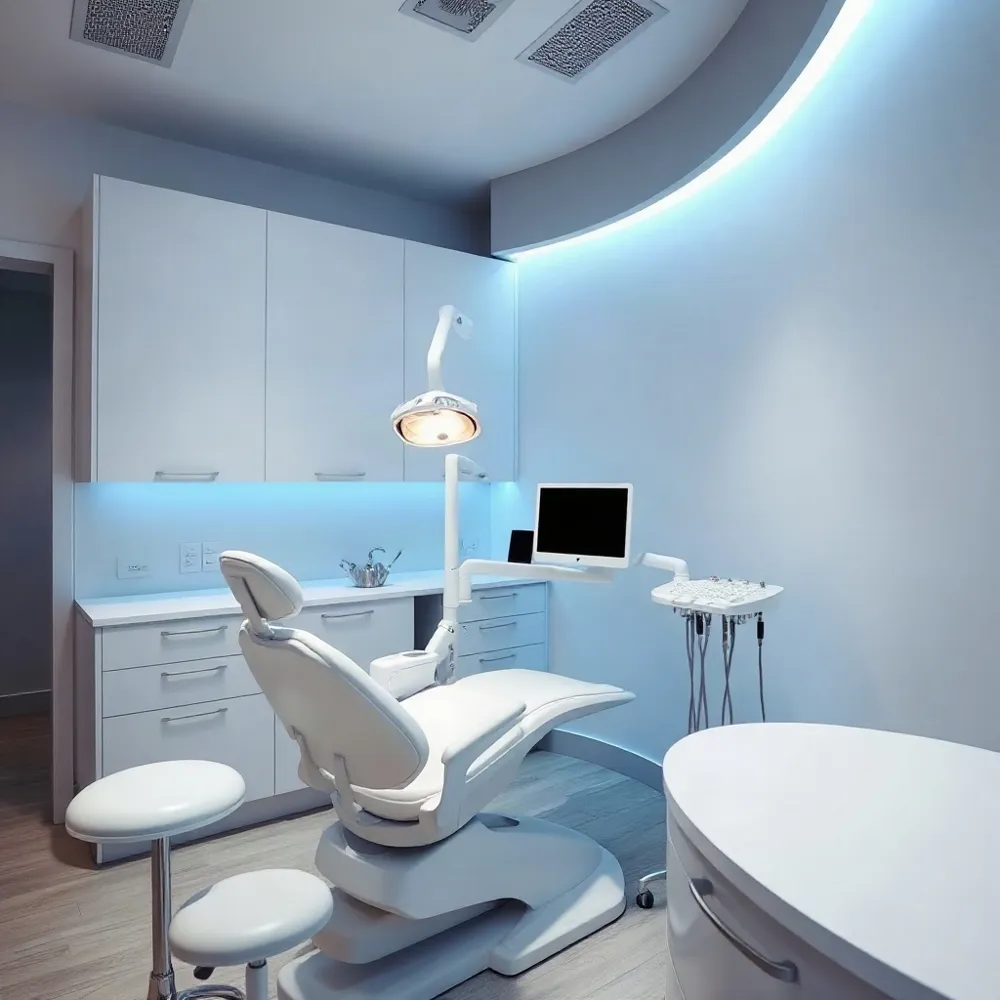
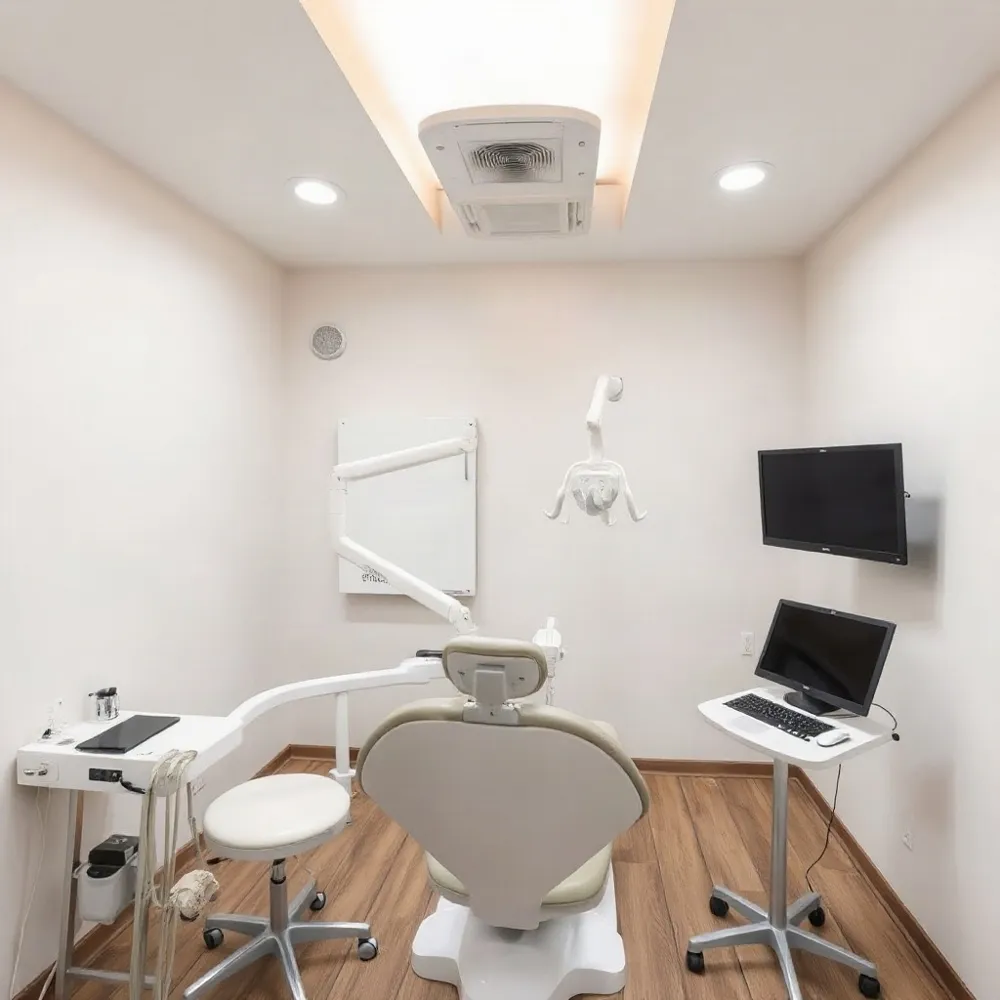
Dentistry has embraced numerous cutting-edge advancements that transform traditional practices. Key innovations include laser dentistry, 3D printing, digital imaging, and artificial intelligence (AI). Laser techniques allow precise, minimally invasive treatments with less pain and faster healing. Meanwhile, 3D printing enables swift, custom fabrication of crowns, bridges, and aligners onsite, improving turnaround and accuracy.
Impact on Patient Care
These technological strides positively influence patient experiences. Enhanced diagnostic tools like intraoral scanners and CBCT offer detailed, 3D views with minimal radiation, aiding early problem detection and tailored therapies. Pain and anxiety management improvements—such as computer-assisted anesthesia and sedation dentistry—further increase comfort and reduce fear, making visits less stressful.
Integration of Technology and Materials
Combining AI diagnostics, advanced materials like zirconia and bioactive substances, and digital workflows streamlines treatment planning and delivery. Smart oral care devices and teledentistry promote proactive health management, extending care beyond the clinic. These seamless integrations optimize outcomes, testifying to a patient-centered, modern dental approach prioritizing precision, speed, and comfort.
Advanced Dental Materials Shaping the Future

What are biocompatible and bioactive materials in dentistry?
Biocompatible dental materials are designed to coexist safely with the body's tissues without causing adverse reactions. Bioactive materials go a step further by interacting positively with tooth structures, promoting remineralization and natural repair. Innovations like Bioactive Glass in Dentistry and calcium-based cements stimulate enamel and dentin restoration, enhancing both durability and oral health.
How is nanotechnology transforming dental composites?
Nanotechnology introduces nanoscale particles into dental composites, significantly improving their mechanical strength, color stability, and wear resistance. Nanohybrid Composites combine these features with Smart Adhesives for Dental Restorations that resist staining and decay. The precise application facilitated by Digital Dentistry Tools ensures highly aesthetic and functional dental work.
What are the latest developments in zirconia and lithium disilicate crowns?
Zirconia crowns are favored for their exceptional strength, fracture resistance, and biocompatibility, making them ideal for molars and high-stress areas. Translucent and multilayered zirconia variants offer improved aesthetics that closely mimic natural teeth. Lithium Disilicate Crowns provide superior translucency and are widely chosen for their natural appearance in front teeth. The integration of Digital Scans and CAD/CAM in Dentistry enables same-day fabrication with optimized fit and comfort.
How are sustainability and eco-friendliness influencing dental materials?
Modern dental practices increasingly adopt sustainable materials focused on reducing environmental impact. These include Recyclable Dental Materials and biodegradable dental products and the incorporation of eco-friendly components without compromising strength or safety. Brands like Master-Dent emphasize developing such materials alongside Bioactive Dental Products by Master-Dent and Nano-Filler Systems in Dentistry, aligning dental care with global sustainability goals.
What role does 3D printing play with innovative dental materials?
3D Printing in Dentistry revolutionizes the creation of dental restorations by allowing fast, precise, and patient-customized fabrication. This technology is used with advanced materials like zirconia, bioactive composites, and hybrid resins to produce crowns, bridges, dentures, and aligners more efficiently. The result is improved patient comfort, reduced treatment times, and enhanced clinical outcomes.
Together, these materials and technologies are reshaping dental treatment by making procedures more effective, durable, and patient-friendly. Dentist Dr. Ashley E. Burns exemplifies patient-centered care by offering comprehensive services that leverage these material innovations for optimal results and customized treatment experiences.
Cutting-Edge Techniques: Laser Dentistry, 3D Printing, and Digital Workflows
What Are the Benefits and Applications of Laser Dentistry Benefits?
Laser dentistry offers minimally invasive treatments that significantly enhance patient comfort and clinical efficiency. It uses focused light beams for procedures like gum reshaping, cavity removal, teeth whitening, and periodontal therapy. Benefits include reduced bleeding, less pain, and faster recovery times. This precision leads to less tissue damage and supports quicker healing with minimal discomfort.
How Do Same-Day Crowns Using CAD/CAM Technology in Crowns Work?
CAD/CAM technology allows dental crowns to be designed, fabricated, and placed in a single visit. This streamlines treatment and improves patient convenience by eliminating the need for multiple appointments. Digital impressions create precise models, enabling highly accurate crowns with better fit and aesthetics. Zirconia and lithium disilicate are commonly used materials, offering strength and natural translucency.
What Role Do Digital Impressions with Intraoral Scanners Play?
Digital impressions taken with Intraoral scanners replace traditional molds with a faster, more comfortable process. They capture detailed 3D images of teeth and gums, reducing patient discomfort and enhancing diagnostic accuracy. These scans facilitate precise treatment planning and improve communication by allowing patients to visualize their dental issues clearly.
How Is 3D Printing in Dentistry Transforming Restorations and Implants?
3D printing enables in-house production of custom restorations such as crowns, bridges, dentures, and implants. It reduces turnaround times and improves fit through digital precision. In implantology, 3D printing creates tailored implants that maximize comfort and success rates. This technology supports rapid prototyping and allows efficient adjustments to patient-specific needs.
What Is Digital Smile Design in 2024 Technology?
Digital Smile Design uses advanced imaging and computer software to create realistic, customizable virtual models of patients' smiles. It helps dentists and patients visualize expected outcomes before treatment begins, enhancing satisfaction and trust. This technology allows for precise planning of cosmetic and restorative procedures, optimizing both aesthetics and function.
How Does Ashley E. Burns, DDS Ensure a Comfortable Experience for Dental Patients?
Ashley E. Burns, DDS fosters a tranquil office environment with soothing decor, comfortable seating, and calming music. The practice integrates modern technology such as Laser dentistry and Digital X-rays to minimize pain and reduce anxiety. Ergonomically designed dental chairs, warm blankets, and supportive pillows enhance physical comfort. Trained staff communicate empathetically, recognizing and addressing patient anxiety through relaxation techniques including guided imagery and breathing exercises. Virtual reality tools further help in alleviating stress, ensuring a positive and stress-free patient experience.
Innovations in Dental Bonding and Restoration Techniques
What are nanohybrid composites and smart adhesives?
Nanohybrid composites combine nanoparticles with traditional resin to improve strength, esthetics, and durability. These materials provide better resistance to staining and wear, helping restorations last longer and look more natural. Smart adhesives incorporate advanced chemistry that bonds strongly to both enamel and dentin while minimizing damage to healthy tooth tissue.
How do minimally invasive bonding techniques benefit patients?
Minimally invasive bonding preserves as much natural tooth structure as possible, reducing discomfort and recovery time. These techniques use self-etching adhesives that simplify the process and lower the risk of enamel damage. The result is a restoration that integrates seamlessly with the tooth and maintains its integrity over time.
What role does advanced curing light technology play?
Modern curing lights use LED technology with specific wavelengths tailored to the composite materials. This ensures optimal polymerization of bonding agents and resins, which improves the strength and longevity of the restoration. Advanced curing light technology helps avoid overheating and reduce patient sensitivity.
How is digital technology improving restorative precision?
Digital tools such as intraoral scanners and 3D imaging allow for highly precise placement of bonding materials. These devices capture detailed models of the patient’s dentition, enabling custom restorations that fit perfectly and enhance both function and appearance. Digital workflows reduce errors and increase treatment speed.
What future trends are emerging in dental bonding materials?
Research is exploring self-healing dental materials that can repair minor cracks automatically, extending restoration lifespan. Nanorobotic bonding materials are also being studied, offering the potential for intelligent, adaptive restorations that mimic natural tooth properties. These innovations aim to make dental restorations more durable, biocompatible, and patient-friendly.
Emerging Technologies Enhancing Diagnosis and Personalized Care
How Is Artificial Intelligence Transforming Dental Diagnostics?
Artificial intelligence (AI in dental diagnostics) is revolutionizing dental diagnostics by analyzing X-rays, intraoral scans, and other imaging to identify early signs of cavities, gum disease, and oral cancer. AI algorithms improve diagnostic accuracy and enable earlier interventions, enhancing treatment success. This technology allows dentists to tailor care plans based on detailed patient data, supporting more precise and timely decision-making.
What Are the Latest Digital Imaging Modalities in Dentistry?
Modern dental practices utilize advanced digital imaging tools such as Cone Beam Computed Tomography (CBCT), intraoral scanners, and digital X-rays. These provide high-resolution, three-dimensional views of teeth, bone structures, and surrounding tissues with minimal radiation exposure. Such imaging enhances diagnostic precision and allows for better treatment planning, patient communication, and outcomes.
How Does Teledentistry Improve Remote Patient Management?
Teledentistry leverages digital communication tools to offer virtual consultations, remote monitoring, and follow-up care. This innovation increases accessibility for patients in rural or underserved areas and provides convenient options for busy individuals. Remote services facilitate ongoing oral health assessments, personalized coaching, and early detection of issues without requiring in-office visits.
In What Ways Do Smart Toothbrushes and Patient Engagement Tools Contribute to Oral Health?
Smart toothbrushes equipped with sensors and connectivity features track brushing habits and provide real-time feedback via apps. These digital tools empower patients to maintain optimal oral hygiene, offer personalized care recommendations, and promote preventive health. Patient engagement platforms also enable dentists to monitor oral health remotely and encourage active participation in treatment plans.
What Are Advanced Pain and Anxiety Management Techniques in Modern Dentistry?
New methods include computer-assisted anesthesia for precise numbing, sedation dentistry (including nitrous oxide and intravenous sedation), noise reduction technologies, and calming environments. Laser dentistry further minimizes discomfort by providing less invasive options with quicker healing. These techniques enhance patient comfort, reduce anxiety, and improve the overall dental experience.
What Is Patient-Centered Care in Dentistry?
Patient-centered care prioritizes respecting each individual's preferences, needs, and values, ensuring active involvement in treatment decisions. It fosters effective communication and builds trust, leading to customized, comfortable care. By integrating advanced diagnostic technologies and creating welcoming settings, this approach improves patient satisfaction and promotes better oral health outcomes through collaboration and proactive engagement.
| Technology | Benefits | Impact on Patient Care |
|---|---|---|
| Artificial Intelligence | Early detection, tailored plans | More accurate diagnosis and personalized treatments |
| Digital Imaging (CBCT, Scanners) | Detailed 3D views, less radiation | Improved treatment planning and communication |
| Teledentistry | Remote access, convenience | Expanded care reach, timely follow-ups |
| Smart Toothbrushes | Real-time feedback, habit tracking | Enhanced preventive care and patient empowerment |
| Pain/Anxiety Management | Less discomfort, sedation options | Increased comfort and reduced dental fear |
The Future of Regenerative Dentistry and Implant Innovations
How are stem cell therapies advancing tissue regeneration in dentistry?
Stem cell therapies are at the forefront of Regenerative Dentistry, aiming to naturally repair dental tissues such as enamel, dentin, and gums. Research explores using stem cells to stimulate the growth of these tissues, potentially eliminating the need for artificial restorations and allowing for true tooth regeneration. This approach promises minimally invasive, biologically driven treatments that could transform oral healthcare.
What role do bioactive coatings and materials play in dental implants?
Bioactive coatings like bioactive glass and hydroxyapatite are increasingly applied to dental implants to enhance osseointegration—the process by which implants bond with the bone. These coatings stimulate bone growth around the implant, improving stability and reducing recovery times. Such innovations contribute to longer-lasting implants with higher success rates. For more on materials, see Dental materials research and Advancements in dental implant materials.
How does 3D printing contribute to customized implant solutions, including zirconia options?
3D printing in dentistry enables the fabrication of highly customized dental implants that precisely match patient anatomy. This customization improves fit, comfort, and clinical success. Zirconia implants, favored for their excellent strength, biocompatibility, and natural appearance, are being produced with these advanced 3D printing methods, offering metal-free implant solutions that align with patient aesthetic preferences. Related innovations include 3D printed customized dental implants.
What are smart implants and how do sensors enhance patient care?
Smart implants integrate sensors that provide real-time data during the healing process, such as monitoring implant stability and detecting complications early. This technology allows dental professionals to proactively manage patient recovery and adjust treatments as needed, improving outcomes and reducing potential risks. See more about Smart dental implants with sensors.
In what way are nanotechnology and self-healing materials revolutionizing dental implants?
Nanotechnology applied to implant surfaces enhances mechanical strength and biointegration by improving surface characteristics at the atomic level. Self-healing materials are emerging innovations capable of repairing minor damages autonomously, potentially extending implant lifespan and maintaining implant integrity over time. These advancements aim to create more durable, resilient dental implants that adapt and maintain performance in the dynamic oral environment. Explore Nanotechnology in implant surface enhancement and Self-healing dental implant materials.
Conclusion: Embracing Innovation for Enhanced Patient Outcomes
Harnessing Innovations for Better Dental Care
Modern dentistry is rapidly evolving through groundbreaking technologies such as laser dentistry, 3D printing, digital imaging, AI diagnostics, and regenerative therapies. These advances offer benefits like less invasive treatments, improved diagnostic accuracy, and faster recovery times, all of which contribute significantly to patient comfort and treatment success.
Commitment to Patient-Centered Care
The integration of digital tools and materials tailored to individual needs reflects a strong commitment to personalized care. Minimally invasive techniques and innovations in pain management ensure that patient comfort remains paramount. Additionally, technologies like teledentistry and smart toothbrushes empower patients to actively participate in their oral health, fostering better long-term outcomes.
Vision for Future Dental Practice
Looking ahead, the future of dental practice lies in the continued adoption and refinement of these technologies. Emphasizing sustainability, precision, and accessibility, future care models will blend advanced materials with AI and digital platforms to deliver efficient, comfortable, and customized treatments. This vision promises to transform oral healthcare and improve patient experiences across the board.