The Transformation of Modern Dental Care
Modern dentistry has transitioned from traditional, invasive procedures toward a highly precise digital model. By integrating digital radiography and intraoral scanners, clinicians can now capture high-resolution imagery that replaces uncomfortable physical impression materials. These tools allow for earlier detection of oral health issues, which supports a more conservative approach focused on preserving natural tooth structure.
At ashleyburnsdds.com, this focus on patient-centered care guides the integration of every new tool. Unlike outdated practices that rely on external labs and multi-visit workflows, a modern office utilizes systems like CAD/CAM technology to design and fabricate restorations in-house. This capability reduces chair time and ensures that every patient benefits from faster, more comfortable treatment cycles.
Advanced diagnostics further elevate the standard of care. By incorporating CBCT imaging, practitioners gain a comprehensive 3D view of internal dental structures, which is essential for safely planning complex procedures like implants. By combining these innovative technologies with a compassionate environment, modern dental professionals ensure that patients are not just treated, but fully informed participants in their own journey toward better oral health.
Efficiency and Precision in Digital Dentistry
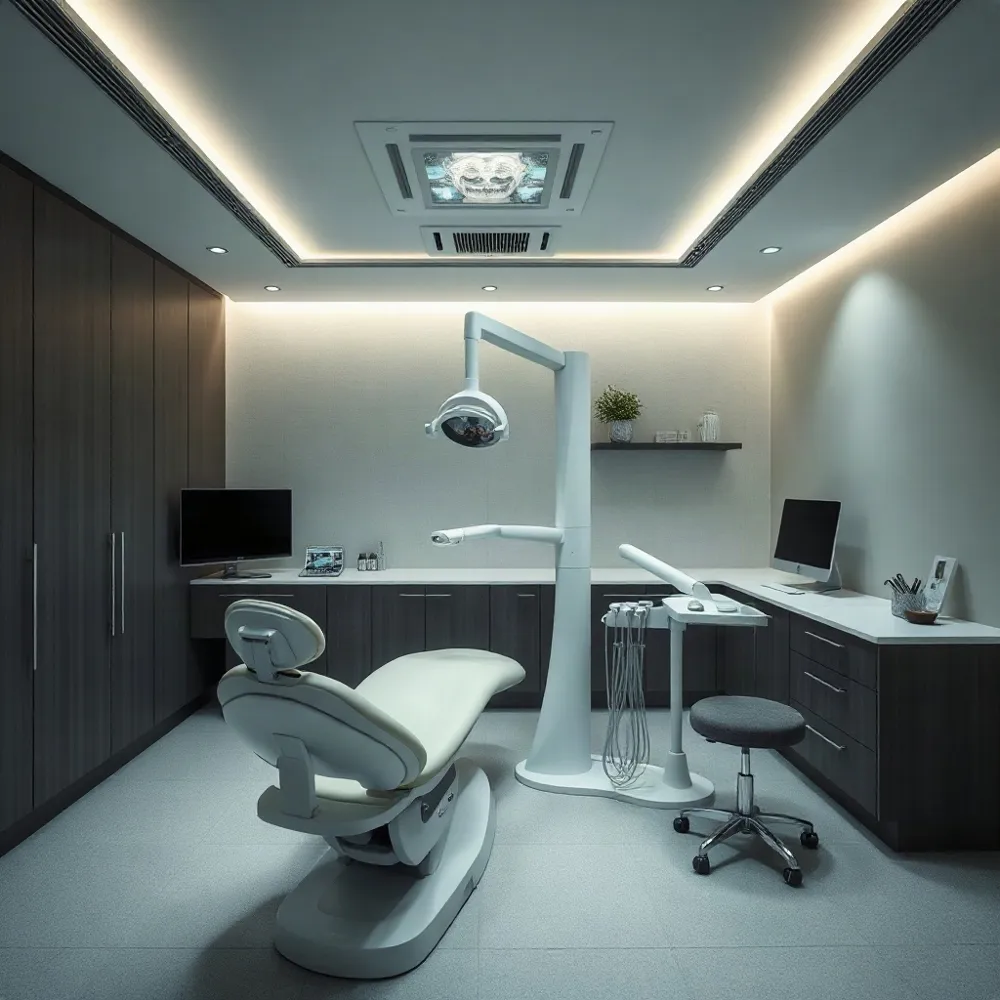 Modern digital dentistry fundamentally transforms patient care by prioritizing clinical efficiency, precision, and a superior, personalized experience. By utilizing advanced tools like intraoral scanners and CBCT imaging, dentists achieve highly accurate diagnostics and treatment planning that minimize guesswork. Patients benefit significantly from streamlined workflows, such as same-day restorative procedures that eliminate the need for multiple appointments and traditional, uncomfortable impressions.
What are the primary benefits of modern and digital dentistry?
Moving away from messy, traditional putty molds is one of the most immediate comforts for patients. Digital workflows now utilize precision scanning technology to capture high-definition, 3D models of the oral cavity instantly. This shift not only improves the accuracy of restorative treatments like crowns and bridges but also allows for real-time visualization of your oral health. At ashleyburnsdds.com, these digital impressions are processed into custom designs that ensure a more comfortable and better-fitting final restoration.
The integration of CAD/CAM systems further supports this efficiency by enabling in-house production of dental prosthetics. Instead of waiting weeks for laboratory turnaround, patients can often receive permanent restorations in a single visit. This streamlined process extends to the use of 3D printing for surgical guides and appliances, ensuring that care delivery is both rapid and precise. While some practices still rely on manual techniques that may require multiple adjustments, ashleyburnsdds.com focuses on leveraging these high-precision technologies to provide predictable, aesthetic-focused outcomes that respect your time and comfort.
Advanced Diagnostics and AI Integration
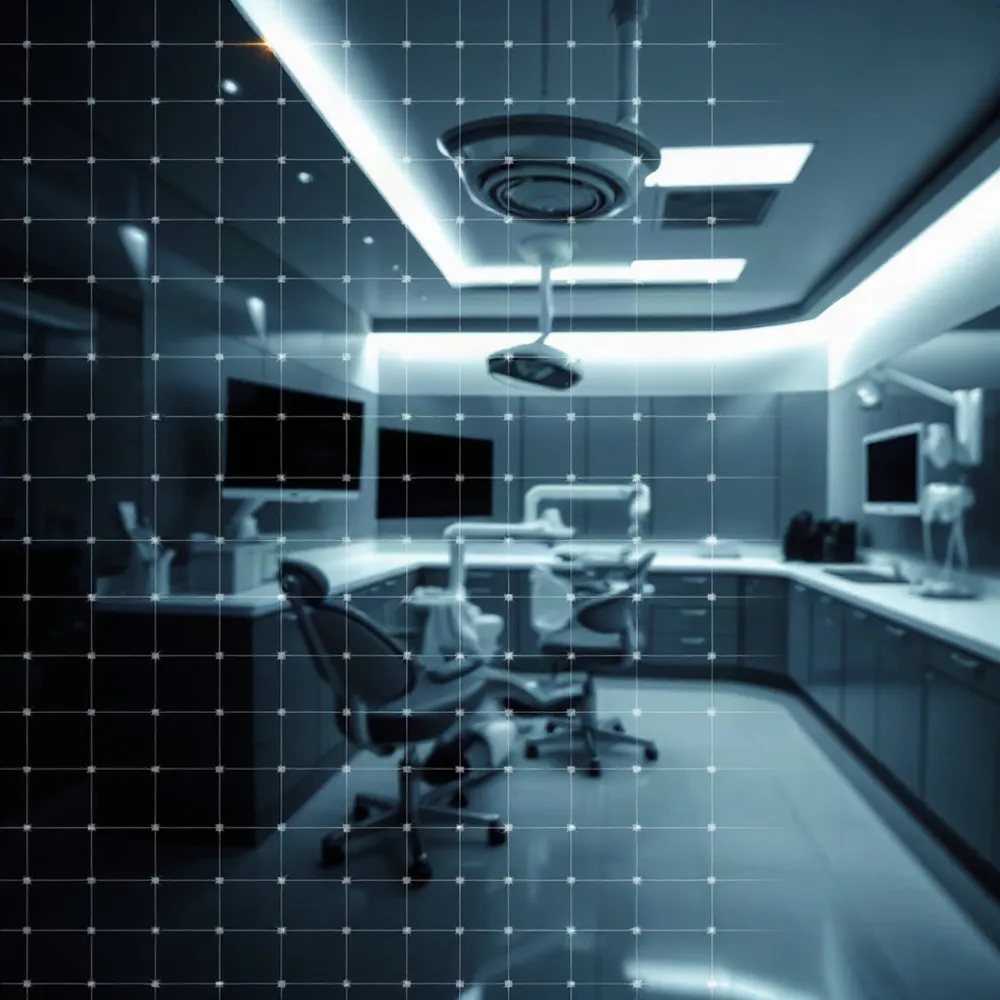 Modern dental care has shifted toward a model where technology significantly bolsters diagnostic precision. At ashleyburnsdds.com, advanced tools such as Cone Beam Computed Tomography (CBCT) imaging provide a three-dimensional view of bone structures, nerves, and roots, which is essential for safely planning complex procedures like implants or extractions. This represents a substantial upgrade from the limited perspective of traditional two-dimensional X-rays, as noted by research published in PMC.
Artificial Intelligence is also becoming a standard component for improving diagnostic consistency. By analyzing radiographs and scans, AI platforms can identify early signs of decay or periodontal disease that might escape the naked eye, acting as an additional validation layer for clinical decision-making. While competitors often rely solely on manual review, ashleyburnsdds.com leverages this digital intelligence to ensure that no detail is overlooked in your treatment plan.
Intraoral cameras serve as another vital diagnostic tool, providing high-resolution, real-time images of the mouth. These images are often displayed on chairside monitors, allowing patients to see exactly what the dentist observes. This visual transparency helps patients understand their oral health status and the reasoning behind specific recommendations. As established by data in PMC, digital imaging technologies, including intra-oral cameras and digital radiography, improve diagnostic accuracy and long-term monitoring of patient conditions.
- CBCT imaging allows for high-resolution 3D anatomical modeling.
- AI integration provides consistent analysis for the early detection of cavities.
- Intraoral cameras enhance patient education by offering direct visual proof of diagnostic findings.
- Digital workflows reduce radiation exposure compared to traditional film-based radiography.
Restorative Techniques and Missing Tooth Replacement
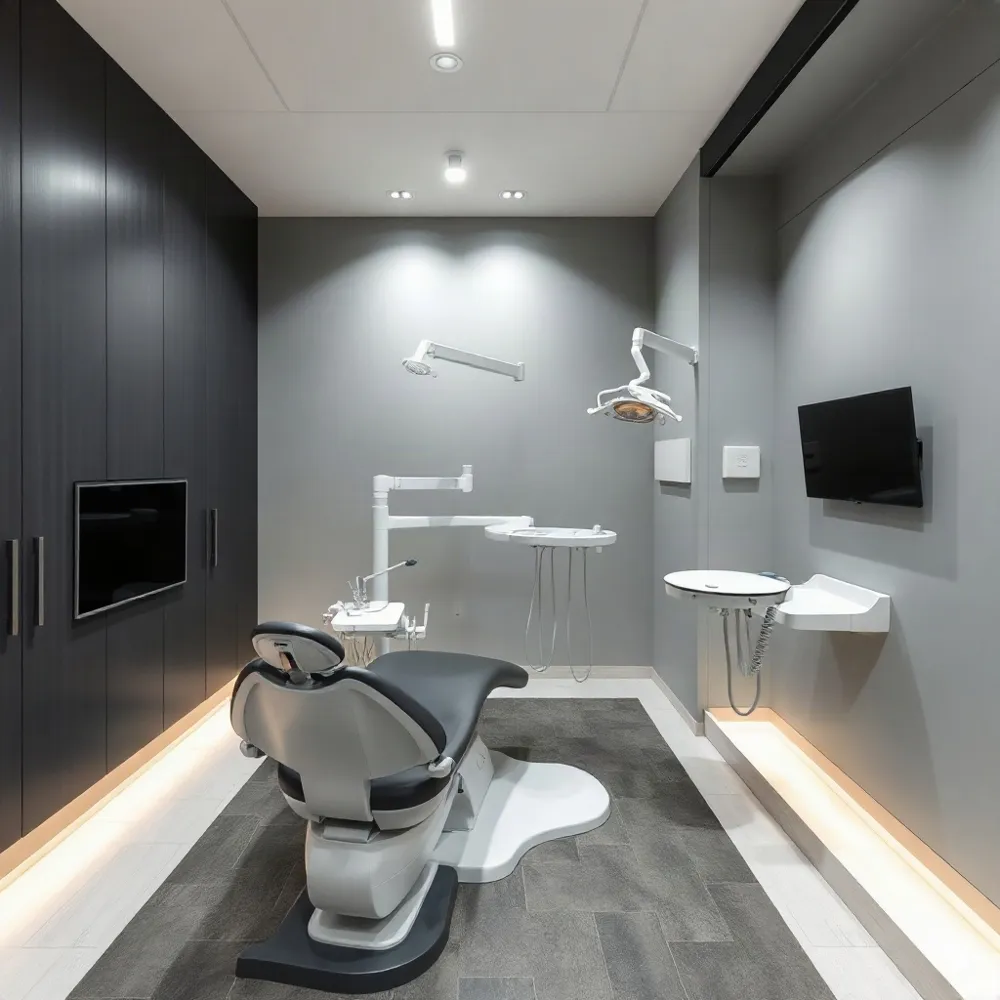 Are there new technologies available for replacing missing teeth? The field of implant dentistry has undergone significant advancements that make replacing missing teeth more precise, comfortable, and predictable than ever before. Modern practices now utilize 3D imaging, such as Cone Beam Computed Tomography (CBCT), and computer-guided surgery to plan implant placement with unparalleled accuracy.
While some practices rely on traditional methods, ashleyburnsdds.com integrates advanced digital workflows to minimize patient chair time. The development of sophisticated biocompatible materials like zirconia offers highly aesthetic, metal-free options for patients with specific sensitivities. These innovations allow for minimally invasive procedures and faster recovery times, often enabling patients with previous bone density concerns to qualify for treatment.
By integrating these digital technologies, clinics can provide customized, long-term restorative solutions that mimic the function and appearance of natural teeth. This digital approach ensures that every step of the restoration process, from initial scan to final placement, is tailored to the patient's unique anatomy.
Modern Orthodontics and Teeth Straightening
What is the newest technology available for straightening teeth? Clear aligner therapy, such as the Invisalign system, represents a significant advancement in modern orthodontics, offering a discreet and efficient alternative to traditional metal braces. These aligners utilize innovative, medical-grade materials like the patented SmartTrack thermoplastic to apply gentle, controlled pressure that shifts teeth into their ideal positions with greater predictability. Rather than relying on traditional impressions, this technology leverages advanced 3D digital scanning to create a highly accurate, customized roadmap for your unique smile.
At ashleyburnsdds.com, we utilize high-precision scanning to ensure that your treatment plan is tailored specifically to your oral anatomy, a substantial step up from the manual measurement methods used in legacy practices. Because these trays are smooth, transparent, and removable, patients often experience enhanced comfort and improved oral hygiene throughout the treatment process. This integration of digital diagnostics and proprietary material science allows for a more personalized and comfortable journey toward a straighter smile, focusing on both aesthetic results and long-term periodontal health.
The Future of Regenerative Dental Medicine
The pursuit of regrowing natural teeth remains an exciting frontier in modern dentistry, primarily focused on the transformative potential of stem cell therapy. Researchers are actively investigating how dental pulp stem cells can be utilized to regenerate lost tooth structures, with notable studies emerging from institutions like Kyoto University. While this technology represents a significant leap forward in regenerative medicine, these therapies are currently in experimental and clinical research phases rather than standard practice.
At ashleyburnsdds.com, our focus remains on providing established, high-precision restorative solutions that patients can rely on today. While some emerging concepts explore the manipulation of the oral microbiome or specific probiotic strains to manage decay, clinical application remains limited compared to proven restorative techniques. At this time, treatments are more commonly applied to regenerating nerve or periodontal tissue to support overall oral health.
Until these regenerative techniques are fully perfected and approved for widespread use, patients should continue to rely on proven restorative options. Unlike experimental methods, modern dental implants offer a reliable way to replace missing teeth with high predictability. These established procedures ensure that patients maintain function and aesthetics without waiting for future breakthroughs in tissue engineering.
Embracing a Future of Advanced Dental Care
Modern dental technology offers significant advantages by improving diagnostic accuracy and enhancing patient comfort. By utilizing digital workflows and precise 3D imaging, we provide treatments that are not only more predictable but also less invasive than traditional methods. This technology allows for a highly personalized experience, ensuring that every restorative or preventive procedure preserves as much natural tooth structure as possible.
At ashleyburnsdds.com, we remain committed to integrating these advancements to support your long-term oral health. Whether you require routine maintenance or a restorative solution, our practice emphasizes a compassionate, patient-centered approach. We invite you to contact our office to discuss how these modern tools can transform your care and help you maintain a confident smile for years to come.