Why Patient‑Centered Care Matters
Patient‑centered care (PCC) in dentistry is defined as care that respects and responds to each individual’s preferences, needs, and values, ensuring those values guide every clinical decision. Core principles of PCC revolve around clear, empathetic communication, building rapport, and involving patients in shared decision‑making. Dentists who actively listen, explain treatment options in plain language, and tailor recommendations to a patient’s lifestyle and goals create a partnership rather than a hierarchy. Research shows that this collaborative approach improves both physical and psychological outcomes: patients report higher satisfaction, better adherence to preventive regimens, and reduced dental anxiety. The UK General Dental Council’s Standard 2 reinforces these expectations by mandating respect for patient dignity and choice. When PCC is practiced—through personalized treatment plans, transparent cost discussions, and comfort‑focused amenities such as sedation options—patients experience greater confidence, lower rates of missed appointments, and ultimately healthier oral health.
Understanding Patient‑Centered Care in Dentistry
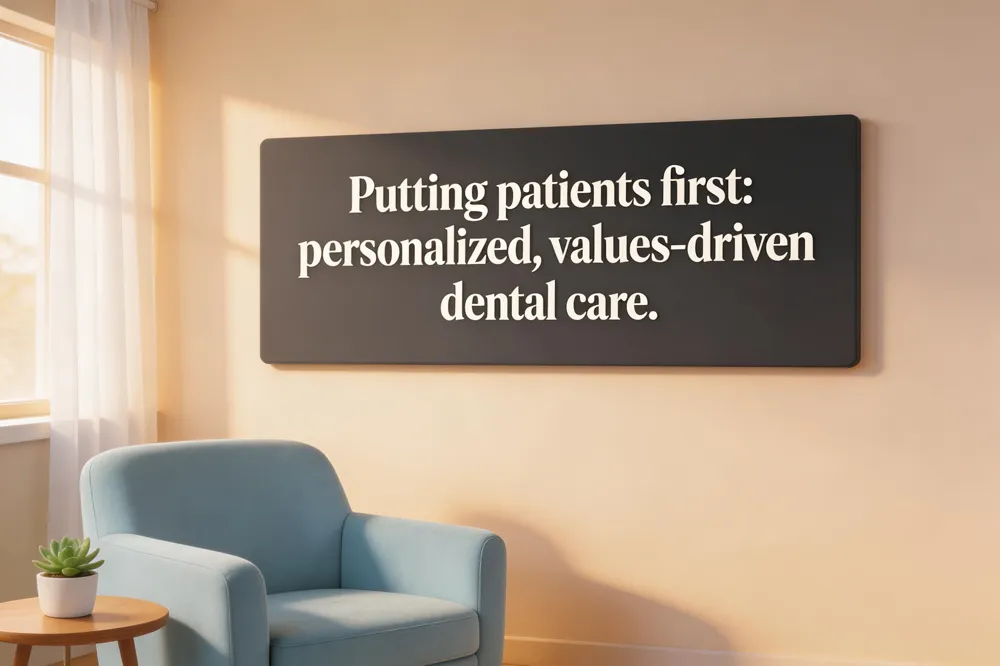 What is patient‑centered care in dentistry?
Patient‑centered care (PCC) is an approach that respects and responds to each patient’s unique preferences, needs, and values. Clinical decisions are guided by those individual values, creating an inclusive, responsive environment that enhances satisfaction and outcomes.
The importance of communication in dentistry
Effective communication builds trust, eases anxiety, and encourages adherence to treatment plans, leading to better oral‑health results. Clear, empathetic dialogue helps identify concerns early, allowing timely adjustments and preventing complications. Good communication among the dental team improves efficiency, reduces misunderstandings, and lowers litigation risk. Ultimately, strong soft‑skill communication underpins high‑quality, patient‑centered dental care and fosters patient loyalty.
What is the 3‑3‑3 rule for teeth?
The informal “3‑3‑3 rule” suggests brushing three times a day, three minutes each session, and waiting three hours before bedtime. While it promotes consistency, evidence‑based guidelines recommend brushing twice daily for two minutes, complemented by flossing and regular cleanings. Over‑brushing can harm enamel and gums, so gentle, thorough cleaning is preferred over sheer frequency. The 3‑3‑3 concept can be a helpful reminder, but following the dentist‑recommended routine remains the most reliable way to protect your smile.
Comprehensive Dental Services: All Your Needs Under One Roof
 What is included in comprehensive dental services?
Comprehensive dental services encompass a full spectrum of preventive, diagnostic, restorative, cosmetic, and orthodontic treatments. Routine cleanings, examinations, digital X‑rays, sealants, fluoride applications and patient education keep teeth healthy. Restorative care includes fillings, crowns, bridges, root‑canal therapy, extractions and dental implants to repair damaged or missing teeth. Cosmetic options such as professional whitening, porcelain veneers, bonding and clear‑aligner therapy enhance the smile’s appearance. By offering all of these services under one roof, a practice meets the oral‑health needs of patients of every age without external referrals.
What is included in comprehensive dental services?
Comprehensive dental services encompass a full spectrum of preventive, diagnostic, restorative, cosmetic, and orthodontic treatments. Routine cleanings, examinations, digital X‑rays, sealants, fluoride applications and patient education keep teeth healthy. Restorative care includes fillings, crowns, bridges, root‑canal therapy, extractions and dental implants to repair damaged or missing teeth. Cosmetic options such as professional whitening, porcelain veneers, bonding and clear‑aligner therapy enhance the smile’s appearance. By offering all of these services under one roof, a practice meets the oral‑health needs of patients of every age without external referrals.
What is the difference between general dentistry and comprehensive dentistry? General dentistry focuses on immediate, routine concerns—cleanings, exams, basic fillings, and simple extractions. Comprehensive dentistry takes a holistic view, integrating preventive strategies, advanced restorative procedures and long‑term oral‑health planning. It addresses current issues while anticipating future needs, coordinating care across specialties to achieve optimal, lasting results.
What is the average cost of teeth whitening in Midland? In Midland, Texas, professional teeth whitening typically ranges from $250‑$400 for a custom take‑home tray kit and $375‑$650 for an in‑office treatment. Over‑the‑counter kits cost $20‑$100. Prices vary by dentist, whitening system (e.g., Zoom! or Opalescence) and any promotional discounts. Patients often choose in‑office sessions for rapid, dramatic results, while at‑home trays provide a budget‑friendly alternative that delivers noticeable whitening over several days. Always request a detailed quote that includes any exam or follow‑up fees.
Affordability, Accessibility, and Quality: Making Dental Care Reachable
 Affordable dentist Midland, TX
Dr. Ashley E. Burns, DDS delivers affordable care by offering flexible payment plans, low‑interest financing for larger procedures, cash‑discounts, and assistance with local health‑department programs or dental‑school clinics for uninsured patients. A dedicated financial coordinator provides transparent pricing before treatment begins, ensuring every Midland resident can maintain a healthy smile without surprise costs.
Best dentist in Midland, TX
Recognized as the premier dentist in the area, Dr. Burns combines extensive training in general and comprehensive dentistry with a patient‑focused philosophy. Her practice provides preventive, restorative, and advanced cosmetic services under one roof, using modern technology and evidence‑based techniques. Patients consistently praise her compassionate bedside manner, meticulous care, and a warm, welcoming office environment.
Kids dentist Midland, TX
The practice is family‑friendly, offering gentle cleanings, sealants, fluoride treatments, and a child‑centric atmosphere with soothing music and parental presence. Sedation options and individualized behavior‑management address dental anxiety and special‑needs requirements. Emergency appointments are available, and Medicaid is accepted, ensuring stress‑free, high‑quality care for children.
Walk‑in dentist Midland, TX
For urgent concerns, Dr. Burns’s office accepts walk‑ins, providing same‑day relief for toothaches, knocked‑out teeth, or chips. The team quickly triages emergencies, utilizes on‑site sedation, and crafts immediate treatment plans, allowing patients to return to a pain‑free smile fast.
Communication Strategies that Empower Patients
 Effective dentist‑patient communication begins with active listening, empathy and plain‑language explanations supported by visual aids. Non‑verbal cues—eye contact, open posture, friendly facial expressions—reinforce trust and invite questions. Dentists should confirm understanding through teach‑back or repeat‑after‑me techniques and provide concise written instructions, supplemented by secure digital messaging for follow‑up. This respectful, culturally sensitive dialogue aligns treatment plans with patient values, reduces anxiety, and improves satisfaction.
Active participation in oral care yields substantial benefits. When patients brush twice daily, floss, and keep regular appointments, they lower the risk of cavities, gum disease, and tooth loss, which in turn reduces systemic inflammation linked to heart disease, diabetes, and cognitive decline. Proactive hygiene prevents costly, invasive procedures, saves money, and enhances confidence and self‑esteem. Ultimately, taking charge of oral health reinforces personal control over overall well‑being and supports better long‑term health outcomes.
Beyond the Chair: Technology, Comfort, and Holistic Health
 Modern dental practices in Midland are leveraging digital imaging and intra‑oral cameras to create precise, personalized treatment plans. High‑resolution images let patients see the condition of their teeth in real time, fostering shared decision‑making and reducing uncertainty. To address dental anxiety, many offices now offer a range of sedation options—including nitrous oxide, oral tranquilizers, and IV sedation—alongside comfort measures such as calming music, weighted blankets, and gentle techniques. These interventions lower reported anxiety by up to 40 %, making visits more tolerable for patients with phobia. A growing body of evidence highlights the oral‑systemic health connection, showing that untreated gum disease can exacerbate diabetes, cardiovascular disease, and other systemic conditions. By treating the mouth as part of the whole body, clinicians provide holistic care that supports overall well‑being. Finally, practices continuously refine their services through patient feedback mechanisms such as post‑visit surveys and online reviews. Transparent pricing, flexible financing, and a welcoming office environment are repeatedly cited as key drivers of satisfaction, enabling practices to adapt and improve the patient experience over time.
Your Partner in a Healthier, Happier Smile
Patient‑centered dental care has been shown to improve clinical outcomes, increase treatment adherence, and reduce anxiety by placing each individual’s preferences, needs and values at the core of every decision. Our practice builds on this evidence, delivering transparent explanations, active listening, and shared decision‑making so patients feel heard and empowered. To keep care accessible, we offer flexible financing, accept a wide range of insurance plans, and provide clear cost estimates before any procedure, eliminating surprise bills. Modern digital tools such as intra‑oral cameras and 3‑D imaging let us tailor treatment plans precisely to each patient’s oral health history and aesthetic goals. We invite you to experience a welcoming environment, gentle techniques, and a partnership that prioritizes your comfort and oral health. Schedule a visit today and let us help you achieve a healthier, happier smile.