
Understanding Anxiety Through Communication
Dental anxiety can range from unease before an appointment to intense fear that makes even routine care feel difficult. Its causes differ from person to person: past experiences, concern about pain, unfamiliar sounds, or uncertainty about what will happen may all contribute. Some people may also feel vulnerable when they cannot easily see or understand what is happening during an examination.
Clear, compassionate communication can make care feel more understandable and collaborative, though it cannot be expected to remove anxiety for everyone. A 2024 review of dentist-patient communication describes effective communication as a two-way exchange: patients share concerns, and clinicians explain information in language patients can follow. Listening, plain explanations, and time for questions can help patients understand their choices and feel included.
At Ashley E. Burns, DDS in Midland, Texas, patient-centered care provides a setting for discussing concerns and individual preferences. Patients can let the dental team know what feels worrying, while the team can explain what an examination or treatment involves and discuss appropriate support. The sections that follow explore ways to prepare, make decisions together, and build trust through consistent care.
Why Dental Visits Can Feel Difficult
 Dental anxiety does not have one cause, and the same appointment can feel different to different people. For some, worry begins with a painful or upsetting experience and the fear that it could happen again. Others may be uneasy about needles, anticipated pain, or unfamiliar sounds and instruments.
Uncertainty can add to that stress. Not knowing what a procedure involves, what sensations to expect, or what choices are available may leave someone feeling vulnerable or out of control while another person works in their mouth. Embarrassment about oral health can also make it harder to ask questions or seek care. These triggers vary, so feeling anxious is not a personal failing. Harvard Health Publishing’s guidance on dental anxiety recommends identifying specific worries and sharing them with the dentist.
Putting off care may allow an oral-health concern to worsen, which can make later treatment more involved. That possibility is a reason to seek a conversation, not a reason to judge yourself for waiting. At Ashley E. Burns, DDS, patient-centered care means considering a person’s concerns and preferences alongside clinical findings. Telling the dental team what feels difficult can help make the discussion more relevant and give you a chance to ask what to expect.
Preparing for a More Manageable Visit
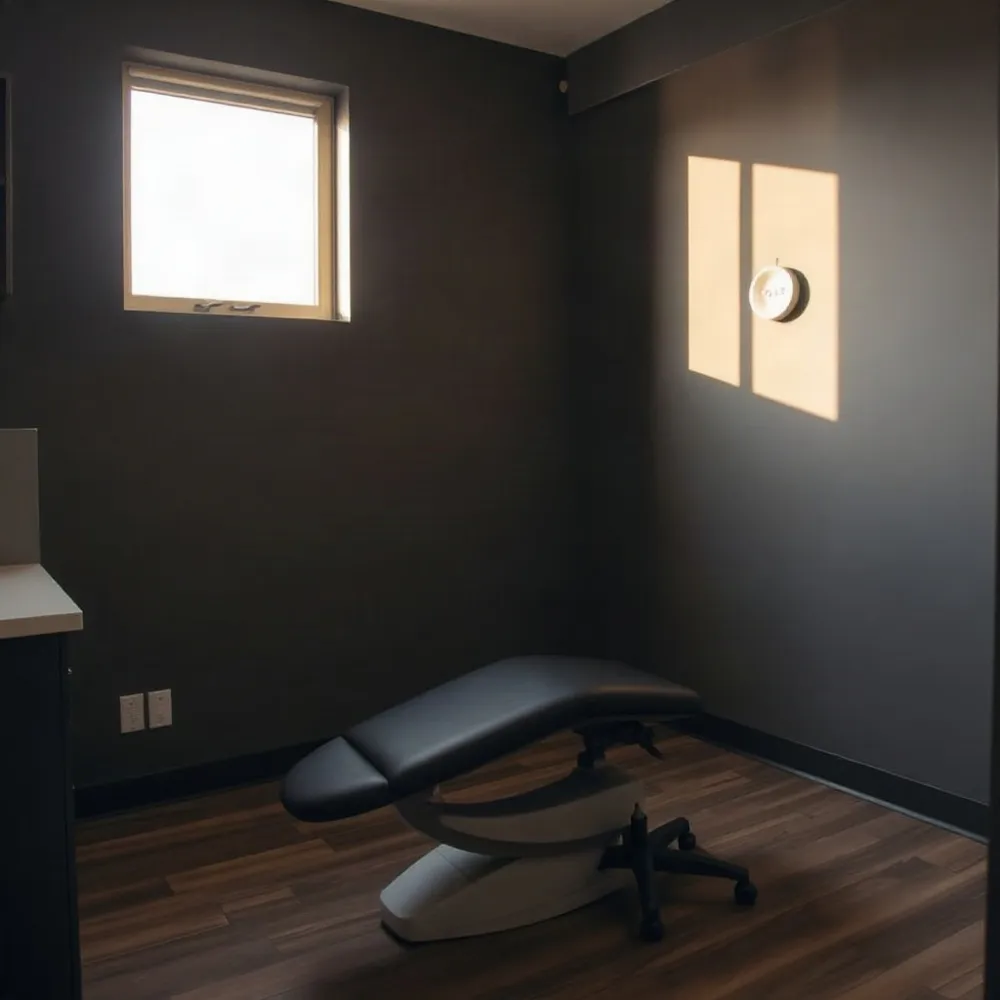 Let the dental team know when scheduling, or before treatment begins, that you feel anxious. Naming what worries you most, whether it is pain, needles, sounds, or a past experience, gives the team useful context for discussing your visit. Clear communication and time to raise concerns can help make the appointment feel less uncertain, though they cannot guarantee anxiety will disappear. Research on dentist-patient communication supports inviting patients to share concerns and ask questions.
Ask what will happen during the appointment, and whether the team can explain each step as it goes. You can also discuss a slower pace, breaks, or a hand signal that means you would like treatment to pause. The American Dental Association’s guidance on calmer visits recommends agreeing on a way to request a break, helping patients communicate discomfort during care.
Before leaving home, try slow, steady breathing, wear comfortable clothing, and allow extra time so you are not rushing. Headphones with calming music may help if the office permits them. If caffeine tends to make you feel jittery, consider limiting it before your appointment. These are possible ways to prepare, not a promise that the visit will feel easy.
If anxiety feels severe, raise it with the dentist ahead of time and ask what support may be appropriate for your circumstances. At Ashley E. Burns, DDS in Midland, patient-centered care includes discussing concerns and preferences, so patients can bring their questions to the conversation without assuming a particular support option is available.
For more ideas to discuss before your visit, see practical tips for preparing for a dental appointment.
Making Care Clear And Collaborative
 Clear communication does not mean talking more. It means giving patients information they can understand, trust, and use to make decisions. A 2024 literature review describes effective dentist-patient communication as clear, accurate, concise, complete, and logically organized, and connects these qualities with confidence and lower anxiety (review of communication strategies).
How can a dentist help patients who feel anxious? By listening without judgment and asking open questions about what feels difficult, a dental team can learn what support may help. Plain language, an explanation of each step before it happens, and a calm check-in during care can make the visit more predictable. Patients may also agree on a hand signal to request a pause. Sharing concerns when scheduling gives the team time to consider how to support the visit.
At Ashley E. Burns, DDS, patient-centered care means taking a person’s concerns and preferences into account alongside clinical findings. Patients can ask about the available treatment choices and discuss their benefits, risks, and alternatives. That conversation supports shared decisions, so the plan reflects both clinical needs and what matters to the patient.
Words are only part of the exchange. A calm tone, attentive posture, and respectful eye contact can reinforce reassurance, while radiographs, models, or pictures may make an explanation easier to follow. Written instructions can also help patients revisit details after the appointment. The review recommends allowing time for discussion and pauses, giving patients room to process information and raise questions rather than feeling rushed.
These communication practices are not a promise that anxiety will disappear; people respond differently. They do give patients clearer information and a more active role in care. For more on how dental teams can build trust through clear explanations, see dentist-patient communication for quality care.
When Treatment Feels Necessary
If you are afraid of the dentist but think you need treatment, start by calling the dental office. Describe what worries you, whether it is pain, a past experience, or feeling out of control. Sharing this before the appointment gives the team a chance to understand your concern and discuss how to approach the visit.
Ask to review the proposed plan before treatment begins. You can request plain-language explanations of the steps, expected sensations, and available choices, then agree on a signal that means “please pause.” Let the team know if you would like breaks or check-ins. These practical steps can make it easier to communicate during care, though they cannot guarantee that anxiety will disappear. The American Dental Association’s guidance on reducing anxiety during dental visits also recommends agreeing on a break interval or signal.
At Ashley E. Burns, DDS, patient-centered care and patient education are part of the practice’s approach, so asking questions and discussing your preferences can help shape a conversation about your care. Comfort options depend on the procedure and the practice’s arrangements. Ask which may be appropriate for your situation rather than assuming a particular option is available.
A trusted companion may offer reassurance if the practice and procedure allow one to be present. Slow, steady breathing or another calming strategy may also help you manage tension. The Harvard Health Publishing guide to coping with dental anxiety discusses breathing, music, and support from a friend or family member as possible approaches.
Try not to let fear prevent you from seeking advice. Delaying care can allow some dental problems to progress, although what happens depends on the individual condition. If anxiety makes it hard to book or attend, tell the dental office directly or speak with a healthcare professional about next steps. You do not have to resolve every concern before asking for help.
Considering Medication And Other Support
Can medication help with anxiety before dental treatment?
Medication may help some patients feel calmer, but it is not necessary or suitable for everyone. The right choice depends on your health history, the planned procedure, and the level of anxiety you experience. A dental professional can discuss possible options and explain how to use any medication safely. Harvard Health also advises patients to share their medical conditions and current medicines when discussing anxiety medication.
Tell the dental team about all prescription and nonprescription medicines and supplements you take. Follow your clinician’s instructions, and do not take an extra dose or use medication prescribed for someone else. Ask whether a recommended medicine could affect alertness or coordination, and whether you will need someone to drive you home. Breathing exercises, music, or an agreed signal to pause may also provide support without medication.
At ashleyburnsdds.com, discussing concerns with the dental team can help make a visit more responsive to your needs. The practice’s guidance on comfort strategies for anxious dental patients offers additional ideas to discuss.
Can cognitive behavioral therapy help with dental anxiety?
Cognitive behavioral therapy (CBT) may help some people identify fear-related thoughts, build coping strategies, and gradually become more comfortable with dental care. A licensed mental health professional can assess whether CBT fits your needs and tailor support accordingly. You can continue to tell your dental team what worries you and ask about practical adjustments, such as having each step explained before it begins or agreeing on a pause signal. CBT is one possible approach, not a requirement for receiving dental care.
Trust Builds Through Consistent Care
Trust grows when care reflects the whole person, not only clinical findings. A patient-centered approach considers individual needs, preferences, circumstances, and pace, helping patients take part in decisions in ways that feel manageable. A literature review describes clear, respectful two-way communication as a way to support confidence, satisfaction, and engagement with care (dentist-patient communication review.
The conversation can continue after an appointment. A follow-up by phone, email, or text gives patients a chance to raise concerns, clarify anything they did not understand, and share how recovery is going. For Ashley E. Burns, DDS, this kind of ongoing communication fits a patient-centered approach, while any specific follow-up method should be confirmed with the dental team.
Supportive communication may make dental care feel more predictable, but it cannot guarantee that anxiety will disappear or replace individualized clinical advice. Patients can begin with a simple request: tell the dental team what would help them feel informed and heard, then discuss an approach that suits their needs.
Start With A Conversation
A clear conversation can make dental care feel more predictable: explain what worries you, ask questions, and speak up if you need more time. Research on dentist-patient communication emphasizes plain explanations, attentive listening, and involving patients in decisions, while recognizing that no single approach eases anxiety for everyone (communication strategies).
At Ashley E. Burns, DDS in Midland, patient-centered care focuses on individual needs and preferences. Sharing what would help you feel more comfortable gives the dental team a place to begin a supportive conversation.