
Choosing Care That Fits Your Family
Choosing a family dentist involves more than finding an office for cleanings. Communication, comfort, available services, costs, and practical access all shape whether care feels manageable for everyone in the household.
Before booking, ask how the dentist explains recommendations, listens to concerns, and helps patients who feel nervous. You can also ask which services are provided, how referrals work, and what to expect from appointment scheduling and urgent-care arrangements.
Discussing fees and insurance before treatment can clarify likely expenses and help your family plan. Clear answers also make it easier to understand what is covered and what may require an out-of-pocket payment.
These conversations help you compare a practice’s approach with your family’s needs. For example, Sunset Terrace Family Health Center at NYU Langone lists dental care for adults and children, illustrating why it can be useful to ask whether one office can serve the whole household. Questions are a starting point for an informed choice, not a substitute for discussing your own care with a dentist.
What Patient Centered Care Means
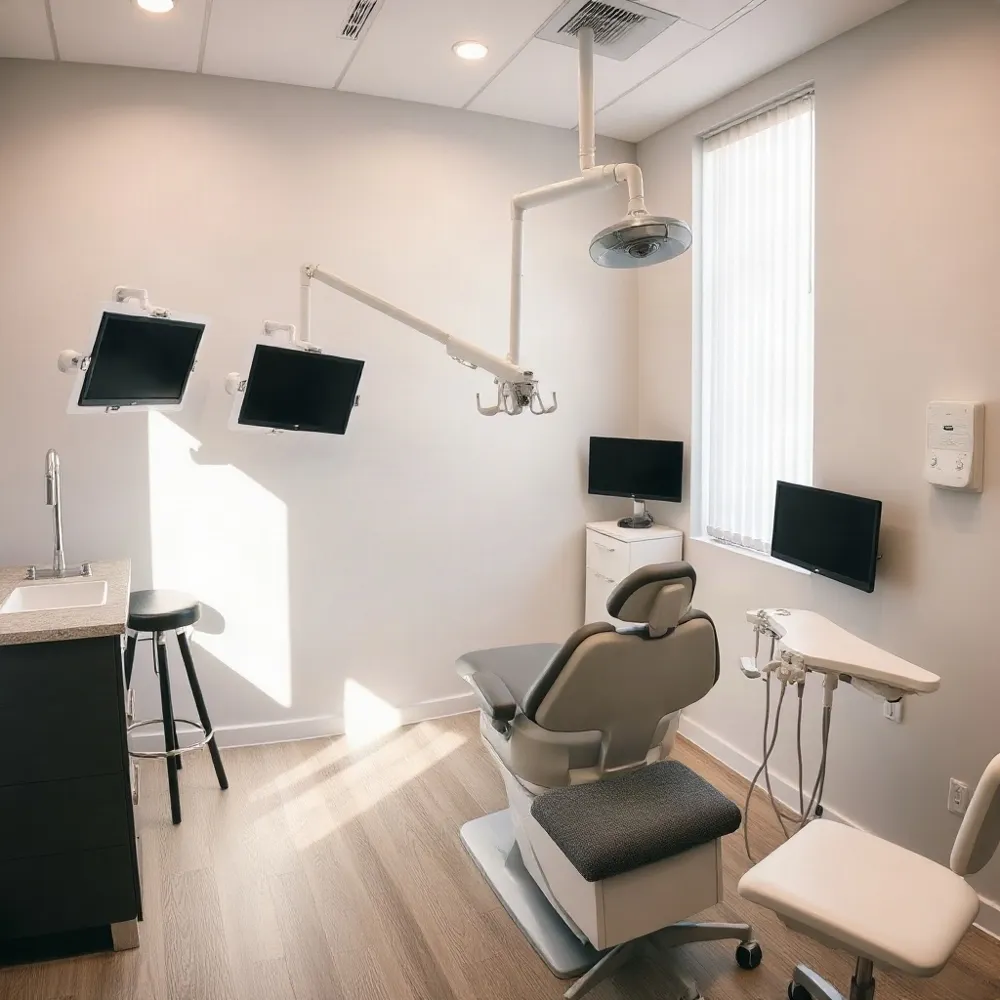 Patient-centered dental care is shaped around each person’s needs, preferences, values, and circumstances, not just the procedure being considered. It starts with listening to what matters to the patient and making room for questions, concerns, and personal goals.
A dentist should explain examination findings and care options in clear language, including likely benefits, risks, alternatives, and costs. Patients can then weigh those details and take part in decisions rather than being handed a plan without discussion. This shared approach is central to patient-centered dental care.
The conversation should also account for health history, comfort, and practical circumstances. Dental anxiety, pain concerns, accessibility needs, and language or communication preferences can affect how a person experiences care. A respectful team can discuss appropriate accommodations and protect patient privacy while explaining what to expect. At NYU Langone’s Sunset Terrace Family Health Center, for example, dental services include interpreter support and care for patients who feel nervous. Ashley E. Burns, DDS describes its practice as providing comprehensive dental services and patient-centered care for the Midland community.
Care planning continues beyond the appointment. Preventive guidance and clear follow-up instructions help patients understand how to care for their oral health between visits and what to do next. When patients feel heard and understand the reasoning behind recommendations, they can make informed choices that fit their goals and circumstances.
Care for Patients and Families
 Patient- and family-centered care starts with listening. A dentist can ask about each person’s concerns, goals, and preferences, then explain available options in plain language so patients can take part in decisions. At Ashley E. Burns, DDS, care is presented as patient-centered, with attention to clear explanations and individual needs.
Patients should feel comfortable asking questions about a diagnosis, procedure, or home-care advice. The team can also discuss comfort and access needs, such as anxiety, communication preferences, or physical accommodations. For example, Sunset Terrace Family Health Center at NYU Langone describes dental care for both children and adults and offers interpreter services, illustrating the kinds of support families can ask a prospective office about.
Guidance should fit each person’s age and needs. Children may need help building brushing habits and choosing nutritious foods, while parents can ask which preventive steps are appropriate and how to support them at home. As children grow, regular conversations about oral-health habits and changing needs can help families stay involved.
Coordinating family appointments, when available, can make routine visits easier to manage. Consistent follow-up also gives the dental team a chance to understand changes over time and revisit care recommendations. Families can ask how appointments are arranged and how the practice shares advice and follow-up instructions.
These habits make care a shared process: patients bring their questions and priorities, and the dental team responds with clear explanations and guidance suited to the household.
Questions to Ask Before Choosing
 A short conversation with a prospective dentist can reveal whether the practice fits your family’s schedule, care needs, and comfort level. If you are considering Ashley E. Burns, DDS in Midland, ask directly about the services offered and how recommendations are tailored to each patient.
What questions should I ask when choosing a new dentist?
Start with access: Is the practice accepting new patients, how soon are appointments available, and what are the office hours? Ask how urgent problems are handled, including whether the team can advise you after hours and what to do if a same-day visit is needed. Confirm booking, cancellation, and missed-appointment policies so you know what to expect.
Ask which services are available in the office and when a referral might be needed. Find out how preventive recommendations account for each family member’s age, health, and dental history. You can also ask about the dentist’s experience and continuing education related to a treatment your family may need. The answers should help you understand the practice’s approach, not serve as a substitute for discussing your own care.
If dental visits cause anxiety, ask what the team does to help patients feel at ease and what pain-management options may be appropriate. Ask which technologies are used and how they could help with your specific examination or proposed treatment. For example, the Sunset Terrace Family Health Center at NYU Langone lists dental care for adults and children and describes comfort and language-access options. Those offerings are specific to that center, so confirm directly what any practice you are considering provides.
Before agreeing to treatment, ask whether the office participates in your insurance plan, whether it can provide an estimate, and what payment options are available. Coverage and final costs depend on your plan and care, so request an explanation of likely out-of-pocket charges. At Ashley E. Burns, DDS, bring your insurance details and ask the team to clarify costs and available arrangements for your situation.
Finally, read patient feedback for recurring comments about clear explanations, respectful communication, and comfort. Reviews are individual experiences rather than guarantees, but they can help you prepare useful questions for a first appointment. Practical details and thoughtful answers can make it easier to judge whether a dentist is a good fit for your household.
Finding a Dentist Who Fits
A suitable dentist should fit your family’s needs now and as they change. Consider the services each person may need, the dentist’s relevant experience, and whether the practice provides that care or coordinates referrals. Families can also ask whether one practice sees both children and adults, as Sunset Terrace Family Health Center at NYU Langone does, while confirming what their own prospective office offers.
Pay attention to how the dentist and team communicate. Do they explain findings and treatment choices in language you understand, discuss risks and alternatives, and invite you to take part in decisions? At Ashley E. Burns, DDS, the practice’s patient-centered approach makes clear explanations and patient education relevant points for families to discuss during a consultation. You should feel comfortable raising concerns, including anxiety or a child’s needs.
Practical details matter, too. Ask about appointment availability, hours, urgent-care arrangements, and how the office prepares cost estimates and explains payment options. These conversations can help you judge whether care is manageable for your schedule and budget.
When reading reviews, look for recurring comments about listening, staff interactions, and clarity rather than treating one person’s experience as conclusive. For more guidance on comparing providers, see Finding a Dentist Who Fits. The right fit is a practice where your family feels respected, informed, and able to ask questions.
Recognizing Reasons to Pause
A clear treatment discussion should leave you able to explain what is recommended, why it may help, and what choices you have. If the conversation feels rushed or dismissive, pause before agreeing to care.
Watch for estimates that are unclear or change without explanation, pressure to accept extensive or urgent treatment, or reluctance to answer questions about alternatives. These concerns are worth raising directly. If you still do not feel heard, consider seeking another opinion. This guidance is consistent with the warning signs outlined in questions to ask before choosing a family dentist.
Before treatment begins, ask for an explanation of fees, expected insurance coverage, possible out-of-pocket costs, and payment terms. An office should review your health history and explain its recommendations in understandable language. You can also ask how instruments and treatment areas are cleaned, and look for consistent infection-control practices during a visit.
Online reviews may help you identify recurring comments about communication, cleanliness, or how concerns are handled. Treat an isolated review as one person’s account, not proof of a pattern. Reviews also do not establish whether a dentist is licensed, so verify credentials separately through appropriate licensing resources.
At Ashley E. Burns, DDS, asking questions about a proposed plan and its costs is a practical way to understand the care being recommended before deciding whether to proceed.
Checking Credentials and Insurance
Confirming a dentist’s license and checking insurance details are practical steps before booking. They help you verify professional standing and understand what your plan may cover, though neither replaces a conversation about the care you need.
How can I check a dentist’s qualifications and professional background?
For a dentist in Midland, use the Texas State Board of Dental Examiners’ official license lookup to check current license status and any public licensing information. If a record is unclear, contact the board directly. The American Dental Association’s directory of state dental boards can help you find the relevant board. Ask the dental office about the dentist’s education, training, and credentials related to your planned care. If the dentist claims a specialty, ask which organization certifies it and verify that credential with the certifying organization. Online biographies and patient reviews can offer context, but they do not confirm licensure. For more guidance on reviewing a dentist’s background, see how to evaluate a family dentist’s experience and services in Midland.
How can I find out whether a dentist accepts my dental insurance?
Call the office with your insurer’s name and the exact plan name. Ask whether the dentist participates in your specific network, then confirm directly even if the insurer’s directory lists the practice, since listings can change. When contacting Ashley E. Burns, DDS, ask what information the team needs to check your benefits. You may need to provide your member ID and the subscriber’s name and date of birth.
Ask for an estimate that accounts for deductibles, annual limits, waiting periods, and possible out-of-network charges. A benefit check is an estimate, not a guarantee of payment. Contact your insurer to confirm how a particular treatment would be covered and whether plan rules, such as preauthorization, apply.
Make an Informed First Appointment
Before booking, compare how clearly each practice explains care, whether its services fit your family’s needs, how appointments and urgent concerns are handled, and how costs are discussed. The questions you ask can help reveal what to expect, but a conversation with the dental team is the best way to clarify your own clinical needs.
At Ashley E. Burns, DDS, families can discuss their concerns and care needs directly with a dental professional. Choose a dentist with whom you feel comfortable asking questions and requesting plain-language explanations of recommendations, options, and expected costs. A good first appointment should leave you better informed, not hesitant to speak up.