Why Pain Is Not the Whole Story
A toothache is not the only signal that oral health needs attention. Early tooth decay and gum disease may develop with few noticeable symptoms, so teeth and gums can have problems even when they feel fine. A routine dental visit is preventive as well as a way to assess concerns that are already causing discomfort. MedlinePlus explains what a dental exam can detect.
For patients at Ashley E. Burns, DDS in Midland, checkups offer time to review oral health and discuss questions with the dental team. What happens can vary: an exam, professional cleaning, and X-rays when appropriate may help identify areas that need attention. The American Dental Association’s guidance on dental visits and home care supports tailoring preventive advice to each person’s needs.
This article looks at what a routine visit may involve, how dental professionals monitor concerns, and why there is no single schedule that fits everyone. Your dentist can recommend an interval based on your oral health and individual risk.
What Checkups Can Catch Early
 Early tooth decay may not hurt if it has not yet reached or irritated the tooth’s nerve. Gum disease can also begin quietly, sometimes with mild redness or bleeding that is easy to overlook.
During an examination, a dentist can assess the teeth and gums for decay, inflammation, and other changes. A visit may also include X-rays when appropriate to check areas that cannot be seen directly. These evaluations help monitor oral health, but they cannot guarantee that every concern will be found before symptoms appear. MedlinePlus explains what a dental exam may include.
Finding a concern early may allow for simpler treatment and help reduce the chance that it will require more extensive care later. At Ashley E. Burns, DDS, checkups also offer an opportunity to discuss questions and receive guidance suited to your oral health and daily care.
Pain can develop after a problem has progressed, so do not wait for a routine appointment if you notice tooth or gum pain, bleeding, sensitivity, or another change. Contact a dentist to discuss what you are experiencing.
What Happens During a Routine Visit
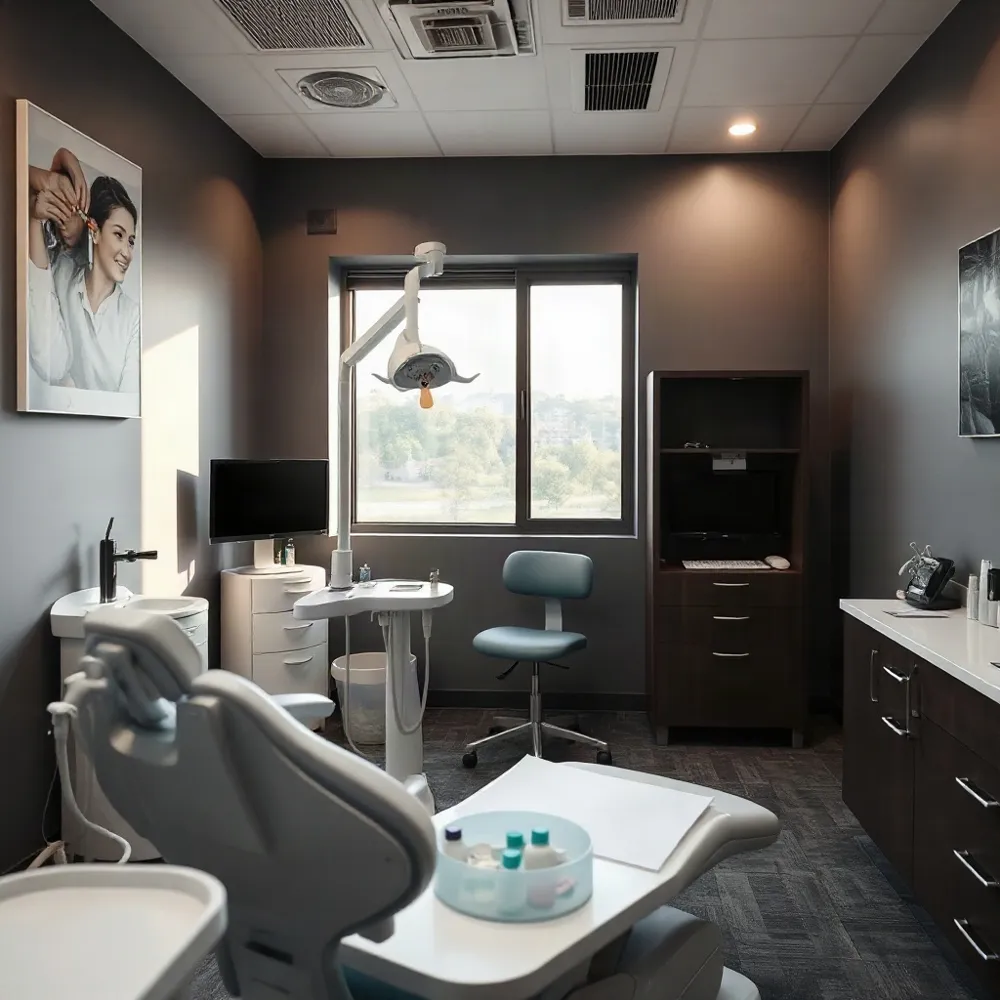 A routine appointment commonly combines a professional cleaning with an examination by the dentist. The cleaning may include scaling away plaque and tartar, followed by flossing and polishing. This professional care can remove hardened buildup that brushing and cleaning between teeth may leave behind, but it complements rather than replaces daily home care. The Cleveland Clinic’s guide to dental cleanings explains what cleaning may involve.
At Ashley E. Burns, DDS, a visit is an opportunity to discuss changes or concerns as well as receive preventive care. The dentist examines the teeth and gums and may assess how the teeth fit together. Share symptoms, oral-care habits, changes in your health or medications, and questions about your mouth so the dental team can consider them when discussing findings and next steps.
X-rays are not necessary at every visit. A dentist may recommend them based on your oral health, history, and areas of concern; imaging can reveal some problems that a visual examination cannot. The MedlinePlus overview of dental exams notes that X-ray frequency depends on a person’s dental health.
An examination may also include looking for unusual changes in the mouth, such as areas that need further assessment. This is not a guaranteed part of every routine visit, so ask what your exam includes. A screening can flag a concern for follow-up, but it does not diagnose cancer.
Recognizing and Monitoring Gum Disease
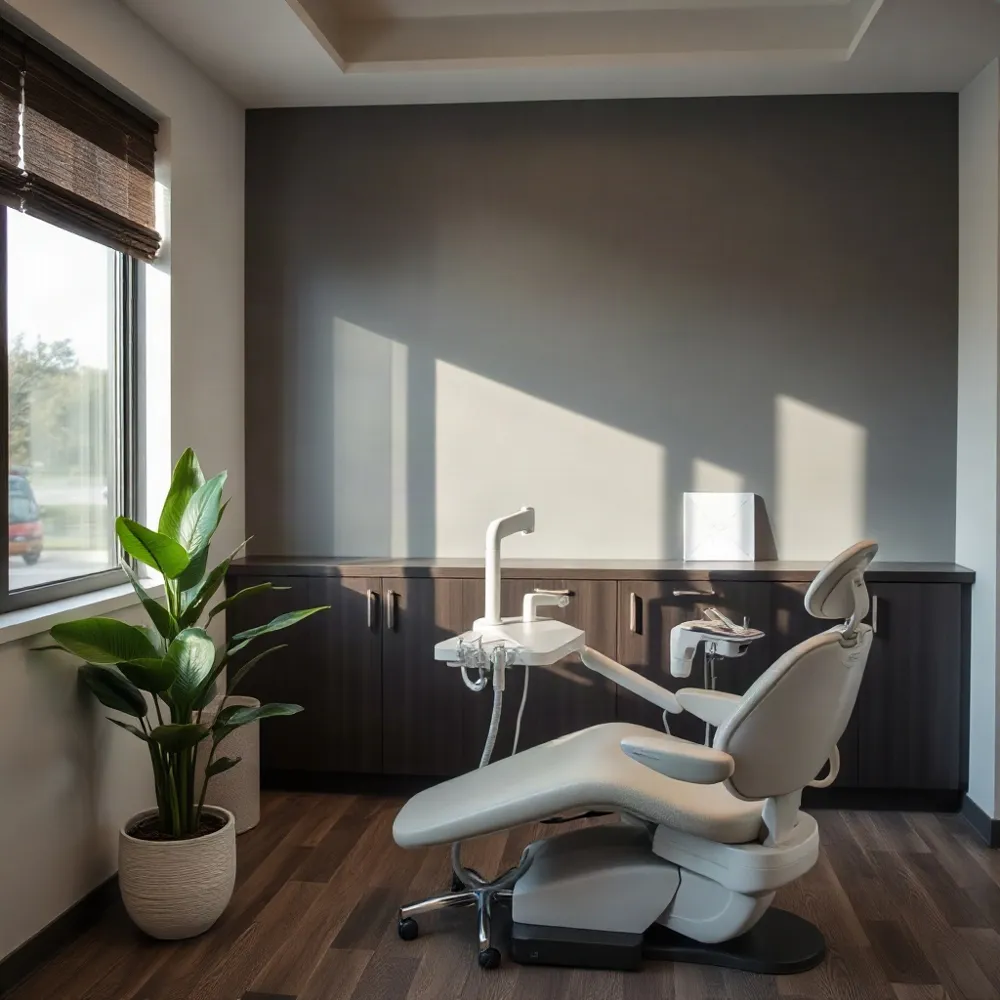 Gum disease can begin without pain, so healthy-feeling gums do not always tell the full story. Mild bleeding or redness, especially when brushing, can be an early sign worth mentioning to your dental team. For more on changes to watch for, see this guide to recognizing early signs of gum disease.
Can a dentist detect gum disease during an exam? A dentist can examine your gums for signs of disease and discuss symptoms or changes you have noticed. At Ashley E. Burns, DDS in Midland, conversations about your concerns can help inform care suited to your oral health needs. Ask the dentist to explain any findings and recommended next steps.
Tartar, hardened plaque that can collect along the gumline, may contribute to gum problems and requires professional removal. Brushing twice a day with fluoride toothpaste and cleaning between teeth daily help manage plaque at home, but they do not replace professional care. The American Dental Association’s home-care guidance recommends regular dental visits alongside these daily habits.
Choosing an Appropriate Visit Schedule
About every six months is a common schedule for dental exams and cleanings, but it is a starting point, not a rule for everyone. MedlinePlus notes that many adults and children follow this interval, while individual needs can call for a different schedule.
The American Dental Association’s evidence review did not establish one optimal interval for all patients. Instead, it advises tailoring recall visits to assessed disease risk and personal needs, as explained in its home oral care guidance.
A dentist may recommend more frequent visits for people with gum concerns, recurring cavities, existing dental disease, orthodontic treatment, or other factors that raise their risk. At Ashley E. Burns, DDS in Midland, the schedule can reflect a patient’s dental history and current needs rather than relying only on a standard interval.
Regular visits also let the dental team compare changes over time, monitor areas of concern, and adjust prevention advice as oral health or circumstances change. Ask your dentist what interval suits you, and whether any findings call for follow-up sooner than your next routine exam.
Home Care Between Dental Visits
Daily habits and professional dental visits support each other. Brushing and cleaning between teeth help reduce plaque, but they do not replace an examination or professional cleaning. At Ashley E. Burns, DDS, preventive care can include guidance shaped around each patient’s oral health and concerns.
The American Dental Association’s home oral care recommendations include brushing twice a day for two minutes with fluoride toothpaste, cleaning between teeth daily, limiting sugary drinks and snacks, and seeing a dentist regularly. These habits help lower the risk of cavities and gum disease, while visits allow a dental professional to assess changes and discuss prevention.
There is no single best way to clean between teeth for everyone. Options include dental floss, interdental brushes, and oral irrigators. Choose a method you can use regularly and effectively, and ask your dental professional for help with technique or product selection.
Your needs may change with your oral health, preferences, or risk of disease. The ADA advises working with a dentist to personalize home care, including whether additional products or devices may be useful. Sharing what feels manageable in your routine can help the dental team offer practical advice you are more likely to follow.
Comfort and Questions About Costs
Dental visits can raise practical concerns as well as questions about oral health. At Ashley E. Burns, DDS, patient education is part of comprehensive, patient-centered care, so it is reasonable to ask what an exam or cleaning will involve before it begins.
Are dental cleanings supposed to hurt?
A cleaning may feel uncomfortable, but it is usually not painful, according to MedlinePlus. If you feel anxious or have concerns about discomfort, tell the dental team and ask what to expect. Sharing this before the cleaning gives the team a chance to explain the steps and discuss ways to make the visit more comfortable.
Some tenderness or sensitivity can occur after cleaning, but persistent pain should not be left unmentioned. If a tooth still hurts after an exam and the cause was not clear, follow up with your dentist, explain that the pain continues, and ask what evaluation or next step is appropriate. The available guidance does not establish a specific diagnostic pathway for unexplained pain. Contact a dentist promptly about tooth pain rather than waiting for a routine visit.
What affects the cost of an exam and cleaning without insurance?
The sources provided do not give a price for an uninsured exam and cleaning, and fees vary by practice and by the services performed. Before proceeding, ask the dental office for an estimate, what the quoted fee includes, and whether any recommended additional care would be billed separately. This can help you understand the expected costs without assuming that a particular service or charge applies.
For other questions about preparing for a visit or discussing concerns, see comfort and questions about costs.
A Child’s First Dental Visit
The sources available here do not establish a specific age or milestone for a child’s first dental visit. Rather than rely on a general rule, ask a dentist or pediatric dental professional when to schedule an initial appointment based on your child’s needs.
At the visit, ask how often your child should return and what signs or changes should prompt an earlier appointment. Regular dental exams are part of oral health care for children, but the appropriate timing can vary. A dental professional can offer guidance tailored to your child.
For general background on children’s dental exams and oral care, see MedlinePlus’s overview of dental exams.
Keep Prevention Part of Your Routine
Pain-free days are welcome, but they cannot confirm that teeth and gums are healthy. Brush with fluoride toothpaste and clean between teeth daily; routine visits let your dental team assess changes and answer questions.
At Ashley E. Burns, DDS, patient-centered care makes room for conversations about prevention and concerns. Follow a schedule recommended for your needs, and report new symptoms or changes. Preventive visits support informed decisions, though they cannot prevent every problem.