
A New Foundation for a Denture
Implant-supported dentures replace several missing teeth with a denture secured to small posts placed in the jawbone. Unlike a conventional denture that rests on the gums, this design uses implants for support, helping the denture stay stable during eating and speaking. Cleveland Clinic’s overview of implant-supported dentures explains the main options and care considerations.
Treatment usually begins with an evaluation of oral health, jawbone condition, and medical history. The plan may include implant placement, a healing period, and fitting a custom denture. Depending on the design, the denture may be removable for daily cleaning or fixed in place and cleaned in the mouth.
Healing and treatment timing vary, particularly if preparatory care such as bone grafting is needed. At Ashley E. Burns, DDS, treatment planning considers the patient’s circumstances and preferences, with ongoing care and regular dental visits forming part of maintaining the result.
How Implant-Supported Dentures Work
 Implant-supported dentures attach to small posts placed in the jawbone, instead of resting only on the gums. The posts act like replacement tooth roots and hold the denture in place, which can reduce shifting during eating and speaking compared with conventional dentures. Learn more about implant-supported dentures.
At Ashley E. Burns, DDS, the denture design is considered as part of an individual treatment plan, with the patient’s oral health and preferences guiding the discussion. The right option depends on factors such as jawbone health and medical history, so a dental evaluation helps determine which design may be suitable.
What types of implant-supported dentures are available?
A fixed, or hybrid, denture stays attached to the implants and cannot be removed at home. A dentist can take it off for maintenance. Patients clean a fixed denture in place, brushing it and using tools such as floss threaders or interproximal brushes to reach beneath it.
A removable denture snaps onto the implants and can be taken out each day for cleaning. An implant-supported partial may also be considered when several teeth are missing in separate areas. The dentist can explain how each design fits the patient’s needs and daily care routine.
Evaluation and Treatment Planning
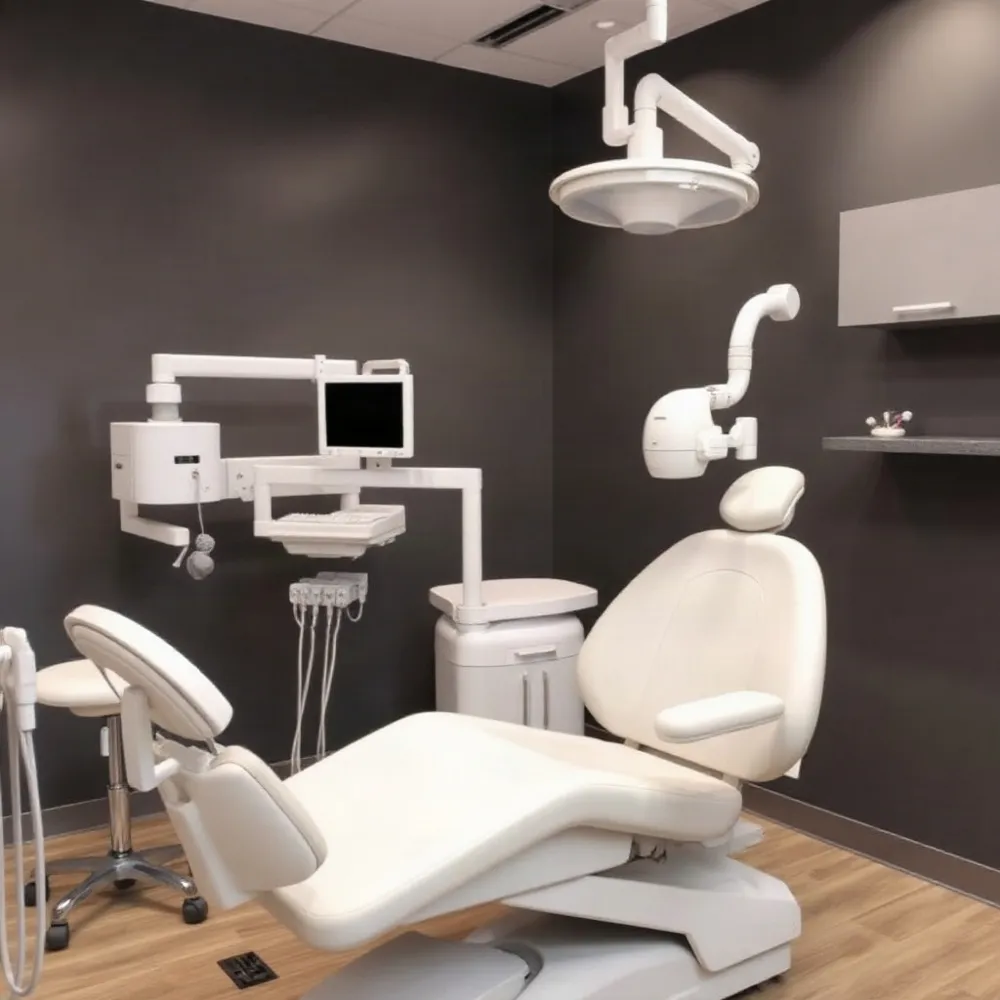 Before deciding on implant-supported dentures, a dentist reviews oral health, medical history, medications, and treatment goals. At Ashley E. Burns, DDS in Midland, Texas, comprehensive dental care provides a setting for discussing how these factors relate to a patient’s options. The evaluation and treatment-planning process can include an examination and dental imaging to assess the jawbone and plan implant placement.
Imaging, such as X-rays or three-dimensional scans, helps show whether the jawbone can support implants and whether other treatment may be needed. Planning also considers the patient’s general health and preferences, including whether a removable or fixed denture may be a suitable fit. Mayo Clinic’s overview of dental implant surgery describes how examination findings and jawbone condition inform an individualized treatment plan.
People missing most or all teeth, or several teeth in separate areas, may be considered, but candidacy is assessed individually. If bone has lost volume or density, grafting may help rebuild a foundation for implants, though the grafted area needs time to heal before placement. Damaged or decayed teeth may also need extraction as a preparatory step. The Cleveland Clinic’s guidance on implant-supported dentures explains that bone grafting and other needed procedures can affect the treatment sequence and timing.
The Treatment Stages and Timeline
 Treatment follows a series of steps, but the order and timing depend on oral health, bone condition, and the type of denture planned. At Ashley E. Burns, DDS, treatment planning takes the patient’s needs into account rather than assuming every case follows the same schedule.
If teeth are damaged or decayed, they may need to be removed before implants are placed. When the jawbone lacks enough volume or density, bone grafting may be recommended to build support. A graft must heal before implant placement, which can add several months to treatment. Cleveland Clinic’s overview of implant-supported dentures describes these preparatory steps and the way treatment varies by patient.
A surgeon, often an oral surgeon or periodontist, places the implants in the jawbone. The implants then need time to integrate, or fuse, with the bone. This commonly takes about three to six months, though individual healing and any grafting can affect the schedule.
During integration, a patient may wear a functional healing denture. It can provide a temporary set of teeth, but it does not attach to the implants, allowing them to heal without pressure from the final restoration. Whether this is suitable depends on the treatment plan.
Once the implants have healed, the dentist takes impressions of the dental arches. A dental laboratory uses them to make a custom denture, which the dentist then attaches to the implants and checks for fit. The implant treatment stages and timeline offer a further look at how preparation, healing, and restoration fit together.
Because grafting, healing, and restoration needs differ, the overall process may take several months or longer. Ashley E. Burns, DDS can explain the expected sequence and timing as part of an individualized treatment plan.
Recovery and What to Watch For
Recovery after implant placement varies, but many people feel back to normal within about a week. That early improvement does not mean the implants are fully healed: they continue integrating with the jawbone for several months. Cleveland Clinic’s recovery guidance describes this difference between feeling better and completing the healing process.
Routine activities may often resume within two to three days after surgery. Avoid strenuous exercise for at least 48 hours, since exertion can increase discomfort or bleeding. These are general expectations, not a personal schedule; follow the instructions from your dentist or surgeon, especially if your procedure included additional treatment.
Healing may take longer when bone grafting has been performed. If your recovery is slower than expected, contact your dental team for advice rather than changing your care routine on your own. For more context on the broader healing period, see what to expect after implant placement.
Contact your dentist promptly for severe bleeding, pain that does not improve with medication, pus or other signs of infection near the implants, or a fever of at least 101°F (38.22°C). These symptoms warrant professional guidance rather than waiting for a routine follow-up.
Daily Care and Long-Term Maintenance
Daily cleaning helps protect both the denture and the tissues around its supporting implants. The routine depends on whether the denture is removable or fixed, so follow the care instructions for your specific design.
How should removable and fixed dentures be cleaned?
Removable implant-supported dentures can be taken out for cleaning. Clean them at least twice a day and soak them overnight in denture solution. Fixed dentures stay in place at home; brush them with a soft-bristled toothbrush and nonabrasive toothpaste, and use floss threaders or interproximal brushes to reach beneath them. These care recommendations are described by the Cleveland Clinic.
Do implant-supported dentures need to be removed at night? That depends on the design: removable dentures can be taken out for cleaning, while fixed dentures are cleaned in the mouth. Whether an upper denture covers the roof of the mouth also depends on the specific prosthesis, so ask your dentist how yours is designed and cared for.
Brush and floss thoroughly around the implants, and keep regular dental exams and professional cleanings. These visits give the dental team a chance to check the surrounding tissues, review your cleaning technique, and identify maintenance needs. Patients at Ashley E. Burns, DDS can ask their dental team to clarify which tools and routine suit their implant-supported denture.
How long do the denture and implants last?
With proper care and maintenance, dental implants may last a lifetime, while the overdenture attached to them generally needs replacement every 15 to 20 years, according to the Cleveland Clinic. These are general expectations, not a guarantee; ongoing exams help assess the condition of both the implants and denture. For more guidance, see these daily care and maintenance practices.
Benefits, Risks, and Practical Considerations
Implant-supported dentures may be worth discussing if you are missing several or most teeth and want more stability than a denture resting only on the gums. Possible benefits include improved chewing and speaking, a natural-tooth appearance, and stimulation of the jawbone that can help limit bone loss. Cleveland Clinic outlines these potential benefits and notes that results and suitability depend on the individual.
Ashley E. Burns, DDS, in Midland, Texas, emphasizes patient education and care shaped around individual needs. An evaluation can help clarify how jawbone condition, overall health, denture design, and personal goals affect the balance of benefits and risks.
What are the potential disadvantages and risks of implant-supported dentures?
Treatment requires surgery and healing time. Possible complications include infection, nerve damage, injury to the mouth, and sinus perforation; Cleveland Clinic describes these risks as usually minimal. A dental evaluation can explain which concerns apply to your circumstances and whether other options should be considered.
How much do implant-supported dentures cost, and what factors influence the price?
The available medically reviewed clinical information does not provide a price range. An estimate may depend on the denture design and whether preparatory care, such as tooth extraction or bone grafting, is needed. Ask the dental practice for an individualized estimate and check with your insurer about coverage.
Related Implant Options and Design Questions
All-on-4® is one specific type of fixed implant denture. It replaces a full arch with four implants, rather than naming every kind of implant-supported denture. Other designs may be fixed or removable, and the right choice depends on factors such as jawbone health, medical history, and personal preference, as Cleveland Clinic explains.
How do implant-supported dentures compare with All-on-4 treatment?
All-on-4 is a fixed full-arch option; a removable implant-supported denture can instead be taken out for cleaning. During treatment planning with Ashley E. Burns, DDS, patients can discuss the proposed design and how it relates to their oral health and preferences.
What does the 3/2 rule for dental implants mean?
The supplied clinical guidance does not establish a universal “3/2 rule” for dentures. The phrase may refer to supporting a three-tooth bridge with two implants, a different restoration concept. Ask your dentist to explain the proposed number and placement of implants, whether the denture is fixed or removable, and how the design suits your teeth, bite, and bone support.
A Plan Shaped Around Your Needs
Implant-supported denture treatment involves several stages, and the pace depends on healing, jawbone health, and the design selected. Your care instructions may also differ depending on whether the denture is removable or fixed.
Discuss your jawbone health, treatment options, expected timing, possible risks, daily care, and individualized costs with a dental professional. At Ashley E. Burns, DDS, patient-centered care includes helping patients understand their treatment choices and what to expect.
Clear guidance and regular maintenance remain part of the process after the denture is fitted. With a plan tailored to your needs and ongoing dental care, you can approach each stage with a better understanding of what comes next.