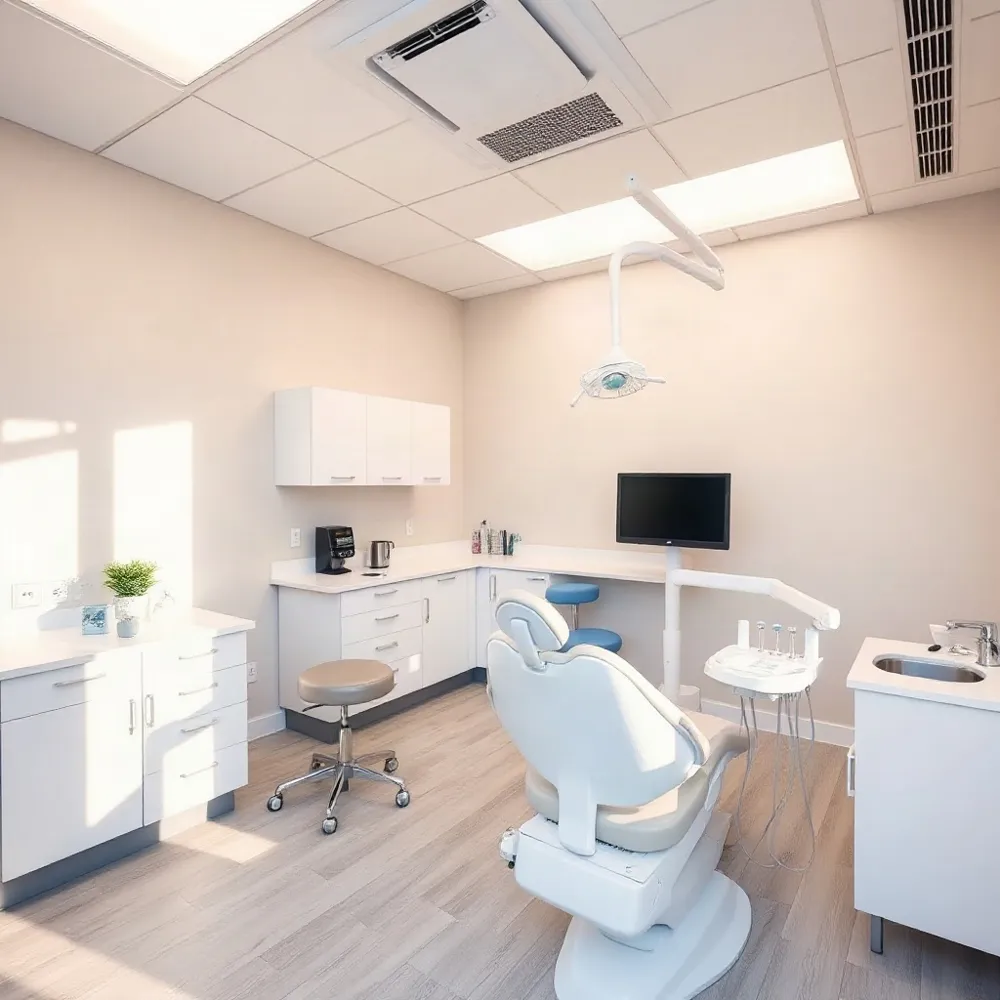
Understanding the Foundation of Permanent Tooth Replacement
Restoring a smile requires more than just replacing a visible tooth. Modern dental implant surgery offers a high-strength, long-term solution for missing teeth by replicating the natural root structure. At ashleyburnsdds.com, we prioritize this biological integration to ensure your restoration functions naturally, standing in stark contrast to traditional bridges that may require the filing of healthy adjacent teeth.
The success of these implants relies on osseointegration, a process where the titanium post bonds directly with your jawbone. This stability provides a durable base that prevents the bone loss often associated with tooth extraction. Unlike practices that rely solely on conventional impressions, our team at ashleyburnsdds.com utilizes advanced digital imaging and diagnostic tools to tailor every restoration to your unique anatomy. This precise approach ensures safer, more predictable outcomes compared to standard, one-size-fits-all replacement methods.
Achieving a lasting result is a collaborative journey that begins with a thorough evaluation. We focus on patient-centered care at ashleyburnsdds.com, ensuring that every crown or prosthesis is fitted with exacting standards for comfort and longevity. By choosing a dedicated restorative approach, you are investing in a future where your teeth feel, look, and perform with the reliability of your natural smile.
What Defines a Dental Implant Restoration
 A dental implant is a small, threaded post typically made of titanium that is surgically placed into the jawbone to act as an artificial tooth root. It is considered a dental restoration because it serves as the foundational, permanent base for prosthetic teeth, such as crowns, bridges, or dentures, which repair or replace missing teeth. By integrating with the jawbone, the implant provides the necessary stability and function for these prosthetics, allowing your replacement teeth to look, feel, and perform like natural ones. Beyond simply filling gaps in your smile, dental implants are a restorative treatment that helps preserve your jawbone health and facial structure. Once completed, this multi-part system—consisting of the implant, an abutment, and the final restoration—offers a durable, long-term solution for tooth loss.
The Anatomy of a Restoration
Understanding the three-part system of an implant is vital for patients considering long-term tooth replacement. The process begins with the titanium post, which serves as a secure, biocompatible anchor. This part relies on osseointegration, a biological process where the jawbone fuses directly to the implant, creating a foundation that does not rely on adjacent teeth for support.
- Implant post: The artificial root that secures the restoration into the jawbone.
- Abutment: The connector piece that bridges the post to the visible portion of the tooth.
- Prosthetic: The custom crown, bridge, or denture that restores full chewing function and aesthetic appeal.
Unlike traditional dental bridges, which often require the grinding down of healthy neighboring teeth for support, implants stand independently within the jaw. This preservation of surrounding natural teeth makes them a preferred choice for many patients. Furthermore, while dentures frequently require messy adhesives and can feel unstable during daily activities, implants offer a permanent, secure feel that prevents bone loss and facial sagging by maintaining active stimulation in the jaw.
Life-Changing Benefits and Health Improvements
 Dental implants offer more than a cosmetic upgrade, serving as a functional investment in your ongoing wellness. Unlike traditional dentures that may require messy adhesives or consistent adjustments, implants integrate directly into your anatomy to provide a permanent, stable solution that mimics the feel and performance of natural teeth.
A common point of comparison involves traditional bridgework versus implants. While bridges often necessitate the filing down of healthy adjacent teeth, implants are designed to stand alone, preserving the integrity of your remaining natural dentition. Patients at ashleyburnsdds.com often find that this stability removes the anxiety of slippage common with removable alternatives, allowing for clear speech and confident social interaction.
How can dental implants improve my overall health and quality of life?
Dental implants significantly enhance your quality of life by restoring your natural ability to chew, speak, and smile with confidence. Beyond functional improvements, they protect your long-term health by preventing jawbone deterioration and preserving your natural facial structure. Unlike traditional removable options, implants are fixed in place, providing a stable and comfortable solution that feels and functions much like your natural teeth. By eliminating the pain and frustration often associated with tooth loss, this restorative treatment allows you to enjoy a wider variety of foods and maintain a healthier, more balanced diet. Ultimately, choosing dental implants is an investment in your well-being that boosts your self-esteem and supports overall oral health for years to come.
The mechanical benefits are well-documented. Research indicates that dental implants deliver a stable foundation by bonding directly with the jawbone, a process that avoids the bone resorption often triggered by missing roots. By stimulating the bone, you maintain your facial contours, which prevents the sagging often associated with long-term tooth loss. Since implants cannot decay, they offer a durable, lifetime-focused solution for those looking to bypass the recurring costs and maintenance intervals associated with traditional dentures or bridges.
Biological Requirements and the Osseointegration Process
Achieving a successful, long-term tooth replacement relies on the biological phenomenon known as osseointegration. This process involves the jawbone naturally growing into and bonding with the surface of the titanium implant. By serving as a solid anchor, this fusion creates a foundation that mimics the stability of a natural tooth root. Because this integration requires several months to complete, it remains a defining characteristic of the implant journey, distinguishing it from immediate restoration options.
Patients often observe that an implant feels unique compared to a natural tooth during biting. This difference exists because natural teeth are attached to the bone by a periodontal ligament, which acts as a shock absorber. Because implants lack this ligament, they do not provide the same sensory feedback for pressure, necessitating precise occlusal adjustments by your dentist to ensure long-term comfort and protection against premature contact, as noted by Spear Education.
What is an important detail patients should know about how dental implants function?
The foundation of a durable implant is sufficient jawbone density. Without adequate bone volume, the post cannot achieve the stability required to support a crown or bridge. If bone quality or quantity is insufficient, advanced diagnostic imaging helps determine if a bone graft is necessary to build a secure base. At ashleyburnsdds.com, we utilize precise diagnostic tools to evaluate your bone health before beginning, ensuring your treatment plan is built on a stable biological platform.
Are there specific health conditions that affect dental implant candidacy?
Systemic health plays a significant role in how well your body accepts and integrates an implant. Conditions that impair healing, such as uncontrolled diabetes or certain autoimmune issues, may be evaluated closely during your consultation. While these do not automatically exclude you from treatment, they require an honest discussion about risks and healing timelines. A thorough assessment of your oral and general wellness is the standard of care to ensure that your investment in your smile is both safe and predictable.
Verification of Implant Readiness and Final Restoration
Determining when a dental implant is ready for its final restoration is a critical step in ensuring long-term success. The primary requirement is the completion of osseointegration, a process where the implant fixture fuses securely with the surrounding jawbone. To confirm this, we perform a comprehensive evaluation that includes clinical stability tests to ensure the implant is immovable.
We utilize advanced diagnostic tools, such as digital radiographs and 3D CBCT imaging, to precisely assess the bone density and healthy integration around the implant site. This meticulous verification often involves a team approach between the oral surgeon and the restorative dentist, ensuring every detail is perfectly aligned for the final crown.
Once these assessments confirm the implant is fully stable, we focus on the fabrication of your custom prosthetic. Creating this visible replacement requires careful coordination to match the shade, shape, and size of your natural teeth. By verifying impression posts are fully seated and checking for precise occlusal contacts, we ensure the final restoration functions reliably while providing a seamless aesthetic result.
Maintaining Longevity and Addressing Complications
 The long-term outlook for dental implants is excellent, as they are designed to be a durable restorative solution that can function for decades. While the titanium implant post provides a permanent foundation, the visible crown may require replacement every 10 to 15 years due to normal daily wear. Most implants remain functional long-term, with success rates documented as high as 98 percent after 10 years.
What is the long-term outlook for dental implants?
Sustained oral health depends largely on diligent preventative care. Patients must maintain a routine of daily brushing and flossing, using non-abrasive products to protect the restoration. Regular professional cleanings are essential to prevent peri-implantitis, an inflammatory condition caused by bacterial accumulation that can lead to bone loss. For individuals seeking restorative support in Midland, Texas, establishing a consistent partnership with a dental professional ensures that these complications are identified early, protecting your investment for a lifetime.
Can failed dental implants be treated or redone?
Yes, in many cases, a compromised implant can be addressed, repaired, or replaced. If you experience mechanical issues, such as a loose abutment or a fractured crown, your dentist will perform an examination using diagnostic imaging to determine the underlying cause. Treatment for mechanical failure often involves replacing the damaged prosthetic components, while biological failures like infection may require targeted therapies to restore the surrounding gum tissue and bone.
If an implant must be replaced, the area is treated to address the primary cause of failure, and the tissue is allowed to reach a healthy state before placing a new post. Identifying symptoms early is the best way to prevent systemic issues or complete implant failure. If you notice persistent discomfort or increased mobility, scheduling a professional evaluation is the mandatory first step to determining a path forward for your long-term wellness.
Investing in Your Smile for the Future
Choosing dental implants is a lasting investment in your health, offering durability and function that traditional options often lack. At ashleyburnsdds.com, we prioritize your long-term wellness through precise care tailored to your unique anatomy. Schedule a consultation today to discover how we can help you regain your confidence and maintain a healthy, vibrant smile for years to come.