When Your Bite Feels Different
Chewing depends on how your upper and lower teeth meet and share pressure. When teeth are worn, damaged, or missing, that balance can change, making some foods harder to chew or leaving your bite feeling different. These symptoms can have several causes, so they do not by themselves show that extensive treatment is needed.
Full-mouth rehabilitation is not a single procedure. It is an individualized plan that may coordinate restorative treatments, tooth replacement, or orthodontics to address problems affecting bite function across the mouth. Whether it can help depends on a dental examination and diagnosis of the teeth, gums, and jaw.
This article looks at signs of bite problems, how treatment is planned, the options that may be considered, and what to expect during recovery. It also covers practical decisions, including costs and the ongoing care restorations may need.
Understanding Full-Mouth Rehabilitation
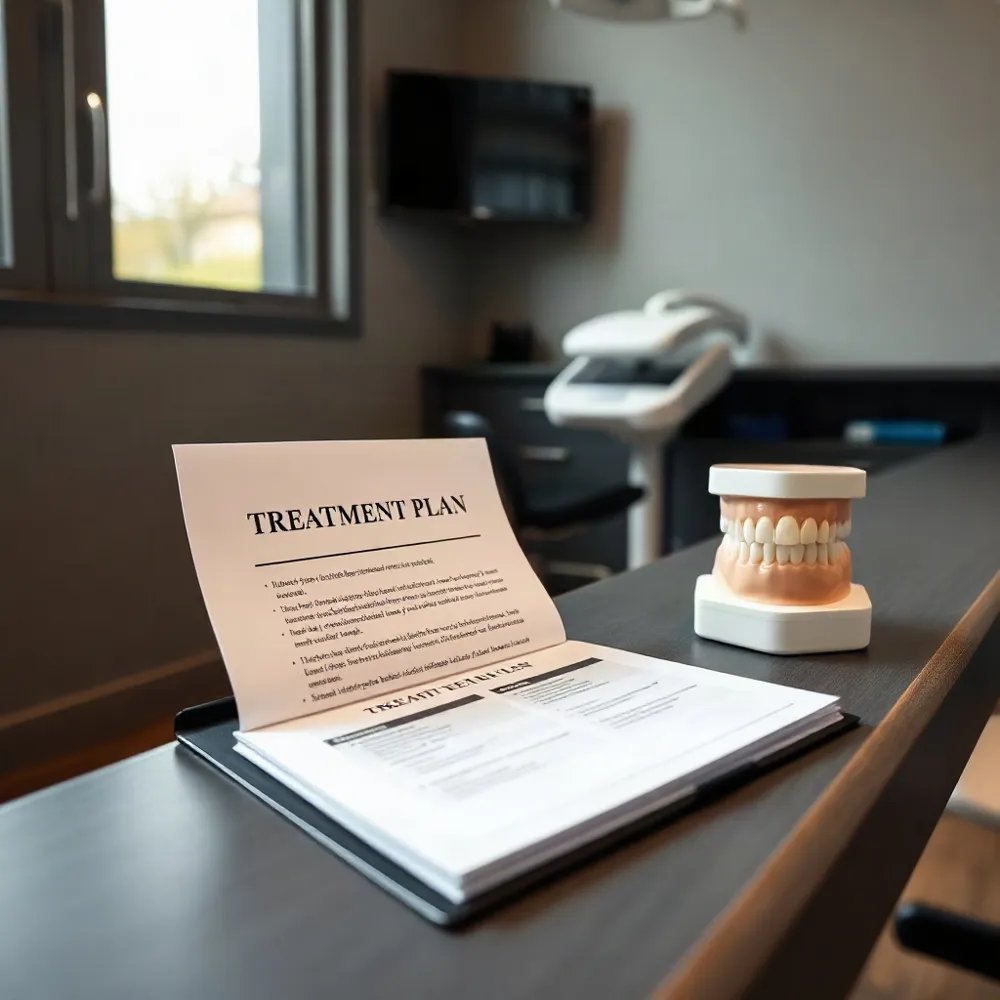 Full-mouth rehabilitation, also called full-mouth reconstruction, is a customized plan to restore the health, function, and appearance of many teeth and related oral structures. The American College of Prosthodontists describes it as rebuilding or replacing teeth, with treatment tailored to each patient.
A dentist may consider a coordinated plan when several concerns affect oral health or daily comfort. These can include extensive decay, worn or broken teeth, missing teeth, failing fillings or crowns, gum disease, bite problems, difficulty chewing, or ongoing jaw discomfort. Damage from grinding, acid erosion, or injury may also be relevant. When treating individual problems has not resolved the broader concerns, a full-mouth evaluation may help clarify what is contributing to them.
Depending on the examination, care may involve fillings, crowns, bridges, dental implants, root canal therapy, periodontal treatment, orthodontics, or care for jaw discomfort. Not every patient needs all of these treatments, and a comprehensive plan is not always necessary. The dentist assesses the teeth, gums, bite, and patient’s goals before recommending whether to coordinate treatment or take a more limited approach.
People with several damaged, worn, decayed, or missing teeth, failing dental work, gum disease, or chewing and jaw concerns may benefit from an evaluation. Ashley E. Burns, DDS’s practice describes its care as comprehensive and patient-centered. For more background on treatment goals and who may benefit, see understanding full-mouth rehabilitation.
Recognizing Possible Bite Problems
A bite problem may show up as an uneven feeling when you close your mouth or chew. Crowded or crooked teeth, frequent cheek biting, difficulty chewing or speaking, or front teeth that do not meet as expected may also be clues.
Notice changes in your teeth, too. Uneven wear, chipped or broken teeth, or teeth that feel short, flat, or uncomfortable during chewing may warrant an assessment. Some people adapt by chewing on one side, avoiding certain foods, or waking with soreness. These observations can help describe what you are experiencing, but they do not diagnose the cause.
Jaw discomfort, headaches, clicking, stiffness, and muscle tension can occur alongside bite problems, but they may have other causes. The American College of Prosthodontists notes that comprehensive reconstruction may address widespread dental problems and support chewing function; whether it is appropriate depends on the individual.
At ashleyburnsdds.com, an individual dental evaluation can help determine whether symptoms relate to tooth contact, jaw movement, or another concern. A dentist can examine how the teeth meet and assess jaw movement before discussing suitable next steps.
For more examples of changes to watch for, see this guide to possible bite problems.
Choosing Treatment for Bite Alignment
Treatment for a misaligned bite depends on what is causing it and how much it affects the teeth and jaw. The issue may involve tooth position, worn or missing tooth structure, jaw alignment, or several factors together. A dentist can assess the bite and, when needed, refer you to an orthodontist or oral surgeon. The American College of Prosthodontists notes that comprehensive reconstruction may include orthodontic treatment alongside restorative care.
When teeth are healthy but out of position, braces or clear aligners may gradually move them while preserving their natural structure. Crowns and other restorations may be considered when teeth are worn or damaged. Bridges or implants can replace missing teeth and help restore support for chewing.
Some treatment plans combine approaches, such as orthodontics followed by restorative work to refine the bite. Significant misalignment involving the jaw itself may require orthodontic or surgical care. Treatment can take several months to a few years, depending on the methods used, the complexity of the case, and adherence to care instructions.
Bite adjustment and restoration design should be planned together so that natural teeth and restorations work as a coordinated system. At ashleyburnsdds.com, an individual evaluation can help identify whether the concern is tooth position, damaged or missing teeth, or a combination, and guide discussion of suitable care. Results vary by diagnosis and plan, so treatment should not be expected to relieve pain or prevent future problems in every case.
Planning Care in Stages
 Planning starts with a conversation about your goals and medical and dental history. The dentist examines your teeth and gums, reviews existing dental work, and assesses how your bite and jaw function.
When appropriate, X-rays, photographs, digital scans, or impressions can provide more detail for diagnosis and planning. Comprehensive reconstruction may combine several treatments, with the specific choices guided by the condition of your teeth and your functional needs, as described by the American College of Prosthodontists.
The resulting plan sets out an individualized sequence. Care may begin by treating active decay, gum disease, or infection, or removing teeth that cannot be saved. Once the foundation is stable, treatment may include preparing teeth, placing implants or other replacements, and fitting crowns, bridges, or dentures. Orthodontic care may also be considered when tooth position needs to change.
Temporary restorations may help you eat and speak while treatment progresses. They can also give the dentist an opportunity to review comfort and bite function before final restorations are placed. At Ashley E. Burns, DDS, treatment planning is tailored to the patient’s oral health, priorities, and goals.
The overall timeline depends on the procedures involved and how healing progresses. Implant treatment or other surgery can extend the course of care, so your dentist can explain the expected stages and timing for your individual plan.
Replacing Many or All Teeth
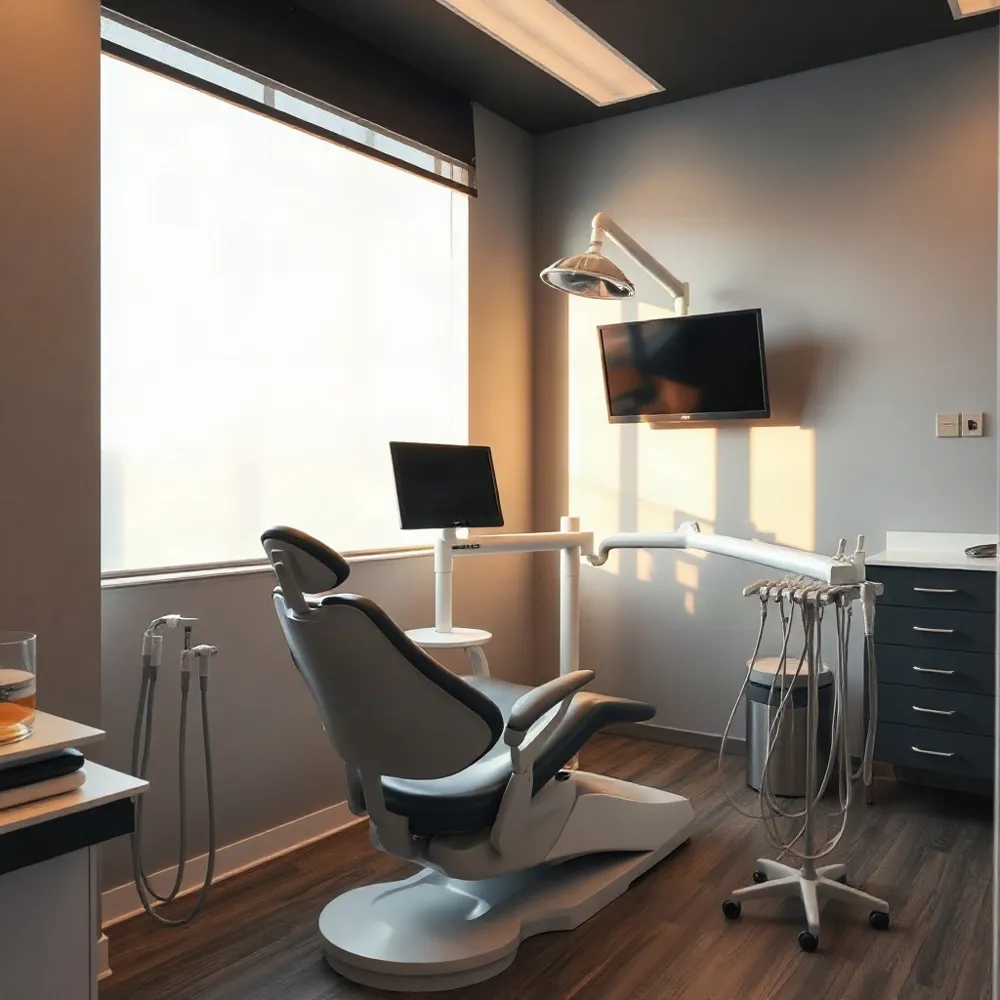 When many teeth are missing, options may include removable partial or full dentures, implant-supported dentures, or a fixed implant-supported bridge. The American College of Prosthodontists describes full-mouth reconstruction as a personalized approach that may include bridges, implants, or dentures to restore teeth and function (full-mouth reconstruction).
Conventional dentures rest on the gums and can be taken out for cleaning. Implant-supported dentures attach to implants for added stability and may be removable or fixed. A fixed full-arch bridge is not removed by the patient; implants support the replacement teeth. Learn more about options for replacing many or all teeth.
The right approach depends on oral health, jawbone condition, preferences, and budget. Implants are not suitable for everyone, and the assessment should also consider whether dentures or treatment in stages may be appropriate. At ashleyburnsdds.com, an individual evaluation can help clarify which options fit the patient’s needs and treatment goals.
Implant treatment can involve substantial upfront costs, and insurance coverage varies. Because placement requires surgery, possible complications include infection, bleeding, or delayed healing; less commonly, nearby teeth or nerves may be damaged. Healing can take weeks or months, and temporary soreness, swelling, or eating restrictions may occur.
Replacement teeth or supporting components may later need adjustment, repair, or replacement because of wear or damage. Discussing likely costs, healing, risks, and alternatives with a dentist can help set realistic expectations. ashleyburnsdds.com can review these considerations as part of an individualized discussion of dentures, implants, and staged care.
Considering Cost and Recovery
Full-mouth reconstruction has no standard price. The total depends on your oral health, the procedures and materials involved, and the complexity of the plan. Comprehensive care may involve substantial expense, but only an examination and personalized treatment plan can provide a useful estimate. The American College of Prosthodontists’ overview of full-mouth reconstruction describes how treatment can combine different restorative options according to a patient’s needs.
Insurance coverage varies by plan. Some medically necessary procedures may qualify for benefits, while limits and exclusions can leave a significant balance. Ask for a pre-treatment estimate and confirm coverage with your insurer. Depending on the practice and your eligibility, payment plans, third-party financing, or HSA and FSA funds may be options. Phasing treatment may also help spread costs. For more on planning expenses, see cost and financing considerations for full-mouth rehabilitation.
Recovery depends on the procedures and your individual healing. Light activities may be manageable within days, while soreness or gum healing can continue longer. Implants need time to integrate with the jaw before final restorations are placed, and bone grafting or other complex care can extend the overall treatment timeline. Ashley E. Burns, DDS can discuss the expected sequence and recovery needs as part of an individualized evaluation.
Ask your dentist for a personal recovery estimate, including when to return to usual activities and what foods to avoid during healing.
Weighing Benefits and Commitments
Full-mouth rehabilitation may be worth considering when several problems, such as missing or severely damaged teeth, affect comfort, oral health, or the ability to chew and speak. The American College of Prosthodontists’ overview of full-mouth reconstruction describes possible plans that combine restorative care with attention to function and appearance.
Treatment may aim to rebuild tooth structure, improve chewing, and support a more stable bite, while also addressing appearance. These are potential goals, not guaranteed results: symptom relief and functional changes depend on the diagnosis and treatment plan. At ashleyburnsdds.com, care is grounded in an individual assessment of oral health and treatment goals, rather than assuming every patient needs comprehensive reconstruction.
The commitment can be substantial. Treatment may take months, with healing after procedures and an adjustment period as the bite changes. Costs depend on the procedures involved, and restorations require ongoing dental visits and daily home care.
Ask whether comprehensive treatment, a phased approach, or a more limited plan fits your needs. Discuss the proposed procedures, possible risks, recovery expectations, estimated costs, and long-term maintenance before deciding. The best choice depends on your diagnosis and goals, as well as your budget and readiness to attend follow-up visits and maintain daily oral hygiene.
Start With an Individual Evaluation
Full-mouth rehabilitation may improve bite function when treatment addresses the causes of an uneven bite, such as worn, damaged, or missing teeth. The American College of Prosthodontists’ overview of full-mouth reconstruction describes improved chewing as a possible outcome, not a guarantee.
If your teeth meet unevenly, show extensive wear, or make chewing difficult, a dental assessment can help identify what is happening. A dentist can evaluate your teeth, bite, and overall oral health before recommending care. Information about full mouth rehabilitation and its benefits can help you prepare questions for that conversation.
Before deciding, discuss which treatments may be appropriate, how they would be sequenced, expected recovery, costs, and the ongoing care needed to protect restorations. These details help you weigh a comprehensive plan against other options based on your individual needs.