Small Habits Add Up
Healthy teeth and gums depend on more than an occasional brushing or dental visit. Daily brushing and cleaning between teeth help control plaque, while choosing water and limiting sugary snacks can reduce repeated exposure to sugar. These simple steps work together with regular professional care to support oral health over time.
A dentist can spot concerns that may not be obvious at home and adjust advice to fit a person’s oral health, medical history, and preferences. The American Dental Association describes home care as part of a personalized routine, not a one-size-fits-all plan. At Ashley E. Burns, DDS in Midland, patient-centered care provides a setting to discuss practical habits and individual dental needs.
Consistency matters more than perfection. A routine that fits everyday life is easier to maintain, and regular guidance can help keep it suited to changing needs. ADA guidance on home oral care explains how daily habits and individualized dental advice work together.
Build a Practical Daily Routine
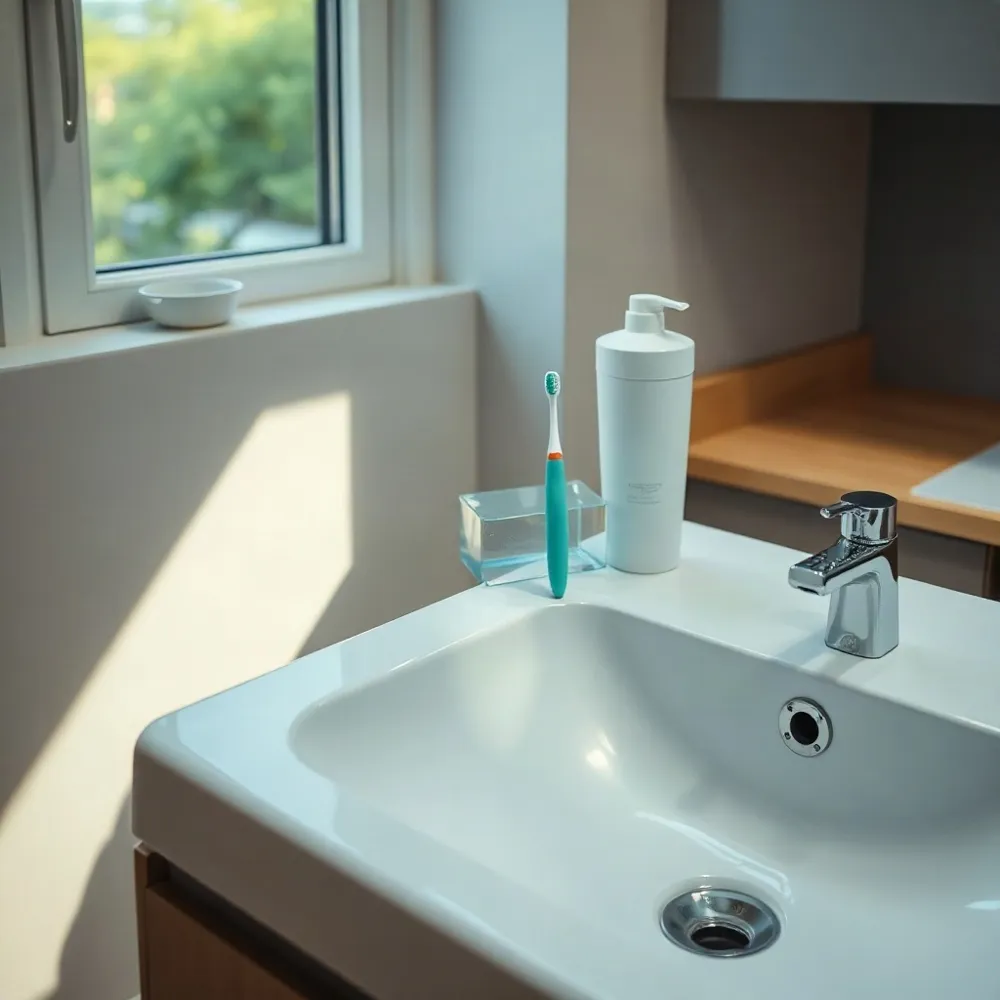 A routine works best when it is thorough enough to clean well and simple enough to repeat. Brush twice a day for two minutes with fluoride toothpaste and a soft-bristled toothbrush. Use gentle strokes along the outer, inner, and chewing surfaces, angling the bristles toward the gumline. Replace the brush every three to four months, or sooner if the bristles are frayed, as recommended in the ADA’s brushing guidance.
What is a good daily oral hygiene routine?
Clean between teeth each day with floss or another interdental cleaner. A dentist can help you choose a method that feels comfortable and suits your needs. After brushing, spit out the excess toothpaste rather than rinsing with water right away, so fluoride remains on your teeth; brushing the tongue can also be part of your routine. The NHS guidance on cleaning teeth explains this approach. Limit sugary snacks and drinks, and ask your dental team whether additional products would help. At Ashley E. Burns, DDS, patient-centered care includes discussing recommendations that fit individual needs.
For a fuller guide to brushing and home care, see daily oral-care practices.
What does the “3-3-3 rule” for teeth mean, and is it an official dental guideline?
The phrase is informal and appears online with different meanings. One version calls for brushing three times a day for three minutes and avoiding food or drink for three hours before bed. This is not a standard ADA guideline, and that schedule is not required for everyone. The ADA’s general recommendation is to brush twice daily with fluoride toothpaste and clean between teeth every day. A dentist can advise you if your oral health calls for a different routine.
Clean Between Teeth Gently
Toothbrush bristles cannot reach all the tight spaces between teeth. Cleaning between them each day with floss or another suitable tool helps disrupt plaque before it hardens into calculus, which a dental professional must remove. The National Institute of Dental and Craniofacial Research’s flossing guidance explains why cleaning between teeth complements brushing.
How should you floss, and when should you floss in relation to brushing?
Floss once a day. Ease it between your teeth, curve it around one tooth in a C shape, and slide it gently up and down, including just beneath the gumline. Avoid snapping it against the gums or forcing it into a tight space. Floss before or after brushing; the better order is the one you can maintain. If the technique hurts or feels difficult, ask a dental professional to demonstrate it or suggest another tool.
Can flossing create gaps between teeth, and what are signs you may be flossing too forcefully?
Gentle flossing does not create gaps between healthy teeth. Snapping or pressing too hard may cause soreness, tenderness, or bleeding. Persistent bleeding can also be a sign of gum inflammation, so contact a dental professional if it continues, if discomfort persists, or if you notice a new gap.
Why do recommendations about flossing sometimes seem to conflict?
Research on flossing has limitations, so its benefits should not be overstated. Still, dental organizations recommend daily cleaning between teeth because brushing alone misses these areas. Floss is not the only option: interdental brushes, picks, and water flossers may suit some people better. At Ashley E. Burns, DDS in Midland, patients can ask for guidance on a comfortable method and proper technique.
Choose Foods That Support Oral Health
 Choose Foods That Support Oral Health
What you eat and drink can support healthy teeth and gums alongside daily cleaning. A balanced diet with vegetables, fruits, whole grains, and protein foods provides a practical foundation for overall oral health.
Calcium-rich choices such as milk, cheese, plain yogurt, fortified soy drinks, tofu, almonds, and leafy greens can be part of that mix. Crunchy, fiber-rich fruits and vegetables may also stimulate saliva, which helps wash away food particles and balance acids in the mouth.
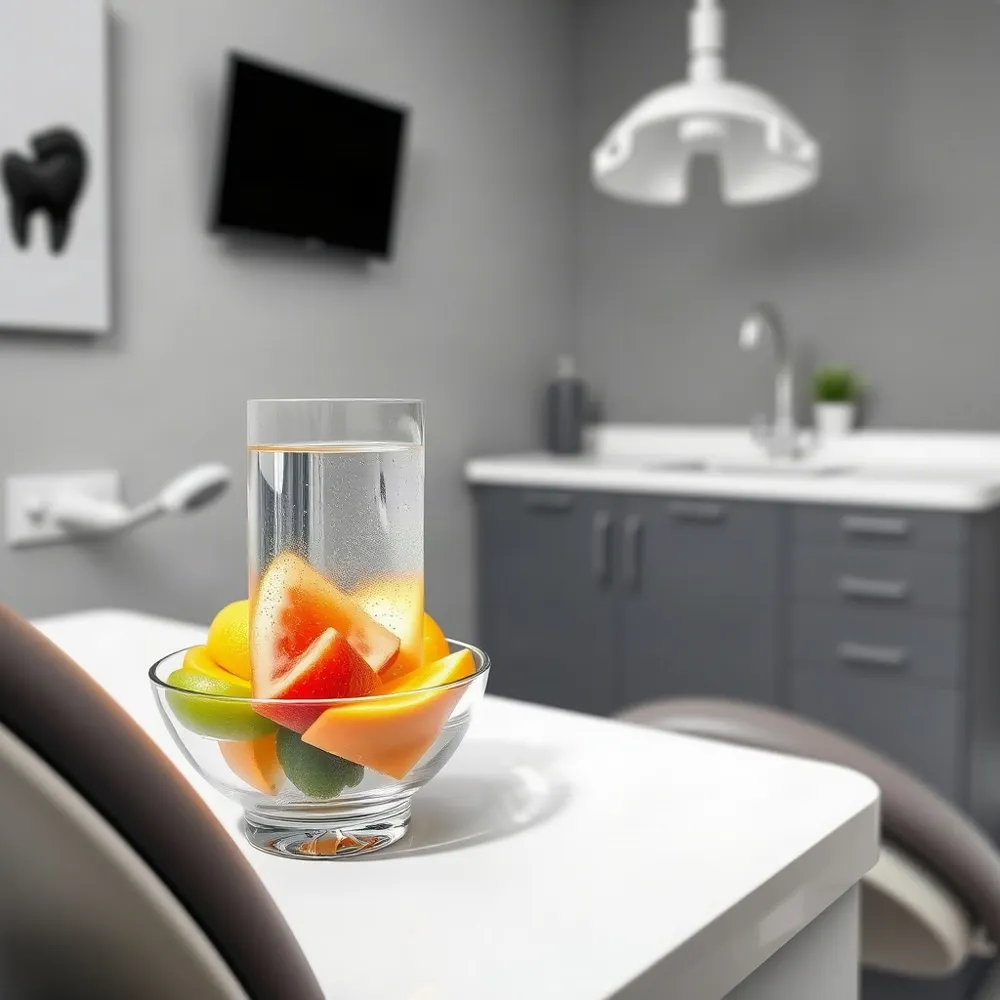
Between meals, choose water, including fluoridated tap water where available. Fluoride helps protect against tooth decay, and water avoids the repeated sugar exposure that can occur with sweetened drinks. Oral bacteria use sugars to produce acids that weaken enamel, so limiting frequent sugary snacks and drinks is a sensible step. The American Dental Association’s dietary guidance recommends a healthy diet that limits sugary beverages and snacks.
For a personalized approach, the dental team at Ashley E. Burns, DDS can consider a patient’s oral health and individual needs when discussing preventive care. Food choices support oral health, but they complement rather than replace brushing, cleaning between teeth, and regular dental visits.
Notice Changes and Seek Guidance
 Changes in your gums or teeth are worth checking, especially when they persist. Plaque can inflame gums, causing gingivitis, which can often be reversed with brushing and flossing. If plaque hardens into calculus, however, home care cannot remove it; a dental professional must clean it away. Left untreated, gum disease can damage the tissues and bone that support teeth. Learn more about plaque, gingivitis, and calculus and how gum disease progresses.
What can you do to improve gum health, and can vitamins or foods rebuild gums?
Brush gently twice a day with a soft-bristled toothbrush and fluoride toothpaste, clean between your teeth daily, and keep regular dental appointments. Avoid tobacco, and ask a dentist whether your technique or another source of irritation could be affecting your gums. A balanced diet supports oral health, and correcting a vitamin deficiency may help if one is present. Foods and supplements do not rebuild receded gums, though. Persistent bleeding, swelling, or recession calls for professional advice. At Ashley E. Burns, DDS, patient-centered care means discussing changes and individual needs as part of a dental evaluation.
What causes tooth decay, and can it be stopped naturally?
Plaque bacteria use sugars and other fermentable carbohydrates to produce acids that remove minerals from enamel. Frequent snacking or sipping sugary drinks creates repeated opportunities for acid exposure. Saliva and fluoride help restore minerals, so brushing with fluoride toothpaste, cleaning between teeth, and limiting frequent sugary foods and drinks can help prevent decay and may reverse early mineral loss. Once a cavity has formed, natural remedies cannot reliably repair the hole. A dental exam can determine whether treatment is needed. Ashley E. Burns, DDS provides comprehensive dental services, including evaluation when tooth sensitivity, pain, persistent bad breath, or discomfort while chewing does not resolve.
Make Dental Care Personal
A dental exam is not only for times when something hurts. Regular exams and cleanings can help identify developing concerns and support prevention, while advice from the dental team can make home care fit your needs. At Ashley E. Burns, DDS, comprehensive dental services and patient-centered care provide a setting to discuss your oral health and concerns.
How often should you have dental exams?
Many people benefit from exams about every six months, but that schedule is not a universal rule. The right interval depends on your oral health, dental history, and risk of problems such as cavities or gum disease. A dentist may suggest more frequent visits for monitoring or ongoing care, while some people with stable oral health may need them less often. The American Dental Association’s home-care guidance supports tailoring recommendations to individual needs.
Ask your dental team how often you should return and which products or between-teeth cleaning method suit you. Ashley E. Burns, DDS emphasizes patient-centered care, making your questions and preferences part of that conversation. Contact the office sooner if a new concern appears, rather than waiting for your next planned exam. Regular visits complement daily brushing and cleaning between teeth; they do not replace those habits. Learn more about how routine checkups support preventive care.
Consistency Over Perfection
Oral care does not have to be perfect to be useful. A manageable routine, repeated regularly, can help limit plaque and support healthier teeth and gums. The American Dental Association recommends brushing twice daily with fluoride toothpaste and cleaning between teeth each day, while noting that care can be tailored to individual needs (ADA home oral care guidance).
Start with a habit you can keep, then ask a dental professional about changes, concerns, or ways to make your routine easier. At Ashley E. Burns, DDS in Midland, patient-centered care includes discussing individual needs and practical next steps, so home habits and professional guidance can work together over time.