Understanding the Link Between Anxiety and Oral Health
Dental anxiety is an incredibly common phenomenon, with surveys indicating that between 50% and 80% of U.S. adults experience some level of apprehension about visiting the dentist. While this fear is widespread, it often triggers a harmful cycle known as avoidance. When patients delay routine check-ups due to stress, small oral health concerns can progress into complex, painful emergencies. These emergent situations frequently require more invasive procedures, which unfortunately reinforces the original fear and continues the cycle of neglect.
At ashleyburnsdds.com, we recognize that the only way to break this pattern is through a compassionate, patient-centered approach. Unlike traditional practices that might ignore the emotional burden of a patient, our team prioritizes open communication and transparency to restore your trust. Research shows that impacts of dental anxiety extend beyond the chair, as patients with higher fear scores often struggle with lower oral-health-related quality of life. By focusing on your comfort and treating you as the primary partner in your own healthcare journey, we can help you address concerns early and maintain a healthy, confident smile.
What Is Patient-Centered Care?
 Patient-centered dental care focuses on respecting your unique preferences, needs, and values throughout every stage of your oral health journey. This model treats each individual as a whole person, moving beyond standard clinic protocols to create a collaborative partnership where you actively participate in your treatment path.
What is patient-centered care in dentistry?
At ashleyburnsdds.com, we prioritize a supportive environment that addresses your specific concerns through shared decision-making. By engaging in transparent, non-judgmental communication, our team ensures you have the information necessary to make informed choices. This stands in contrast to rigid, provider-driven models that often prioritize procedural efficiency over personal comfort.
- Transparent communication that demystifies procedures and answers all patient questions.
- Personalized treatment plans tailored to your lifestyle, unique dental history, and long-term goals.
- Proactive identification of barriers to care including dental anxiety, financial constraints, and specific cultural or comfort requirements.
- Consistent, empathetic interactions designed to reduce apprehension and build lasting trust.
The Patient-Centered Dental Home framework guides our practice in delivering consistent quality. Unlike conventional settings that may ignore the emotional drivers of care, our approach builds rapport to ensure every visit serves your total wellness. By combining expert care with active listening, ashleyburnsdds.com creates a sustainable path toward a healthy smile where your voice remains the primary driver of all dental decisions.
Why Dental Anxiety Happens
Dental anxiety is a widespread experience, affecting between 50% and 80% of U.S. adults to some degree. Far from being an isolated issue, this apprehension is a natural response to the unique, personal nature of dental work.
Why is dental anxiety so common?
The roots of this common barrier to care blend biological and psychological factors. Biologically, the human brain triggers a fight, flight, or freeze response when we perceive vulnerability, especially when reclining in a dental chair. Psychologically, patients often report fears linked to past traumatic healthcare experiences, a perceived loss of control, or feelings of embarrassment regarding their current oral health.
This anxiety often fuels a vicious cycle. When fear leads a patient to avoid routine cleanings, minor issues like cavities have time to progress into painful emergencies. The resulting complex treatment then reinforces the initial fear, making future appointments feel even more daunting. At ashleyburnsdds.com, we prioritize a patient-centered, non-judgmental environment to help break this cycle, focusing on building trust rather than reinforcing historical stereotypes.
Your Toolkit for a Calmer Visit
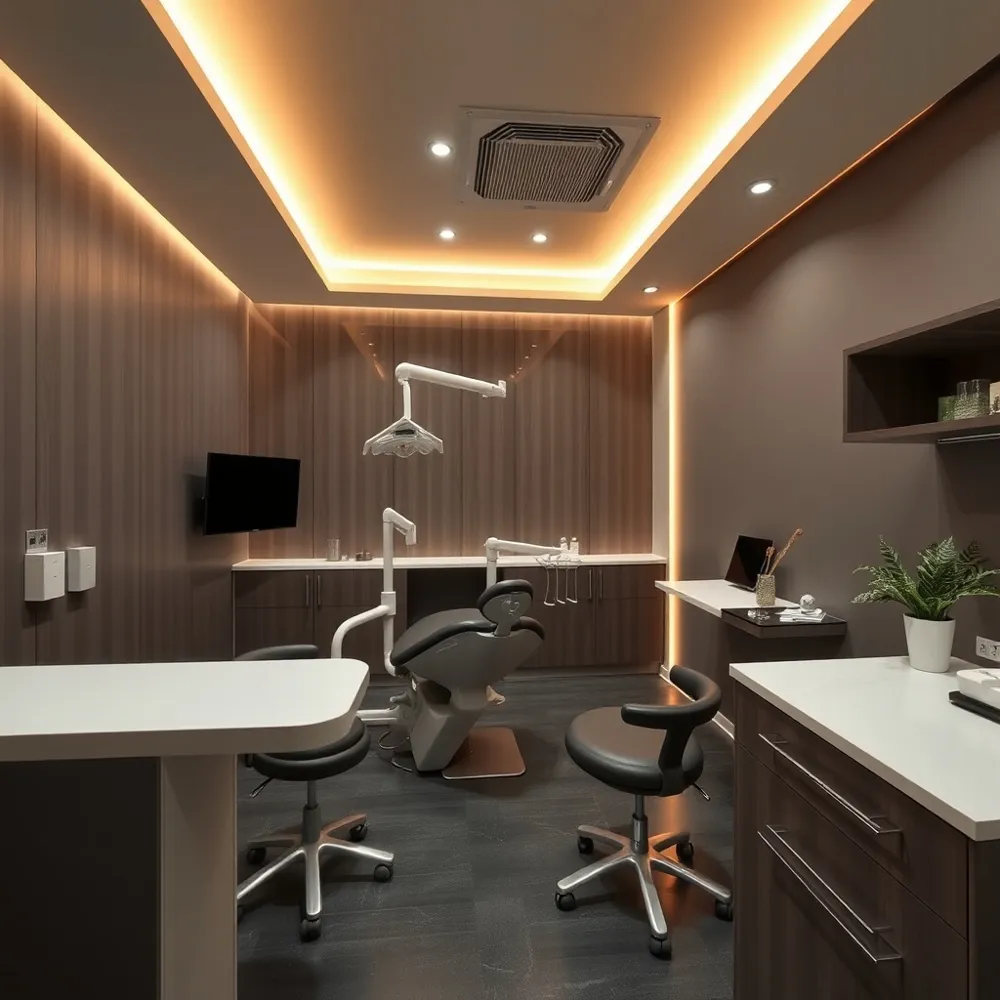 Managing dental anxiety starts with transparent communication. By sharing your hesitations with our team at ashleyburnsdds.com, we can collaboratively customize your experience to address specific triggers. Open disclosure allows us to provide a more supportive environment, ensuring you feel heard and respected from the moment you call for an appointment.
- Establish a stop signal. Agreeing on a non-verbal gesture, such as raising a hand, empowers you to pause the procedure at any time, restoring your sense of control.
- Utilize sensory distractions. Noise-canceling headphones playing soothing music or podcasts can mask clinical sounds, while 3D video glasses help focus your attention away from treatment.
- Practice relaxation protocols. Deep diaphragmatic breathing and progressive muscle relaxation are effective methods to regulate your heart rate and lower physiological stress before or during a visit.
- Enhance physical comfort. Using soft blankets or wearing sunglasses to block bright operatory lights helps create a more serene setting tailored to your preferences.
- Bring personal support. Having a trusted companion in the treatment room can offer necessary emotional stability and comfort for patients with higher levels of apprehension.
For patients who require extra assistance to feel at ease, modern dentistry provides effective pharmacological options. Nitrous oxide, or laughing gas, allows you to remain conscious while experiencing significant relaxation, while oral anti-anxiety medications or conscious sedation may be discussed for more intense cases. Aligning your treatment plan with the right supportive tools ensures that you maintain your oral health without the weight of unnecessary stress.
Natural vs. Medical: Choosing the Best Path
Finding the right way to manage dental apprehension often involves a tiered approach, where behavioral techniques and clinical interventions serve complementary roles. Natural remedies such as deep breathing, mindfulness training, and auditory distractions like music or podcasts effectively support patients with mild to moderate anxiety. These strategies help individuals regain a sense of personal agency and physical control within the dental chair.
How do natural remedies compare to medical interventions for dental anxiety?
When anxiety manifests as a severe phobia, behavioral methods may require the support of professional sedation dentistry to ensure safety and comfort. Medical interventions range from nitrous oxide (laughing gas) for mild relaxation to conscious IV sedation or general anesthesia for complex procedures. Unlike behavioral techniques, these clinical options actively lower the body’s physiological response to stress.
At ashleyburnsdds.com, we prioritize a compassionate, layered strategy that combines these methods based on your unique needs. We assess your comfort level during an initial consultation to determine the best approach, ensuring you feel empowered throughout your treatment. Whether we utilize simple distraction tools or medical sedation, full disclosure of your medical history remains essential. This allows our team to select the safest and most effective approach, creating an environment where your oral health and peace of mind are always the primary focus.
Advanced Strategies for Lasting Relief
Overcoming deep-seated apprehension requires more than basic relaxation. For persistent dental phobia, Cognitive Behavioral Therapy (CBT) stands as the gold standard for long-term health. This psychological approach works by restructuring negative thoughts and using graded exposure to desensitize your fear response, moving you from avoidance to confidence.
Can dental phobia be effectively treated?
Yes, dental phobia can be effectively managed and treated, allowing you to prioritize your oral health without fear. Modern dentistry focuses on patient-centered care, utilizing tools like nitrous oxide, anxiety-relieving medications, and various levels of sedation to ensure your complete comfort during procedures. For some patients, working with a therapist to address the underlying psychological roots of their anxiety can provide lasting relief by reframing negative memories or triggers. Openly communicating your concerns with our team is the most important first step, as we can customize your treatment plan to address your specific needs. By combining professional dental expertise with compassionate care and emotional support, we can help you overcome these hurdles to achieve a healthy, confident smile.
- The iatrosedative approach prioritizes your safety by building a non-judgmental, trusting relationship through active listening.
- The tell-show-do technique demystifies the clinical process by explaining each step, demonstrating the tool, and then performing the procedure.
- Gradual acclimation through routine, low-stress cleanings helps replace traumatic history with positive patterns of care.
- Modern technology, such as computer-controlled local anesthetic delivery, ensures a predictable and painless injection experience.
- Immersive distractions like VR sets can reduce patient anxiety scores by 30-40% during complex treatments.
The Ripple Effect on Overall Wellness
 Your mouth serves as a primary gateway to your well-being, meaning oral care is far more than just surface aesthetics. Research highlights that poor oral health often links to systemic conditions, including diabetes and heart disease, where inflammation in the gums can impact overall health stability.
The connection between your mental and oral state is equally profound. Untreated dental issues can diminish self-esteem and exacerbate feelings of anxiety or depression. Conversely, high stress levels often manifest directly in the mouth through bruxism, leading to jaw pain, TMD, or damaged enamel.
At ashleyburnsdds.com, our patient-centered approach recognizes that your dental health is an essential component of your total wellness. By providing a supportive environment that addresses both physical symptoms and underlying anxieties, we help restore your smile while supporting your long-term systemic health.
Your Journey to a Fear-Free Smile Starts Today
By shifting the focus from standard clinical procedures to patient-centered care, dentistry becomes a collaborative partnership rather than an intimidating obligation. This approach, which prioritizes your comfort, unique history, and specific concerns, acts as a powerful remedy for the fight-or-flight response often triggered by clinical settings.
If anxiety has kept you from the dentist, know that you are not alone. Taking the first step to share your feelings with a dental team is the most effective way to begin your path toward better health. Compassionate professionals customize your experience, ensuring that every session is paced to your needs.
Your oral health directly influences your overall well-being, as explained by the connection between mental health and dental care. By embracing a personalized and supportive environment, you can move past avoidance and secure the lasting, healthy smile you deserve.