The Importance of Timely Dental Checkups
Why Regular Dental Checkups Matter
Regular dental checkups are essential for maintaining optimal oral health and preventing minor dental issues from escalating into more serious conditions. These visits allow dental professionals to detect early signs of problems such as cavities, gum disease, oral infections, and even oral cancer, which might not be visible or painful at first. Timely intervention through routine examinations and professional cleanings helps preserve natural teeth, prevents tooth loss, and promotes overall well-being.
General Recommendation for Frequency of Visits
For most individuals, dental experts recommend scheduling checkups every six months. This biannual routine enables consistent monitoring of oral health, early problem detection, and effective plaque and tartar removal that cannot be accomplished by regular brushing alone. However, visit frequency may vary based on individual risk factors such as medical conditions, lifestyle habits, and existing dental issues, with some patients requiring more frequent appointments.
Consequences of Delayed Dental Care
Delaying dental visits can lead to the progression of untreated conditions, resulting in increased pain, infection, tooth decay, gum recession, and more complex treatments. Issues such as persistent bad breath, bleeding gums, tooth sensitivity, or changes in bite or jaw alignment indicate the need for prompt dental attention. Neglecting these symptoms may cause irreversible damage and higher healthcare costs, underscoring the importance of timely dental care.
Common Signs Indicating You Should See Your Dentist Soon

What are the signs that it's time for a dental checkup?
Recognizing early signs that call for a Signs you need to see a dentist can prevent more serious oral care signs. Key indicators include:
-
persistent bad breath despite good hygiene: This may signal tooth decay, gum disease, or oral infections requiring professional evaluation.
-
tooth pain or sensitivity: Recurring discomfort or sharp pain when eating hot, cold, or sweet foods can indicate cavities, enamel erosion, or faulty dental work.
-
bleeding or swollen gums: Gums that bleed during brushing or flossing, or appear swollen and tender, often point to gingivitis or early gum disease.
-
mouth sores and patches: Sores lasting more than two weeks could suggest infections or possibly oral cancer, needing prompt assessment.
-
changes in teeth alignment or jaw pain and TMJ: Jaw discomfort, popping sounds, or shifting teeth might indicate temporomandibular joint disorders (TMJ) or bruxism.
-
Receding gums and increased tooth mobility: Gum recession can cause sensitivity and tooth loosening, often associated with untreated periodontal disease.
-
Dry mouth and its risks: Persistent dryness elevates the risk of tooth decay and gum disease and may result from medications or systemic health conditions.
Early detection through timely frequency of dental visits allows for less invasive treatment and helps maintain long-term Importance of Regular Dental Checkups. If you notice any of these symptoms, Schedule a dental checkup soon is advisable to address potential issues promptly.
What to Expect During Your Dental Visit: From New Patient to Routine Checkup
What should new patients expect during their first visit to a dental practice?
New patients can anticipate a thorough introduction to their home oral care at their initial visit. This typically begins with a comprehensive review of both medical and dental histories. Understanding past health issues, current medications, and previous dental treatments helps the dentist tailor care appropriately.
Initial patient assessment protocols
The dental team will conduct a detailed examination of your mouth, teeth, gums, and jaw function. Diagnostic tools such as dental check-up signs may be employed to reveal conditions invisible to the naked eye, including Signs you need to see a dentist, bone loss, or abnormalities.
Medical and dental history review
Accurate history-taking establishes the foundation for a safe and individualized treatment plan. This review is especially crucial for patients with systemic conditions like diabetes or cardiovascular disease, which can affect How often to visit the dentist.
Diagnostic tools and examinations
Besides visual examination and X-rays, dentists often perform periodontal probing to assess gum health and check for gum disease symptoms. Oral Cancer Screening are also routine, detecting any unusual sores or patches early.
Professional cleaning and fluoride treatments
A professional cleaning removes plaque and tartar buildup that is difficult to eliminate with home oral care alone. Fluoride treatments may follow to strengthen enamel and reduce sensitivity, lowering the risk of decay.
Personalized oral health advice and prevention plans
After evaluation and cleaning, the dentist or hygienist discusses findings with the patient, including advice on brushing twice daily, flossing, diet, and lifestyle habits. Customized plans are created to address individual risks and promote long-term regular dental checkups.
Importance of follow-up visits
Dental checkup frequency, generally every six months, are recommended to monitor oral health, maintain preventive care, and promptly treat any emerging issues. Patients with specific conditions might require more frequent visits based on individual dental risk factors.
By understanding these components of your dental visit—from the initial assessment to ongoing maintenance—you can feel confident and engaged in your Importance of Regular Dental Checkups. A proactive approach in collaboration with your dental professional ensures optimal outcomes and a healthy smile for years to come.
Preventive Dental Care: Cornerstone of Lasting Oral Health

How important is preventive dental care and what services does it include?
Preventive dental care plays a vital role in maintaining healthy teeth and gums while preventing more serious dental problems from developing. This comprehensive approach encompasses professional dental services and daily personal care that work together to safeguard oral health.
Definition and scope of preventive care
Preventive care involves measures taken to prevent dental diseases rather than treating them after they occur. This includes regular dental checkups, professional cleanings to remove plaque and tartar, and assessments to identify early signs of cavities or gum disease.
Professional services
Dentists provide essential preventive services such as thorough examinations and diagnostic X-rays to catch hidden issues. Treatments like fluoride applications strengthen tooth enamel, helping to resist decay. Dental sealants offer protective coatings on molars where cavities often form. Routine cleanings remove buildup that cannot be eliminated by brushing alone, reducing risks for gingivitis and periodontitis.
At-home care
Daily oral hygiene is critical and includes brushing at least twice daily with fluoride toothpaste and flossing to remove plaque between teeth. A balanced diet low in sugary snacks complements these measures by reducing decay risk. Using antimicrobial mouth rinses may be advised for specific cases.
Early detection benefits
Regular preventive visits facilitate early diagnosis of problems such as tooth decay, gum recession, or oral abnormalities, enabling timely, less invasive treatment. This early intervention preserves natural teeth and reduces discomfort or complex procedures.
Community prevention programs
Public health initiatives target oral health education, promote preventive practices, and provide access to dental care, especially for vulnerable populations. These efforts contribute to lowering the prevalence of dental diseases on a broader scale.
How preventive care saves money and avoids major treatments
By identifying and managing dental issues early, preventive care helps avoid extensive procedures like root canals, extractions, or gum surgery, ultimately reducing overall healthcare costs. Investing time and effort in routine checkups and daily care ensures lasting oral health and improved quality of life.
Advanced Dental Technologies Enhancing Patient Care Today

What advanced dental technologies are commonly used in modern dental practices to improve patient care?
Modern dental practices are increasingly integrating advanced technologies to enhance diagnostics, treatment precision, and patient comfort. These innovations significantly improve outcomes and efficiency in oral healthcare.
Digital X-rays and CBCT Imaging
Digital X-rays offer high-quality images with reduced radiation exposure compared to traditional methods. Cone Beam Computed Tomography (CBCT) provides three-dimensional imaging, crucial for detailed assessments in implant planning, orthodontics, and TMJ disorders.
Intraoral Cameras for Precise Diagnosis
Intraoral cameras allow dentists to capture detailed images of teeth and gums in real-time, aiding early detection of dental issues, such as decay, cracks, or gum issues. They enhance patient education by displaying oral conditions clearly.
CEREC CAD/CAM Systems for Same-Day Restorations
CEREC (Chairside Economical Restoration of Esthetic Ceramics) uses computer-aided design and manufacturing to create dental restorations on-site. This technology facilitates same-day crowns, veneers, and fillings, minimizing patient visits.
Laser Dentistry Benefits
Laser tools provide minimally invasive options for soft tissue procedures, gum disease treatment, and cavity removal. They reduce discomfort, bleeding, and recovery time while promoting precise treatment.
Digital Impressions vs Traditional Molds
Digital impressions use optical scanning to create accurate 3D models without traditional, sometimes uncomfortable, molds. This process improves patient experience and accelerates laboratory fabrication.
Emerging Technologies: 3D Printing, AI, Tele-Dentistry
3D printing in dentistry enables rapid creation of dental models and custom appliances. Artificial intelligence assists in diagnostics and personalized treatment planning. Tele-dentistry expands access to care through remote consultations and follow-ups.
Together, these technologies empower dental professionals to deliver more effective, comfortable, and patient-centered care in dentistry.
The Role of Patient-Centered Care in Successful Dental Treatment
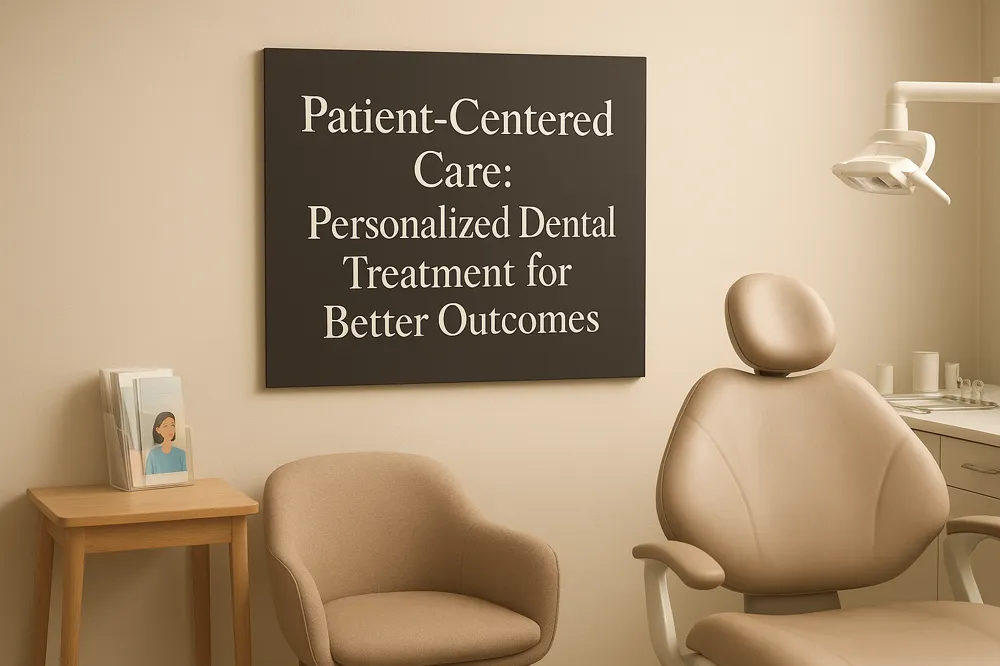
What Is Patient-Centered Care in Dentistry?
Patient-centered care in dentistry means focusing on each patient's unique needs, preferences, and values. It treats the patient as a whole person, not just a set of teeth, ensuring that dental treatment aligns with their lifestyle and expectations.
How Are Treatment Plans Tailored?
Dentists tailor treatment plans by considering factors like medical history, oral health status, and patient concerns. This customized approach makes care more effective and acceptable to the patient.
Why Is Shared Decision-Making Important?
Shared decision-making involves open communication between dentist and patient. It empowers patients by involving them in choices about their care, which improves understanding, reduces anxiety, and increases their commitment to treatment.
How Does This Approach Reduce Anxiety and Build Trust?
By fostering clear communication and respecting patient preferences, dentists create a trusting environment. This helps alleviate fear and anxiety often associated with dental visits, encouraging regular dental checkups and better oral care.
What Are the Benefits for Long-Term Outcomes?
Patient-centered care in dentistry improves adherence to preventive measures and treatment recommendations. The result is better healing, fewer complications, and higher satisfaction with dental services, ultimately supporting sustained oral health.
| Aspect | Description | Benefit |
|---|---|---|
| Individualized Treatment | Customized plans based on personal needs and health status | Enhanced effectiveness |
| Communication & Decision-Making | Collaborative, transparent information exchange | Reduced anxiety and greater trust |
| Emotional Support | Respectful engagement addressing fears and preferences | Increased patient comfort |
| Outcome Focus | Continuous monitoring and adjustment of care plans | Improved long-term oral health |
Patient-centered care in dentistry stands as an essential framework in dentistry, improving treatment outcomes and patient well-being through partnership and personalization.
Maintaining Your Smile: The Value of Regular Dental Visits
Knowing When to See Your Dentist
Persistent signs like bad breath, tooth pain, bleeding gums, or non-healing sores signal it's time for a dental checkup. Changes in jaw alignment, receding gums, or dry mouth also warrant prompt dental attention.
Professional Care Plus Home Hygiene
Regular professional cleanings complement daily brushing and flossing, removing plaque and tartar you can’t reach at home. This combined care prevents decay, gum disease, and enhances oral health.
Schedule Timely Visits
Visiting your dentist every six months, or more often if needed, allows early detection and treatment of issues, safeguarding your smile and overall well-being. Don’t wait—schedule your checkup today to maintain a healthy, confident smile.