Modern Dentistry Solutions for Restoring Senior Oral Health
Seniors often navigate complex oral health challenges such as tooth decay, gum disease, and missing teeth. These conditions can significantly diminish self-esteem and limit dietary choices. While traditional removable dentures have served as a common solution for decades, they often lead to complications like persistent bone resorption and potential facial structural changes, per Cleveland Clinic.
Modern dentistry now prioritizes restorative options that mimic the function of natural tooth roots. Unlike traditional appliances that simply rest on the gums, implant-supported dentures anchor directly into the jawbone. This design provides superior stability while eating or speaking and actively stimulates bone tissue, which helps prevent the bone density loss identified in studies on oral health-related quality of life.
At ashleyburnsdds.com, we utilize advanced 3D diagnostic imaging and precise surgical planning to ensure each restoration is tailored to the patient's specific bone anatomy. While traditional options might require frequent adjustments to maintain a base level of comfort, our implant-supported solutions offer a more durable, secure experience that preserves long-term facial aesthetics.
Understanding Implant-Supported Dentures and Their Mechanism
 Implant-supported dentures are an advanced oral appliance designed to replace missing teeth by anchoring directly to your jawbone using dental implants. Unlike traditional dentures that rely on suction or adhesives, these utilize titanium posts—acting as artificial tooth roots—to secure the denture firmly in place. This secure connection provides significantly enhanced stability for essential daily functions like chewing, eating, and speaking. Dentists may recommend either fixed or removable options depending on your specific needs, jawbone health, and personal preferences. Ultimately, this solution offers a secure, lifelike alternative for patients seeking a more comfortable and functional way to restore their smiles.
The long-term success of this restoration relies on osseointegration, a biological process where the jawbone fuses directly to the titanium implant. By serving as an artificial root, the implant provides the necessary stimulation to the bone tissue, which helps prevent the resorption often observed with conventional dentures. While traditional prosthetics rest on soft gum tissue and may contribute to shifting or speech difficulties, an implant-anchored approach preserves facial structure and bone density over time.
- Fixed hybrid dentures are permanently attached and provide the highest level of stability.
- Removable snap-on options allow for easy daily maintenance while maintaining a secure fit.
- At ashleyburnsdds.com, patients receive personalized assessments to determine if they have sufficient bone density for these procedures.
For patients seeking a durable smile, transitioning to an implant-supported solution creates a foundation that feels and functions more like natural teeth. As noted in research on implant-supported dentures, this stability significantly improves quality of life by restoring chewing efficiency and confidence in social interactions.
Comparing Traditional Dentures and Implant-Supported Options
 Traditional dentures rely on suction, adhesives, or clasps to remain in place by resting on the gum tissue. While this approach offers a non-surgical and cost-effective entry point for tooth replacement, the lack of a secure anchor often leads to movement during daily activities. Because these appliances do not stimulate the jawbone, their continued use can lead to bone resorption, which gradually alters facial structure and may result in a sunken appearance. At ashleyburnsdds.com, patients often find that shifting traditional dentures cause unwanted gum irritation and social anxiety, whereas implant-supported solutions provide a stable foundation that prevents these common frustrations.
What are the pros and cons of traditional dentures versus implant-supported dentures?
Traditional dentures serve as an affordable, non-surgical solution, but they often require frequent adjustments as the jaw changes. Conversely, implant-supported dentures attach directly to the jawbone using dental implants, offering superior stability for chewing and speaking. According to the PMC, this structural support helps prevent further bone loss that typically follows tooth extraction. While implants require a surgical procedure and depend on sufficient bone density, they represent a long-term investment in oral health. Patients can choose between removable models or fixed hybrid options at ashleyburnsdds.com, making them a versatile choice compared to the universal removal requirement of conventional dentures.
Do implant-supported dentures cover the roof of the mouth?
Many patients prefer implant-supported dentures because they do not require the bulky acrylic palate found in traditional upper dentures. By anchoring the prosthesis directly to implants, the roof of the mouth stays clear, which preserves a patient's ability to taste and enjoy food more naturally. This design provides a less intrusive sensation and significantly improves speech clarity. Research suggests that transitioning to such stable restorations enhances overall quality of life, allowing for higher biting force and a more varied, nutritious diet than traditional, adhesive-dependent alternatives.
| Feature | Traditional Dentures | Implant-Supported | | --- | --- | | Foundation | Gums / Suction | Jawbone Implants | | Bone Health | May lead to loss | Supports bone density | | Stability | May shift/wobble | Fixed and secure | | Chewing Power | 10% to 20% | Up to 90% |
Choosing Your Restoration: Fixed Versus Removable Appliances
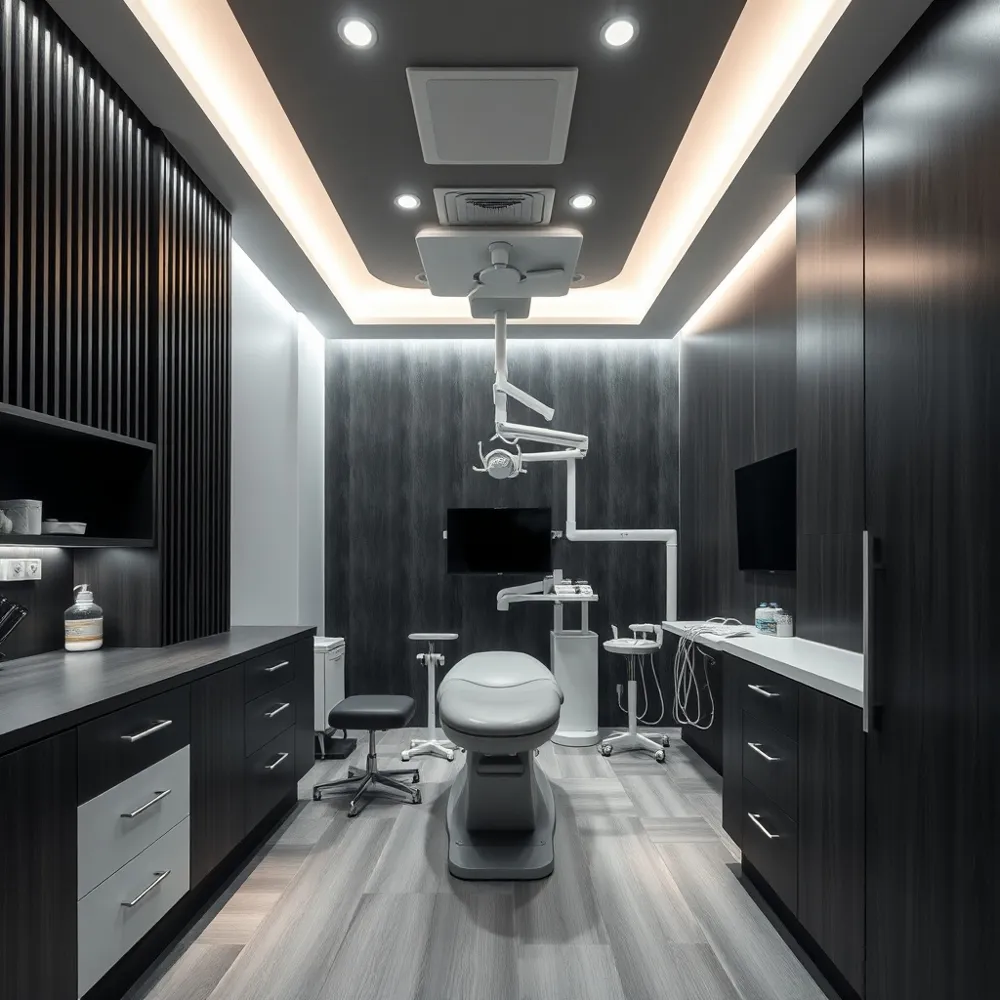 Selecting a restoration style is a critical step in your treatment journey at ashleyburnsdds.com. Patients must decide between fixed hybrid dentures, which mirror the lifestyle of natural teeth, and removable options that offer flexibility. Unlike traditional dentures which often rely on adhesives, these modern restorations provide superior stability, though the daily management of each type differs significantly.
Are all implant-supported dentures removable?
No, not all implant-supported dentures are removable. There are two primary classifications: fixed and removable. Fixed implant-supported dentures are anchored permanently to dental implants, functioning similarly to natural teeth and requiring no removal for daily cleaning. Conversely, removable implant-supported dentures, often called snap-on dentures, are secured by implants but can be taken out by the patient for cleaning or personal preference. Choosing between these options depends on factors such as your jawbone density, lifestyle, and oral hygiene goals, which your dentist will evaluate during a consultation.
Maintaining a fixed hybrid denture involves brushing and flossing around the appliance much like you would your natural teeth. Because these are permanently fixed, they eliminate the need for nightly removal, a benefit often cited by patients at ashleyburnsdds.com. In contrast, removable snap-on dentures require removal each evening for soaking and thorough cleaning of both the appliance and the underlying attachments.
- Fixed hybrid dentures offer permanent stability but require professional maintenance tools.
- Removable snap-on dentures allow for easier access to the gum tissue during daily cleaning.
- Your candidacy for either style depends on clinical factors such as bone volume and the health of the remaining oral tissue.
The Treatment Timeline and Surgical Journey
The path toward a stable, restored smile involves a collaborative approach to planning. At ashleyburnsdds.com, we guide patients through each phase of their treatment with precision and care. While traditional dentures rely on suction or adhesives, implant-supported solutions require a deliberate, multi-staged surgical timeline to ensure long-term success.
What is the typical timeframe for receiving snap-in dentures?
The typical timeframe for receiving snap-in dentures generally ranges from three to six months. This process is divided into several manageable phases, beginning with an initial consultation and treatment planning. If required, preparatory procedures like extractions or bone grafting may be performed first, which may add a few weeks of healing time. Once the implants are placed, a Cleveland Clinic study notes that a healing period of three to six months is necessary for the bone to properly fuse to the implants through a process called osseointegration. Finally, your custom-designed dentures are securely attached to the implants, providing you with a stable and confident smile.
This healing interval is fundamental to the structural integrity of your restoration. During this time, the jawbone biologically bonds to the titanium implants, creating a durable foundation that mimics natural tooth roots. Once this fusion is complete, our team proceeds with the final fabrication of the custom overdenture prosthetic. We focus on achieving a natural fit that optimizes your chewing efficiency and speech clarity, ensuring that the completed appliance functions reliably for years to come.
Investment Considerations and Financial Planning
Selecting an oral restoration requires a careful look at long-term value, as implant-supported dentures are often considered a more stable investment than traditional options. While traditional dentures may seem initially less expensive, they frequently require adjustments or replacements every 5 to 10 years per Cleveland Clinic. In contrast, the jawbone stimulation provided by dental implants helps maintain facial structure, potentially reducing the need for extensive secondary procedures.
What factors influence the cost of snap-in or implant-supported dentures?
The total investment depends on surgical complexity and the specific restoration type. Patients may require preliminary treatments such as tooth extractions or bone grafting to ensure sufficient density for the implants. The number of implants used further dictates the final cost, alongside the choice of high-quality materials for the denture base and tooth components. At ashleyburnsdds.com, we help patients navigate these variables to ensure that the chosen solution aligns with their functional needs and long-term oral health goals.
Does Medicare cover implant-supported dentures?
Original Medicare generally does not provide coverage for routine dental services, including standard implant-supported dentures. Coverage is typically limited to specific procedures deemed medically necessary for an underlying medical condition, such as those required prior to organ transplantation or heart valve replacement. Because Original Medicare policies rarely extend to restorative dentistry, we recommend that patients review their specific Medicare Advantage plans or private supplemental insurance, as these may contain unique dental benefit structures that cover parts of the treatment process.
Many practices offer flexible financial arrangements to assist with the treatment journey. We focus on transparent planning to help you understand every stage of the process, ensuring that the enhanced stability and comfort provided by these advanced restorations remain accessible for our patients.
Longevity and Essential Daily Care Routines
Maintaining the health of implant-supported dentures depends on distinguishing between the two primary appliance types. Removable options require daily removal for soaking in a professional cleaning solution, whereas fixed hybrid restorations stay in place and are cleaned using interproximal brushes and floss threaders to navigate around the secure attachment points.
Can I sleep while wearing implant-supported dentures?
For patients with removable implant-supported restorations, it is generally recommended to remove them before sleeping. This nightly break allows your gum tissues to rest and ensures you can perform a thorough cleaning of both the appliance and the underlying attachment sites, promoting better long-term oral hygiene. Always follow the specific care instructions provided during your visit for your particular restorative device.
How often should implant-supported dentures be professionally serviced?
Regular professional oversight is a foundation of restorative success. Even with diligent at-home care, research suggests that annual assessments are vital. During these visits, your dentist evaluates the integration of the implants and the integrity of the overdenture component to ensure the system remains stable and free from structural wear.
Empowering Your Future with a Stable and Healthy Smile
Prioritizing your oral health yields benefits that extend far beyond a confident smile. Unlike traditional appliances that may contribute to bone resorption, implant-supported dentures mimic the function of natural tooth roots. This critical osseointegration process provides the necessary stimulation to preserve jawbone density and facial structure over time.
Investing in modern restorative solutions is a commitment to your long-term comfort and nutritional well-being. By choosing high-quality care, you can mitigate the social anxieties and physical discomfort often caused by ill-fitting alternatives. This improvement in oral health-related quality of life ensures you maintain the ability to enjoy a varied, nutrient-dense diet.
If you are ready to explore how these advanced techniques can transform your daily life, we invite you to reach out for a personalized assessment. Schedule a consultation at Ashley E. Burns, DDS to discuss your specific needs and create a comprehensive treatment plan that secures your smile for years to come.