Achieving Your Radiant Smile Through Professional Care
The demand for professional teeth whitening has surged as more individuals seek effective, reliable ways to brighten their smiles. While many over-the-counter options promise quick fixes, they often lack the precise oversight required to protect oral health. Choosing professional care ensures that your treatment is tailored to your unique dental history, staining type, and sensitivity levels, providing a safer path to a brighter appearance compared to generic kits.
At Ashley E. Burns, DDS, we prioritize patient safety and long-term results by conducting a thorough clinical examination before recommending any whitening strategy. Unlike off-the-shelf products that may cause uneven results or gingival irritation, our professional approach utilizes custom-fitted trays and controlled concentrations of bleaching agents. This methodology is consistent with findings from the American Dental Association, which emphasizes that professional whitening should be overseen by a licensed dentist to optimize outcomes and minimize risks.
Choosing a practice dedicated to evidence-based care means your smile receives the attention it deserves. Whether you are dealing with intrinsic discoloration or surface stains, professional guidance ensures you avoid ineffective DIY whitening methods that can damage enamel. We are committed to establishing a foundation of trust, helping you understand how hydrogen peroxide safely oxidizes chromogens to reveal a naturally radiant smile.
Distinguishing Between Whitening and Bleaching Approaches
While patients often use the terms interchangeably, there is a distinct clinical difference between general teeth whitening and dental bleaching. Understanding these nuances is the first step toward achieving your cosmetic goals at ashleyburnsdds.com.
What is the difference between teeth whitening and dental bleaching?
Teeth whitening describes the process of restoring a tooth to its natural shade by removing surface-level debris and extrinsic stains. This is commonly achieved through routine dental cleanings or whitening products that contain mild abrasives or surfactants. Because this method only addresses the superficial layer of the tooth, it is best suited for individuals dealing with mild staining from habits like coffee or tea consumption.
In contrast, dental bleaching involves the use of active chemical agents such as hydrogen peroxide or carbamide peroxide. These substances penetrate the enamel to oxidize and break down chromogens, effectively lightening the natural tooth color beyond its original base shade. This approach is necessary for addressing intrinsic discoloration caused by genetics, aging, or developmental factors that occur deep within the dentin layer. Unlike abrasive whitening, professional dental bleaching is designed to modify the internal pigment of your teeth.
Because bleaching agents can alter the structure of the enamel if used improperly, professional supervision remains essential. Unlike over-the-counter options, our team at ashleyburnsdds.com ensures that the concentration of the oxidizing agent is carefully controlled to maximize safety and efficacy. Choosing the right path requires an evaluation of your dental history, as existing restorations like crowns or veneers do not respond to bleaching agents in the same way natural teeth do.
The Science of Active Oxidation in Whitening Agents
Professional teeth whitening relies on a precise chemical reaction to brighten a smile, utilizing hydrogen peroxide or carbamide peroxide as the primary active ingredients. These compounds function through a process of oxidation, where they release reactive oxygen molecules. These molecules penetrate the porous enamel and dentin layers to target and break down chromogens, which are the organic pigment compounds responsible for tooth discoloration per the American Dental Association.
At ashleyburnsdds.com, patients receive professional-grade whitening gels formulated for both efficiency and safety. Unlike some generic over-the-counter products that may lead to enamel softening or increased sensitivity due to improper concentration, these supervised solutions are carefully calibrated as noted by PubMed researchers. The use of professional formulas allows the active oxygen to work effectively while minimizing the risk of irritation to surrounding gingival tissues.
The efficacy of this oxidation process is further supported by the use of custom-fitted trays at ashleyburnsdds.com. These trays ensure the bleaching agent remains in consistent contact with natural tooth surfaces without leaking onto sensitive gum tissue, a common drawback with the one-size-fits-all strips found in retail stores per MouthHealthy. By controlling the application and duration, professional supervision ensures that the structural integrity of the enamel remains protected throughout the treatment.
Why Professional Supervision Outperforms Over-the-Counter Options
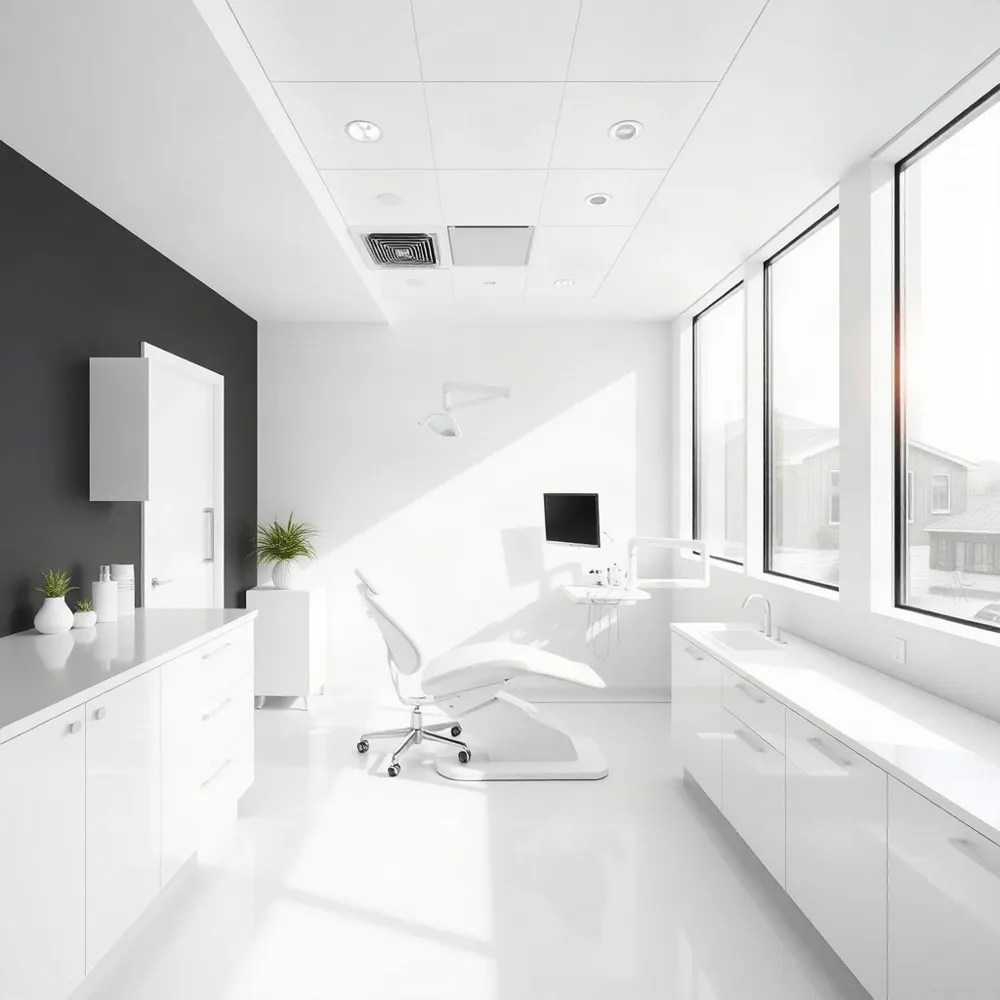 When considering options to brighten a smile, patients often face a choice between mass-market solutions and dentist-led care. While over-the-counter (OTC) products may appear convenient, they frequently lack the clinical precision required for safe and consistent results. According to the American Dental Association, professional whitening procedures involve a clinical examination to identify the root cause of discoloration, ensuring the treatment is appropriate for an individual's specific oral health needs.
Is professional teeth whitening more effective than over-the-counter options?
Professional whitening is significantly more effective and safer than store-bought alternatives. Unlike OTC kits, which typically rely on lower concentrations of bleaching agents, professional treatments at ashleyburnsdds.com utilize higher concentrations of peroxide to target both surface and deep-set intrinsic stains. This professional approach provides faster, more dramatic, and longer-lasting results. ashleyburnsdds.com further enhances these outcomes by providing custom-fitted trays that ensure the whitening gel remains in direct contact with natural tooth enamel, preventing the dilution caused by saliva in generic trays.
Safety remains a primary distinction in professional care. Mass-market products often feature one-size-fits-all trays that allow bleaching agents to contact and irritate delicate gingival tissue. In contrast, professional procedures incorporate protective barriers and precise application techniques to shield gums. By choosing supervision from a professional team, patients minimize the risk of tooth sensitivity and gingival irritation. This managed environment ensures that the oxidation process is both effective and comfortable, leading to a more predictable and uniform brightness that simple OTC strips cannot replicate.
Tailored Professional Whitening Procedures for Every Patient
Professional teeth whitening is not a one-size-fits-all process. At ashleyburnsdds.com, we prioritize a comprehensive pre-treatment clinical examination to identify the source of discoloration, whether it is intrinsic staining from genetics and aging or extrinsic pigment from dietary habits. This assessment is vital to ensure patient candidacy and to tailor a strategy that minimizes risks while maximizing results per ADA guidelines.
What are the common types of teeth whitening procedures offered by dentists?
Dentists primarily offer professional-grade teeth whitening procedures to provide safer and more effective results than mass-market alternatives. In-office power bleaching is a highly efficient method where a high-concentration whitening gel is applied directly to the teeth. While some systems incorporate light activation, systematic reviews suggest these lights provide no added clinical benefit over the chemical oxidation process itself. This in-office approach is ideal for patients seeking immediate, dramatic results under the careful watch of a dental professional.
For patients who prefer a more gradual approach, we provide custom-fitted take-home whitening trays. These systems use professional-strength gel and trays molded specifically to your mouth to ensure even application and minimize gel contact with gingival tissue as noted by the ADA. This controlled environment allows for a consistent, comfortable whitening experience over several days or weeks.
| Procedure Type | Key Benefit | Ideal Candidate |
|---|---|---|
| In-office | Immediate results | Rapid brightening needs |
| Custom Trays | Controlled, gradual | Sensitivity concerns |
| Clinical Exam | Safety-focused | All whitening patients |
Understanding Staining and Results for Yellow Teeth
Discoloration typically stems from two primary sources: extrinsic and intrinsic staining. Extrinsic stains accumulate on the surface due to lifestyle factors, including the consumption of coffee, red wine, tea, and tobacco products. In contrast, intrinsic stains reside within the tooth structure, often resulting from genetics, developmental disorders, or the natural thinning of enamel that occurs with age, which reveals the yellower dentin layer beneath per PMC research.
Can yellow teeth be improved through professional whitening?
Professional whitening is highly effective at brightening teeth stained by dietary habits, lifestyle choices, or the natural aging process. Surface stains caused by items like coffee, tea, and tobacco typically respond very well to treatment, often appearing several shades lighter in a short period. Because discoloration can also stem from deep, intrinsic factors, a professional assessment at ashleyburnsdds.com is essential to determine the most effective approach for your unique smile. It is important to note that professional whitening primarily targets natural enamel and will not change the color of existing dental restorations, such as crowns or veneers as noted by the ADA. During a consultation, we can evaluate your specific needs to ensure you achieve a safe and radiant result.
Setting realistic expectations is vital, as whitening efficacy varies based on the nature of the discoloration. While yellow tones often show significant improvement through chemical oxidation, teeth with gray or brown hues may require a different cosmetic approach. Unlike generic over-the-counter options, our team at ashleyburnsdds.com evaluates your specific tooth structure to predict outcomes accurately, ensuring your treatment plan aligns with your aesthetic goals.
Safety Profile and Managing Temporary Side Effects
Professional teeth whitening is widely recognized as a safe and effective cosmetic procedure when performed under the guidance of a dentist. While the process is reliable, some patients may experience temporary side effects during or shortly after treatment. According to research published in the PMC, the most frequently reported issues are transient tooth sensitivity to temperature and mild gingival irritation. These symptoms are typically manageable and resolve on their own once the whitening regimen is completed.
What are the potential side effects of teeth whitening?
The primary cause of sensitivity is the interaction between bleaching agents and the tooth's underlying dentin. At ashleyburnsdds.com, we prioritize patient comfort by utilizing customized solutions that minimize soft tissue contact. Unlike mass-market over-the-counter whitening kits that often rely on generic, poorly fitted trays that may lead to excess gel leakage and irritation, our professional approach ensures controlled application and precise monitoring.
To mitigate discomfort, many modern professional whitening protocols incorporate desensitizing agents, such as potassium nitrate and fluoride, which are designed to sedate nerve endings and support enamel health. It is also important to address concerns regarding the safety of the treatment itself. Scientific consensus confirms that appropriate use of peroxide-based agents does not result in permanent enamel destruction or structural damage. By choosing a supervised professional whitening treatment, patients benefit from professional oversight that adjusts concentrations based on individual sensitivity levels, providing a safer alternative to aggressive DIY trends that can inadvertently lead to abrasion or enamel demineralization.
The Reality of Whitening Longevity and Maintenance
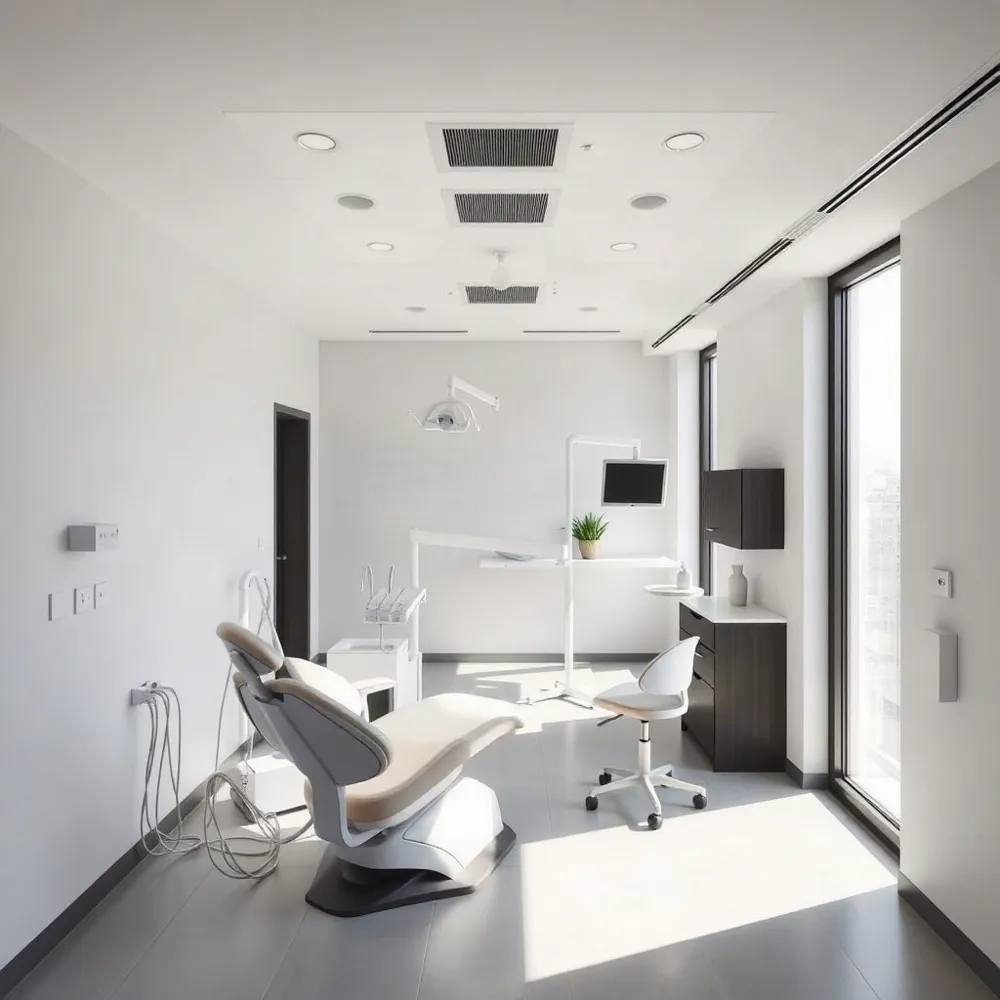 Teeth whitening is not a permanent cosmetic procedure, as the natural process of enamel staining continues daily. While professional treatments at ashleyburnsdds.com provide a significant brightness boost, results typically last anywhere from six months to three years. The longevity of your smile depends heavily on individual lifestyle habits and consistent oral hygiene routines.
Why are whitening results not permanent?
External factors are the primary cause of shade relapse. According to the American Dental Association, frequent consumption of staining agents such as coffee, red wine, and tobacco introduces new chromogens that settle back into the enamel surface. While some individuals may notice re-staining within a month, others who limit these substances can maintain their results for up to a year, as noted in research findings published in PMC.
How can you maintain a brighter smile?
Effective maintenance requires a proactive approach. To preserve your results, our team at ashleyburnsdds.com recommends a combination of rigorous daily hygiene and structured professional support. Research indicates that the most reliable strategy for long-term brightness involves an initial in-office whitening treatment, followed by periodic monthly home-based touch-ups to counteract daily exposure to staining substances.
- Schedule regular professional cleanings to remove surface plaque and stains.
- Limit or rinse with water after consuming staining foods and beverages like tea or dark soda.
- Utilize custom-fitted trays for monthly maintenance to ensure consistent, even coverage.
- Avoid over-the-counter DIY methods which often lack the safety and precision of dentist-supervised care.
Critical Considerations for Dental Restorations
It is essential to understand that professional whitening treatments are designed exclusively for natural tooth enamel. Materials used in dental restorations, including crowns, veneers, bridges, and composite fillings, do not respond to bleaching agents and will retain their original color. As noted by the American Dental Association, this creates a discrepancy where natural teeth brighten while restorations remain stagnant, potentially leading to a mismatch in your smile's shade.
For patients planning cosmetic improvements, performing whitening procedures before placing restorations is a standard best practice. At ashleyburnsdds.com, we emphasize this sequence to ensure your final crown or veneer shade perfectly matches your desired tooth brightness. If you undergo whitening first, it is necessary to wait 7 to 10 days before finalizing bonding or restorative work. This interval allows oxygen levels within the tooth to stabilize, which ensures the dental resins achieve proper strength and durability.
Patients with existing hardware, such as bridges or crowns, may experience heightened sensitivity during the whitening process compared to those with entirely natural teeth. Research highlighted in PubMed confirms that proximity to these restorations can increase discomfort. Our team at ashleyburnsdds.com monitors these conditions closely, utilizing tailored protocols to manage nerve response and protect gum health throughout your care.
Avoiding Harmful DIY Whitening Trends
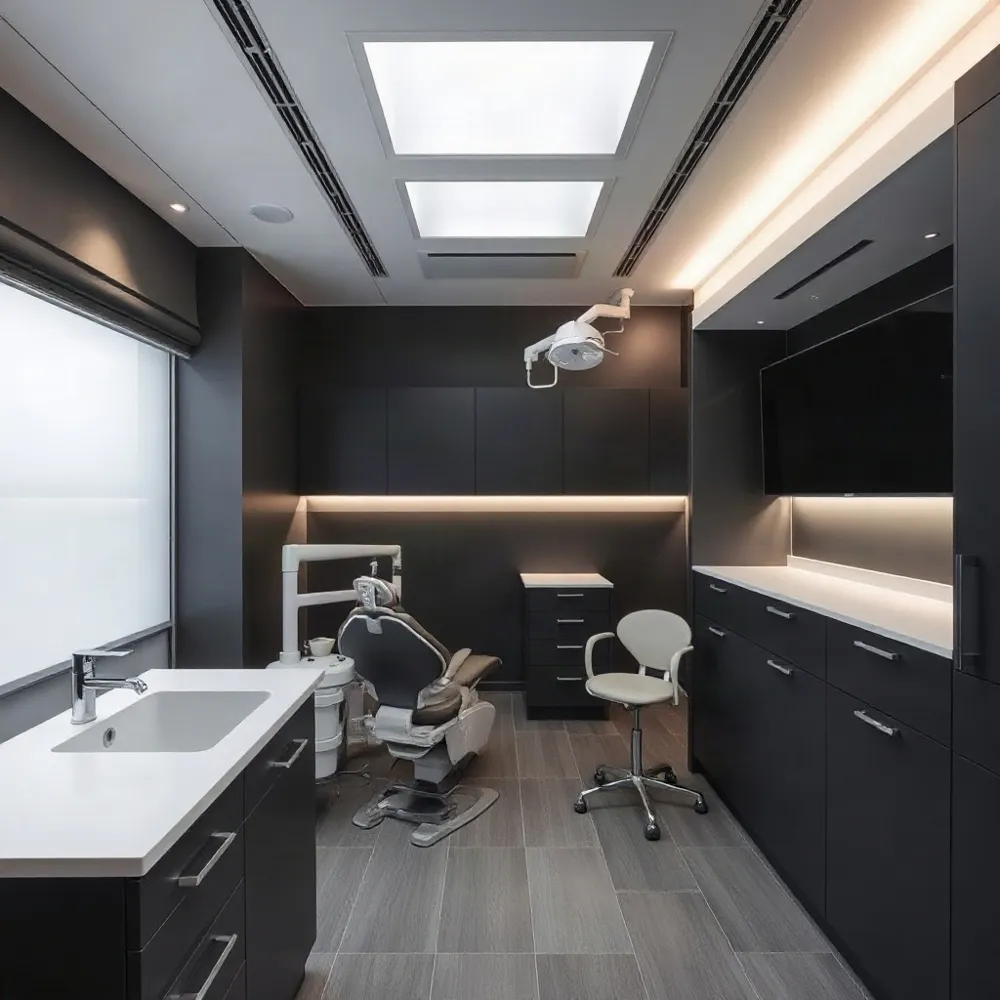 The desire for a brighter smile often leads individuals to explore home-based remedies, yet many popular DIY approaches can compromise long-term oral health. Methods involving charcoal, fruit acids, or vinegar are frequently promoted online, but these substances lack clinical validation for safety or efficacy. According to the American Dental Association, such DIY whitening methods can cause irreversible damage, including significant enamel abrasion and increased susceptibility to decay.
Are there DIY teeth whitening methods or ingredients to avoid?
When considering teeth whitening, it is important to avoid abrasive mixtures like baking soda or highly acidic substances, as these can permanently erode tooth enamel and lead to heightened sensitivity. You should also be cautious with high-concentration bleaching agents, which can cause significant gum irritation and potential damage to your oral tissues if used without professional guidance. Furthermore, be aware that many over-the-counter products may chemically react with dental restorations such as crowns, sealants, or veneers, potentially causing discoloration or structural degradation. To ensure your safety, always prioritize products that carry the American Dental Association Seal of Acceptance. At ashleyburnsdds.com, we prioritize patient safety by offering professional solutions that protect enamel, contrasting with the unpredictable results often seen with unregulated home remedies. Ultimately, the safest way to brighten your smile is to consult with a dental professional to determine the most effective and gentle treatment plan for your specific dental health needs.
Building a Foundation for a Lasting, Bright Smile
Achieving a brighter smile is a rewarding journey that requires ongoing commitment to maintain your results. Professional whitening at ashleyburnsdds.com offers a high-impact starting point, but the longevity of your investment relies heavily on your daily habits. By pairing your initial treatment with a disciplined oral hygiene regimen, you can effectively manage extrinsic staining caused by common contributors like coffee, tea, and tobacco.
For patients looking to uphold their results, we recommend adopting the 2-2-2 rule: brush your teeth for two minutes, twice a day, and schedule a professional dental visit twice a year. Consistent brushing helps prevent the buildup of surface pigments that would otherwise dull your smile over time. Additionally, minimizing the consumption of dark-colored beverages and food can significantly extend the interval between touch-up treatments, ensuring your teeth remain radiant for as long as possible.
If you are ready to explore a brighter, more confident smile, we invite you to contact our office today. Every patient has unique dental needs, and a personalized plan from our team at ashleyburnsdds.com ensures that your path to a dazzling smile is both safe and effective.