Redefining the Dental Experience Through Partnership
Modern dentistry is shifting away from traditional, procedure-heavy models toward a Person-centered care model. Instead of focusing solely on teeth and gums, this approach views each individual as a whole person, acknowledging that biological factors account for less than one-third of overall health determinants. At ashleyburnsdds.com, we prioritize this holistic perspective by addressing the psychosocial and environmental variables that influence your unique oral health status.
True patient-centeredness treats the dental office as a collaborative partner rather than a mere service provider. By fostering an environment rooted in compassion and empathy, clinicians can help patients navigate barriers like dental anxiety or financial constraints. Unlike clinical settings that rely on one-size-fits-all protocols, ashleyburnsdds.com works alongside you to ensure that every treatment plan aligns with your specific life goals and values. This partnership not only improves patient satisfaction but also encourages the consistency necessary for long-term oral wellness.
Core Philosophy of Patient-Centered Dentistry
 At ashleyburnsdds.com, we define care as a partnership rather than a series of clinical tasks. A true patient-centered dental home moves beyond the traditional, procedure-focused model by prioritizing the individual needs, values, and preferences of every person we treat. This holistic approach ensures that clinical decisions are grounded in both professional expertise and the patient's unique perspective.
A comprehensive person-centered care model requires acknowledging that clinical symptoms are only part of a larger picture. Research confirms that biological and genetic factors account for less than one-third of overall health determinants. Instead, behavioral patterns, social circumstances, and environmental influences play a significant role in long-term oral health outcomes. By integrating these biopsychosocial factors into each visit, we address the root causes of treatment avoidance and anxiety.
The framework developed by Scambler and Asimakopoulou serves as a guide for our practice. Their model emphasizes four essential pillars: exploring disease within the context of a patient's daily life, treating the individual as a whole person, fostering genuine compassion, and reaching mutual agreement on treatment goals. This structure provides a clear hierarchy of information and choice, allowing patients to remain active partners in their health journey. Implementing this patient-focused approach at ashleyburnsdds.com allows us to replace generic protocols with personalized care that bridges the gap between dental intervention and systemic well-being.
Frameworks for Success in Shared Decision-Making
Shared decision-making creates a collaborative process where the dental professional and patient work together to reach informed choices about care. At ashleyburnsdds.com, we prioritize this partnership to ensure treatment plans reflect both clinical expertise and your personal aspirations. By moving away from one-size-fits-all procedures, we help you understand your options and achieve results that align with your unique health goals.
The hierarchy of information and choice
The hierarchy of information and choice provides a structured way to measure patient-centeredness in a consultation. This model ranges from basic information sharing to fully collaborative decision-making where the patient takes control. At ashleyburnsdds.com, we believe that providing you with clear, evidence-based data is the first step toward empowering you in your oral health journey.
Aligning goals and expertise
Reaching mutual agreement on treatment goals ensures that clinical recommendations match your life context. Research on the person-centered care model in dentistry highlights that understanding your behaviors and circumstances is just as important as clinical intervention. When we collaborate to define the problem and choose the right path forward, we remove the confusion that often leads to treatment avoidance. This commitment to transparency ensures that your care remains a partnership focused on long-term wellness rather than simple transactions.
The Power of Clear and Empathetic Communication
 Effective communication serves as the foundation of a positive dentist-patient relationship by fostering an environment of mutual respect and transparency. At ashleyburnsdds.com, we prioritize these interactions to alleviate anxiety and build lasting trust. Unlike conventional, transactional models that often prioritize speed, our approach ensures that patients feel heard and valued, which empowers them to take an active role in their own oral health journey.
Bridging health literacy gaps requires using simple, accessible language to explain risks and benefits. Research indicates that tailoring communication to an individual's specific needs helps patients understand their oral health status. While many offices rely on clinical jargon that can alienate patients, we focus on clear dialogue to ensure every patient fully understands their treatment options. This transparency is central to the Patient-Centered Dental Home model, which emphasizes that informed patients are more likely to participate in their care.
Active listening is essential for long-term treatment adherence. When dental professionals take the time to explore a patient's biopsychosocial context, they can address barriers to care such as financial concerns or dental anxiety. This collaborative process allows for the creation of treatment plans that are both clinically sound and personally manageable. Studies have shown that this shift toward empathetic, inclusive communication leads to higher satisfaction and improved health results. By prioritizing your voice in our practice, we foster a partnership that supports your long-term wellness rather than just fixing immediate symptoms.
Engaging Patients Through Thoughtful Inquiry
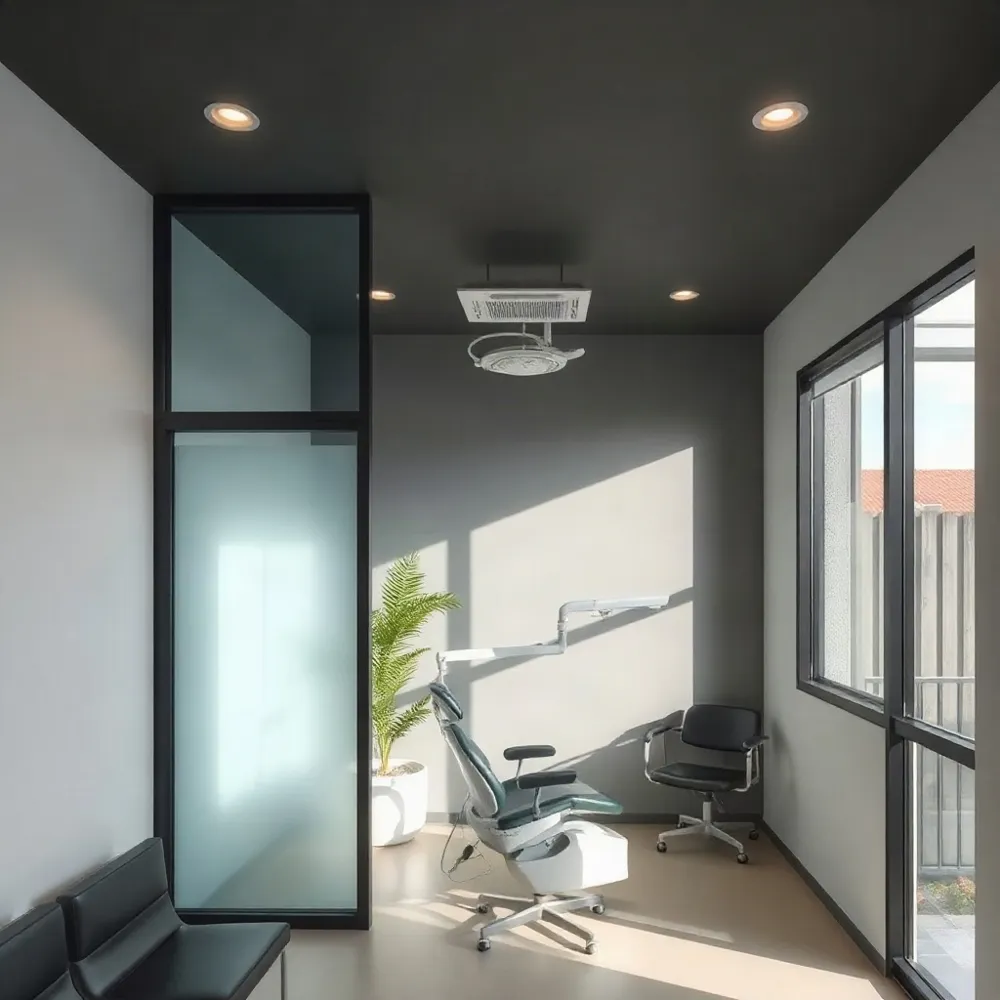 Why are open-ended questions important in a dental consultation? Open-ended questions are vital in dental consultations because they encourage patients to share detailed information about their history, concerns, and goals in their own words, rather than limiting them to simple yes or no responses. By prompting more descriptive answers, these questions help build rapport, put patients at ease, and significantly reduce dental anxiety. This collaborative communication style fosters trust, allowing our team at ashleyburnsdds.com to better understand a patient’s specific needs and any potential barriers to treatment.
Moving beyond a transactional model of care is a hallmark of patient-centered dentistry. When we invite patients to describe their daily habits or their specific apprehensions, we gain essential insights into their biopsychosocial context. This practice helps us identify hurdles like financial constraints or social factors that might otherwise go unnoticed. At ashleyburnsdds.com, we view this dialogue as a necessary step to align our technical expertise with the unique lifestyle and values of each individual.
Engaging patients in a thoughtful dialogue ensures they feel like active participants in their own care rather than mere recipients of information. This process follows a hierarchy of information and choice, where the goal is to empower the patient to take control of their oral health outcomes. By maintaining this empathetic approach, we ensure that every treatment plan is not only clinically sound but also deeply relevant to the person sitting in our chair.
Non-Verbal Cues and the Comfort of Care
In a dental setting, non-verbal communication is a vital tool that bridges gaps in understanding and fosters essential trust between the clinician and patient. Beyond spoken words, elements such as body language, attentive eye contact, consistent tone, and gentle touch serve to reduce patient anxiety and provide reassurance, especially when masks obscure facial expressions. These cues are particularly significant for patients with language barriers, sensory impairments, or those who feel vulnerable during treatment. By consciously utilizing these non-verbal strategies, dental professionals can maintain a compassionate, person-centered care model even when direct verbal interaction is limited.
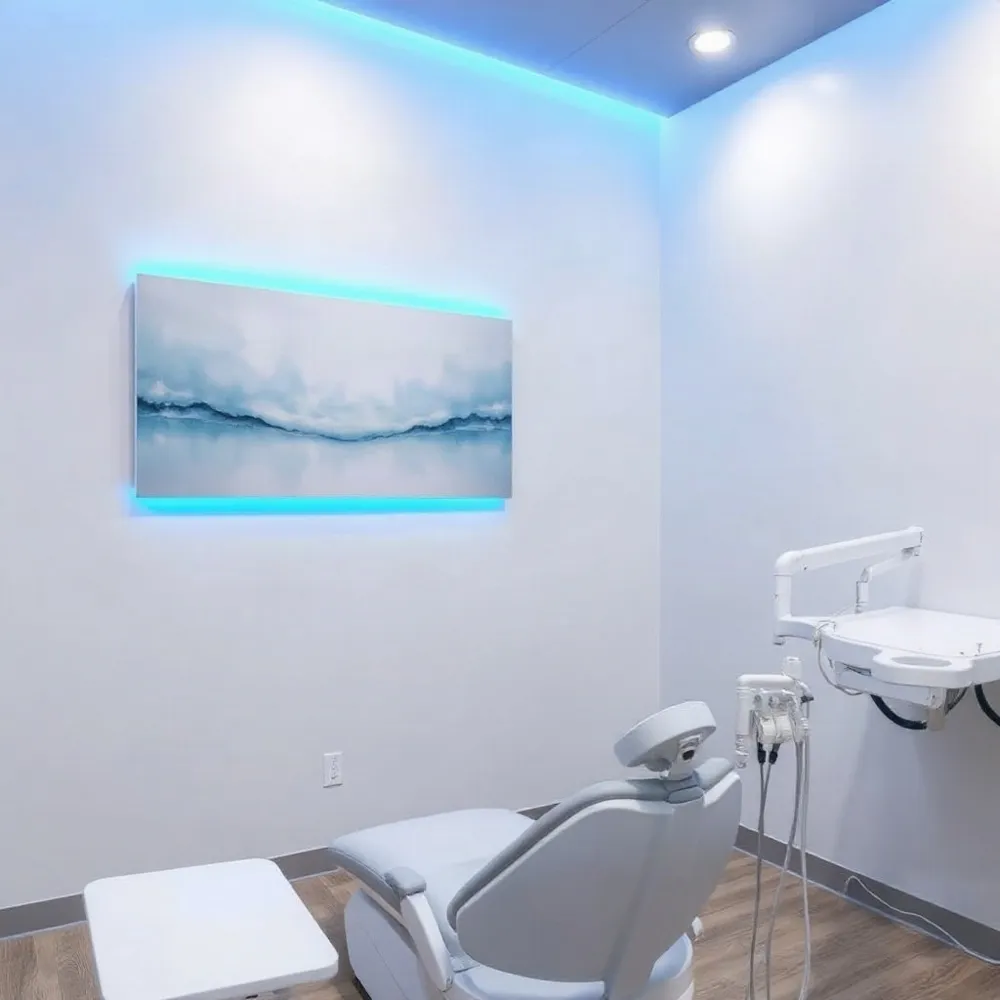
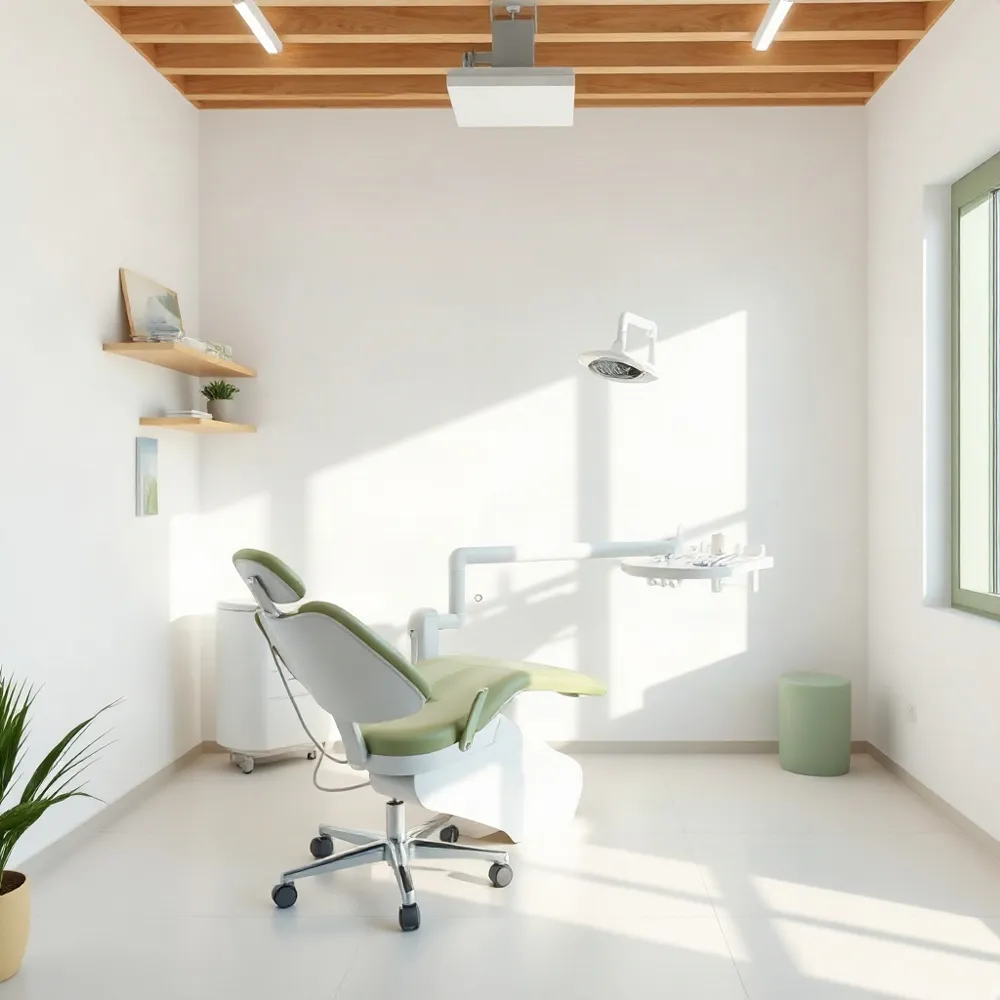
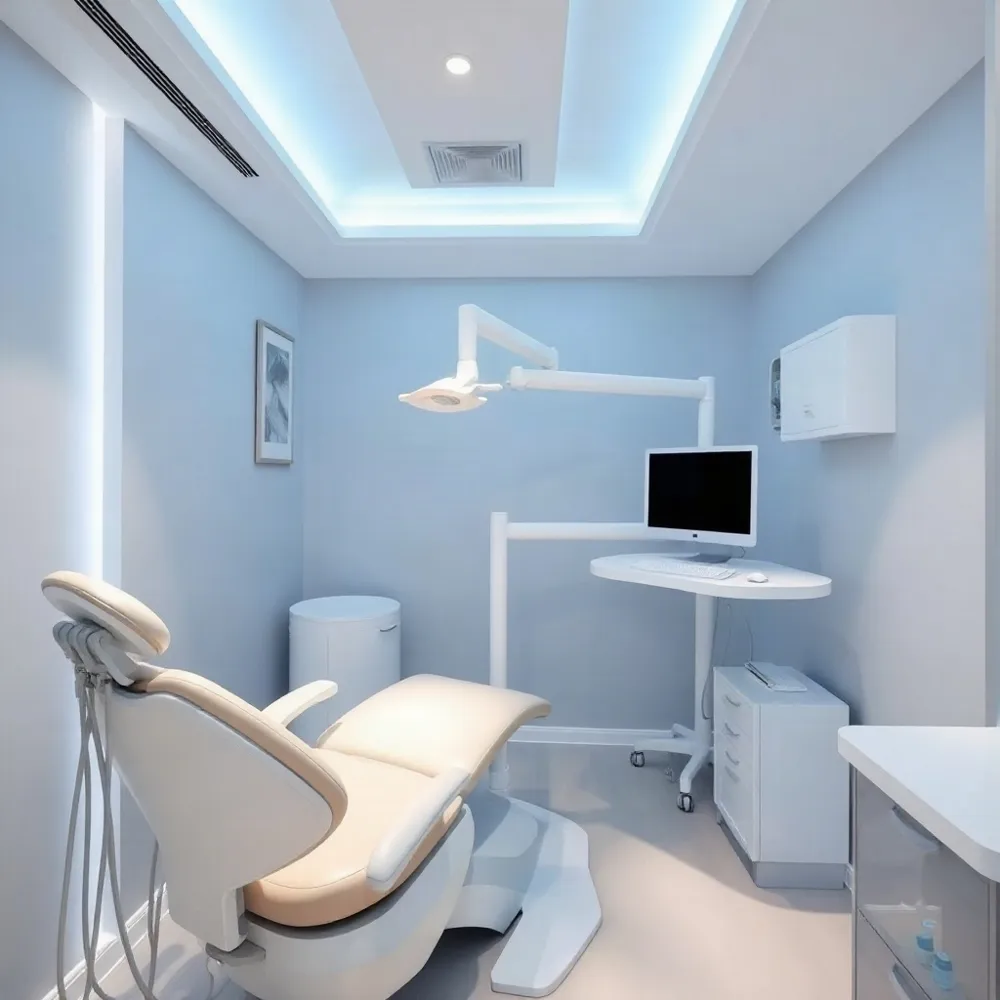
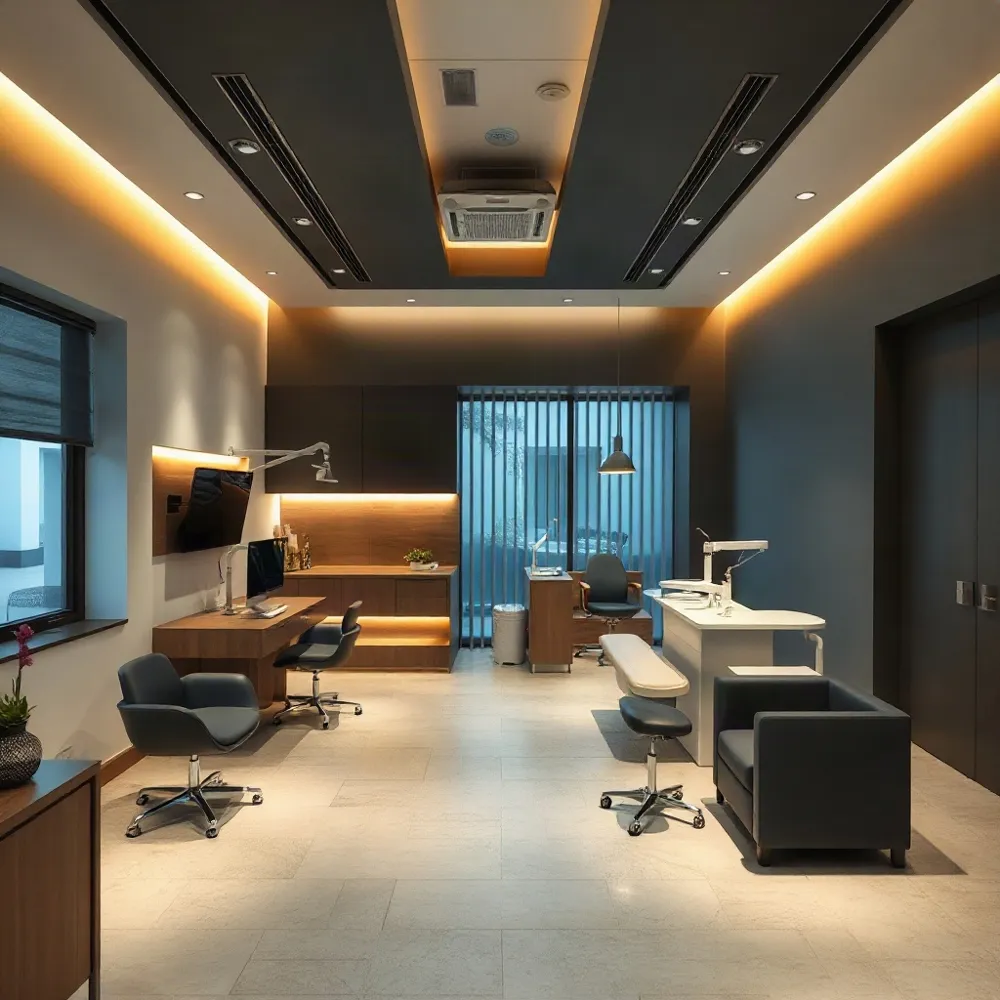
At ashleyburnsdds.com, we recognize that the physical environment is an extension of our communication style. Creating a calming office atmosphere helps patients feel at ease before they even sit in the chair. While some practices rely on sterile, impersonal settings, our team prioritizes a welcoming space that diminishes the clinical edge, often associated with higher dental anxiety. Simple elements like ambient lighting, a clutter-free operatory, and consistent staff presence signal stability and respect to the patient.
Managing anxiety through reassuring non-verbal interaction remains a cornerstone of our approach to patient-centered dental care. When a patient feels overwhelmed, a calm demeanor and deliberate, gentle movements convey a sense of control and safety. This form of silent support acknowledges the patient as a whole person, validating their feelings rather than rushing to the next procedure. Ultimately, mastering these unspoken forms of connection allows our team to ensure that every patient feels heard, understood, and comfortable throughout their care.
Overcoming Barriers and Measuring Success
Implementing a patient-centered care model shifts the focus to the individual’s unique values and needs, which frequently results in improved patient satisfaction and superior long-term oral health outcomes. Research indicates that this holistic approach not only boosts patient trust but also reduces the likelihood of litigation while increasing overall work satisfaction for clinical teams. At ashleyburnsdds.com, we prioritize these outcomes by treating oral health as an essential component of a patient's total systemic well-being.
Transitioning to this model presents distinct challenges, particularly regarding organizational change and the need to break down traditional, provider-driven power hierarchies. Many practices struggle with heavy workloads or the risk of compassion fatigue, which requires strong leadership and dedicated staff training to mitigate. At ashleyburnsdds.com, we address these hurdles by fostering a supportive environment that values empathetic communication as a core clinical skill. This preparation ensures our team can consistently coordinate care that aligns with each patient's specific life context.
True integrated dental care also requires addressing systemic barriers, such as the historical separation between medicine and dentistry. By recognizing the bidirectional relationship between oral health and systemic diseases like diabetes, dental professionals can better collaborate with other medical providers. At ashleyburnsdds.com, we remain committed to measuring success not just through clinical procedures, but through the tangible improvement of our patients' overall quality of life.
Commitment to Your Long-Term Oral Health
Adopting a patient-centered care model improves health status and increases patient satisfaction by addressing the whole person rather than just specific symptoms. At ashleyburnsdds.com, we recognize that oral health is a vital component of systemic well-being, as chronic conditions like diabetes often share bidirectional links with periodontal health.
By prioritizing your unique values, we create a Patient-Centered Dental Home where your voice guides every clinical decision. We invite you to experience a partnership that emphasizes comfort, transparency, and sustainable results. Contact our team today to discover how our collaborative approach can support your long-term wellness.