A More Visual Way to Capture Your Smile
A dental impression is a record of your teeth and nearby oral tissues. Dentists use it to assess how your teeth fit together and to plan custom restorations or appliances, such as crowns, dentures, and retainers (Cleveland Clinic’s guide to dental impressions).
Depending on the treatment and your needs, your dentist may use a traditional tray filled with impression material or capture a digital scan with a small handheld wand. Neither method is right for every situation, so your care team can explain which approach suits the planned treatment.
A digital scan builds a three-dimensional view of your teeth that the dental team can review on screen. This section explains what the scan records, how it may support treatment planning, and what can happen after the digital file is sent to a dental laboratory. At Ashley E. Burns, DDS in Midland, treatment planning is part of the practice’s comprehensive, patient-centered care.
What Impressions Record and Why
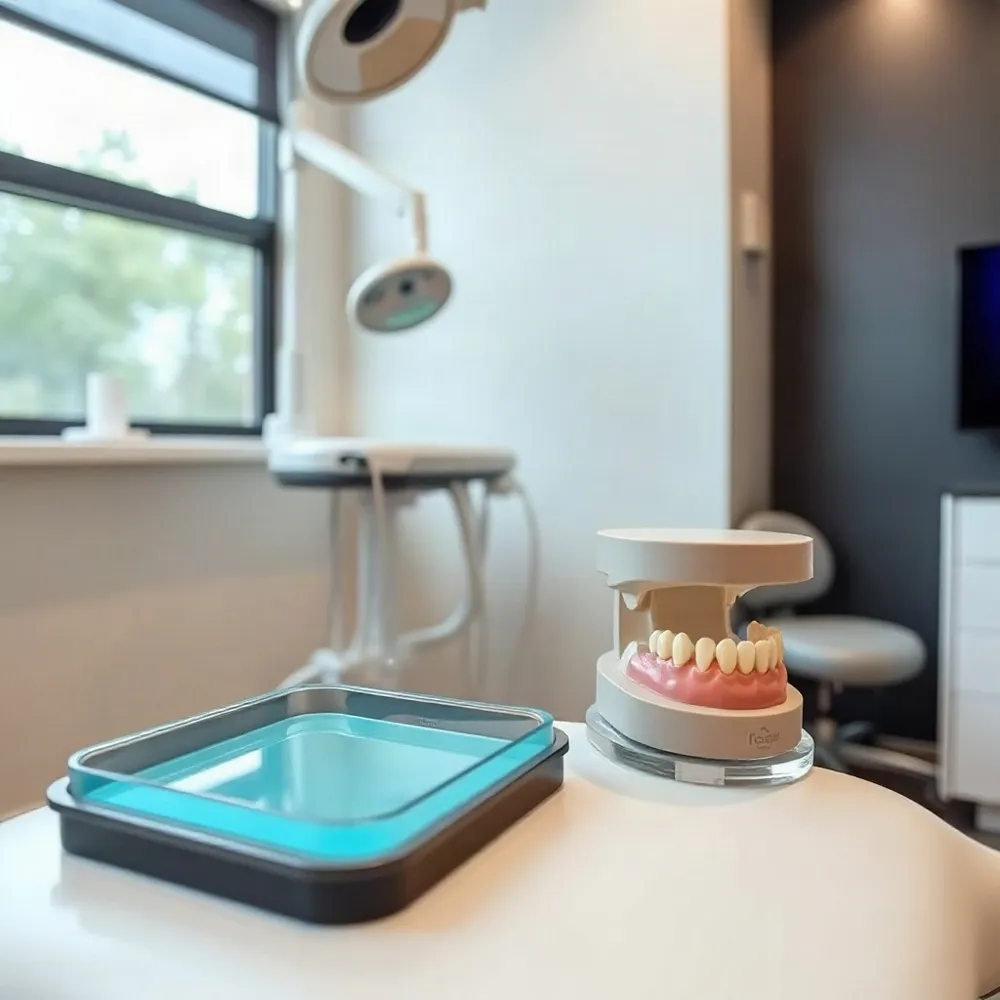 A dental impression is a replica or record of the teeth and surrounding oral tissues. It may be made with material in a tray or captured with an intraoral scanner. Dentists use impressions to assess how the upper and lower teeth meet and to plan or make custom restorations and appliances, including crowns, bridges, dentures, and retainers.
Impressions can also support veneers, clear aligners, mouth guards, whitening trays, sleep apnea appliances, and fluoride carriers. At ashleyburnsdds.com, information about advanced dental technology describes digital impressions as being captured in minutes, though the method and timing depend on the planned care.
The terms preliminary, final, and bite registration describe what an impression is for. A preliminary impression helps with early assessment or planning. A final impression records the details needed to make a restoration or appliance. A bite registration records how the upper and lower teeth fit together.
An impression is a planning record, not the finished dental device. The dentist or laboratory uses it to make the restoration or appliance, and an accurate record helps support a comfortable fit and proper function. Your dentist can recommend the impression method that suits your treatment.
How a Digital Scan Is Made
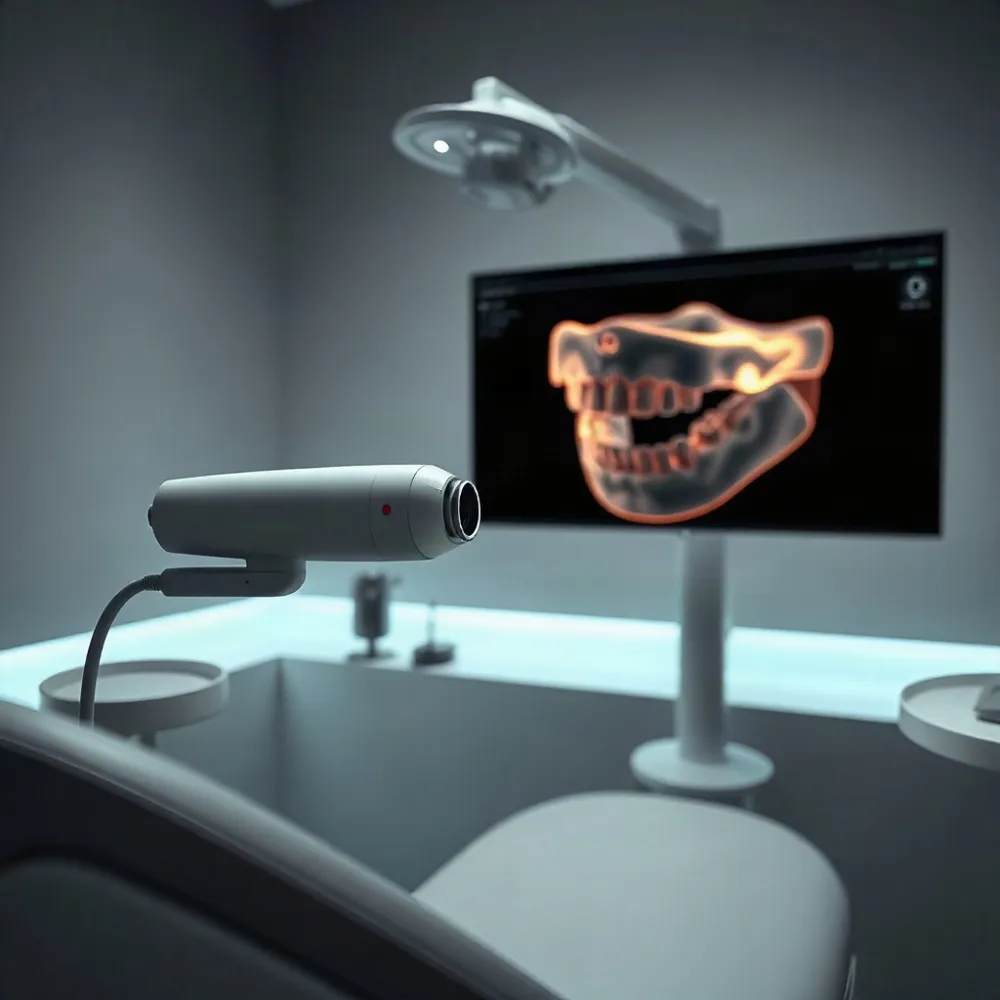 A digital dental impression is a three-dimensional model of the teeth and gums, created from images captured inside the mouth. The dental team moves a small handheld intraoral scanner over the teeth and along the gumline, building a picture of the areas needed for treatment.
Software combines the images into a model that the team can view on a screen. As the scan develops, the clinician can check whether the necessary surfaces have been captured and take more images of any areas that need additional detail. This immediate review can help identify gaps before the file is sent for treatment planning or design. [A 2025 review of digital impression methods](https://pmc.ncbi.nlm.nih.gov/articles/PMC12744468/) describes this process and notes that scanning results can depend on the technique, equipment, and area being recorded.
Unlike a traditional tray impression, a digital scan does not require impression material to sit in the mouth while it sets. The model may support planning or the design of a restoration or appliance, such as a crown, denture, or retainer, depending on the treatment and the practice’s workflow. The Cleveland Clinic’s overview of dental impressions explains that digital files can be sent to a laboratory for custom fabrication. At Ashley E. Burns, DDS, digital imaging is part of the practice’s advanced technology offerings, while the appropriate process depends on each patient’s treatment needs.
Digital and Traditional Methods Compared
Digital and traditional impressions create records for planning dental care, but they capture the mouth differently. A digital scan uses a handheld wand to collect images that software combines into a three-dimensional model. A traditional impression uses a tray filled with material that sets around the teeth. The Cleveland Clinic’s guide to dental impressions describes both approaches and their uses.
Because scanning avoids a tray of putty, some patients find it more comfortable, especially if trays feel bulky or trigger a gag reflex. It also avoids leftover impression material. Comfort varies, though, and scanning can be difficult in some areas of the mouth. The dental team can review the model as it is captured and rescan a particular area if needed.
Research describes digital impressions as broadly comparable in accuracy to conventional methods, but results depend on the case, scanner, scanning technique, and operator. A 2025 review of digital impression making notes that findings vary across studies and clinical situations. Traditional impressions remain an established option, and the dentist chooses a method based on treatment needs and available technology.
Digital files can be sent electronically to a laboratory, avoiding the need to transport a physical mold. That can simplify communication, but it does not guarantee a faster finished restoration; fabrication and appointment timing depend on the case and lab. At ashleyburnsdds.com, digital impressions are described as a way to reduce chair time and move toward a crown in a single visit when appropriate. Read more about digital and traditional methods compared.
Comfort, Timing, and Getting Ready
Dental impressions generally do not hurt, but a traditional tray or the taste and texture of setting material can feel uncomfortable. For some patients, having a tray in the mouth may trigger gagging. Cleveland Clinic’s guide to dental impressions notes that digital scanning may feel more comfortable for people with a strong gag reflex, although the appropriate method depends on the treatment.
How long does it take to get a digital dental impression? There is no single scan time for everyone. It depends on the area being scanned, the detail needed, the patient, and the clinician’s experience. Scanning is often quicker than waiting for impression material to set, but the full appointment may take longer if other treatment steps are included. The team at Ashley E. Burns, DDS can explain what to expect for your visit.
A little preparation can help. Brush and floss beforehand, avoid sticky foods just before the appointment, and tell the dental team if you feel anxious or have a strong gag reflex. That conversation gives the team a chance to discuss ways to make the appointment easier, including whether a digital scan is suitable for your case.
What Happens After the Scan
Once the scan is complete, the dental team reviews the digital model to confirm it shows the areas needed for your planned treatment. If a section is missing or unclear, the team may scan that area again rather than rely on an incomplete record. A digital impression is a planning record, not the finished restoration or appliance.
When the model is ready, it can be sent electronically to a dental laboratory. A technician uses the file to make the requested restoration or appliance, such as a crown, bridge, or denture. Dental impressions can support custom devices, and the time needed to fabricate them depends on the treatment and laboratory.
Fabrication may take one to several weeks. If a crown or bridge is being made, your dentist may provide a temporary option while you wait. The team can explain what happens next and when to return. For a crown, you can also review what to expect with a crown while the permanent restoration is being made.
Impressions for Dentures and Tooth Safety
 When a denture is being planned, impressions record the gums, any remaining teeth, and the tissues that will support the appliance. This information helps the dentist and dental laboratory shape a denture to fit the mouth and meet the patient’s needs. Dental impressions can be made with material in a tray or captured with a digital scanner.
A dentist may begin with an initial record for planning, then take a more detailed final impression to guide fabrication. The choice of method depends on the patient’s mouth, the treatment, and the technology available. Digital scanning can be challenging when a person has no remaining teeth because movable soft tissues are harder to capture accurately, so the dentist decides which workflow is suitable.
After the denture is made, the dental team checks how it sits on the gums and how the upper and lower teeth meet. Adjustments may be needed to ensure the denture is comfortable and functions well. The dentist also verifies that the denture does not put excess pressure on the gums or any remaining teeth, and provides care instructions so the patient knows what to expect as they adapt to the new denture. Patients should report any sore spots or discomfort promptly, since early adjustments help protect the underlying tissues and keep the mouth healthy. With proper care and follow-up, a well-made denture can provide comfortable function and a natural appearance for years to come.
Costs and Choosing Digital Dentures
There is no universal patient fee for digital or traditional impressions in the information available here. Costs may vary by practice, location, and treatment, and an impression may be included in the price of a restoration or appliance rather than billed separately. Ask the dental office whether an impression fee applies and check your insurance benefits for the planned procedure.
A practice’s investment in scanners and related equipment is different from what a patient pays. Equipment estimates should not be treated as a local price quote or as evidence that digital impressions cost more or less for an individual treatment. For background on what impressions are used for, see the Cleveland Clinic’s overview of dental impressions.
Digital dentures may be worth discussing when the practice has a suitable digital workflow. A digital record can support planning and may be stored for later reference, but the outcome also depends on oral anatomy, design, materials, and the fit of the denture base. Discuss the expected number of appointments, any adjustments, and the warranty with the dental office before treatment begins. Ask how the practice handles remakes or adjustments if the fit needs refinement after delivery. These conversations can help you understand what the practice includes in the quoted fee and what to expect from the finished denture. For more on the process, see the American Dental Association’s patient information on dentures and the National Institutes of Health’s overview of dentures.
Ask What Fits Your Treatment
Digital impressions are one way to record your teeth and oral tissues for planning treatment and making custom restorations or appliances. Whether a scan is suitable depends on your clinical needs and the device being made. Dental impressions can serve different purposes, from early treatment planning to creating a final restoration.
At Ashley E. Burns, DDS in Midland, the dental team can explain which impression options are available for your care. Ask whether a digital scan fits your planned treatment, what it will feel like, and whether there is a separate fee. If you have a sensitive gag reflex or concerns about the process, mention them before the appointment so the team can discuss ways to help you feel comfortable.