Understanding the Value of Dental Implant Restoration
Basic Concept of Dental Implant Restoration
Dental implant restoration involves replacing missing teeth with a titanium post surgically placed into the jawbone, acting as an artificial tooth root. Attached to this post is a custom-made crown designed to match the size, shape, and color of natural teeth, restoring both function and aesthetics.
Significance in Modern Dentistry
Dental implants represent the most advanced and preferred solution for long-term tooth replacement. They preserve jawbone health by stimulating bone growth, preventing deterioration seen with missing teeth. Unlike dentures or bridges, implants provide a permanent and stable foundation without affecting adjacent healthy teeth.
Titanium Implant Post and Crown System
The titanium post integrates with the jawbone through osseointegration, creating a durable anchor that supports the crown. This process ensures the implant responds to chewing forces and temperature changes similarly to natural teeth, offering superior comfort and functionality.
Longevity and Stability Compared to Other Restorations
With a high success rate and potential lifespan of 20 years or more, dental implants outlast bridges and dentures. They allow patients to enjoy a full range of foods without restrictions and require maintenance similar to natural teeth, improving overall oral health and quality of life.
Dental Implants Key Facts
- Dental implants are designed to last 20 years or more, often a lifetime with proper care.
- They offer a natural look, feel, and function by matching surrounding teeth in color, shape, and size.
- Dental implants stimulate jawbone growth, preventing bone loss and facial sagging.
- Unlike bridges, implants preserve adjacent natural teeth by avoiding their alteration.
- Maintenance involves routine brushing and flossing, similar to natural teeth, and is simpler than denture care.
- Implants restore nearly 100% of natural bite strength, allowing for diverse and crunchy food consumption.
- Dental implants enhance self-confidence through a stable, natural-looking smile, preventing slipping or clicking.
- They preserve facial youthfulness by maintaining bone volume and facial muscle tone.
- Implant restorations last 20+ years with proper hygiene, as they are composed of durable materials like titanium and ceramics.
- Dental implant restoration involves placing a titanium post (implant) fused with the jawbone, topped with a crown or prosthetic.**
1. Exceptional Durability and Longevity
What are the advantages of dental implants?
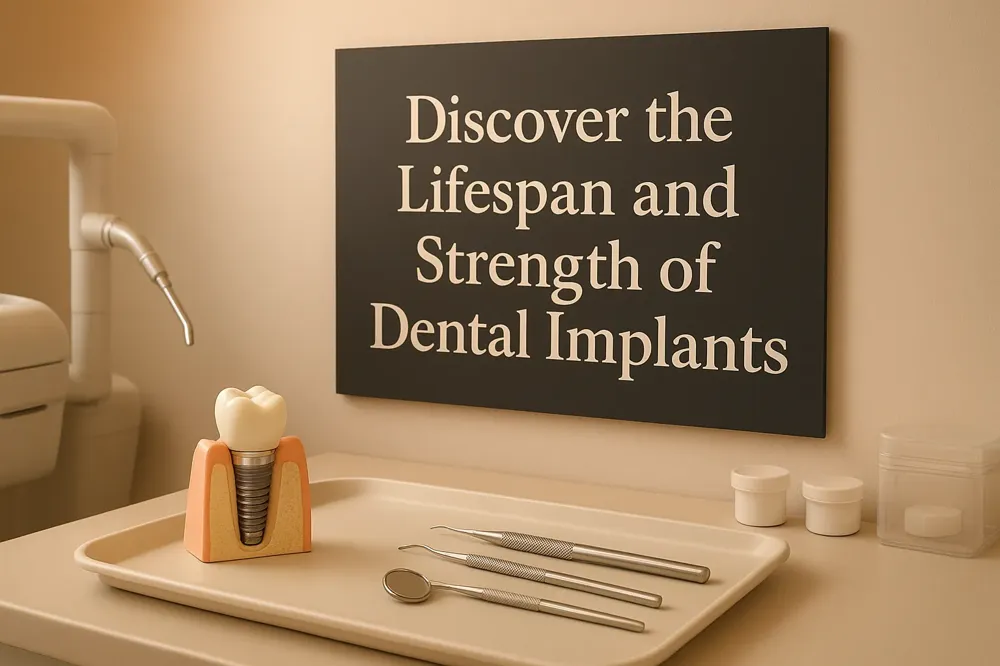
Dental implants offer a stable and permanent solution for tooth replacement, designed to last 20 years or more, and often a lifetime with proper care. This exceptional durability is supported by high success rates, with studies reporting about 98.6% success over five years and over 90% survival over ten years, and some data indicating longevity up to 30 years.
Unlike dentures, Dental Implants Care resist staining and wear since they are made from biocompatible materials like titanium, ensuring they maintain their appearance and function. This durability makes implants a cost-effective investment over time, as they typically require fewer replacements or repairs than bridges or dentures.
By closely mimicking natural teeth in both function and appearance, Dental implants benefits enhance both oral health and quality of life with long-lasting benefits.
2. Natural Look, Feel, and Function
Custom-Designed Crowns Matching Surrounding Teeth
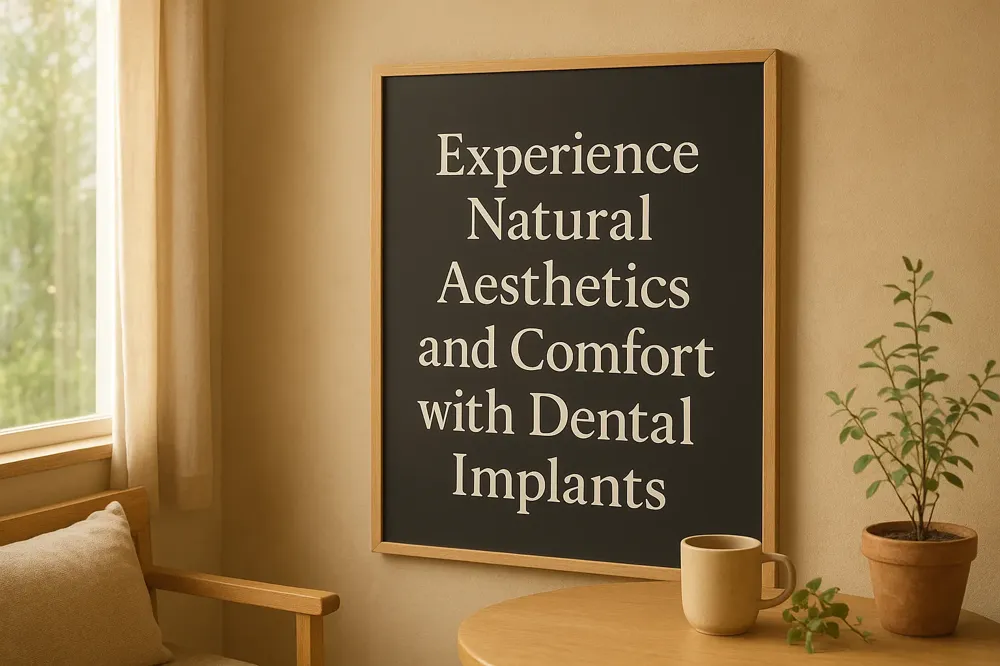
Dental implants feature crowns that are custom-crafted to match the color, size, and shape of your natural teeth. This precision ensures a seamless aesthetic, giving the implant a natural appearance that blends harmoniously with adjacent teeth.
Implants Mimic Natural Tooth Roots Anchored in Jawbone
The implant itself is a titanium post surgically anchored into the jawbone, acting as an artificial tooth root. This anchorage provides a stable and durable foundation that closely mimics the function of natural teeth.
Improved Bite Strength and Chewing Ability
Because implants are firmly integrated with the jawbone, they restore nearly 100% of natural bite strength. This allows patients to chew a wide variety of foods, including hard and crunchy items, promoting better nutrition and oral health.
Enhanced Comfort and Stability
Unlike removable dentures, dental implants are fixed in place and do not slip or click during talking or eating. This eliminates common discomforts associated with dentures, giving patients greater confidence and improved quality of life.
3. Preservation of Jawbone and Facial Structure
How Do Dental Implants Prevent Bone Loss?
Dental implants stimulate the jawbone through a process called osseointegration process, where the titanium post fuses directly with the bone. This stimulation prevents the bone deterioration commonly seen after tooth loss.
Why Are Dental Implants Better for Facial Structure Compared to Dentures or Bridges?
Unlike dentures or bridges, dental implants replace the tooth root and actively encourage bone growth. Dentures rest on gums without stimulating bone, leading to jawbone shrinkage and facial sagging. Bridges may require altering adjacent teeth but do not prevent bone loss.
How Do Implants Support a Youthful Facial Appearance?
By preserving the jawbone, implants maintain the natural contours of the face and support facial muscles. This prevents the sunken look and premature aging often seen with missing teeth, helping patients retain a more youthful appearance.
Key Benefits Summary:
- Osseointegration promotes new bone growth and preserves jawbone density
- Prevention of facial sagging and wrinkles
- Maintains facial muscle tone and youthful contours
- More effective than dentures or bridges in preserving bone and appearance
Dental implants thus offer a durable and natural solution that enhances oral health while supporting overall facial aesthetics.
4. Protection of Adjacent Natural Teeth
How do dental implants protect neighboring teeth compared to other restorations?
Dental implants offer a significant advantage over dental bridges and partial dentures by preserving the integrity of adjacent natural teeth. Unlike bridges that require filing down or altering the neighboring healthy teeth to support the prosthetic, implants are anchored directly into the jawbone independently. This means the adjacent teeth remain untouched and intact. For more on this, see Dental implants vs bridges.
What benefits come from preserving natural teeth with dental implants?
Maintaining the natural structure of adjacent teeth is crucial for long-term oral health. Dental implants prevent unwanted shifting and misalignment of the surrounding teeth, which often occurs when gaps are left unfilled. By filling in missing teeth without compromising others, implants support the overall bite alignment. This helps to promote stable chewing function, reduce uneven wear on remaining teeth, and lower the risk of periodontal problems. Learn more about Benefits of Dental Implants.
Why is bite alignment and oral health important?
Proper bite alignment maintains efficient chewing and speaking capabilities. Misaligned teeth can lead to jaw pain, difficulty in cleaning, and increased risk of cavities and gum disease. Dental implants help maintain this alignment by restoring the natural spacing and integrity of the dental arch, contributing to healthier gums and bones around all teeth. Explore more about Dental Implant Growth in the US.
In summary, dental implants uniquely protect neighboring teeth by avoiding alteration to healthy tooth structures. This advantage supports not only aesthetic results but promotes better bite function and long-term oral health, making implants a preferred choice for tooth replacement. For detailed insights, visit Advantages of Dental Implants.
5. Improved Oral Hygiene and Maintenance
How Are Dental Implants Cleaned Compared to Natural Teeth?
Dental implants are cleaned much like natural teeth, requiring routine brushing and flossing to keep them healthy. This similarity simplifies patients’ daily Dental Implants Care.
Why Is Maintenance Simpler Than With Removable Dentures?
Unlike removable dentures, implants do not require special cleaning procedures such as soaking or adhesives. Patients can maintain implants using their usual Oral Hygiene for Implants, streamlining care and improving convenience.
How Do Implants Affect Gum Health and Food Impaction?
Dental implants reduce the risk of gum disease and prevent food from becoming trapped around replacement teeth, a common issue with dentures. This contributes to healthier gums and less irritation as detailed in Dental Implants and Oral Health.
What Are the Benefits of Eliminating Denture Adhesives and Cleaning Regimes?
By eliminating the need for denture adhesives and complex cleaning rituals, implants increase patient comfort and confidence. This also reduces the daily hassle associated with Dental Implant Restorations.
6. Enhanced Chewing Ability and Dietary Freedom
How Do Dental Implants Improve Chewing Ability?
Dental implants restore nearly 100% of natural biting force by anchoring securely into the jawbone. This stability allows patients to chew hard, crunchy, and chewy foods without discomfort or fear of slipping, unlike dentures. Learn more about Improved Chewing with Implants.
What Dietary Benefits Do Dental Implants Provide?
By enabling a diverse range of foods, implants support improved nutrition and diet variety. Patients can confidently enjoy fruits, vegetables, meats, nuts, and other nutritious options that may be limited by removable dentures. Discover the Reasons to consider dental implants.
How Do Implants Affect Eating and Speaking Confidence?
Dental implants provide a fixed and stable foundation, meaning patients can speak and eat naturally without concern for movement or clicking sounds common with dentures. This enhances social comfort and quality of life. See the Benefits of Dental Implants.
Why Are Implants Superior to Dentures Regarding Food Choices?
Dentures can restrict food options due to their tendency to slip or cause irritation. Implants eliminate these issues, offering functional advantages that make them the preferred long-term tooth replacement solution for maintaining an unrestricted and enjoyable diet. Read about Dental Implants vs Dentures.
7. Boost to Self-Confidence and Quality of Life
Natural-Looking Smile Restoration Enhances Aesthetics
Dental implants are custom-designed to closely match the color, size, and shape of natural teeth, providing a seamless and attractive appearance. This restoration of a Natural Look and Feel of Implants not only improves Improving Facial Aesthetics with Dental Implants but also helps patients feel more comfortable and confident in social interactions.
Stable Implants Prevent Embarrassment from Slipping Dentures
Unlike removable dentures that can slip or click while speaking or eating, dental implants are securely anchored into the jawbone. This Stability of Dental Implants eliminates concerns about dentures moving in public, allowing patients to speak, eat, and smile with reassurance and ease.
Improved Speech Clarity and Comfort
By mimicking natural tooth roots, implants help maintain proper oral structure and alignment. This contributes to clearer speech and prevents discomfort or difficulties often associated with traditional dentures or missing teeth.
Positive Psychological Effects and Boosted Social Confidence
Restoring a complete, natural smile through dental implants can have profound psychological benefits. Patients often experience increased self-esteem and confidence, encouraging more spontaneous smiling and active social engagement. The ability to eat a full range of foods, speak clearly, and look one's best fosters a better overall quality of life.
What are the benefits of restorative dentistry?
Restoring oral function and speech
Restorative Dentistry, including procedures like Dental Implants for Tooth Restoration, restores normal biting, chewing, and speaking abilities. By replacing missing teeth with stable, natural-feeling restorations, patients regain efficient oral function and clear speech.
Stimulating jawbone health
Treatments such as Benefits of Dental Implants stimulate the jawbone through osseointegration process, preventing bone loss and preserving facial structure. This maintains jaw strength and helps prevent the sunken appearance often caused by missing teeth.
Maintaining bite alignment and preventing shifting teeth
Restorative solutions fill gaps from missing teeth, preventing adjacent teeth from shifting out of place. This supports proper bite alignment and reduces the risk of further dental complications.
Improving confidence and quality of life
By restoring a natural smile and oral function, Restorative Dentistry enhances self-esteem and overall quality of life. Patients enjoy improved aesthetics, stable teeth, and greater comfort in social and eating situations.
Restorative dentistry restores normal oral function, improves speech, supports jawbone health by stimulating bone growth, maintains bite alignment, and significantly boosts self-confidence, offering durable functional and aesthetic benefits.
What is dental restoration, and is it worth it?
What is dental restoration, and is it worth it?
Dental restoration encompasses treatments that repair or replace damaged or missing teeth. Common types include fillings, crowns, bridges, dentures, and Dental Implants. These procedures restore the natural function of teeth, enabling patients to chew, speak, and smile confidently.
By restoring teeth, dental restoration prevents further issues like shifting of neighboring teeth, bite problems, and jawbone deterioration. For example, Dental implants anchor into the jawbone, promoting bone health and preserving facial structure.
Although dental restoration involves upfront costs, it is cost-effective over time. Durable solutions like implants can last decades, reducing the need for repeated treatments. Properly restored teeth support oral health and enhance overall wellbeing, making dental restoration a valuable investment for both function and appearance.
Is restoration the same as filling in dentistry?
Definition of restoration vs. dental fillings
In dentistry, restoration broadly refers to the repair or replacement of damaged or missing tooth structure to regain function and appearance. Dental fillings are a specific type of restoration focused on repairing cavities caused by decay.
Types of direct and indirect restorations
Direct restorations, like fillings, are placed directly into the prepared tooth during a single visit. Indirect restorations include crowns, veneers, inlays, and onlays, which are fabricated outside the mouth and then bonded or cemented to the tooth. Restorative Dentistry covers these procedures.
Role of fillings within broader restoration context
Fillings restore the tooth’s shape, strength, and function after minor damage or decay. However, restoration covers a wider spectrum, including complex procedures like crowns and Dental Implant Restorations, which replace larger tooth portions or entire missing teeth.
Advancements in materials improving restoration
Modern restorative materials, such as composite resins and ceramics, offer improved aesthetics, strength, and biocompatibility. These advancements allow restorations to closely mimic natural teeth in appearance and durability, enhancing patient outcomes in cosmetic and restorative dentistry.
Answer to "Is restoration the same as filling in dentistry?"
Restoration in dentistry is the broad repair of damaged teeth, whereas fillings are a specific type of restoration used for cavities. Fillings restore tooth shape and function and are part of a wider range of restorative treatments including crowns and veneers as part of Restorative Dentistry.
What is a dental implant restoration?
What is a dental implant restoration?
A dental implant restoration is a reliable and advanced solution for replacing missing teeth. It involves surgically placing a titanium post into the jawbone, where it acts as an artificial tooth root. This post, also known as the implant fixture, fuses with the jawbone in a process called osseointegration, typically taking three to six months.
Components and Procedure
After successful healing, an abutment is attached to the implant post, serving as the connector between the post and the prosthetic tooth. The final restoration can be a crown, bridge, or denture, carefully crafted to match the natural teeth in color, shape, and size.
Durability and Maintenance
dental implant restorations offer impressive durability, often lasting 20 years or more with proper care, such as regular brushing, flossing, and dental checkups. Maintaining good oral hygiene is crucial to prevent complications and ensure the long-term success of the implants.
This restoration provides a permanent, stable, and natural-feeling replacement, improving chewing, speaking, and overall oral health without affecting neighboring teeth.
The Lasting Impact of Dental Implant Restorations
Dental implants offer numerous long-term benefits that extend beyond simply replacing missing teeth.
They provide a stable and durable foundation anchored directly into the jawbone, closely mimicking natural tooth roots. This stability allows patients to eat a wide variety of foods comfortably, which supports better nutrition. Implants also preserve jawbone health by stimulating bone growth, preventing bone loss and the sunken facial appearance that often accompanies missing teeth.
Professional care and regular maintenance are crucial for the lasting success of dental implants. Routine brushing, flossing, and dental checkups help prevent complications and maintain implant function, often making their care simpler than that of dentures. Choosing experienced dental providers who utilize advanced technology further enhances treatment outcomes.
Dental implants not only restore oral function but also improve facial aesthetics and patient confidence by supporting natural speech and a beautiful smile. Their longevity and ease of care make implants a practical and cost-effective solution for those seeking a permanent tooth restoration.
Considering dental implants as a long-term option can transform quality of life, reinforcing oral health and renewing self-esteem for patients of all ages.