
A Coordinated Approach to Dental Care
Full mouth rehabilitation is a coordinated course of dental care for problems affecting many teeth, not one procedure or a cosmetic makeover. Depending on a person’s needs, it may combine treatments to restore damaged teeth, replace missing ones, or improve how the bite works. The American College of Prosthodontists’ overview of full-mouth reconstruction explains that treatment can include options such as crowns, bridges, implants, and dentures.
The plan is shaped by the condition of the teeth and gums, the bite, and the patient’s goals. Some people need a limited combination of restorative treatments, while others may need care coordinated across several stages. The full-mouth reconstruction program at Rutgers School of Dental Medicine likewise describes treatment as individualized, with procedures selected to suit each person’s oral condition and goals.
At Ashley E. Burns, DDS in Midland, planning focuses on the patient’s concerns and the findings of a comprehensive evaluation. Discussing priorities, available options, and the order of care helps patients understand how treatment is intended to support oral health, function, and appearance.
What Rehabilitation Can Include
Full mouth rehabilitation, also called full mouth reconstruction, is a customized plan to restore the health, function, and appearance of many or all teeth. The American College of Prosthodontists’ overview of full-mouth reconstruction describes it as comprehensive care shaped around the patient’s needs, rather than one standard procedure.
An evaluation may be worth discussing if several teeth are missing, damaged, decayed, or severely worn, or if the bite feels uncomfortable or does not fit together well. These signs do not determine which treatment is needed. A dentist assesses the teeth, gums, bite, and jaw before recommending care.
Depending on the findings, a plan may include crowns, bridges, implants, dentures, gum care, orthodontics, or other restorative procedures. Not every patient needs each option, and treatment may be staged according to oral health needs. Healthy, structurally sound teeth may not require treatment.
At ashleyburnsdds.com, treatment planning is grounded in a review of the patient’s concerns and goals alongside clinical findings. Discussing those priorities helps clarify which options may support comfortable function and the desired appearance, as well as the expected sequence of care.
The Evaluation and Treatment Plan
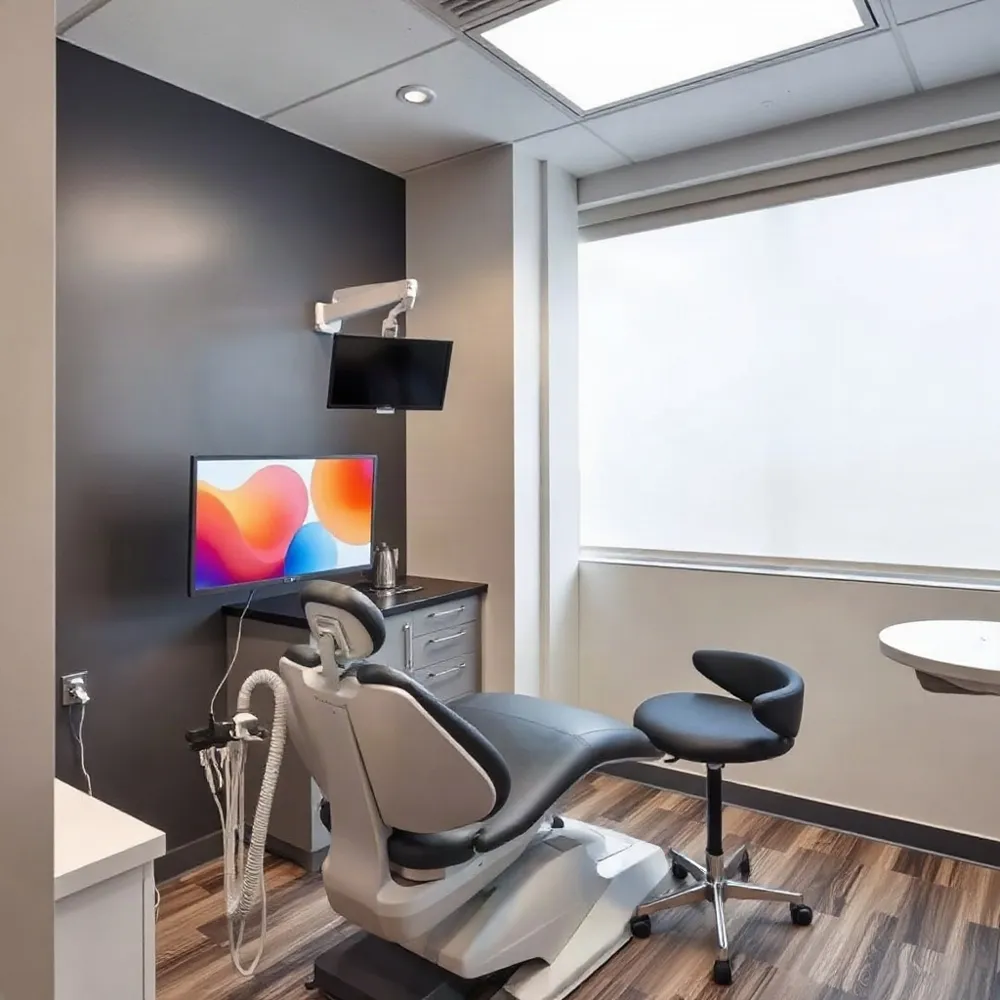 Planning begins with a conversation about your medical and dental history, concerns, and goals. The dentist then examines your teeth and gums, checks how your bite comes together and your jaw moves, and reviews existing fillings, crowns, or other dental work. This broader assessment helps connect problems that may otherwise seem separate.
Depending on what the examination shows, the dentist may take X-rays, digital scans, photographs, impressions, or bite records. These diagnostic records can reveal details that are difficult to assess by looking alone and help guide decisions about suitable treatment. The American College of Prosthodontists’ overview of full-mouth reconstruction describes it as individualized care planned around a patient’s needs.
The findings and your preferences shape the treatment options and their order. If decay, infection, or gum disease could affect the health of future restorations, those concerns may need attention first. The dentist can explain which steps are recommended, what alternatives may be appropriate, and how the stages relate to one another. At Ashley E. Burns, DDS, treatment planning is part of comprehensive, patient-centered dental care in Midland.
Models or a diagnostic mock-up may help preview proposed tooth shape and bite before final restorations are made. In some cases, temporary restorations also let the patient and dentist assess comfort, chewing, speech, and appearance. These steps provide an opportunity to discuss adjustments before the plan is finalized.
Planning is not a one-time decision. The dentist may review and refine the plan as treatment progresses and new information becomes available. Ask about the purpose of each stage, other options, expected recovery, and how to care for restorations afterward. A clear conversation helps you understand what to expect and make informed choices.
How Treatment Stages Fit Together
 Full mouth rehabilitation usually unfolds in stages, but the sequence is tailored to the condition of your teeth and gums. The American College of Prosthodontists’ overview of full-mouth reconstruction describes a range of possible treatments, with the specific combination based on each patient’s needs.
Early care may address active problems such as infection or gum disease, or remove teeth that cannot be restored. Once those concerns are managed, restorative work can begin, including crowns, bridges, or tooth replacement. The stages are planned in an order that supports the health of the mouth before final restorations are placed.
Some procedures require healing before the next step. For example, implant treatment may involve a healing interval before the replacement tooth is attached. Temporary restorations may also be used while permanent work is being prepared, allowing the dentist to assess fit and function before final placement.
After the final restorations are placed, the dentist checks how they fit together and makes adjustments as needed. Follow-up visits help monitor healing, bite comfort, and the condition of the restorations. At Ashley E. Burns, DDS, treatment planning is based on the patient’s oral health and goals, so appointment timing and follow-up should be discussed as part of the individual plan.
How long does full mouth rehabilitation take? It may take a few months, or two years or longer in more complex cases. Gum treatment, bone preparation, implants, orthodontics, and other procedures can affect the schedule. Ask your dentist for an estimate after an examination, including how visits, healing time, and recovery may fit around work and daily responsibilities. Attending appointments and following aftercare instructions can help keep care on track.
Bite Planning and Patient Comfort
Bite planning looks at how the teeth meet during biting and chewing, along with tooth condition, jaw movement, and the restorations being considered. A dentist uses this information to plan contacts that support comfortable, stable function. The American College of Prosthodontists’ overview of full-mouth reconstruction explains that treatment choices depend on each patient’s needs.
When contacts are uneven, a dentist may carefully adjust a small area of enamel, design restorations such as crowns or bridges to establish appropriate contacts, or consider orthodontics if teeth need to move. The approach depends on the examination and treatment goals. Bite planning is part of the individualized care described in [Ashley E. Burns, DDS’s treatment-planning guide](./life-after-full-mouth-rehabilitation-a-new-beginning#precision-planning-and-bite-realignment-techniques).
Temporary restorations can let the dentist assess the bite and make adjustments before placing final restorations. Their use and the clinical techniques involved vary by case, so a temporary phase is not required for everyone.
Full mouth rehabilitation is a course of different treatments, not a single procedure, so discomfort and recovery depend on what is involved. Your dental team can explain comfort measures and likely recovery at each stage. Temporary soreness or sensitivity may occur after some procedures. Contact your dentist if you have concerns or pain that is not adequately controlled.
Costs and Payment Conversations
How much does full mouth rehabilitation cost, and how can patients plan for payment? There is no standard price because treatment plans differ in the number and type of procedures, materials, and overall complexity. Care involving crowns, bridges, implants, extractions, or gum treatment can have very different costs, so broad price ranges are not a quote for an individual case.
After an examination, ask for an individualized treatment plan and written estimate that explains the proposed procedures and expected charges. The American College of Prosthodontists’ overview of full-mouth reconstruction notes that the treatment combination depends on each patient’s needs. Ashley E. Burns, DDS’s full-mouth rehabilitation process also emphasizes precision planning, which can help patients understand how proposed care addresses their oral health concerns.
Before deciding, contact your insurer to check which procedures may be covered, along with plan limits, exclusions, and estimated out-of-pocket costs. Coverage varies, and procedures intended mainly to change appearance may receive limited or no benefits. The dental team can help clarify the estimate, but the insurer can confirm how your particular plan applies.
Ask the practice about payment options and whether treatment can be phased when clinically appropriate. Some care must happen in a particular order, so discuss any proposed phases with the dentist rather than delaying treatment on your own. Reviewing costs, scheduling, and recovery needs before treatment begins gives you a clearer basis for deciding how to proceed.
Costs can vary substantially with the procedures, materials, and complexity involved, as described in this guide to discussing full-mouth rehabilitation costs. Bring questions about priorities and payment to your planning conversation so the proposed care and financial arrangements are clear before you begin.
Expected Results and Ongoing Care
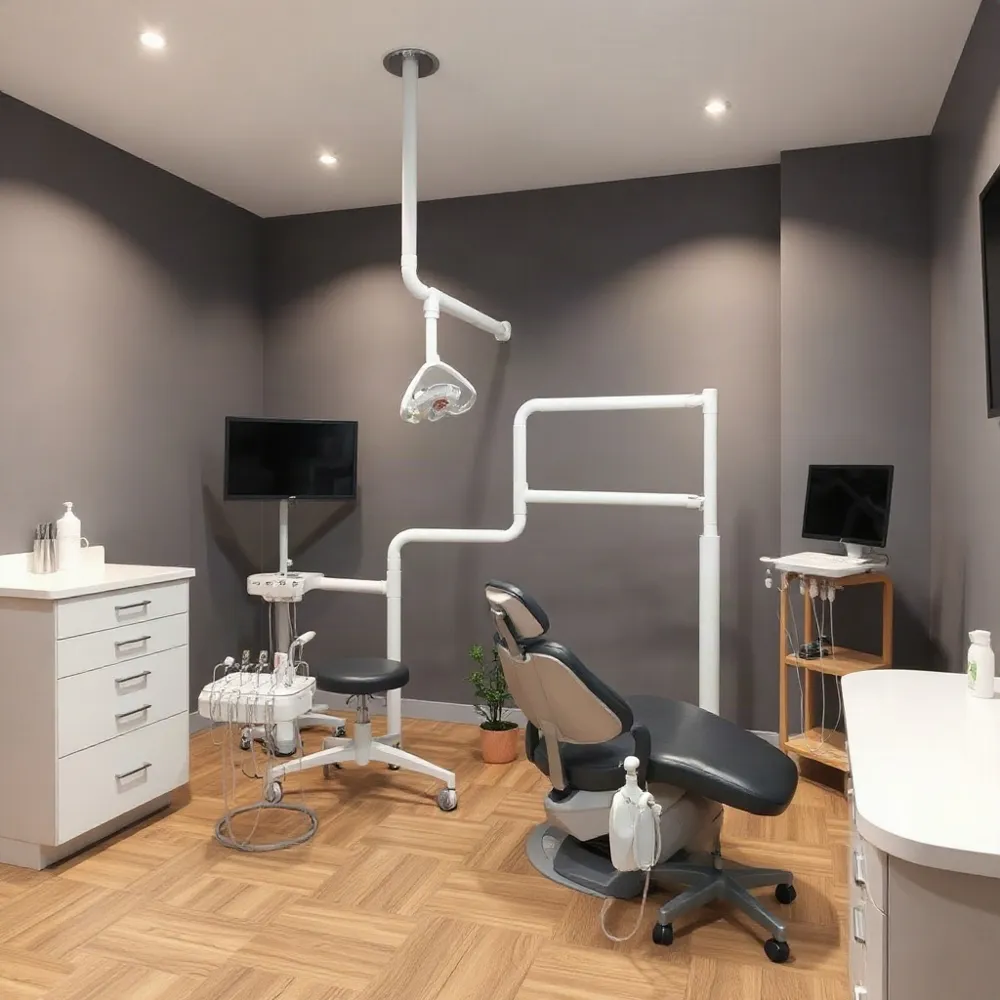 What results can patients expect from full mouth reconstruction? Depending on the plan, treatment may repair or replace damaged and missing teeth and support more comfortable chewing, clearer speech, improved bite function, and smile appearance. The American College of Prosthodontists describes reconstruction as care that can combine restorative and esthetic treatment to address oral health, function, and appearance.
The goals are specific to each patient, and results vary with the condition of the teeth and gums, the procedures involved, and care after treatment. During planning, Ashley E. Burns, DDS discusses the proposed approach and its goals with patients, so expectations can reflect their individual needs rather than a promised outcome.
Follow-up visits give the dental team a chance to monitor healing, gums, teeth, restorations, and the bite. These appointments also allow the team to check how the restorations function together and address adjustments or new concerns. The timing and type of follow-up depend on the treatment received.
At home, follow the care instructions provided for your specific restorations and procedures, keep up with daily brushing and cleaning between teeth, and attend regular dental visits. For a closer look at possible functional changes, see expected benefits of full mouth rehabilitation. Ongoing care helps the dental team identify changes and support long-term oral health.
A Plan Built Around Your Needs
Full mouth rehabilitation is not a fixed package. The procedures, sequence, timing, comfort measures, and costs depend on your oral health and priorities. An evaluation helps your dentist explain which options may fit your needs and how the stages relate. The American College of Prosthodontists’ overview of full-mouth reconstruction also notes that treatment is planned around the individual.
At Ashley E. Burns, DDS in Midland, planning centers on understanding the problems affecting your teeth and the results you hope to achieve. Before treatment begins, ask which options are available, what recovery may involve, how payment can be planned, and what maintenance restorations may need. Clear answers can help you make informed decisions and prepare for care over time.